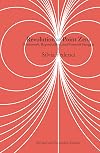
Revolution at Point Zero: Housework, Reproduction, and Feminist Struggle
by Silvia Federici
On This Page
Description
Written between 1974 and 2016, Revolution at Point Zero collects four decades of research and theorizing on the nature of housework, social reproduction, and women's struggles on this terrain-to escape it, to better its conditions, to reconstruct it in ways that provide an alternative to capitalist relations. Indeed, as Federici reveals, behind the capitalist organization of work and the contradictions inherent in "alienated labor" is an explosive ground zero for revolutionary practice upon show more which are decided the daily realities of our collective reproduction. Beginning with Federici's organizational work in the Wages for Housework movement, the essays collected here unravel the power and politics of wide but related issues including the international restructuring of reproductive work and its effects on the sexual division of labor, the globalization of care work and sex work, the crisis of elder care, the development of affective labor, and the politics of the commons. show lessTags
Recommendations




































Member Reviews
Brillant! Ich konnte wieder so viel lernen von Silvia Federici. Die Ideen von ihr werden fortan auch meine Gedanken prägen.
Angefangen bei den Bedinugngen, die Marx vorfand, als er über die Arbeiter schrieb. Mehr als das halbe Buch sind versehen mit Post-Its und Markergelb. Im Buch sind 3 Essays von Silvia Federici und jedes einzelne davon aufschlussreich und auch teilweise schockierend.
"Die herrschende Klasse und diejenigen, die Herrschaft anstreben, sind es, die die Existenz einer natürlichen und für alle Zeit geltenden menschlichen Persönlichkeit annehmen - um ihre Macht über uns zu verewigen."
#fweltbank
#fcapitalism
#fausbeutung
(Globalisierter) Kapitalismus beruht auf Ausbeutung. Er will gar nicht allen einen akzeptablen show more Lebensstandard bieten. Er saugt wie ein Blutegel aus und schiebt dann die Schuld auf die Ausgebeuteten.
Das Politische geht auch schon in unser Miteinander über. Frauen (und ihre Arbeit in Familie/Haushalt) werden als "Commons" angesehen - wie eine natürliche Ressource wie Luft (die bisher wirklich noch "Commons" ist und nocht nicht kommodifiziert wurde). Frauen erziehen und geben, weil es ihre natürliche Bestimmung ist, sie machen es aus Liebe, es ist keine Ausbeutung und keine Diskriminierung, die sich aus diesem Gedanken ergibt, nein, nein... (Ironie) Auch interessant: Kernfamilie ist eine Erfindung des Kapitalismus.
Denkt mal darüber nach, warum "People-Pleasing" mehrheitlich Frauen betrifft. Frauen sind es gewöhnt zu geben, sich ausbeuten zu lassen. So sehr, dass sie ein schlechtes Gewissen bekommen, wenn sie es nicht tun.
Man kann schon im Kleinen diese Machtstrukturen aufbrechen. show less
Angefangen bei den Bedinugngen, die Marx vorfand, als er über die Arbeiter schrieb. Mehr als das halbe Buch sind versehen mit Post-Its und Markergelb. Im Buch sind 3 Essays von Silvia Federici und jedes einzelne davon aufschlussreich und auch teilweise schockierend.
"Die herrschende Klasse und diejenigen, die Herrschaft anstreben, sind es, die die Existenz einer natürlichen und für alle Zeit geltenden menschlichen Persönlichkeit annehmen - um ihre Macht über uns zu verewigen."
#fweltbank
#fcapitalism
#fausbeutung
(Globalisierter) Kapitalismus beruht auf Ausbeutung. Er will gar nicht allen einen akzeptablen show more Lebensstandard bieten. Er saugt wie ein Blutegel aus und schiebt dann die Schuld auf die Ausgebeuteten.
Das Politische geht auch schon in unser Miteinander über. Frauen (und ihre Arbeit in Familie/Haushalt) werden als "Commons" angesehen - wie eine natürliche Ressource wie Luft (die bisher wirklich noch "Commons" ist und nocht nicht kommodifiziert wurde). Frauen erziehen und geben, weil es ihre natürliche Bestimmung ist, sie machen es aus Liebe, es ist keine Ausbeutung und keine Diskriminierung, die sich aus diesem Gedanken ergibt, nein, nein... (Ironie) Auch interessant: Kernfamilie ist eine Erfindung des Kapitalismus.
Denkt mal darüber nach, warum "People-Pleasing" mehrheitlich Frauen betrifft. Frauen sind es gewöhnt zu geben, sich ausbeuten zu lassen. So sehr, dass sie ein schlechtes Gewissen bekommen, wenn sie es nicht tun.
Man kann schon im Kleinen diese Machtstrukturen aufbrechen. show less
An essay collection containing essays going from 1974 to its present - the key subjects are
- housework and wages for housework; changing how women's work in the household is viewed and showing that it's an important arena for revolutionary struggle and part of capitalism
- the way anti-capitalist struggle is key to feminism, capitalist advances hurt women most and women are at the forefront of the struggle in many places
- thoughts on anti-capitalist struggle in general; ideas about the commons and what can interrupt the flow of capital
Generally interesting and hits on important topics that groups today need to address. The importance of reproduction is something that needs to be stressed a lot more and it's good to see someone bringing show more stuff dismissed to the forefront of struggle. The ideas about wages for housework and criticising institutional feminism are the sort of things that should be talked about much more. However, it can be frustratingly shallow because it's a serious of essays and they sometimes cover the same areas, leaving you with the same concept talked about 3 times but always at the same level when you desperately want more. The reproduction stuff is clearly a book-length topic but what it means exactly is kind of vague - she mentions other books in the text but I wish we got more of her own concept of these things. My 3 star rating is reflective of the lack of depth and the repetition involved - some great insights that get a bit buried and can't develop into really movement defining ideas.
To me, the first part focusing on housework and ideas of "women's work" as actual work, resistance, etc was the most interesting and valuable part. The second part, focusing on global feminism and reproduction, was interesting but suffered from lack of detail and repetition - it'd probably be worthwhile reading one of the essays here though. The third part was ok - it had some good information on struggles worldwide and I appreciated her talking about how the elderly need to be considered much more - but it had nothing particularly insightful/unique in my opinion. So probably like 4, 3, 2 stars respectively.
I do think if there was a book covering these topics by her I'd rate it 5 stars. Her theory and approach is generally spot on although I sometimes disagree with her ideas of praxis (too much faith in non-capitalist spaces on their own) and I'm certain she'd do an excellent job. As is, it's a useful but limited primer on some important ideas but not earth shattering.
One last note: "On the one side, there has been the demise of the statist model of revolution that for decades has sapped the efforts of radical movements to build an alternative to capitalism." NO. Ugh. Disappointing to see inaccurate statements about "statism" in a book. In general it's somewhat critical of Marx but sympathetically and seriously. show less
- housework and wages for housework; changing how women's work in the household is viewed and showing that it's an important arena for revolutionary struggle and part of capitalism
- the way anti-capitalist struggle is key to feminism, capitalist advances hurt women most and women are at the forefront of the struggle in many places
- thoughts on anti-capitalist struggle in general; ideas about the commons and what can interrupt the flow of capital
Generally interesting and hits on important topics that groups today need to address. The importance of reproduction is something that needs to be stressed a lot more and it's good to see someone bringing show more stuff dismissed to the forefront of struggle. The ideas about wages for housework and criticising institutional feminism are the sort of things that should be talked about much more. However, it can be frustratingly shallow because it's a serious of essays and they sometimes cover the same areas, leaving you with the same concept talked about 3 times but always at the same level when you desperately want more. The reproduction stuff is clearly a book-length topic but what it means exactly is kind of vague - she mentions other books in the text but I wish we got more of her own concept of these things. My 3 star rating is reflective of the lack of depth and the repetition involved - some great insights that get a bit buried and can't develop into really movement defining ideas.
To me, the first part focusing on housework and ideas of "women's work" as actual work, resistance, etc was the most interesting and valuable part. The second part, focusing on global feminism and reproduction, was interesting but suffered from lack of detail and repetition - it'd probably be worthwhile reading one of the essays here though. The third part was ok - it had some good information on struggles worldwide and I appreciated her talking about how the elderly need to be considered much more - but it had nothing particularly insightful/unique in my opinion. So probably like 4, 3, 2 stars respectively.
I do think if there was a book covering these topics by her I'd rate it 5 stars. Her theory and approach is generally spot on although I sometimes disagree with her ideas of praxis (too much faith in non-capitalist spaces on their own) and I'm certain she'd do an excellent job. As is, it's a useful but limited primer on some important ideas but not earth shattering.
One last note: "On the one side, there has been the demise of the statist model of revolution that for decades has sapped the efforts of radical movements to build an alternative to capitalism." NO. Ugh. Disappointing to see inaccurate statements about "statism" in a book. In general it's somewhat critical of Marx but sympathetically and seriously. show less
Some great points but the format of an essay collection spanning decades leads to repetition and diminishing returns.
Este libro recoge más de treinta años de reflexiones e investigaciones sobre la naturaleza del trabajo doméstico, la reproducción social y las luchas de las mujeres en este terreno
Mar 31, 2020Spanish
Ratings
Members
- Recently Added By
Author Information

37+ Works 2,580 Members
Silvia Federici is a feminist writer, teacher, and militant. In 1972, she cofounded the International Feminist Collective, which launched the Wages for Housework campaign. Her books include Caliban and the Witch; Re-enchanting the World; Beyond the Periphery of the Skin; and Witches, Witch-Hunting, and Women. She is a professor emerita at Hofstra show more University, where she taught social sciences. She worked as a teacher in Nigeria for many years and was also the cofounder of the Committee for Academic Freedom in Africa. show less
Series
Belongs to Publisher Series
Common Knowledge
- Canonical title
- Revolution at Point Zero: Housework, Reproduction, and Feminist Struggle
Classifications
- Genres
- Nonfiction, Economics, Sexuality and Gender Studies, General Nonfiction
- DDC/MDS
- 305.42 — Society, government, & culture Social sciences, sociology & anthropology Social group - Age, Gender, Ethnicity Women Social role and status of women
- LCC
- HQ1381 .F43 — Social sciences The family. Marriage, Women and Sexuality The Family. Marriage. Women Women. Feminism
- BISAC
Statistics
- Members
- 321
- Popularity
- 99,508
- Reviews
- 4
- Rating
- (4.07)
- Languages
- 6 — English, German, Italian, Portuguese, Spanish, Turkish
- Media
- Paper, Ebook
- ISBNs
- 18
- ASINs
- 2