On This Page
Description
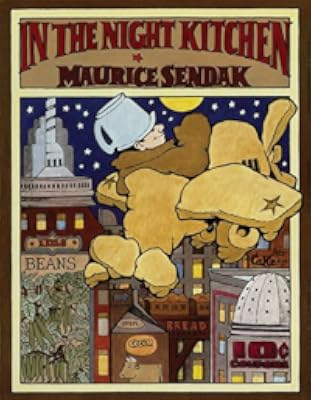
A little boy's dream-fantasy in which he helps three fat bakers get milk for their cake batter.Tags
Recommendations


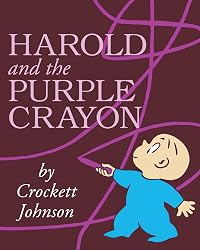
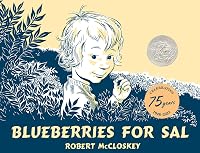
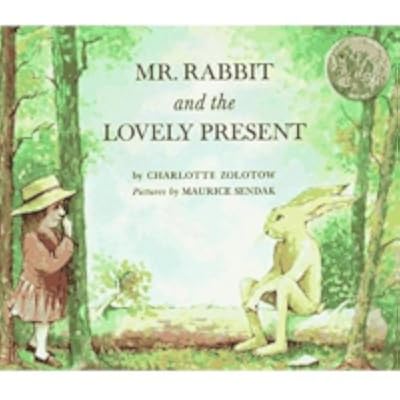
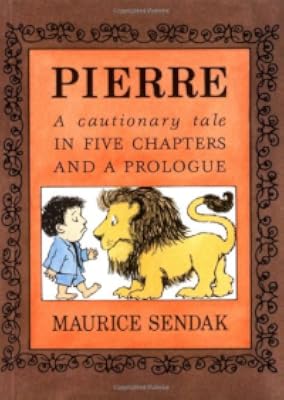

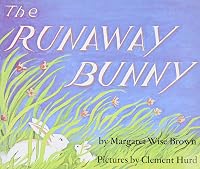
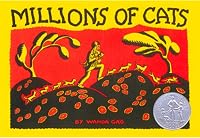
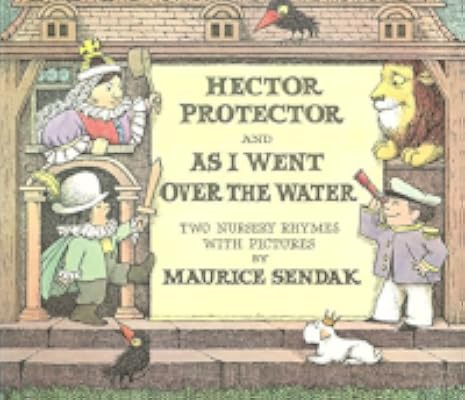
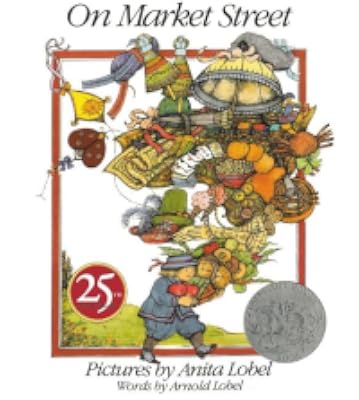

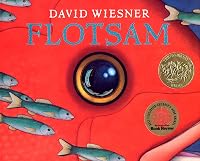
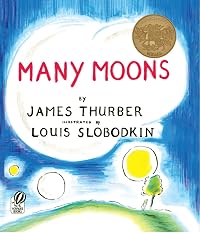
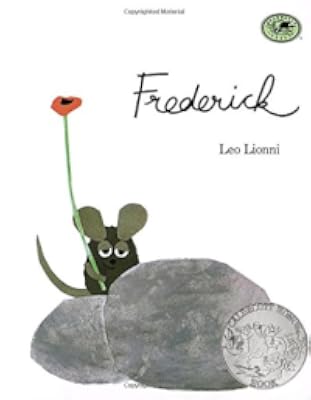
Member Recommendations
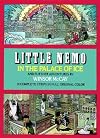
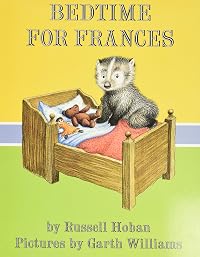
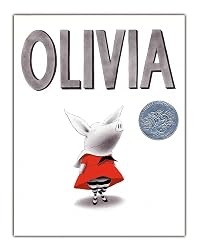
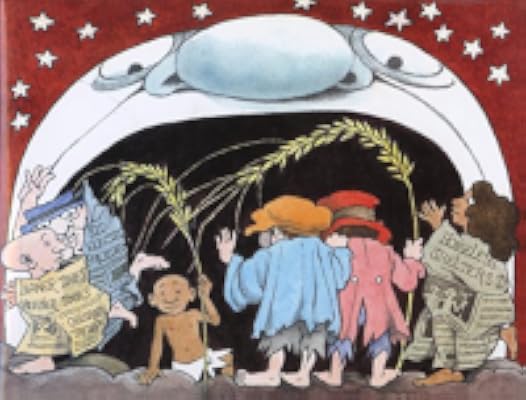
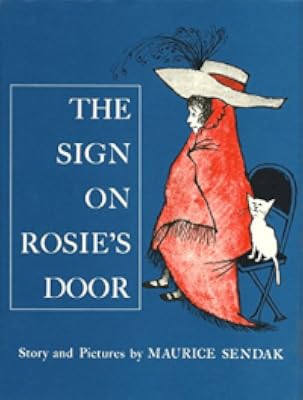
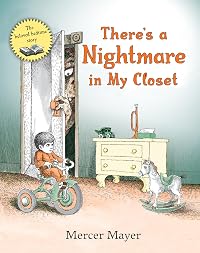
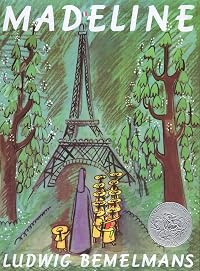
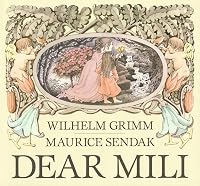
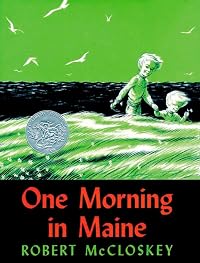
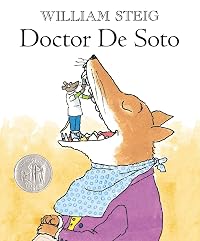
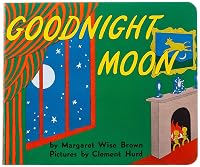
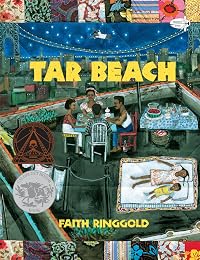
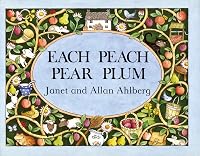
Sandydog1 Both works, by the same author, deal with the fantasy of night.
Member Reviews
Mickey travels to the night kitchen in his dreams and finds himself mixed into cake batter when the bakers confuse him with milk so he seeks to set the bakers straight and goes looking for the proper ingredient. As usual, Sendak's illustrations are stunningly detailed and inviting, creating a whimsical, imaginative backdrop for Mickey's midnight adventures. While In the Night Kitchen has been challenged for its depiction of Mickey's genitalia, I didn't find the illustrations offensive - indeed, I don't think Mickey's adventures would have made as much sense if he hadn't been nude since he spends a lot of time covered in cake batter and later immersed in a giant jug of milk. Had he been wearing clothing, the illustrations would not have show more flowed as smoothly and Mickey would be lacking the freedom that makes his actions in the night kitchen possible. The story is fun and silly, reminescent of the kind of fantasy a young child might invent as he drifts off to sleep. show less
Every word in this is pretty much perfect. Where the Wild Things Are is great, but it's also a bit more an adult's precious idea of how a kid is sometimes--the everydayness of this one, the way the kitchen and the Oliver Hardy chefs are totally mundane but also totally freaky, and all the things that happen make no sense but all in the service of breakfast ("and that's why we have cake every morning," Sendak says, straightfaced, and I wonder if they did or what?), and Mickey the kid chortles through it all and comes out of the batter looking like a dough octopus--there are worlds hidden behind the ones we know and nothing has any cause or effect but it's still all AWESOME--that's how I remember toddlerhood, as the midpoint between show more "Little Nemo" and Spirited Away. show less
In the Night Kitchen by Maurice Sendak is a picture book that encourages children to have creative imaginations through its own elaborate and wild plot line. The main theme or message this piece seeks to convey to readers is that childlike wonder and whimsical thinking or dreaming is incredible.
The main character, Mickey, is a young boy that wakes up from his slumber and falls into the night chefs’ cake batter in the night kitchen. The illustrations present the cake pan and the three bakers as very large objects. The city behind the bakers consists of boxes of ingredients and baking materials that seem huge with the use of perspective. Mickey proceeds to get baked into the cake in the large baking pan until he emerges from it and show more states that he is not the ingredients the bakers thought he was. He corrects their recipe and kneads the bread dough into a plane, which he then becomes the pilot of. Once he is the pilot, Mickey completes the rest of the recipe for the bakers since they could not figure it out for themselves in the first place, then drifts off to sleep while they bake up the batter the boy had crafted. Mickey becoming the pilot, or the leader, of the dough plane was symbolic for his leadership as the sole creator of the cake dough recipe. Mickey’s wild imagination and dream that led to the perfect cake the following day in the story challenged the norms of regular baking and presented an inventive new way to make cake batter. This encourages children to dream big and let their imaginations guide them.
Although I never dreamt I was a baker, I played with toys a lot when I was a child. I made my Barbies drive cars and fly even when I had neither right in front of me. I let my imagination run free as Mickey did, and I found new ways of playing and new ways to socialize like my Barbies did as I grew older. show less
The main character, Mickey, is a young boy that wakes up from his slumber and falls into the night chefs’ cake batter in the night kitchen. The illustrations present the cake pan and the three bakers as very large objects. The city behind the bakers consists of boxes of ingredients and baking materials that seem huge with the use of perspective. Mickey proceeds to get baked into the cake in the large baking pan until he emerges from it and show more states that he is not the ingredients the bakers thought he was. He corrects their recipe and kneads the bread dough into a plane, which he then becomes the pilot of. Once he is the pilot, Mickey completes the rest of the recipe for the bakers since they could not figure it out for themselves in the first place, then drifts off to sleep while they bake up the batter the boy had crafted. Mickey becoming the pilot, or the leader, of the dough plane was symbolic for his leadership as the sole creator of the cake dough recipe. Mickey’s wild imagination and dream that led to the perfect cake the following day in the story challenged the norms of regular baking and presented an inventive new way to make cake batter. This encourages children to dream big and let their imaginations guide them.
Although I never dreamt I was a baker, I played with toys a lot when I was a child. I made my Barbies drive cars and fly even when I had neither right in front of me. I let my imagination run free as Mickey did, and I found new ways of playing and new ways to socialize like my Barbies did as I grew older. show less
Banned Book Week 2017. This year I'm reading a few picture books that have been challenged for their content, this one due to the full frontal nudity of a male character.
If it weren't for the toddler's penis and the appropriation of the image of Oliver Hardy would anyone even remember this blah [b:Little Nemo in Slumberland|9461548|Little Nemo in Slumberland|Winsor McCay|https://images.gr-assets.com/books/1286309110s/9461548.jpg|384594] ripoff? Why bother banning something so forgettable?
Personal bias disclosure: I really, really, REALLY, REALLY hate dream sequences.
“Greta abides by the reasonable philosophy that there is nothing in the universe more boring than someone else's dreams.”
― Elan Mastai, All Our Wrong Todays
If it weren't for the toddler's penis and the appropriation of the image of Oliver Hardy would anyone even remember this blah [b:Little Nemo in Slumberland|9461548|Little Nemo in Slumberland|Winsor McCay|https://images.gr-assets.com/books/1286309110s/9461548.jpg|384594] ripoff? Why bother banning something so forgettable?
Personal bias disclosure: I really, really, REALLY, REALLY hate dream sequences.
“Greta abides by the reasonable philosophy that there is nothing in the universe more boring than someone else's dreams.”
― Elan Mastai, All Our Wrong Todays
Maurice Sendak's In the Night Kitchen tells the story of Mickey, a young boy who dreams of helping three bakers make a cake. The imaginative illustrations and dreamlike adventure make the book fun and unique. While the story can be a little strange, its creativity and artwork make it memorable. Overall, it's a classic children's book that encourages imagination and is worth reading.
This is a silly tale of Mickey that floats off his bed, naked and free to find out he is to become the most important ingredient in 3 bakers' cake! Sendak's use of cool colors create a quiet, dreamy, yet adventurous enviornoment for Mickey. Thick black outlines assist with the organic-like draiwing of the figures while they diminish in the background amongst the kitchen-themed cityscape. Some parents and children may be uncomfortable with the book for a few reasons. Mickey's clothes are removed and he is drawn with all his extremities, his white skin is associated with white milk as a requirement for the 3 bakers' cake, and there is a reference to God at the end of the story. Any of these reasons may pose concern; however I would not show more refrain from reading this book to a child or allowing a child to read this book on her/his own. Though these references may be considered inappopriate by some, others might adore this book for its silly references and childlike innocence of the story. show less
Mickey heard a racket downstairs and demanded quiet whereupon he fell through the dark and lost his clothes.
In a dream like trace, Mickey is transported into the light of the night kitchen were he meets three bakers. The bakers drawn by Sendak very much resemble Laurel and Hardy, with Nazi like mustaches.
Mixing Mickey in the batter, with little concern that he will be harmed, they attempt to bake him in the oven.
Mickey escapes in a pile of dough shaped like a plane, stealing the measuring cup, he finds a large bottle of milk and measures enough for the three bakers to make their morning cake, without him inside!
Mickey slides down the side of the giant milk bottle and is transported back into his bed.
This was, and continues to be a show more controversial book.
Many object to the fact that Mickey is fully nude with exposed genitals.
The large question is: Is child nudity "morally acceptable?"
Interestingly, this book is on the American Library Association list of books banned. It holds the place of 25th of the 100 most frequently challenged books.
Oh, gesh, I say to all those uptight librarians, dust off your pearls! show less
In a dream like trace, Mickey is transported into the light of the night kitchen were he meets three bakers. The bakers drawn by Sendak very much resemble Laurel and Hardy, with Nazi like mustaches.
Mixing Mickey in the batter, with little concern that he will be harmed, they attempt to bake him in the oven.
Mickey escapes in a pile of dough shaped like a plane, stealing the measuring cup, he finds a large bottle of milk and measures enough for the three bakers to make their morning cake, without him inside!
Mickey slides down the side of the giant milk bottle and is transported back into his bed.
This was, and continues to be a show more controversial book.
Many object to the fact that Mickey is fully nude with exposed genitals.
The large question is: Is child nudity "morally acceptable?"
Interestingly, this book is on the American Library Association list of books banned. It holds the place of 25th of the 100 most frequently challenged books.
Oh, gesh, I say to all those uptight librarians, dust off your pearls! show less
Members
- Recently Added By
Lists

Best children's picture books
377 works; 83 members

1001 Children's Books You Must Read Before You Grow Up
774 works; 101 members
Favorite Childhood Books
1,651 works; 519 members

Caldecott Honor Books
296 works; 23 members

Best Children's Books You've Read
197 works; 75 members

Banned Books Week 2014
268 works; 63 members
27 Books Parents Should Read to Their Kids Before They Grow Up
27 works; 7 members

Picture Book Library
49 works; 7 members

Geek Dad Read to Your Kids List
79 works; 4 members

ELED 460 Book List
61 works; 1 member

End of Your Life Book Club
134 works; 4 members

Written and Illustrated By
805 works; 1 member

Favorite Picture Books
479 works; 160 members
Our Favorite Banned Books
138 works; 122 members

Books Read in 2022
5,226 works; 115 members

Books About Boys
175 works; 15 members

A Smorgasbord of Culinary Fiction
221 works; 94 members

Banned or Challenged Books
400 works; 41 members

Published in 1970
58 works; 7 members

1970s
657 works; 23 members

A Child's Book Tour of New York City
57 works; 6 members

B-B to Get
131 works; 1 member
Author Information

96+ Works 68,047 Members
Maurice Sendak was born on June 10, 1928 in Brooklyn, New York. While in high school, he worked part time as an illustrator for All-American Comics adapting the Mutt and Jeff newspaper comic strip to a comic book format. His first professional illustrations were for a physics textbook, Atomics for the Millions, published in 1947. He later worked show more as a window-display director for F.A.O. Schwartz while attending night school at the Art Students League. In 1950, he illustrated his first children's book The Wonderful Farm by Marcel Aymé. He wrote his first children's book Kenny's Window in 1956 and went on to become a prolific author-illustrator. His works include Chicken Soup with Rice; In the Night Kitchen; Outside Over There; Higglety Pigglety Pop; The Sign on Rosie's Door; We Are All in the Dumps with Jack and Guy; Brundibar; Bumble Ardy; and My Brother's Book. He received numerous awards including the Caldecott medal for Where The Wild Things Are in 1964, the Hans Christian Andersen International Medal in 1970, the Laura Ingalls Wilder Award, and the National Medal of Arts in 1996. Characters from two of his books were the basis of an animated television special, Really Rosie, which first aired in 1975. He was also the set designer and lyricist for a subsequent off-Broadway musical of the same title. He was the lyricist, as well as the set and costume designer, for the original production of an opera based on Where The Wild Things Are in 1980. In addition, he has designed sets and costumes for performances of operas by Mozart, Prokofiev, and other classical composers. He died due to complications from a recent stroke on May 8, 2012 at the age of 83. (Bowker Author Biography) show less
All Editions
Some Editions
Awards and Honors
Awards
Distinctions
Notable Lists
Series

Work Relationships
Is contained in
Has the adaptation
Was inspired by
Common Knowledge
- Canonical title
- In the Night Kitchen
- Original publication date
- 1970
- People/Characters
- Mickey; Bakers
- Related movies
- In the Night Kitchen (1987 | IMDb)
- Dedication
- FOR SADIE AND PHILIP
- First words
- Did you ever hear of Mickey, how he heard a racket in the night and shouted “Quiet down there!”
- Last words
- (Click to show. Warning: May contain spoilers.)And that’s why, thanks to Mickey we have cake every morning.
- Original language
- English
Classifications
Statistics
- Members
- 3,182
- Popularity
- 5,451
- Reviews
- 124
- Rating
- (3.91)
- Languages
- 13 — Catalan, Dutch, English, Finnish, French, German, Italian, Japanese, Korean, Maori, Portuguese, Spanish, Swedish
- Media
- Paper, Audiobook, Ebook
- ISBNs
- 58
- UPCs
- 1
- ASINs
- 28