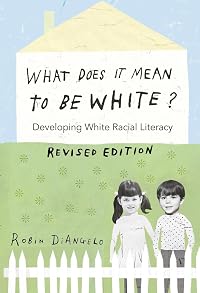
What Does It Mean to Be White? Developing White Racial Literacy
by Robin DiAngelo
On This Page
Description
What does it mean to be white in a society that proclaims race meaningless, yet is deeply divided by race? In the face of pervasive racial inequality and segregation, most white people cannot answer that question. In the 2nd edition of this seminal text, Dr. DiAngelo reveals the factors that make this question so difficult: mis-education about what racism is; ideologies such as individualism and colorblindness; segregation; and the belief that to be complicit in racism is to be an immoral show more person. These factors contribute to what she terms white racial illiteracy. Speaking as a white person to other white people, DiAngelo clearly and compellingly takes readers through an analysis of white socialization. Weaving research, analysis, stories, images, and familiar examples, she provides the framework needed to develop white racial literacy. She describes how race shapes the lives of white people, explains what makes racism so hard to see, identifies common white racial patterns, and speaks back to popular narratives that work to deny racism. Written as an accessible overview on white identity from an anti-racist framework, What Does It Mean to Be White? is an invaluable resource for members of diversity and anti-racism programs and study groups, and students of sociology, psychology, education, and other disciplines. --Amazon.com. show lessTags
Recommendations
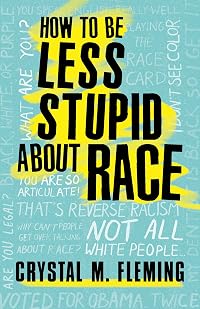
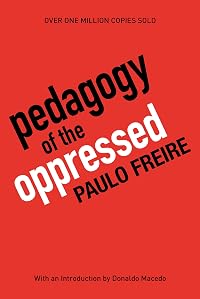
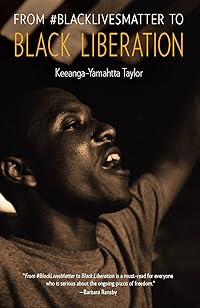
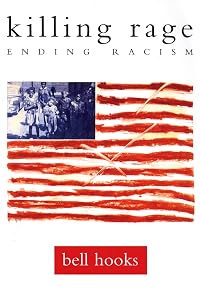

Member Reviews
Best for: White people interested in antiracism work (so, hopefully, all white people, but I’m not that naive).
In a nutshell: Academic (and white person) Robin DiAngelo breaks down many of the problems white people have in confronting our own socialization in the racist reality we live in.
Line that sticks with me: “Because of white social, economic, and political power within a white supremacist culture, whites are in the position to legitimize people of color’s assertions of racism. Yet whites are the least likely to see, understand, or be invested in validating those assertions and being honest about their consequences. This leads whites to claim that they disagree with perspectives that challenge their worldview when, in fact, show more they don’t understand the perspective - thus confusing not understanding with not agreeing.”
Why I chose it: Dr. DiAngelo led a training at my office a few months ago, and it was both brutal and fantastic. During her introduction, she made a comment along the lines of this: “I have spent years researching race and racism. I’ve taught college courses and workplace trainings, and have a PhD in the work. But that said, I welcome challenges and corrections from any person of color in this audience. However, I do not welcome the same from the white people in this room, because I can almost guarantee that none of you have spent as much time thinking about racism as I have.” One friend called that cocky, and it possibly put a lot of white people in the room on the defensive. But really, I think that statement is going to be true 99.9% of the time when talking about race and racism.
Review: This book is nearly 350 pages long, and while it is written by an academic, Dr. DiAngelo makes it as accessible as possible. The target audience is white people, because we are the ones who need an education in how we are socialized in a racist society, and the implications it has for how we navigate the world and contribute to it.
The first half of the book may seem somewhat elementary to folks who aren’t brand new to antiracism work, but it is necessary and I found it mostly interesting to read. Each section starts with a couple of quotes from white students she taught - they are responses to questions she asks at the start of the term, and the quotes are startling both in their lack of depth and their similarity to each other. Nearly without fail, the students grew up in segregated all-white neighborhoods, with parents who taught them “everyone is equal.” They all say they aren’t racist, and that racism doesn’t play a role in their lives.
Mmm hmm.
It’s hard to write a review without rewriting each of the chapters, because they build upon each other well. Dr. DiAngelo doesn’t even get to defining race or racism until a third of the way through the book, but it works. She eases readers in with examples of sexism, which she likely thinks white people are more willing to accept as a reality. Each chapter builds upon what she introduces in the previous one, making it easier to bring all the components together.
Some chapters really stand out, including the one on intersecting identities using class as an example. Ms. DiAngelo grew up poor, and so is well-positioned to offer rejection of the idea that ‘it’s really class, not race, that matters.’
The final chapters, however, are what I found to be the most interesting. Discussions about white fragility, white narratives that deny racism (and appropriate ways to shut them down), the real problem with repeating certain stories, and the danger of white silence are all relevant to those of us who are white and invested in antiracism work. You will cringe because you or people you love will have said or done most or all of these things, but Dr. DiAngelo wants you to get beyond the defensiveness that comes from a place where white people act like being called racist is worse than doing something racist.
One caveat - if you are someone who is white but grew up in a home where racism was discussed in depth (as literally one of my white friends was), and grew up with and still have many cross-racial relationships, this might not give you what you need to take your antiracism work to the next level. show less
In a nutshell: Academic (and white person) Robin DiAngelo breaks down many of the problems white people have in confronting our own socialization in the racist reality we live in.
Line that sticks with me: “Because of white social, economic, and political power within a white supremacist culture, whites are in the position to legitimize people of color’s assertions of racism. Yet whites are the least likely to see, understand, or be invested in validating those assertions and being honest about their consequences. This leads whites to claim that they disagree with perspectives that challenge their worldview when, in fact, show more they don’t understand the perspective - thus confusing not understanding with not agreeing.”
Why I chose it: Dr. DiAngelo led a training at my office a few months ago, and it was both brutal and fantastic. During her introduction, she made a comment along the lines of this: “I have spent years researching race and racism. I’ve taught college courses and workplace trainings, and have a PhD in the work. But that said, I welcome challenges and corrections from any person of color in this audience. However, I do not welcome the same from the white people in this room, because I can almost guarantee that none of you have spent as much time thinking about racism as I have.” One friend called that cocky, and it possibly put a lot of white people in the room on the defensive. But really, I think that statement is going to be true 99.9% of the time when talking about race and racism.
Review: This book is nearly 350 pages long, and while it is written by an academic, Dr. DiAngelo makes it as accessible as possible. The target audience is white people, because we are the ones who need an education in how we are socialized in a racist society, and the implications it has for how we navigate the world and contribute to it.
The first half of the book may seem somewhat elementary to folks who aren’t brand new to antiracism work, but it is necessary and I found it mostly interesting to read. Each section starts with a couple of quotes from white students she taught - they are responses to questions she asks at the start of the term, and the quotes are startling both in their lack of depth and their similarity to each other. Nearly without fail, the students grew up in segregated all-white neighborhoods, with parents who taught them “everyone is equal.” They all say they aren’t racist, and that racism doesn’t play a role in their lives.
Mmm hmm.
It’s hard to write a review without rewriting each of the chapters, because they build upon each other well. Dr. DiAngelo doesn’t even get to defining race or racism until a third of the way through the book, but it works. She eases readers in with examples of sexism, which she likely thinks white people are more willing to accept as a reality. Each chapter builds upon what she introduces in the previous one, making it easier to bring all the components together.
Some chapters really stand out, including the one on intersecting identities using class as an example. Ms. DiAngelo grew up poor, and so is well-positioned to offer rejection of the idea that ‘it’s really class, not race, that matters.’
The final chapters, however, are what I found to be the most interesting. Discussions about white fragility, white narratives that deny racism (and appropriate ways to shut them down), the real problem with repeating certain stories, and the danger of white silence are all relevant to those of us who are white and invested in antiracism work. You will cringe because you or people you love will have said or done most or all of these things, but Dr. DiAngelo wants you to get beyond the defensiveness that comes from a place where white people act like being called racist is worse than doing something racist.
One caveat - if you are someone who is white but grew up in a home where racism was discussed in depth (as literally one of my white friends was), and grew up with and still have many cross-racial relationships, this might not give you what you need to take your antiracism work to the next level. show less
One of the best, most challenging and eye-opening books I have ever read. I cannot recommend it highly enough. It took me a awhile to work my way through it simply because there's so much there. The writing is engaging and I feel like the author really takes the reader on a journey in unpacking what it means to be white, from defining some critical key concepts, to more advanced ideas about how to wrestle with racism. The author's humility and patient - yet determined - persistence with herself is inspiring and hopeful. There were times reading this when I felt really overwhelmed with the scope and tenacity of the problem, and her final words pack a powerful punch.
"If I give up because it's too hard or too big or because I believe it show more will never end, it still serves me as a white person: the impact of my hopelessness is not the same as that of a person of color's. White hopelessness ultimately protects racism if it keeps us from challenging it. When I remember this, I find the motivation to keep going." show less
"If I give up because it's too hard or too big or because I believe it show more will never end, it still serves me as a white person: the impact of my hopelessness is not the same as that of a person of color's. White hopelessness ultimately protects racism if it keeps us from challenging it. When I remember this, I find the motivation to keep going." show less
If you teach, you must read this book. Robin DiAngelo notes that most individuals who enter teacher education are white, came from white neighborhoods and were educated in white schools by white teachers. Increasingly, they teach a diverse plethora of students but have no concept how to talk about race in a productive manner. This book is the product of years of antiracist work on her part.
As a white woman who has for the last several years identified as an ally, I found this book helpful and instructive. I'm anxious about saying "the wrong thing," and so sometimes I forget just to engage at a personal level at all. DiAngelo helpfully reminded me that I'm not always going to get it right, and that when I do receive corrective feedback, show more I'll (hopefully) be embarrassed for messing up. But it's better than not trying. I recommend this book if you are seeking to improve your allyship or if you are looking to be an ally in the first place. show less
As a white woman who has for the last several years identified as an ally, I found this book helpful and instructive. I'm anxious about saying "the wrong thing," and so sometimes I forget just to engage at a personal level at all. DiAngelo helpfully reminded me that I'm not always going to get it right, and that when I do receive corrective feedback, show more I'll (hopefully) be embarrassed for messing up. But it's better than not trying. I recommend this book if you are seeking to improve your allyship or if you are looking to be an ally in the first place. show less
Ratings
Members
- Recently Added By
Lists

List of Removed Books from Nimitz Library
353 works; 1 member
Author Information

9+ Works 6,307 Members
Series
Belongs to Publisher Series
Common Knowledge
- Canonical title
- What Does It Mean to Be White? Developing White Racial Literacy
- Original publication date
- 2017-03-27
Classifications
- Genres
- Anthropology, Nonfiction, General Nonfiction
- DDC/MDS
- 305.809 — Society, government, & culture Social sciences, sociology & anthropology Social group - Age, Gender, Ethnicity Ethnic and national groups standard subdivisions / Ethnic and national groups with ethnic origins from more than one continent, of European descent
- LCC
- HT1575 .D53 — Social sciences Communities. Classes. Races Communities. Classes. Races Races
- BISAC
Statistics
- Members
- 147
- Popularity
- 223,237
- Reviews
- 3
- Rating
- (4.32)
- Languages
- English
- Media
- Paper, Ebook
- ISBNs
- 5
- ASINs
- 1