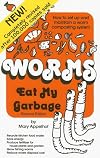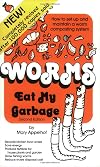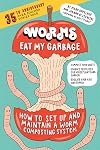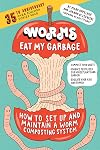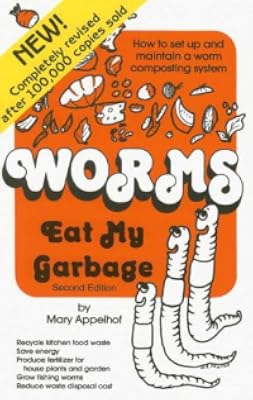
Worms Eat My Garbage
by Mary Appelhof
On This Page
Description
For more than three decades, this best-selling guide to the practice of vermicomposting has taught people how to use worms to recycle food waste into nutrient-rich fertilizer for houseplants or gardens. Small-scale, self-contained worm bins can be kept indoors, in a basement, or even under the kitchen sink in an apartment-making vermicomposting a great option for city dwellers and anyone who doesn't want or can't have an outdoor compost pile. The fully revised 35th anniversary edition show more features the original's same friendly tone, with up-to-date information on the entire process, from building or purchasing a bin (readily available at garden supply stores) to maintaining the worms and harvesting the finished compost. The classic guide to vermicomposting-using worms to recycle food waste into nutrient-rich fertilizer for plants-is now revised and updated for today's eco-conscious recyclers and gardeners. Let Worms Do the Work Don't let your food waste go to waste! With a little help from a family of worms, you can turn all your kitchen scraps and leftovers into rich, valuable vermicompost for your garden and houseplants. Keeping a self-contained worm bin and harvesting the compost your worms produce is clean, easy, and productive with this classic guide, fully updated. Foreword by Amy Stewart Preface The Worm Composter Checklist 1 It Starts with a Worm 2 Getting Started 3 Choosing the Right Worm Bin 4 Choosing the Right Bedding Material 5 Using the Right Kind of Worms 6 Acquiring Your Worms 7 Setting Up Your Worm Bin 8 What Can Your Worms Eat? 9 Taking Care of Your Worms 10 Frequently Asked Questions 11 Other Critters and Pests 12 How to Use Your Vermicompost 13 Treating Waste as a Resource Appendix A: Record Sheet Appendix B: Annotated References Metric Conversions Appendix C: How Many Worms in an Acre or a Hectare? Glossary Bibliography Acknowledgments Resources Index. show lessTags
Recommendations
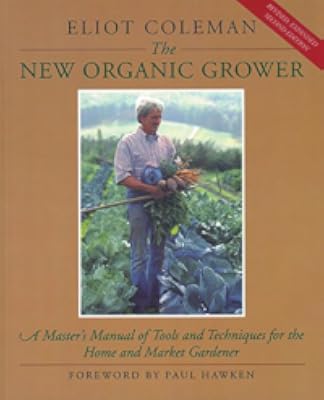
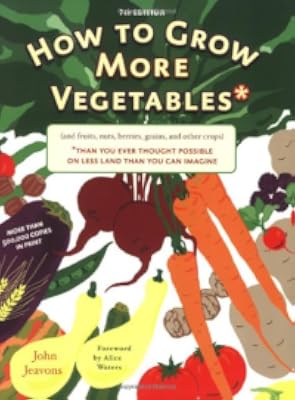
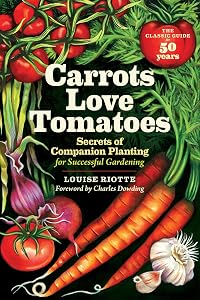

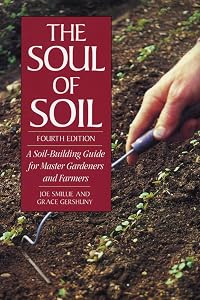






Member Recommendations
Member Reviews
"For anyone interested in urban homesteading, gardening, recycling, composting, or just making your garbage smell less, this is the perfect book for you. Appelhof introduces vermicomposting (worm composting) in a clear, easy-to-understand manner, without over simplifiying. There are many options and techniques for this wonderful process, and she gives you all the options. The writing is well-organizes, entertaining, and spare. I used the book to refine my own worm composter and have seen improvments in my bin. Highly recommended!"
This little book is the definitive manual about keeping worms for vermicomposting. All of the gardening books I've read that mention worm farming point to this book, so I finally waited my turn to borrow it from the library. It's got all the basic information you need to set up a worm-composting system, and more than that, too. What kind of container to make or buy, what kind of bedding to use, how to set it up, where to keep it, how to maintain temperature and moisture, what kind of environment the worms need, how to manage the system depending on if you want worms for fishing bait or good black compost or both (or even if you want to raise worms for sale) and so on. What you can put in your vermiculture box, and what you can expect to show more get out of it. Charts and weights and volumes of input and output. Even some details on the biology of worms and different species. Lots of reference material in the back for further reading in whatever direction you want to take this interest. This is one of those books I found so useful on the first reading I immediately looked for a copy to add to my personal library (now found). Got my own worm bin started and it's been doing well for years now. Thanks in part to this book which made me realize it's not that hard, just get started.
from the Dogear Diary show less
from the Dogear Diary show less
For anyone interested in urban homesteading, gardening, recycling, composting, or just making your garbage smell less, this is the perfect book for you. Appelhof introduces vermicomposting (worm composting) in a clear, easy-to-understand manner, without over simplifiying. There are many options and techniques for this wonderful process, and she gives you all the options. The writing is well-organizes, entertaining, and spare. I used the book to refine my own worm composter and have seen improvments in my bin. Highly recommended!
I liked this book it was a simple guide to keeping worms that gave very easy to follow practical guides. I really liked that the author knew people would have different goals for their worm bins and created several different plans that accommodated those different goals
Great explanation of how to vermicompost! I use a ready-made worm bin kit, which makes things somewhat easier than building one from scratch. It's very cool!
Everything you need to know about starting and maintaining a worm bin! (We also lent it to our neighbors to assuage their anxiety about sharing space with a worm bin.) Useful, short, readable.
Highly detailed and practical guide to vermicomposting. Plenty of scientific explanation for those who want it.
Members
- Recently Added By
Author Information

3 Works 790 Members
Common Knowledge
- Canonical title
- Worms Eat My Garbage
- Original publication date
- 1982
- First words
- Foreword
Worms eat my garbage. They've been eating it for the past twenty-five years.
Chapter 1: What Should I Call It?
Some people use the term "home vermicomposting system" because it sounds more sophisticated than "worm bin." They are right on both counts; it is sophisticated, and it is a system. - Last words
- (Click to show. Warning: May contain spoilers.)Their production of natural manure has been creating and improving soils for millions of years.
- Blurbers
- Seeger, Pete; Szerlag, Nancy; Raver, Anne; Buckerfield, John
Classifications
Statistics
- Members
- 707
- Popularity
- 40,143
- Reviews
- 9
- Rating
- (3.89)
- Languages
- English, French
- Media
- Paper, Ebook
- ISBNs
- 8
- ASINs
- 6