On This Page
Description
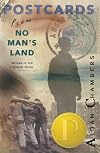
Alternates between two stories--contemporarily, seventeen-year-old Jacob visits a daunting Amsterdam at the request of his English grandmother--and historically, nineteen-year-old Geertrui relates her experience of British soldiers's attempts to liberate Holland from its German occupation.Tags
Recommendations











Member Recommendations
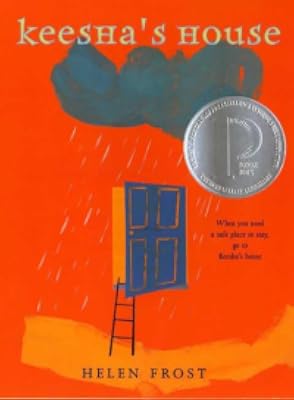
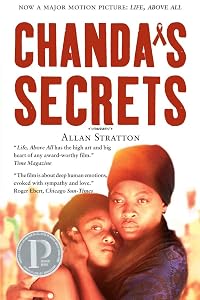
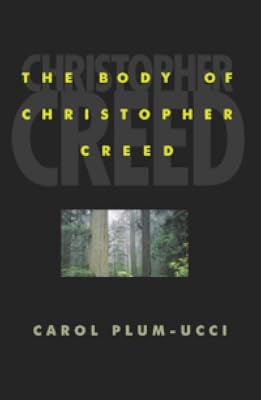
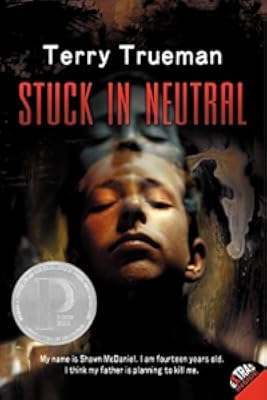
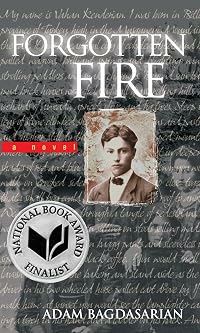
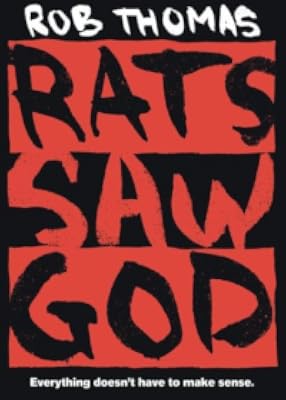
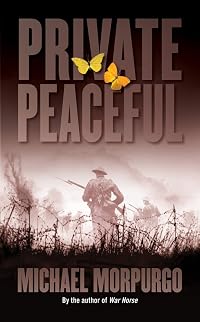
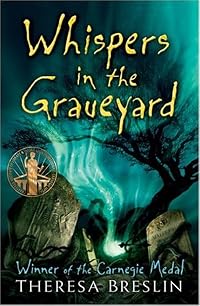
jayne_charles Astonishing similarities between these two books
Member Reviews
“Nothing in Amsterdam is what it appears to be.” This is a note that seventeen year old Jacob receives from a boy that he thought was a girl, after they finish having a beer together, and just before his coat and money are stolen. All this happens within the first ten pages of this novel, which follows both Jacob in modern Amsterdam and a teenage girl named Geertrui, living in Holland during World War II.
Geertrui narrates her story in alternating chapters, while Jacob’s is presented in third person. Both begin as somewhat naïve characters, but quickly find themselves in situations where they are forced into situations which require mature thinking. Geertrui is a sheltered nineteen year old girl living with her parents in a small show more village in Holland when the Germans invade. She finds herself nursing British soldiers, including one named Jacob. Along with her brother, his best friend, and Jacob, she escapes to a farm outside the village, where they attempt to stay concealed for as long as possible. Meanwhile, the modern Jacob finds himself at the mercy of a kindly woman who helps him contact the people he is supposed to be meeting up with, a young man named Daan, and his mother, Tessel. Tessel remains offstage for sometime, with her mother, who is terminally ill, so Daan is the one who shows Jacob around. He also happens to be friends with the young man who Jacob encountered earlier, which makes for a delightfully awkward and confusing conversation over coffee.
The reader will understand the connection between the two stories long before the narrative brings them together. Both Geertrui and Jacob have sexual experiences and encounters which require them to rethink their previous ideas and assumptions. Geertrui is a thoughtful and eloquent writer, and quotes from poems and English proverbs litter her story. Jacob has long been drawn to the writings of Anne Frank, and in a few chapters, expounds on how important reading her diary has been to him. After having visited her house, it causes him to reflect on how personal he has made her writing.
This is a well-written historical novel, with strong male and female characters. Because of the issues discussed by and encountered by different characters, I would recommend it to older or mature teens only. show less
Geertrui narrates her story in alternating chapters, while Jacob’s is presented in third person. Both begin as somewhat naïve characters, but quickly find themselves in situations where they are forced into situations which require mature thinking. Geertrui is a sheltered nineteen year old girl living with her parents in a small show more village in Holland when the Germans invade. She finds herself nursing British soldiers, including one named Jacob. Along with her brother, his best friend, and Jacob, she escapes to a farm outside the village, where they attempt to stay concealed for as long as possible. Meanwhile, the modern Jacob finds himself at the mercy of a kindly woman who helps him contact the people he is supposed to be meeting up with, a young man named Daan, and his mother, Tessel. Tessel remains offstage for sometime, with her mother, who is terminally ill, so Daan is the one who shows Jacob around. He also happens to be friends with the young man who Jacob encountered earlier, which makes for a delightfully awkward and confusing conversation over coffee.
The reader will understand the connection between the two stories long before the narrative brings them together. Both Geertrui and Jacob have sexual experiences and encounters which require them to rethink their previous ideas and assumptions. Geertrui is a thoughtful and eloquent writer, and quotes from poems and English proverbs litter her story. Jacob has long been drawn to the writings of Anne Frank, and in a few chapters, expounds on how important reading her diary has been to him. After having visited her house, it causes him to reflect on how personal he has made her writing.
This is a well-written historical novel, with strong male and female characters. Because of the issues discussed by and encountered by different characters, I would recommend it to older or mature teens only. show less
This engaging story flips between the story of young Jacob and elderly Geertrui.
Jacob is visiting Amsterdam for the first time to commemorate the Battle of Arnhem, and his grandfather who fought and died in World War I. Geertrui is dying in hospital, and telling the story of her experiences during the war, where she met Jacob's grandfather.
There are some pretty heavy ideas here - the shape and nature of love and sexuality, the burden of secrets and the danger of confessions, the effects of euthanasia on the loved ones left behind, the potentially damaging love of parents. But Jacob's very real confusion, his moodiness, and this self conciousness keep the story racing along, it doesn't get bogged down in issues.
I had a few problems - show more Jacob is so self concious, yet apparently so charismatic that strangers instantly take to him. It's hard to see how he manages to be the loner he sees himself as. And the big family secret is easy to guess, but luckily the books doesn't depend on that suspense to hold your interest.
While not the focus of the book, this is also a deft portrayal of bisexuality and polyamory, where the relationships depend very much on the individuals, not on stereotypes.
I'd give this to teens interested in history, in World War II, who like family secret stories, looking for stories with interesting queer characters. show less
Jacob is visiting Amsterdam for the first time to commemorate the Battle of Arnhem, and his grandfather who fought and died in World War I. Geertrui is dying in hospital, and telling the story of her experiences during the war, where she met Jacob's grandfather.
There are some pretty heavy ideas here - the shape and nature of love and sexuality, the burden of secrets and the danger of confessions, the effects of euthanasia on the loved ones left behind, the potentially damaging love of parents. But Jacob's very real confusion, his moodiness, and this self conciousness keep the story racing along, it doesn't get bogged down in issues.
I had a few problems - show more Jacob is so self concious, yet apparently so charismatic that strangers instantly take to him. It's hard to see how he manages to be the loner he sees himself as. And the big family secret is easy to guess, but luckily the books doesn't depend on that suspense to hold your interest.
While not the focus of the book, this is also a deft portrayal of bisexuality and polyamory, where the relationships depend very much on the individuals, not on stereotypes.
I'd give this to teens interested in history, in World War II, who like family secret stories, looking for stories with interesting queer characters. show less
I feel in love with this book at first reading, and have reread it for the sheer joy of it several times since.
There are really two stories in this novel. One is the story of Jacob, visiting Amsterdam on behalf of his deceased grandfather who served there in WWII. He intends to stay with the woman who sheltered his grandfather, Gertruii, but she is in hospital, so he finds himself staying with her grandson instead.
Jacob is in love with the idea of Amsterdam, mostly because he is more or less in love with Anne Frank -- predictable that a boy who has so much trouble with human relationships is in love with a dead girl. Fortunately, while the Anne Frank house is not quite what he expects it to be, neither is Amsterdam. In Amsterdam Jacob show more will finally flower, learning about himself and about love.
The other story follows the history of Gertruii, who shelters Jacob's grandfather, a British soldier who parachutes into Holland during WWII. Mostly it is the story of Gertruii in WWII, who, when war comes blazing into her home, learns a little more about the world, and about love.
And that is mostly what this novel is. It may be called by some a historical fiction novel or a LGBT novel or whatever, but it is a story about love and the many varieties there are of it. show less
There are really two stories in this novel. One is the story of Jacob, visiting Amsterdam on behalf of his deceased grandfather who served there in WWII. He intends to stay with the woman who sheltered his grandfather, Gertruii, but she is in hospital, so he finds himself staying with her grandson instead.
Jacob is in love with the idea of Amsterdam, mostly because he is more or less in love with Anne Frank -- predictable that a boy who has so much trouble with human relationships is in love with a dead girl. Fortunately, while the Anne Frank house is not quite what he expects it to be, neither is Amsterdam. In Amsterdam Jacob show more will finally flower, learning about himself and about love.
The other story follows the history of Gertruii, who shelters Jacob's grandfather, a British soldier who parachutes into Holland during WWII. Mostly it is the story of Gertruii in WWII, who, when war comes blazing into her home, learns a little more about the world, and about love.
And that is mostly what this novel is. It may be called by some a historical fiction novel or a LGBT novel or whatever, but it is a story about love and the many varieties there are of it. show less
Details the parallel stories of a Dutch woman falling in love with an English soldier whom she nurses and hides during WWII and of a young man visiting Amsterdam for the first time while dealing with his occasional bouts of depression, his social anxiety and his sexuality. The two plots are joined by the relationship of the young man (grandson) and the soldier (grandfather).
There are good things about this one (the stories are good and I enjoyed the way in which they are entwined), but Chambers tries to do too much here, taking on not only the telling of two separate tales and the fleshing out of two main characters, but also trying to add a history of a specific instance during the war via direct quotes from first-hand accounts, along show more with philosophical dialogue on the nature of love, the pointlessness of war and even a slightly hackneyed pro-and-con on euthanasia. The result feels disjointed and cluttered. show less
There are good things about this one (the stories are good and I enjoyed the way in which they are entwined), but Chambers tries to do too much here, taking on not only the telling of two separate tales and the fleshing out of two main characters, but also trying to add a history of a specific instance during the war via direct quotes from first-hand accounts, along show more with philosophical dialogue on the nature of love, the pointlessness of war and even a slightly hackneyed pro-and-con on euthanasia. The result feels disjointed and cluttered. show less
[This is a review I wrote in 2008]
**A thoughtful and serious novel of teenage self-discovery. Carnegie Medal winner in 1999.**
'Growing up is, after all, only the understanding that one's unique and incredible experience is what everyone shares.' (Doris Lessing, "The Golden Notebook"). - a quote taken from one of the chapter headings; snippets that Jacob's grandmother sends to him each week on a postcard.
With one central theme - the theme of love - there are two main stories to follow. Primarily, the story is about 17-year-old Jacob Todd from England, who lives with his grandmother Sarah, and is now visiting the Netherlands for the first time for the commemoration of the Battle of Arnhem, where his grandfather fought in the Second World show more War. Jacob is visiting a Dutch family, at his grandmother's request, as she has hurt her hip and is unable to travel for the Arnhem commemorations. The eldest member of the family is the terminally ill Geertrui, and it's Geertrui's story of her experiences during the war that make up the other story throughout the novel.
Jacob begins his holiday with mixed feelings. He feels like an intruder into Geertrui's family, a stranger in a strange place. Even his long-held love for Anne Frank, through obsessive reading of her Diary, feels different after he has visited her house in Amsterdam. Jacob's brief holiday becomes a journey of self-discovery, encountering a gay friend, an elderly lady he befriends when she helps him after he is mugged, the liberal lifestyle of Daan (the son of the family he is visiting), the emotions of the Arnhem commemorations and his encounter with a girl to whom he feels instantly attracted, not to mention his exploration of the subject of euthanasia after meeting the terminally ill Geertrui. Through all of his experiences, Jacob finds he has begun to fall in love with the city of Amsterdam itself.
Where Jacob's story is one of discovery, Geertrui's story of her time as a young woman during the occupation is one of intensity, and living each day one day at a time. Geertrui's story is told in the first person, looking back from her elderly years to the most significant time of her life. Geertrui makes you feel and live those days with her. Her worries are your worries; the immediacy of war is brought vividly to the reader to share and experience with the young Geertrui. Of her story - well, you must read the book to find out more!
A very rewarding read for sophisticated teens, especially those beginning to question the world and how they fit into the whole. Exploration of themes of sexuality, morals, personality, appearances, life, death, friendships and more, show how there is a place for everyone, however different. I would recommend the book for ages 12+, adults included. show less
**A thoughtful and serious novel of teenage self-discovery. Carnegie Medal winner in 1999.**
'Growing up is, after all, only the understanding that one's unique and incredible experience is what everyone shares.' (Doris Lessing, "The Golden Notebook"). - a quote taken from one of the chapter headings; snippets that Jacob's grandmother sends to him each week on a postcard.
With one central theme - the theme of love - there are two main stories to follow. Primarily, the story is about 17-year-old Jacob Todd from England, who lives with his grandmother Sarah, and is now visiting the Netherlands for the first time for the commemoration of the Battle of Arnhem, where his grandfather fought in the Second World show more War. Jacob is visiting a Dutch family, at his grandmother's request, as she has hurt her hip and is unable to travel for the Arnhem commemorations. The eldest member of the family is the terminally ill Geertrui, and it's Geertrui's story of her experiences during the war that make up the other story throughout the novel.
Jacob begins his holiday with mixed feelings. He feels like an intruder into Geertrui's family, a stranger in a strange place. Even his long-held love for Anne Frank, through obsessive reading of her Diary, feels different after he has visited her house in Amsterdam. Jacob's brief holiday becomes a journey of self-discovery, encountering a gay friend, an elderly lady he befriends when she helps him after he is mugged, the liberal lifestyle of Daan (the son of the family he is visiting), the emotions of the Arnhem commemorations and his encounter with a girl to whom he feels instantly attracted, not to mention his exploration of the subject of euthanasia after meeting the terminally ill Geertrui. Through all of his experiences, Jacob finds he has begun to fall in love with the city of Amsterdam itself.
Where Jacob's story is one of discovery, Geertrui's story of her time as a young woman during the occupation is one of intensity, and living each day one day at a time. Geertrui's story is told in the first person, looking back from her elderly years to the most significant time of her life. Geertrui makes you feel and live those days with her. Her worries are your worries; the immediacy of war is brought vividly to the reader to share and experience with the young Geertrui. Of her story - well, you must read the book to find out more!
A very rewarding read for sophisticated teens, especially those beginning to question the world and how they fit into the whole. Exploration of themes of sexuality, morals, personality, appearances, life, death, friendships and more, show how there is a place for everyone, however different. I would recommend the book for ages 12+, adults included. show less
I loved this book, however I must admit that I quickly lost interest in the narrative of Geertrui and her experiences in the war. I would have much preferred if it had simply been about the adolescent adventures of its protagonist in Amsterdam. I really liked Chamber's portrayal of a young british man in Holland and his encounters with the local 'culture'. I take my hat off to Chambers for his treatment of the relationship between Ton and Jacob, as he manages to present a relationship outside of the heterosexual norm, yet without slipping into the cliche of the "LGBT novel".
As a young man about to partake in a degree in Dutch Studies, I particularly admired the snippets of dutch and amsterdam culture, such as the encounter with the show more portrait of Theo, which for me made the novel more authentic, and increased my eagerness to travel to Holland and explore it for myself.
I'm currently re-reading it, though I admit I am skipping out most of the passages concerning young Geertrui, which would maybe serve as a seperate novel in themselves. show less
As a young man about to partake in a degree in Dutch Studies, I particularly admired the snippets of dutch and amsterdam culture, such as the encounter with the show more portrait of Theo, which for me made the novel more authentic, and increased my eagerness to travel to Holland and explore it for myself.
I'm currently re-reading it, though I admit I am skipping out most of the passages concerning young Geertrui, which would maybe serve as a seperate novel in themselves. show less
Jacob Todd has always been a bit in love with Anne Frank. When his grandmother is unable to travel to Amsterdam to attend a WWII anniversary memorial, he willingly goes in her place. What waits for Todd is more than he could have ever imagined. The truth about his grandfather's actions and what happened with the Dutch family who hid him from the Germans. The telling of the tale, and the people who tell it, unsettle Jacob deeply and he must discover how to move forward.
Yes, another YA WWII book for my collection, I do enjoy them. The historic tale was much as I imagined it would be. The book was sprinkled with several Dutch phrases which I found interesting, nice local color. The modern part of the story was more than I bargained for. A show more little preachy, I thought, about 'free love' and how unnecessary the institution of marriage is. I wouldn't recommend it for young teens. show less
Yes, another YA WWII book for my collection, I do enjoy them. The historic tale was much as I imagined it would be. The book was sprinkled with several Dutch phrases which I found interesting, nice local color. The modern part of the story was more than I bargained for. A show more little preachy, I thought, about 'free love' and how unnecessary the institution of marriage is. I wouldn't recommend it for young teens. show less
Members
- Recently Added By
Published Reviews
Great book to curl up with, blankets & cocoa required.
added by MunchkinMommy
Lists

Recommend the 20 best books you've read in the last five years
2,168 works; 606 members

Modern Books for Young Adults
87 works; 11 members

Carnegie Medal books I've read (shortlist and winners)
86 works; 17 members

Carnegie Medal Winners In Order
85 works; 1 member
Author Information

81+ Works 3,178 Members
Some Editions
Awards and Honors
Awards
Distinctions
Series

Belongs to Publisher Series
En bok för alla (2007)
Common Knowledge
- Canonical title
- Postcards from No Man's Land
- Original publication date
- 1999
- People/Characters
- Geertrui; Jacob Todd; Daan; Ton; Alma; Hille (show all 9); Tessel; Anne Frank; Dirk
- Important places
- Amsterdam, North Holland, Netherlands
- Important events
- World War II (1939 | 1945); Operation Market Garden (1944-09-17 | 1944-09-25); World War II, German Occupation of the Netherlands
- First words
- Not knowing his way around, he set off back the way he had come. But changed his mind about picking up a tram to the railway station, not yet ready to return to Haarlem, and kept on walking along the canal, the Prinsengracht... (show all), still too jangled by what he had just seen to notice where he was and too preoccupied to wonder where he was going.
- Last words
- (Click to show. Warning: May contain spoilers.)Hille chuckled, and with wicked mimicry said, "Put yourself in my hands. Relax. Enjoy yourself. Trust me to get you to the plane on time."
- Original language
- English
Classifications
- Genres
- Fiction and Literature, Teen, Young Adult
- DDC/MDS
- 823.914 — Literature & rhetoric English & Old English literatures English fiction 1900- 1901-1999 1945-1999
- LCC
- PZ7 .C3557 .P — Language and Literature Fiction and juvenile belles lettres Fiction and juvenile belles lettres Juvenile belles lettres
- BISAC
Statistics
- Members
- 872
- Popularity
- 31,093
- Reviews
- 22
- Rating
- (3.73)
- Languages
- 8 — Catalan, Danish, Dutch, English, German, Italian, Spanish, Swedish
- Media
- Paper, Ebook
- ISBNs
- 27
- ASINs
- 7