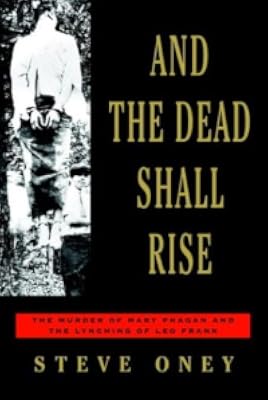
And the Dead Shall Rise
by Steve Oney
On This Page
Description
Describes the 1913 murder of Atlanta factory worker Mary Phagan, the arrest of her Jewish supervisor, Leo Frank, and the abduction and lynching of Frank, offering an account of the crime, its aftermath, and long-term repercussions.Tags
Recommendations


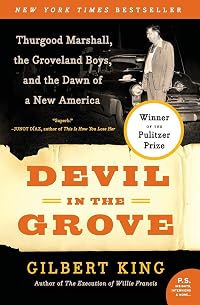
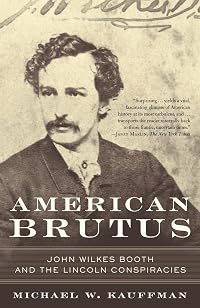
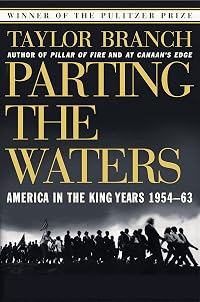
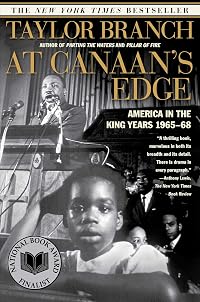

Member Recommendations

The Leo Frank Case together with The Tennessean Special News Section Sunday March 7, 1982 w/ introduction by Alan M. Dershowitz by Leonard Dinnerstein
waltzmn Steve Oney has produced probably the most complete popular work on the Leo Frank case, but the book is so cautious as to reduce its value. The first really comprehensive work on the case was Leonard Dinnerstein, who is also more willing to draw obvious conclusions from the data. Ideally, one should probably read Dinnerstein's older work before Oney's new publication, but Dinnerstein is still a very useful volume even if you've already read Oney.
Member Reviews
This book shows the best and the worst of modern journalism.
The best, in that it dramatically demonstrates that young, beautiful (but ignorant and stranded) Mary Phagan was murdered by Jim Conley, the black janitor at the National Pencil Factory. But the worst, in that it never says so.
The Phagan case demonstrated the immense problems with justice in America in 1913. Atlanta's police were often not interested in doing their jobs, and when they were interested, they didn't have the resources needed. (E.g. what we would call their forensics department was pitiful even by 1913 standards. The incompetents there couldn't even tell whether Phagan had been raped.) Worse, politicians were willing to prosecute based on prejudice and the chance show more to court popular acclaim -- and they weren't willing to do their jobs right.
All these things Steve Oney demonstrates with skill and determination. There have been many books about the Phagan/Frank case. Several, notably that by Leonard Dinnerstein, are highly scholarly. None is as full as Oney's. Anything you want to know about Leo Frank, Jim Conley, or Mary Phagan is in here.
But Oney is so determined to be "balanced" and "fair" that he is often guilty of smothering facts in other facts. He doesn't want to convict Conley without a fair trial -- and so he doesn't ever even really examine the case against Conley. This even though Conley was clearly the only person who could possibly have committed the murder; it was either Conley or, just possibly, persons unknown. The fact that Oney avoids drawing this conclusion leaves much of the data he supplies hanging in the wind.
I wish I could fully approve of the result. This is a story that needs to be told, in what it tells Americans about our prejudices and our justice system. But, at minimum, Oney should have ended it with a summary of the conclusions he reached from the evidence. After all, he went through all of it; we just went through his book. And the evidence is clear. But, ironically, it was clearer in the other books. I might have had trouble following it had I started with Oney. And all because he was trying too hard for "balance." Sometimes, truth is better. show less
The best, in that it dramatically demonstrates that young, beautiful (but ignorant and stranded) Mary Phagan was murdered by Jim Conley, the black janitor at the National Pencil Factory. But the worst, in that it never says so.
The Phagan case demonstrated the immense problems with justice in America in 1913. Atlanta's police were often not interested in doing their jobs, and when they were interested, they didn't have the resources needed. (E.g. what we would call their forensics department was pitiful even by 1913 standards. The incompetents there couldn't even tell whether Phagan had been raped.) Worse, politicians were willing to prosecute based on prejudice and the chance show more to court popular acclaim -- and they weren't willing to do their jobs right.
All these things Steve Oney demonstrates with skill and determination. There have been many books about the Phagan/Frank case. Several, notably that by Leonard Dinnerstein, are highly scholarly. None is as full as Oney's. Anything you want to know about Leo Frank, Jim Conley, or Mary Phagan is in here.
But Oney is so determined to be "balanced" and "fair" that he is often guilty of smothering facts in other facts. He doesn't want to convict Conley without a fair trial -- and so he doesn't ever even really examine the case against Conley. This even though Conley was clearly the only person who could possibly have committed the murder; it was either Conley or, just possibly, persons unknown. The fact that Oney avoids drawing this conclusion leaves much of the data he supplies hanging in the wind.
I wish I could fully approve of the result. This is a story that needs to be told, in what it tells Americans about our prejudices and our justice system. But, at minimum, Oney should have ended it with a summary of the conclusions he reached from the evidence. After all, he went through all of it; we just went through his book. And the evidence is clear. But, ironically, it was clearer in the other books. I might have had trouble following it had I started with Oney. And all because he was trying too hard for "balance." Sometimes, truth is better. show less
n 2009, when my boss offered me tickets to see the musical “Parade,” I of course said “yes.” I knew that “Parade” retells the story of Leo Frank, the German-Jewish superintendent of Atlanta’s National Pencil Factory, who was convicted of slaying 13-year-old factory worker, Mary Phagan, in 1913. Later, when Frank’s death sentence was commuted to life in prison, an angry mob sprung him from prison and lynched him. The Frank case gave rise to the Anti-Defamation League. Surely, “Parade” would be an edifying performance.
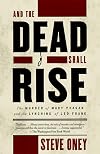
To say the show moved me is an understatement. I emerged a weeping wreck. But a week later, I began feeling that I had been “had”—taken for an emotional roller coaster ride on a script that played show more too purposefully to my 21st Century sensibilities. Needing to know the true story, I hunted down its most thorough telling by Steve Oney in And the Dead Shall Rise: The Killing of Mary Phagan and the Lynching of Leo Frank (Pantheon: 2003).
Reading And the Dead Shall Rise proved my hunches right. Frank’s wife, Lucille, did not spearhead his legal appeals or campaign publicly for his exoneration. Frank was not simply the victim of anti-Semites and “bad Yahoos” in a kangaroo court—as much as we 21st Century Yankees would like to believe. The story is far more complex, and if you value complexity and objectivity along with brilliant reportorial skill in a 650-page-turner, this tome is for you.
Where “Parade” plays to audience expectations, Oney’s book surprises. As Oney observes, Frank’s conviction was more the result of a botched defense, the defendant’s yekke* inclinations, and the racism of an all-white jury that, paradoxically, couldn’t imagine the black man as the white girl’s killer because his alibi was so fantastic. No Negro, the thinking went, could invent such an outlandish tale; therefore, it had to be true.
One of the most memorable and profound events in the two-year drama of Frank’s imprisonment is lawyer William Smith’s change of heart. Knowing how the cards were stacked against black suspect, Jim Conley, Smith eagerly came to his defense. After Frank’s conviction, Smith and his wife, a school teacher, dedicated themselves to comparing the murder notes with Conley’s “talk dirty” love letters. After copying the contents of these missives onto index cards which they clothes-pinned to strings running across their kitchen, the couple performed a painstaking analysis of Conley’s language. Not only had Conley written the murder notes—which was a given in the trial—he had composed them without assistance; Conley, most likely, was the killer. Years later, Smith, on his death bed, penned a note stating his belief in Frank’s innocence—it was that important to him.
Although I read And the Dead Shall Rise two years ago after seeing “Parade,” it came to mind again while I was editing doctoral dissertations, all of which bemoaned the state of the news media. “You don’t know from media frenzy and hype,” I thought, “until you study the Leo Frank case.” Three Atlanta newspapers—one owned by Hearst—vied for the most sellable headlines, shamelessly pronouncing guilt and innocence as if a judicial trial were unnecessary. Apparently, the term “alleged” had not made its way into the lexicon of journalists. Which brings me to what I enjoy most about Oney’s book—insights into the past which develop appreciation for and understanding of the present.
Oney spent 17 years researching and writing And the Dead Shall Rise, which won the American Bar Association’s Silver Gavel Award and the National Jewish Book Award for history. Simon & Schuster will be publishing Oney’s second book on the trials and tribulations of National Public Radio (NPR). We have much to look forward to with its release.
*Wikipedia defines “yekke” as a generally jovial, mildly derogatory term used by Jews in reference to the German Jews’ legendary attention to detail and punctuality. show less
To say the show moved me is an understatement. I emerged a weeping wreck. But a week later, I began feeling that I had been “had”—taken for an emotional roller coaster ride on a script that played show more too purposefully to my 21st Century sensibilities. Needing to know the true story, I hunted down its most thorough telling by Steve Oney in And the Dead Shall Rise: The Killing of Mary Phagan and the Lynching of Leo Frank (Pantheon: 2003).
Reading And the Dead Shall Rise proved my hunches right. Frank’s wife, Lucille, did not spearhead his legal appeals or campaign publicly for his exoneration. Frank was not simply the victim of anti-Semites and “bad Yahoos” in a kangaroo court—as much as we 21st Century Yankees would like to believe. The story is far more complex, and if you value complexity and objectivity along with brilliant reportorial skill in a 650-page-turner, this tome is for you.
Where “Parade” plays to audience expectations, Oney’s book surprises. As Oney observes, Frank’s conviction was more the result of a botched defense, the defendant’s yekke* inclinations, and the racism of an all-white jury that, paradoxically, couldn’t imagine the black man as the white girl’s killer because his alibi was so fantastic. No Negro, the thinking went, could invent such an outlandish tale; therefore, it had to be true.
One of the most memorable and profound events in the two-year drama of Frank’s imprisonment is lawyer William Smith’s change of heart. Knowing how the cards were stacked against black suspect, Jim Conley, Smith eagerly came to his defense. After Frank’s conviction, Smith and his wife, a school teacher, dedicated themselves to comparing the murder notes with Conley’s “talk dirty” love letters. After copying the contents of these missives onto index cards which they clothes-pinned to strings running across their kitchen, the couple performed a painstaking analysis of Conley’s language. Not only had Conley written the murder notes—which was a given in the trial—he had composed them without assistance; Conley, most likely, was the killer. Years later, Smith, on his death bed, penned a note stating his belief in Frank’s innocence—it was that important to him.
Although I read And the Dead Shall Rise two years ago after seeing “Parade,” it came to mind again while I was editing doctoral dissertations, all of which bemoaned the state of the news media. “You don’t know from media frenzy and hype,” I thought, “until you study the Leo Frank case.” Three Atlanta newspapers—one owned by Hearst—vied for the most sellable headlines, shamelessly pronouncing guilt and innocence as if a judicial trial were unnecessary. Apparently, the term “alleged” had not made its way into the lexicon of journalists. Which brings me to what I enjoy most about Oney’s book—insights into the past which develop appreciation for and understanding of the present.
Oney spent 17 years researching and writing And the Dead Shall Rise, which won the American Bar Association’s Silver Gavel Award and the National Jewish Book Award for history. Simon & Schuster will be publishing Oney’s second book on the trials and tribulations of National Public Radio (NPR). We have much to look forward to with its release.
*Wikipedia defines “yekke” as a generally jovial, mildly derogatory term used by Jews in reference to the German Jews’ legendary attention to detail and punctuality. show less
Steve Oney's "And the Dead Shall Rise: The Murder of Mary Phagan and the Lynching of Leo Frank" was certaily enlightening as to to the facts surrounding the murder, the testimonies, and defense/offense strategies, etc. At times it became a bit burdensome. While I did enjoy the book, it could have focused more on the lynching, which was not hinted at until about 500 pages into the book and does not take place until page 565---there are 649 pages in the book. This was certainly an American tragedy and is well told by the author.
This book is amazing. Steve Oney clearly looked at each and every piece of material available regarding this case, interviewed descendants of anyone he could get a hold of, and left no stone unturned. This book has a notes section the size of a novel on its own. He explores every side avenue, every political angle, every possible layer of this case. It's been a long time since I've been this enthralled by a historical work - and I'm a historian. Get this book and give it your time. You will not be disappointed.
Murder and antisemitism
Ratings
Members
- Recently Added By
Lists

True Crime
216 works; 16 members
Author Information

3+ Works 382 Members
Steve Oney was educated at the University of Georgia and at Harvard, where he was a Nieman Fellow. He worked for many years as a staff writer for the Atlanta Journal-Constitution Magazine. He has also contributed articles to many national publications, including Esquire, Playboy, Premiere, GQ and the New York Times Magazine. Oney lives in Los show more Angeles with his wife show less
Awards and Honors
Awards
Common Knowledge
- Canonical title
- And the Dead Shall Rise
- Original publication date
- 2003
- People/Characters
- Mary Phagan (d. 1913); Leo Frank (1884-1915); James Conley; Hugh Manson Dorsey; Alonzo Mann; John Marshall Slayton (show all 7); Thomas Edward Watson (1856-1922)
- Important places
- Atlanta, Georgia, USA; Marietta, Georgia, USA
- Important events
- Murder of Mary Phagan; Lynching of Leo Frank
- Dedication
- To Madeline Stuart, who believed in me
- First words
- April 26, 1913 -- That morning, thirteen-year-old Mary Phagan, after eating a breakfast of cabbage and wheat biscuits, devoted herself to getting dressed.
- Disambiguation notice
- Full title (2003): And the dead shall rise : the murder of Mary Phagan and the lynching of Leo Frank.
Classifications
- Genres
- Nonfiction, History
- DDC/MDS
- 364.15 — Society, government, & culture Social problems and social services Crime Criminal offenses Offenses against the person
- LCC
- HV6534 .A7 .O54 — Social sciences Social pathology. Social and public welfare. Criminology Social pathology. Social and public welfare. Criminology Crimes and offenses
- BISAC
Statistics
- Members
- 295
- Popularity
- 108,599
- Reviews
- 5
- Rating
- (4.26)
- Languages
- English, French
- Media
- Paper, Ebook
- ISBNs
- 5
- ASINs
- 3