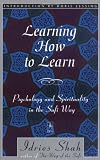
Learning How to Learn: Psychology and Spirituality in the Sufi Way
by Idries Shah
On This Page
Description
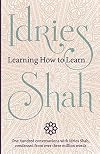
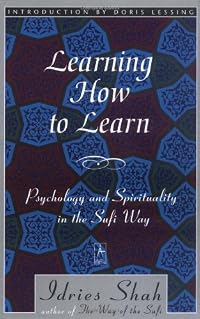
In response to the many inquiries he has received about the Sufi tradition, leading Sufi expert Idries Shah presents a clarifying series of questions and answers that illustrates how traditional Sufi concepts can resolve our social, psychological, and spiritual problems. This is the ideal introduction to Sufi wisdom.Tags
Recommendations








































Member Reviews
Da riprendere e da rileggere, un quantitativo non indifferente di materiale di studio. Che possa aiutare ogni lettore alla propria preparazione.
APRENDE A APRENDER :PSICOLOGIA Y ESPIRITUALIDAD AL ESTILO SUFÍ
Aprender a aprender, escrito por el principal representante del sufismo, es la introduccion definitiva a un estilo de pensamiento que ha servido de inspiracion a hombres y mujeres de todo el mundo. Los escritos clasicos del sufi, las parabolas orientales de Jesus, los encuentros con profesores y estudiantes coetaneos y los periodicos occidentales de mayor tirada son solo algunos de los ejemplos utilizados en este libro con el fin de proporcionar medios que nos permitan contemplarnos a nosotros mismos y a nuestras instituciones de una manera nueva. La introduccion corre a cargo de Doris Lessing
Aprender a aprender, escrito por el principal representante del sufismo, es la introduccion definitiva a un estilo de pensamiento que ha servido de inspiracion a hombres y mujeres de todo el mundo. Los escritos clasicos del sufi, las parabolas orientales de Jesus, los encuentros con profesores y estudiantes coetaneos y los periodicos occidentales de mayor tirada son solo algunos de los ejemplos utilizados en este libro con el fin de proporcionar medios que nos permitan contemplarnos a nosotros mismos y a nuestras instituciones de una manera nueva. La introduccion corre a cargo de Doris Lessing
Aug 20, 2017 (Edited)Spanish
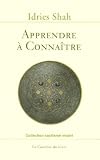
> APPRENDRE À SE CONNAÎTRE, de Idries Shah. — Les enseignements ésotériques contemporains jouent presque toujours sur le désir, présent en l’homme, de chercher et d’obtenir la connaissance. Les obstacles qui l’empêchent de connaître et de comprendre sont très souvent sous-estimés, ou non reconnus comme tels, dans ces enseignements.
Pour que l’individu ou le groupe puissent réellement apprendre, certains éléments fondamentaux doivent être en place. L’auteur tente d’éclairer ces éléments et suggère un cheminement invisible à nos modes de pensée familiers.
Cet ouvrage a été publié après la mort d’Idries Shah, survenue à Londres le 23 novembre 1996. Ed. Le Courrier du Livre - 450 p.
—3e millénaire, ( show more target="_top">60), Été 2001 show less
Pour que l’individu ou le groupe puissent réellement apprendre, certains éléments fondamentaux doivent être en place. L’auteur tente d’éclairer ces éléments et suggère un cheminement invisible à nos modes de pensée familiers.
Cet ouvrage a été publié après la mort d’Idries Shah, survenue à Londres le 23 novembre 1996. Ed. Le Courrier du Livre - 450 p.
—3e millénaire, ( show more target="_top">60), Été 2001 show less
Mar 14, 2019 (Edited)French
Ratings
Members
- Recently Added By
Author Information

91+ Works 6,962 Members
Idries Shah, whose full name is Nawab-Zaba Sayed Idries Shah el-Hashimi, is Grand Sheikh of the Sufis and the eldest son of the Nawab (the Mohammedan equivalent of Maharajah) of Sardana, near Delhi in India. His family originates from the principality of Paghman in the Hindu Kush, where his ancestors have reigned since 1221, and claims the senior show more descent from Mohammed in Islam. Idries Shah was born at Simla in the Himalayas and lives in London show less
Work Relationships
Is contained in
Common Knowledge
- Canonical title
- Learning How to Learn: Psychology and Spirituality in the Sufi Way
- Original publication date
- 1978
- Epigraph
- Take warning from the misfortunes of others, so that others need not have to take warning from your own. — Saadi, Rose Garden (13th Century)
When th camel of our efforts sinks into the mud, what matter whether the de... (show all)stination is near or far? — Ustad Khalilullah Khalili, Quatrains (1975)
The world has no being but an allegory:
From end to end its state is but a farce and play — Shabistari, Secret Garden (13th Century) - First words
- Until only a few years ago, as literary people, psychologists and the increasing number of those engaged in studying human consciousness now so often remind us, Sufism was a closed book for the ordinary person.
- Last words
- (Click to show. Warning: May contain spoilers.)'Man' says Rumi, in Fihi ma Fihi ('In it what is in it') has three spiritual states. In the first he pays no heed to God at all, but worships and pays service to everything, woman and man, wealth and children, stones and clods. God he does not worship. When he acquires a little knowledge and awareness, then he serves nothing but God. Again, when he progresses farther in this state he becomes silent; he does not say, "I do not serve God," neither does he say, "I serve God," for he has transcended these two degrees.'
Classifications
Statistics
- Members
- 251
- Popularity
- 128,210
- Reviews
- 3
- Rating
- (3.33)
- Languages
- English, French, Italian, Spanish
- Media
- Paper, Ebook
- ISBNs
- 15
- ASINs
- 4