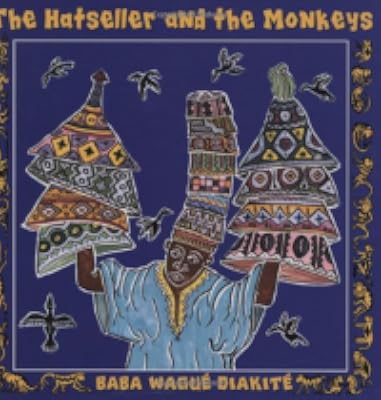
The Hatseller and the Monkeys
by Baba Wague Diakite
On This Page
Description
An African version of the familiar story of a man who sets off to sell his hats, only to have them stolen by a treeful of mischievous monkeys.Tags
Recommendations

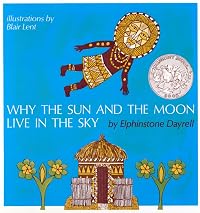
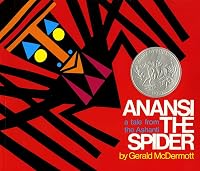
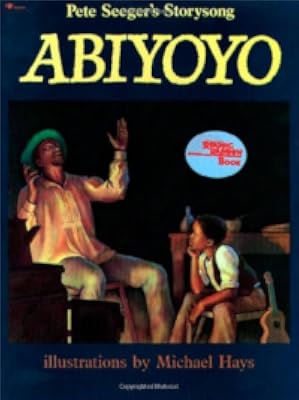
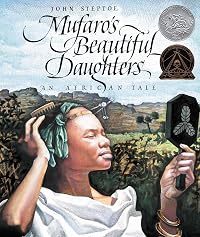
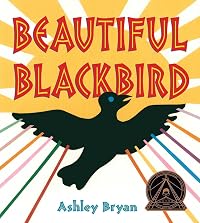
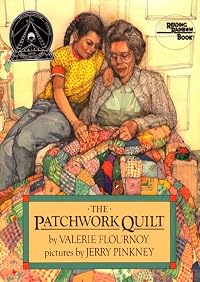
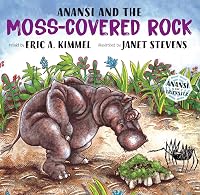
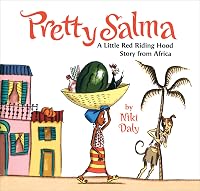


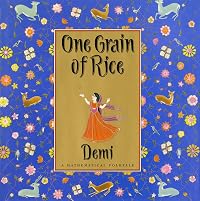
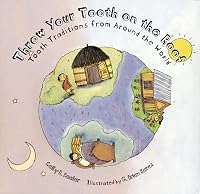
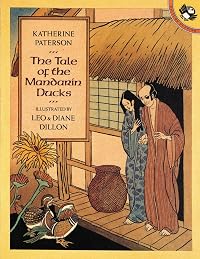

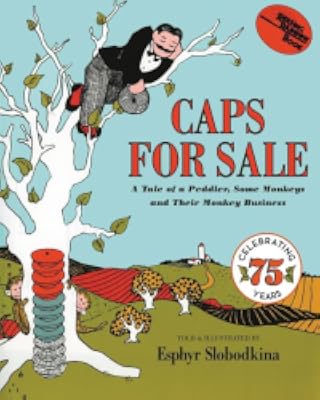

Member Recommendations
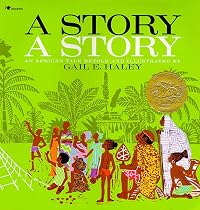
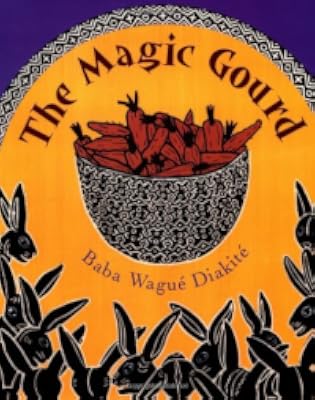
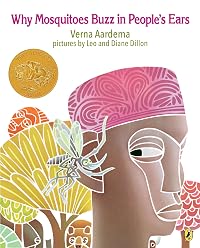
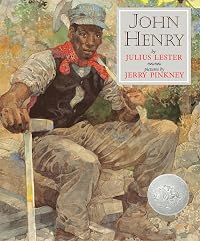
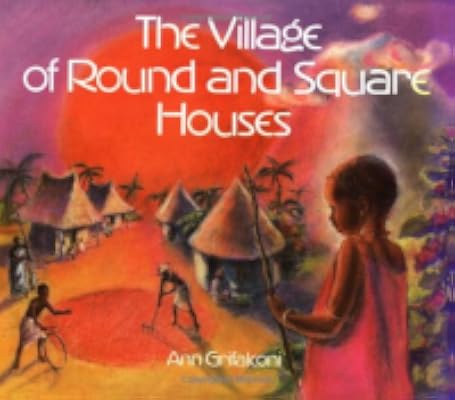
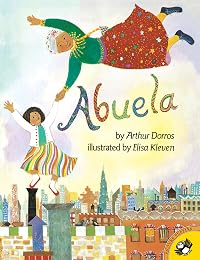
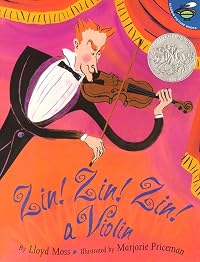
AbigailAdams26 If you enjoyed this tale of a hatseller and some monkeys, you might enjoy a similar story from another tradition.
Member Reviews
A hatseller named BaMusa finds himself in a quandary on his journey to market to sell his wares in this picture book retelling of a traditional folktale from Mali. Setting out early, before he has had a chance to eat, he finds himself tired at mid-day, and stops for a rest underneath a mango tree. The local monkeys, seeing him snoozing, make off with his hats, and it isn't immediately apparent upon waking, what BaMusa can do to get them back. Still befuddled from lack of food, he eats the mangos thrown at him by the monkeys, and realizes that their imitative behavior holds the solution to his problem. The book closes with an author's note about the story, which he heard from his uncle as a young boy, and a list of other similar tales show more from folk traditions in other parts of the world...
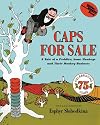
Picture book readers will immediately recognize the story of The Hatseller and the Monkeys, which is quite similar to that told in Esphyr Slobodkina's classic Caps for Sale. As someone who grew up with the latter, and loved it, I was fascinated to see the same story, originating from a different culture—in this case, Mali. I'm interested in comparative folklore, so I also appreciated the note at the end, which highlights the fact that this tale has been found in many different folk traditions, and has been included in numerous collections, including I.F. Bulatkin's Eurasian Folk and Fairy Tales, Frances Carpenter's African Wonder Tales, and Amabel Williams-Ellis' Fairy Tales from the British Isles. For that alone, and for the lesson that stories we consider classic inventions of a given creator (such as Slobodkina), actually come from a wider tradition, this book is worth reading. Fortunately, the story itself and the telling are also engaging, and the artwork, painted on ceramic tiles, is gorgeous. Recommended to young folklore enthusiasts, and to anyone seeking stories from Mali. show less
Picture book readers will immediately recognize the story of The Hatseller and the Monkeys, which is quite similar to that told in Esphyr Slobodkina's classic Caps for Sale. As someone who grew up with the latter, and loved it, I was fascinated to see the same story, originating from a different culture—in this case, Mali. I'm interested in comparative folklore, so I also appreciated the note at the end, which highlights the fact that this tale has been found in many different folk traditions, and has been included in numerous collections, including I.F. Bulatkin's Eurasian Folk and Fairy Tales, Frances Carpenter's African Wonder Tales, and Amabel Williams-Ellis' Fairy Tales from the British Isles. For that alone, and for the lesson that stories we consider classic inventions of a given creator (such as Slobodkina), actually come from a wider tradition, this book is worth reading. Fortunately, the story itself and the telling are also engaging, and the artwork, painted on ceramic tiles, is gorgeous. Recommended to young folklore enthusiasts, and to anyone seeking stories from Mali. show less
BaMusa was a well known hat maker. He mostly sold them around his town but when the opportunity came up for him to sell them at a festival he got right to work. When the festival day came he was so busy that he just ignored his hunger and forgot to eat. His hunger got the best of him and he started making poor choices. He fell asleep under a tree and some monkeys stole his hats. When he woke up he was still starving but had to figure how to get his hats back. When he finally decided to eat he was able to clear his mind and start thinking straight. Because he ate, he was able to make the right decisions and ultimately get his hats back.Most folklore's have really deep themes or meanings that they are trying to display. This story is show more different. At the age group this book is meant for, the message is perfect. You have to eat and keep yourself healthy if you want to be able to think and be productive. A lot of parents and teachers struggle to get their kids to eat. To them, just like BaMusa, they have better things to be doing besides eating. This is a great interactive book that will give children a greater understanding as to why it is so important to eat and fuel your bodies. This book was set in Mali, Africa and through the illustrations the culture and heritage are definitely portrayed. show less
The Hatseller and the Monkeys is a charming and funny, little folktale about a West African hatseller named Bamusa. Bamusa comes from a long line of hat-makers, and he is very proud of his heritage and profession. One morning, Bamusa is so eager to set out for a festival where he plans to sell his hats that he skips breakfast. Travelling on an empty stomach makes Bamusa tired, so midway to the festival he falls asleep under a tree. When he wakes he notices his hats are missing and looks up to find the tree full of monkeys and they are wearing his hats. Bamusa tries different methods to retrieve the hats, but they all fail. He decides to take a break and eat a piece of fruit. After he eats, Bamusa is able to get his hats from the monkeys show more and continue to the festival. Bamusa is able to think better on a full stomach. The book comes with an author’s note explaining that this story is a popular piece of folklore in many countries around the world. I guess this is their way of telling children that breakfast is the most important meal of the day. This is a book with a simple, practical lesson and it is beautifully illustrated with the author’s vibrant, ceramic-tile paintings. show less
One factor is folklore that I did not think would be reoccurring is outsmarting. This is the second folklore book I read in which an animal or a human outsmarts another animals or human. In "The Hatseller And The Monkeys", BaMusa outsmarts the monkeys in the tree that stole his hats. BaMusa makes colorful hats and hears about a festival where he can sell them. He leaves so early in the morning that he does not eat. When he decides to rest under a mango tree, he falls asleep and monkeys snatch his colorful hats and head up the tree. When BaMusa wakes, he is hungry and confused. He throws rocks at the monkeys but they just throw mangoes back. BaMusa eats some mangoes thrown at him by the monkeys, then he can think clearly. He takes his show more only hat left off of his head, as do the monkeys. Then he drops his hat on the ground and all of the monkeys drop theirs. Thus, the lesson learned in this story is "It is with a full stomach that one thinks best, for an empty satchel cannot stand." This is a fun suspenseful reading that presents a problem and solution, and also a lesson. The colorful illustrations will have students wondering what happens next and cheering for BaMusa at the end. show less
BaMusa the hatseller has been making hats for years to sell to his village and the neighboring villages. One day, BaMusa gets the opportunity to see his hats at a festival. He works very hard to make all the hats he needs to sell at the festival. The day of the festival, BaMusa gets up early to begin his trek to the neighboring village. BaMusa was so excited to sell his hats that he forgot to eat! BaMusa has to take a rest under a tree because he is so weak and hungry. BaMusa falls asleep and monkeys from the tree above steal his hats! BaMusa wakes up and tries to get his hats back to no avail. He sits down and eats some fruit, which allows him to think more clearly. BaMusa outsmarts the monkeys and gets his hats back. Then, he sells show more the hats at the festival. BaMusa learns that “it is with a full stomach that one thinks best.”
I thought this was a very interesting folktale. I have never really heard of a folktale where the moral is to make sure that you are eating. However, I know that some parents and teachers struggle to get students to eat. This could be a great book to encourage children to eat, showing them that they will be smarter and stronger if they do not always go hungry. show less
I thought this was a very interesting folktale. I have never really heard of a folktale where the moral is to make sure that you are eating. However, I know that some parents and teachers struggle to get students to eat. This could be a great book to encourage children to eat, showing them that they will be smarter and stronger if they do not always go hungry. show less
My favorite part of this book are the illustrations. They are very vibrant and catch the eye. The story is funny and has a great lesson to be learned. This story would be easily told to an audience.
We all know what it’s like to not be able to think straight because we’re running on empty. When Bamusa the hatmaker travels to another town to sell his hats, he grows tired and decides to rest. The sneaky monkeys in the tree he’s under steal all of his hats. When Bamusa awakes to discover this, he exhausts all attempts to get back his hats. Upon growing frustrated, Bamusa gives up for awhile and begins eating. Not long afterwards, he discovers how to get his hats. Bamusa learns that one thinks best on a full stomach. I loved this story because of the very important lesson that it had to offer. I know that I work at my personal best when I’m full and rejuvenated.
Members
- Recently Added By
Lists

A Child's Book Tour of West Africa ::: Côte d'Ivoire, Mali, Ghana, Nigeria
59 works; 5 members
Author Information

6+ Works 1,106 Members
Awards and Honors
Awards
Distinctions
Notable Lists
Common Knowledge
- Canonical title
- The Hatseller and the Monkeys
- Important places
- West Africa
Classifications
Statistics
- Members
- 339
- Popularity
- 93,392
- Reviews
- 26
- Rating
- (3.81)
- Languages
- Arabic, English
- Media
- Paper
- ISBNs
- 4
- ASINs
- 2