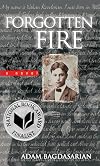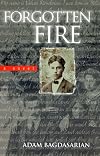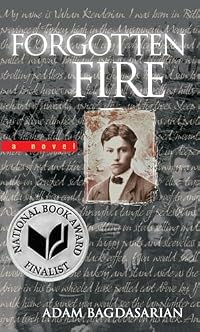
Forgotten Fire
by Adam Bagdasarian
On This Page
Description
The story of how Vahan Kenderian survived the Turkish massacre of the Armenians in 1915.Tags
Recommendations


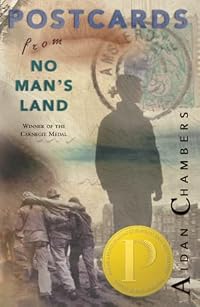

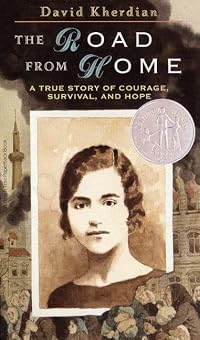
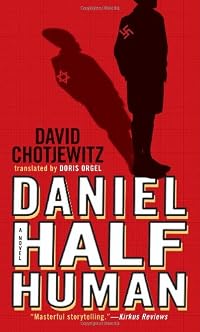
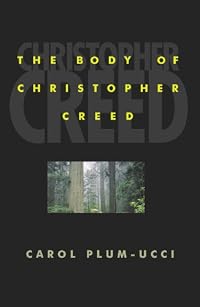
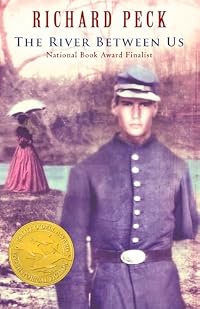
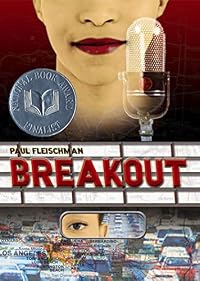
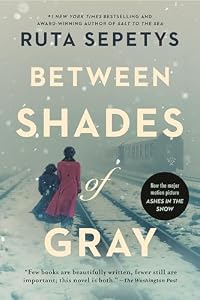
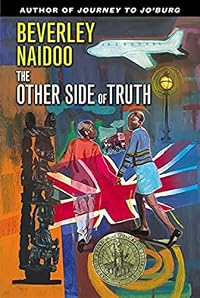
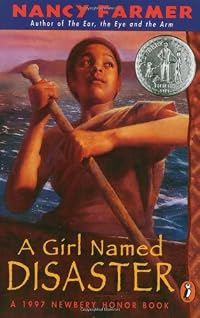

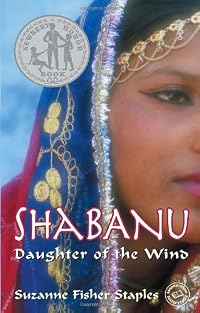
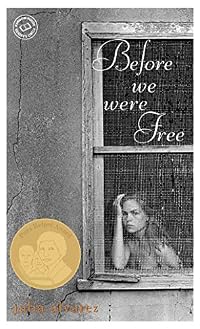
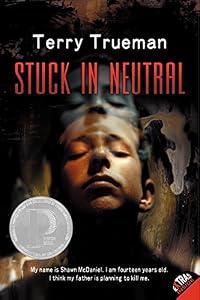
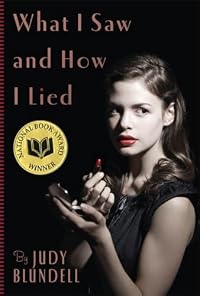
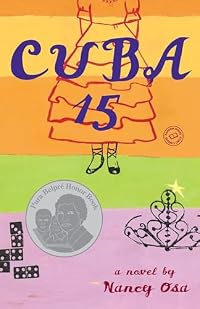
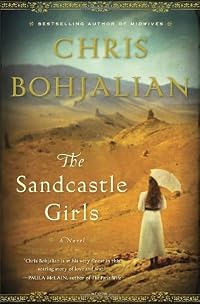
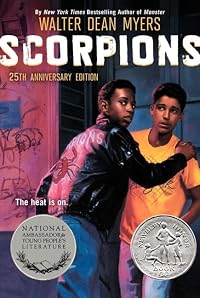
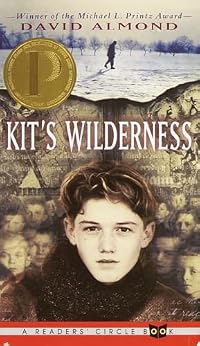

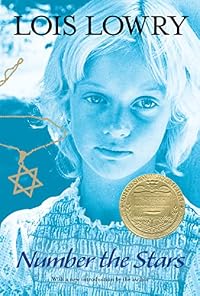


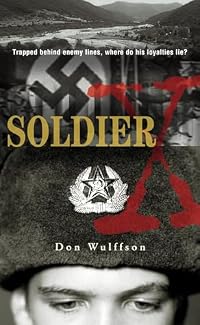

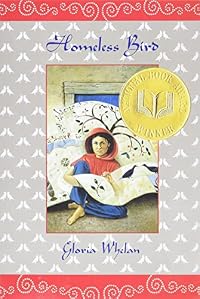
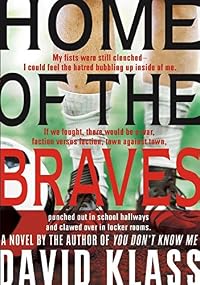

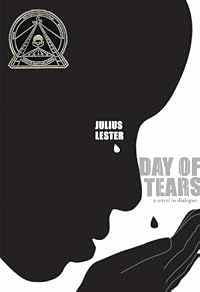
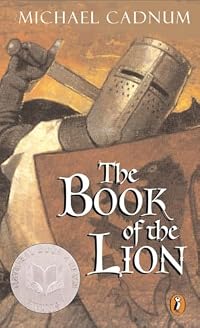
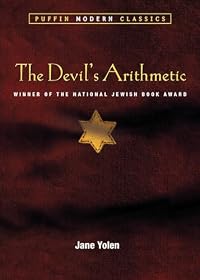

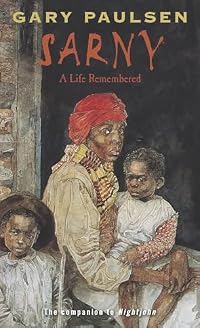
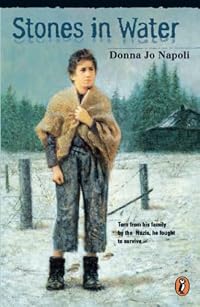
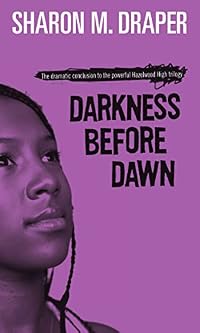
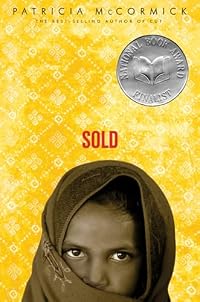
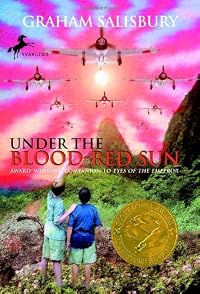


Member Recommendations


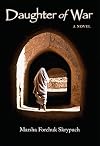
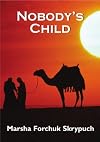
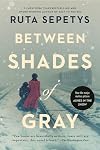
BookshelfMonstrosity These two historical fiction novels for teens introduce readers to little-known atrocities of war. Although grim in nature, both books are compelling and eye-opening looks into the horrors that have happened to people because of their nationalities or ethnic backgrounds.
Member Reviews
Reagan Kaufman
EDCI 5120—Dr. Rush
Summer 2008
Bagdasarian, A. (2000). Forgotten fire. New York: Dorling Kindersley Publishing, Inc.
Grade Level: 8-11 grades
Category: Historical Fiction
Read-Alouds: pp. ix-xi (forward and background information); pp. 11-22 (screams are real); pp.75-81 (temporary safe house); pp. 117-125 (charmed by evil); pp. 170-174 (apathy toward murder); pp. 253-261 (to freedom); 267-272 (epilogue)
Summary: In an effort to thwart negative attention from European powers, the Young Turk triumvirate offered Armenians an end to injustice and brutality. But when people feared Armenians were getting too much control, they cut back freedoms and began to focus on Muslim superiority, which led to Turkish “disciplinary show more actions” now recognized as genocide. In this backdrop, young Vaughn Kenderian watches his life of privilege and wealth erode as his family is murdered and their property confiscated. As an orphan on the run he adopts survival tactics to help him escape the Ottoman Empire and find freedom.
Themes: This novel is based on the real life experience of the author’s great uncle. Due to the intense personal connection of the subject matter, this novel pushes a theme of morality and justice. It encourages an awakening to the knowledge of what is happening in the world and our role in a global community to protect the rights of the oppressed. As I read the book I thought of Martin Luther King, Jr. saying, “History will have to record that the greatest tragedy of this period of social transition was not the strident clamor of the bad people, but the appalling silence of the good people,” and thinking how his quotation relates to people in the world who did nothing during the genocide of Armenians (or Jews, or Sudanese…). I also thought of Elie Wiesel’s tragic memoir Night while reading this book. How is it that we know so much about the German extermination of Jewish people and not the Turkish extermination of Armenians?
Discussion Questions:
• “Who does now remember the Armenians?” Adolf Hitler, 1939. Why does the author use this quotation? In light of this quotation, why is the title of the book significant both for Vaughn Kenderian and current global citizens?
• Describe the character changes that Vaughn goes through as he fights for survival. When is he weak? Heroic?
• What did Vaughn mean when he said, “I knew that I was free, and that I would never be free” (p. 270).
• What is your reaction to the people who killed the Armenians? To those whose allowed the genocide to occur?
Reader Response: I loved, loved this novel. The character transformation of Vaughn is moving—as steel he is tested by fire and purified. The details of the massacres and people’s prejudices are plentiful enough to make an emotional impact but not so intense that the book too disturbing to read. There is so much information and resources about the Jewish holocaust but there is relatively little about the Armenian genocide. I think it is necessary to have a thorough knowledge of genocide throughout history—not just the most infamous incidents. By looking at the genocides of Armenians, Jewish people, gypsies, the Sudanese, etc,. I hope students gain an understanding that the horrors of genocide did not just happen once—and that it is still happening. I would use this book as a sounding board for discussions on prejudice, bias, human rights, and our role to stop genocide. This is a must read. show less
EDCI 5120—Dr. Rush
Summer 2008
Bagdasarian, A. (2000). Forgotten fire. New York: Dorling Kindersley Publishing, Inc.
Grade Level: 8-11 grades
Category: Historical Fiction
Read-Alouds: pp. ix-xi (forward and background information); pp. 11-22 (screams are real); pp.75-81 (temporary safe house); pp. 117-125 (charmed by evil); pp. 170-174 (apathy toward murder); pp. 253-261 (to freedom); 267-272 (epilogue)
Summary: In an effort to thwart negative attention from European powers, the Young Turk triumvirate offered Armenians an end to injustice and brutality. But when people feared Armenians were getting too much control, they cut back freedoms and began to focus on Muslim superiority, which led to Turkish “disciplinary show more actions” now recognized as genocide. In this backdrop, young Vaughn Kenderian watches his life of privilege and wealth erode as his family is murdered and their property confiscated. As an orphan on the run he adopts survival tactics to help him escape the Ottoman Empire and find freedom.
Themes: This novel is based on the real life experience of the author’s great uncle. Due to the intense personal connection of the subject matter, this novel pushes a theme of morality and justice. It encourages an awakening to the knowledge of what is happening in the world and our role in a global community to protect the rights of the oppressed. As I read the book I thought of Martin Luther King, Jr. saying, “History will have to record that the greatest tragedy of this period of social transition was not the strident clamor of the bad people, but the appalling silence of the good people,” and thinking how his quotation relates to people in the world who did nothing during the genocide of Armenians (or Jews, or Sudanese…). I also thought of Elie Wiesel’s tragic memoir Night while reading this book. How is it that we know so much about the German extermination of Jewish people and not the Turkish extermination of Armenians?
Discussion Questions:
• “Who does now remember the Armenians?” Adolf Hitler, 1939. Why does the author use this quotation? In light of this quotation, why is the title of the book significant both for Vaughn Kenderian and current global citizens?
• Describe the character changes that Vaughn goes through as he fights for survival. When is he weak? Heroic?
• What did Vaughn mean when he said, “I knew that I was free, and that I would never be free” (p. 270).
• What is your reaction to the people who killed the Armenians? To those whose allowed the genocide to occur?
Reader Response: I loved, loved this novel. The character transformation of Vaughn is moving—as steel he is tested by fire and purified. The details of the massacres and people’s prejudices are plentiful enough to make an emotional impact but not so intense that the book too disturbing to read. There is so much information and resources about the Jewish holocaust but there is relatively little about the Armenian genocide. I think it is necessary to have a thorough knowledge of genocide throughout history—not just the most infamous incidents. By looking at the genocides of Armenians, Jewish people, gypsies, the Sudanese, etc,. I hope students gain an understanding that the horrors of genocide did not just happen once—and that it is still happening. I would use this book as a sounding board for discussions on prejudice, bias, human rights, and our role to stop genocide. This is a must read. show less
Bagdasarian fictionalizes this account of his great-uncle's survival of the Armenian genocide to good effect. Fictionalization allows for more reflection that a 12-year-old probably had at the time. But Bagdasarian does not take it too far, and physical details of people and surroundings are sparse. The experience is clearly the most important thing.
And the experience is brought to life all too well. The story begins in 1915 and Vahan, the fictional name Bagdasarian gives his great-uncle, is 12. He is the youngest son of a wealthy and successful Armenian lawyer in Turkey. But his father's position and influence do not save the family, and the horrors begin all too soon. Bagdasarian does not pull his punches.
If I would change anything show more about this book, I would only ask for more historical background. If, as Bagdasarian says, part of his reason for writing this book was to bring the atrocities committed against the Armenians to light, he succeeds. But a bit more historical information would have helped. Why were the Germans at the consulate willing to tolerate an Armenian presence? Why was Constantinople safe for Armenians when the rest of Turkey was so dangerous? Some more explanation on these questions and a few others would have been nice, but not having the answers did not detract from the power of this book. show less
And the experience is brought to life all too well. The story begins in 1915 and Vahan, the fictional name Bagdasarian gives his great-uncle, is 12. He is the youngest son of a wealthy and successful Armenian lawyer in Turkey. But his father's position and influence do not save the family, and the horrors begin all too soon. Bagdasarian does not pull his punches.
If I would change anything show more about this book, I would only ask for more historical background. If, as Bagdasarian says, part of his reason for writing this book was to bring the atrocities committed against the Armenians to light, he succeeds. But a bit more historical information would have helped. Why were the Germans at the consulate willing to tolerate an Armenian presence? Why was Constantinople safe for Armenians when the rest of Turkey was so dangerous? Some more explanation on these questions and a few others would have been nice, but not having the answers did not detract from the power of this book. show less
What a stunning narrative through the landscape of the genocide used by Hitler to pattern his Final Solution! This brutally honest walk narrated by the compelling voice of a young survivor captivated my young readers - and me, eliciting exceptional written responses, a connection to an Armenian classroom, and a collaborative service project. Extraordinary.
This has the same virtues and flaws as Over a Thousand Hills I Walk With You, a memoir about the Rwandan genocide. It’s an excellent story of a genocide told from a child’s perspective, and suspenseful. However, there was none of the broader context of why the Armenian genocide happened, and that was very frustrating. I know a young boy probably wouldn't know, but an illuminating afterword would have been nice.
Reviewed by: Kameron (Class of 2013)
“All I saw was darkness at first then the floor moved and I realized it was a floor of bodies… I could gradually make out fifty to sixty people in the small cramped hotel room.” This quote is similar to the book "Night" by Elie Weisel where it states how the Jews were forced into overcrowded cattle cars during the transport to concentration camps. Unlike "Night" this is not a book about the holocaust but rather a book about a forgotten genocide, the genocide in Turkey during 1915.
This is a very informative book about the Turkish genocide of 1915, it shows the terrible things that the Armenian people suffered through. Vahan Kenderian is the main character in this book. Vahan is a young Christian show more boy who is the son of a wealthy lawyer, he has never had to work a day in his life until that fateful day when the police came and took away his father. That was the day that he lost all hope because soon after the police came back and murdered his two older brothers. Vahan and his family were forced to leave their home and move into a hotel that was taken over by the police and this is where the quote of how he was forced into a cramped room with fifty to sixty other people occurs. Author Adam Bagdasarian’s inspiration to write this book came from a recording of his great-uncle about his experiences during the Ottoman Turk’s attempt to kill the Armenians in 1915. Adam’s second book is “First French Kiss: and Other Traumas”. Adam is an Armenian American writer for teenagers and young adults.
I personally don’t care for this book, I really don’t find it that interesting although it is informational, I don’t feel that the author centered himself on trying to interest the audience, he is more worried about the facts which can be a good thing in some cases but I don’t feel it is right for this book. Although I do not care for this book I would recommend it to someone who is looking for good and accurate information on the genocide of the Armenian people in Turkey during 1915. show less
“All I saw was darkness at first then the floor moved and I realized it was a floor of bodies… I could gradually make out fifty to sixty people in the small cramped hotel room.” This quote is similar to the book "Night" by Elie Weisel where it states how the Jews were forced into overcrowded cattle cars during the transport to concentration camps. Unlike "Night" this is not a book about the holocaust but rather a book about a forgotten genocide, the genocide in Turkey during 1915.
This is a very informative book about the Turkish genocide of 1915, it shows the terrible things that the Armenian people suffered through. Vahan Kenderian is the main character in this book. Vahan is a young Christian show more boy who is the son of a wealthy lawyer, he has never had to work a day in his life until that fateful day when the police came and took away his father. That was the day that he lost all hope because soon after the police came back and murdered his two older brothers. Vahan and his family were forced to leave their home and move into a hotel that was taken over by the police and this is where the quote of how he was forced into a cramped room with fifty to sixty other people occurs. Author Adam Bagdasarian’s inspiration to write this book came from a recording of his great-uncle about his experiences during the Ottoman Turk’s attempt to kill the Armenians in 1915. Adam’s second book is “First French Kiss: and Other Traumas”. Adam is an Armenian American writer for teenagers and young adults.
I personally don’t care for this book, I really don’t find it that interesting although it is informational, I don’t feel that the author centered himself on trying to interest the audience, he is more worried about the facts which can be a good thing in some cases but I don’t feel it is right for this book. Although I do not care for this book I would recommend it to someone who is looking for good and accurate information on the genocide of the Armenian people in Turkey during 1915. show less
This was interesting as I knew little of the Armenian Genocide. The writing was sometimes unclear and the flow wasn't always great.
This was interesting as I knew little of the Armenian Genocide. The writing was sometimes unclear and the flow wasn't always great.
Members
- Recently Added By
Author Information
2 Works 546 Members
Awards and Honors
Awards
Distinctions
Notable Lists
Common Knowledge
- Original title
- Forgotten Fire
- Original publication date
- 2002-04-09
- People/Characters
- Vahan Kendarian
- Important places
- Bitlis, Turkey; Constantinople, Turkey; Armenia
- Important events
- World War I; Armenian Genocide
Classifications
Statistics
- Members
- 480
- Popularity
- 62,879
- Reviews
- 16
- Rating
- (3.81)
- Languages
- English
- Media
- Paper
- ISBNs
- 6
- UPCs
- 1
- ASINs
- 1