On This Page
Description
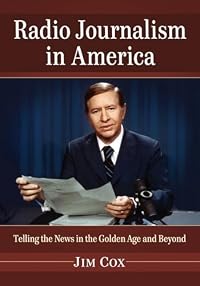
This history of radio news reporting recounts and assesses the contributions of radio toward keeping America informed since the 1920s. It identifies distinct periods and milestones in broadcast journalism and includes a biographical dictionary of important figures who brought news to the airwaves.Americans were dependent on radio for cheap entertainment during the Great Depression and for critical information during the Second World War, when no other medium could approach its speed and show more accessibility. Radio's diminished influence in the age of television beginning in the 1950s is studied, as the aural medium shifted from being at the core of many families' activities to more specialized applications, reaching narrowly defined listener bases. Many people turned elsewhere for the news. (And now even TV is challenged by yet newer media.) The introduction of technological marvels throughout the past hundred years has significantly altered what Americans hear and how, when, and where they hear it. show lessTags
Members
- Recently Added By
Author Information
20 Works 120 Members
Jim Cox, a leading radio historian, is an award-winning author of numerous books on the subject. A retired college professor, he lives in Louisville, Kentucky.
Classifications
- Genres
- Nonfiction, History
- DDC/MDS
- 791.44097309 — Arts & recreation Recreation, sports, and performing arts Public performances Motion pictures, radio, television, podcasting Radio modified standard subdivisions History, geographic treatment, biography North America USA
- LCC
- PN4888 .R33 .C69 — Language and Literature Literature (General) Literature (General) Journalism. The periodical press, etc. By region or country
- BISAC
Statistics
- Members
- 6
- Popularity
- 3,028,943
- Languages
- English
- Media
- Paper, Ebook
- ISBNs
- 2