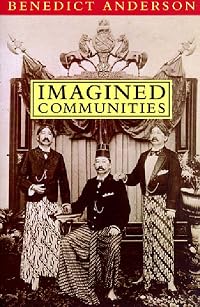
Imagined Communities: Reflections on the Origin and Spread of Nationalism
by Benedict Anderson
On This Page
Description
Imagined Communities, Benedict Anderson's brilliant book on nationalism, forged a new field of study when it first appeared in 1983. Since then it has sold over a quarter of a million copies and is widely considered the most important book on the subject. In this greatly anticipated revised edition, Anderson updates and elaborates on the core question. What makes people live and die for nations, as well as hate and kill in their name? Anderson examines the creation and global spread of the show more 'imagined communities' of nationality, and explores the processes that created these communities, the territorialization of religious faiths, the decline of antique kingship, the interaction between capitalism and print, the development of secular languages-of-state, and changing conceptions of time and space. He shows how an originary nationalism born in the Americas was adopted by popular movements in Europe, by imperialist powers, and by the anti-imperialist resistances in Asia and Africa. In a new afterword, Anderson examines the extraordinary influence of Imagined Communities, he also explores the book's international publication and reception, from its first publication towards the end of the Cold War era to the present day. show lessTags
Recommendations




























Member Reviews
Though this book thinks it's about nationalism, and is certainly about that too, it is really about several overlapping ideas, some of which may not even have names. It is about self & other. It is about identification/idealization. It is about the power of giving something a name. It is about the exercising of power through control of the categories of thought.
Anderson introduces the concept of "nation" by distinguishing it from other human communities because people are willing to kill and die for it. Though people may bond over common professions or fandom of sports teams, their attachment rarely will rise to a kill-or-be-killed level, but I wonder about this distinction. If the Spartan (for example) weren't dying for a nation in its show more modern version, wasn't it the equivalent for its time? In fact, people have always been willing to die for causes. In the present day world, causes are often built-in features of the nation concept. It's "our freedom" they hate (or so goes the slogan). The idea that America (say) could so betray its own defining values as to no longer be America is an idea I've heard expressed more than once but the cognitive ability to be able to think in such an abstract way is unlikely to catch on. Instead, America is defined by its logo-map, it's shared culture and language, it's "dream" of classlessness which won't yield to the fact that it is easier to transcend your class origins in Germany, Japan or Canada. It is, in a word, "imagined." Having recently read Matt Taibbi's The Divide: American Injustice in the Age of the Wealth Gap , I'm aware that a great deal of my understanding of how America works is false but even after being informed, much of the myth feels real to me.
A nation is the most successful packaging of the collective self in a way that feels tangibly real. It incorporates as many sub-selves, e.g sports teams, celebrities, music, as can be squeezed in. This book explains how this has been done historically and gives the details of the forces working for and against the various possible shapes and characters of numerous "actual" nations.
It is written in a mostly jargon-free often literary style that makes it fun to read, though it sometimes becomes hard to follow in its specificity. The last chapter is a metachapter which follows how the book itself, nicknamed I.C., is translated and shaped to conform to the national needs of readers world wide. show less
Anderson introduces the concept of "nation" by distinguishing it from other human communities because people are willing to kill and die for it. Though people may bond over common professions or fandom of sports teams, their attachment rarely will rise to a kill-or-be-killed level, but I wonder about this distinction. If the Spartan (for example) weren't dying for a nation in its show more modern version, wasn't it the equivalent for its time? In fact, people have always been willing to die for causes. In the present day world, causes are often built-in features of the nation concept. It's "our freedom" they hate (or so goes the slogan). The idea that America (say) could so betray its own defining values as to no longer be America is an idea I've heard expressed more than once but the cognitive ability to be able to think in such an abstract way is unlikely to catch on. Instead, America is defined by its logo-map, it's shared culture and language, it's "dream" of classlessness which won't yield to the fact that it is easier to transcend your class origins in Germany, Japan or Canada. It is, in a word, "imagined." Having recently read Matt Taibbi's The Divide: American Injustice in the Age of the Wealth Gap , I'm aware that a great deal of my understanding of how America works is false but even after being informed, much of the myth feels real to me.
A nation is the most successful packaging of the collective self in a way that feels tangibly real. It incorporates as many sub-selves, e.g sports teams, celebrities, music, as can be squeezed in. This book explains how this has been done historically and gives the details of the forces working for and against the various possible shapes and characters of numerous "actual" nations.
It is written in a mostly jargon-free often literary style that makes it fun to read, though it sometimes becomes hard to follow in its specificity. The last chapter is a metachapter which follows how the book itself, nicknamed I.C., is translated and shaped to conform to the national needs of readers world wide. show less
Imagined Communities is a transdisciplinary classic now read widely across the social sciences. Anderson's aim is to correct weaknesses in both liberal and Marxist approaches in political science to understand nationalism. This is a worthy goal, because nationalism is the water in which we swim, a mostly invisible field in which we enact Americanness, or Indonesianness, or any of the 195 countries that Google claim exists. Anderson's goal is to denaturalize the nation, to show it as particular kind of modern imaginary that only became possible towards the end of the 18th century, and only really omnipresent in the 20th.
Anderson's nations are sovereign limited communities, a specific kind of belonging such that everyone on Earth belongs show more to one, perhaps two nations. The nation is historically transcendent, France may fall, but La France is eternal. And despite this transcendence, the nation is also bounded by historical consciousnesses, with days of independence and founding citizens.
Anderson locates the origins of this style of thought in the late 18th century, and in the specific mode of thinking engendered by newspapers and novels that time is continuous series of causes and effects. All days are the same kind of thing, but each individual day is different. A sense of historical consciousness is required to separate the present from antiquity, while the rising class of bourgeois administrators and businessmen, who started the day reading newspapers, develop standardized beliefs based around the importance of metropolitan life in the capitol.
This shift of consciousness is one of the hardest things to write about. It's the primary topic that Foucault spent his career groping towards. It is also the least evidenced part of the book, as Anderson compares two classics of Filipino literature, the modern nationalistic Noli Me Tangere and the older Pinagdaanang Buhay ni Florante at ni Laura sa Cahariang Albania, a medieval fantasy epic poem set in Albania. The form of the novel, that events begin at a precise moment with an assumed past, that time can pass in detailed dialog or be elided in weeks depending on the needs of the plot, rather than the smeared out Now of pre-modernity is interesting, but difficult to prove.
A second area that Anderson covers is the relationship of the nation to the state. The state, defined as the administration of taxes, justice, warfare, infrastructure, education, and welfare, is far older than nations. A key issue for nationalism was the need for educated administrative officials in the colonies, but a firm bar on their advancement beyond their home region. From Spanish South America to French Indochina, frustrated educated youths served as key agents in nationalistic revolutions.
Anderson's book is fascinating, erudite--if cursed with a tendency to assume that the reader is also fluent in French, and useful for sweeping out the cobwebs of conventional wisdom. I can see why it became such a success, and is widely taught. Yet it reminds me of two other theoretical paradigms, Jasanoff's sociotechnical imaginaries (clearly borrowing from Anderson) and Winner's politics of artifacts, in that it is seductive but ultimate explains less than it conceals. And for a junior scholar, you are simply not good enough to deploy this paradigm in your own research. Anderson offers a potent theory, yet one that doesn't not go far enough to explain the potent lure of nationalism in the 20th and 21st century. If nations are imaginary communities, they are ones which millions of people have died to preserve. Few other imaginations have that potency, only religion comes close, and if "imaginary" deconstructs the mythology that underlies a nation (George Washington, William Tell, anthems, the iconography of ruins, etc), it doesn't come close to explaining the vital relationship between the individual and that imaginary. show less
Anderson's nations are sovereign limited communities, a specific kind of belonging such that everyone on Earth belongs show more to one, perhaps two nations. The nation is historically transcendent, France may fall, but La France is eternal. And despite this transcendence, the nation is also bounded by historical consciousnesses, with days of independence and founding citizens.
Anderson locates the origins of this style of thought in the late 18th century, and in the specific mode of thinking engendered by newspapers and novels that time is continuous series of causes and effects. All days are the same kind of thing, but each individual day is different. A sense of historical consciousness is required to separate the present from antiquity, while the rising class of bourgeois administrators and businessmen, who started the day reading newspapers, develop standardized beliefs based around the importance of metropolitan life in the capitol.
This shift of consciousness is one of the hardest things to write about. It's the primary topic that Foucault spent his career groping towards. It is also the least evidenced part of the book, as Anderson compares two classics of Filipino literature, the modern nationalistic Noli Me Tangere and the older Pinagdaanang Buhay ni Florante at ni Laura sa Cahariang Albania, a medieval fantasy epic poem set in Albania. The form of the novel, that events begin at a precise moment with an assumed past, that time can pass in detailed dialog or be elided in weeks depending on the needs of the plot, rather than the smeared out Now of pre-modernity is interesting, but difficult to prove.
A second area that Anderson covers is the relationship of the nation to the state. The state, defined as the administration of taxes, justice, warfare, infrastructure, education, and welfare, is far older than nations. A key issue for nationalism was the need for educated administrative officials in the colonies, but a firm bar on their advancement beyond their home region. From Spanish South America to French Indochina, frustrated educated youths served as key agents in nationalistic revolutions.
Anderson's book is fascinating, erudite--if cursed with a tendency to assume that the reader is also fluent in French, and useful for sweeping out the cobwebs of conventional wisdom. I can see why it became such a success, and is widely taught. Yet it reminds me of two other theoretical paradigms, Jasanoff's sociotechnical imaginaries (clearly borrowing from Anderson) and Winner's politics of artifacts, in that it is seductive but ultimate explains less than it conceals. And for a junior scholar, you are simply not good enough to deploy this paradigm in your own research. Anderson offers a potent theory, yet one that doesn't not go far enough to explain the potent lure of nationalism in the 20th and 21st century. If nations are imaginary communities, they are ones which millions of people have died to preserve. Few other imaginations have that potency, only religion comes close, and if "imaginary" deconstructs the mythology that underlies a nation (George Washington, William Tell, anthems, the iconography of ruins, etc), it doesn't come close to explaining the vital relationship between the individual and that imaginary. show less
Anderson műve a nacionalizmuskutatás egyik alapszövege, igazi kultszakkönyv. Pedig hát ránézel, és milyen kis csoffadt (nevetséges 170 oldal!) – egy parázs vitában nem is lehetne vele agyoncsapni eszmei ellenfeleinket (ellentétben mondjuk a Bibliával, különös tekintettel a 13 kilós illusztrált-magyarázatos kiadásokra). És mégis: megérdemelten az. Anderson egyfelől áttekinti a nacionalizmus „gondolatának”* kialakulását, és ezen felül külön figyelmet fordít a kérdésre, hogy ugyan mi a fittyfenéért voltak hajlandóak emberek milliói a nacionalizmus hívó szavára odadobni életüket. (Hogy másokét odadobták, az még hagyján, az világos. De hogy a magukét?) Hisz végtére is a nemzet (ahogy show more Anderson definiálja**) pusztán egy elképzelt közösség – de miképp konkretizálódhat annyira egy mentális projekció, hogy ilyen erős kötődéseket váltson ki? Mindezt a puszta történelmi esszé keretein belül nehezen lehetne megválaszolni, de sebaj, mert e mű igazi tőrőlmetszett interdiszciplináris munka, ami segítségül hív számos egyéb tudományterületet is önmaga alátámasztására – többek között az irodalomtudományt is.
Anderson állításának kiindulópontja az, hogy az egyetemes vallások és a birodalmi gondolat lassú amortizálódása teremtette meg az űrt, ahol a nacionalizmus helyet talált magának. Élénken taglalja a középkori és a modern ember időfelfogásának különbségét, e különbség okait, a „hivatali nacionalizmus” kialakulását, a térkép, mint embléma jelentőségét abban, hogy a nemzet képe vizuálisan rögzülni tudott***, és még sok minden mást. Ugyanakkor tagadja, hogy a nacionalizmus az egyetemes vallásokból**** és a birodalmi gondolatból fejlődött volna ki (bár kétségtelenül egyes elemeiket magába építette), amit talán az is alátámaszt, hogy a hagyományos elképzelésekkel szemben nem Európában, hanem a birodalmak perifériáján, Amerikában jelent meg először.
E könyv tobzódik a (számomra) teljesen újszerű megközelítésekben, amiket gyakran metaforikus példákkal illusztrál***** – pont ez okozza az értékelés nehézségeit is, amit az egyre szaporodó lábjegyzetek is jeleznek. Ez ugyanis egy nyitott mű – nyitott abban az értelemben, hogy nem befejezett, lekerekített gondolatokkal dolgozik, hanem csupa olyasmivel, amit az olvasónak kézbe kell vennie, meg kell forgatnia, és (ha van rá kapacitása) tovább kell építenie. Aminek köszönhetően ha nem vigyáz az ember (és én talán nem vigyáztam eléggé), a puszta recenzió helyett könnyen beleragad valamelyik lenyűgöző levezetésbe, és ott marad, az értékelés pedig ezáltal a végtelenbe nyúlik. Ezt elkerülendő én sietve zárom is soraimat.
* Az idézőjel jelentőséggel bír – Anderson ugyanis leszögezi, hogy a nacionalizmus már csak azért sem tekinthető politikai irányzatnak, pláne filozófiának, mert eszmei tartalma meglehetősen sekélyes. Tele van feloldhatatlan belső ellentmondásokkal – nem véletlen, hogy ellentétben a konzervativizmussal, a szocializmussal vagy a liberalizmussal, egyetlen értékelhető gondolkodót sem tudott kitermelni. Ilyen értelemben a nacionalizmus inkább az olyasfajta hitekkel rokonítható, mint például a birodalmi dinasztiák azon meggyőződése, hogy őket Isten rendelte posztjukra.
** "Az antropológia szellemében tehát a nemzet következő meghatározását javaslom: elképzelt politikai közösség, melynek határait és szuverenitását egyaránt veleszületettnek képzelik el.
Elképzelt, mivel még a legkisebb nemzet tagjai sem ismerhetik meg a nemzet más tagjainak többségét, nem találkoznak velük, még csak nem is hallanak róluk, elméjükben mégis létezik annak képe, hogy egyazon közösséghez tartoznak. Renan erre az elképzelésre utal, amikor a maga bájosan kétszínű módján így fogalmaz: (…) ["A nemzet lényege pedig az, hogy minden egyénnek legyen számos közös dolga, valamint az, hogy jól el is felejtsék a dolgokat."]"
*** Érdemes elgondolkodni azon, milyen erős ragaszkodás alakul ki egy Nagymagyarország-matrica iránt akár olyanokban is, akik még a megyéjükből se tették ki a lábukat.
**** Közbevetőleges megjegyzés. Én eddig úgy voltam vele, hogy a kereszténység és a nacionalizmus (szerintem) meglehetősen kártékony összefonódását a kereszténység mutációjának tekintettem, amit a Biblia felől elég nehezen lehet megokolni. Most viszont épp ellenkezően látom: ezt a kapcsolatot ugyanis könnyebb a nacionalizmus felől értelmezni, amely nacionalizmus a kereszténységben találja meg magának azt az amúgy hiányzó legitimációt, amit annak több ezer éves múltja biztosít.
***** Egyik legkedvesebb levezetésem az ún. „nyomtatás-kapitalizmushoz” kapcsolódik: Anderson itt bemutatja, hogy a könyv, mint piaci termék úgy segítette elő a nacionalizmus kialakulását, hogy a gombamód szaporodó nyomdák kiadványai előbb betelítették a (vékony) latin nyelvű piacot, így aztán a kereskedők kénytelenek voltak új piaci szegmenseket keresni, amit a nemzeti nyelvek között találtak meg. Amivel egy füst alatt csökkentették a latin, mint egyetemes nyelv monopóliumát, és segítettek megerősíteni a nemzeti nyelvek státuszát is. show less
واحدة من أكثر الدراسات تأثيراً حول أصول القومية. يطرح بنديكت أندرسون سؤالاً أثار حفيظة المؤرخين لفترة طويلة: لماذا أصبحت الأمم مصدراً قوياً للهوية في العالم الحديث؟ بينما يحاول الكتاب الإجابة على هذا اللغز، يتعمق في تاريخ الرأسمالية، الطباعة، الأنظمة الدينية، والقومية.
إن الأمم من وجهة نظر قومية هي مجتمعات ذات حدود يتشارك أبناؤها الاهتمامات والسمات، وقبل كل شيء، اللغة. ومع ذلك، فالانتماء القومي ليس show more أيديولوجية سياسية، بل نظام ثقافي شبيه بالمعتقد الديني، ويقدم شعوراً بالاستمرارية في هذا العالم العشوائي. بدأت القومية كنتيجة ثانوية لـ ”رأسمالية الطباعة“. فعندما سعى بائعوا الكتب إلى أسواقٍ جديدة تخلوا عن اللغات "المقدسة" كاللاتينية وبدأوا النشر باللغات المحكية الأخرى كالألمانية. سمح ذلك لجماعات القرّاء بتخيل مجتمعات في مناطق أخرى تشاركهم الاهتمامات. أدى توحيد اللغات المحلية وانتشار الصحف إلى ترسيخ هذا الشعور بالوطنية الجماعية وتقويض الامبراطوريات والمطالبة بالاستقلال.
قد يوازي كتاب واحد بمحتواه عشرات الكتب، وهذا كذلك. أمتنعني جداً وزادني علماً ودراية show less
إن الأمم من وجهة نظر قومية هي مجتمعات ذات حدود يتشارك أبناؤها الاهتمامات والسمات، وقبل كل شيء، اللغة. ومع ذلك، فالانتماء القومي ليس show more أيديولوجية سياسية، بل نظام ثقافي شبيه بالمعتقد الديني، ويقدم شعوراً بالاستمرارية في هذا العالم العشوائي. بدأت القومية كنتيجة ثانوية لـ ”رأسمالية الطباعة“. فعندما سعى بائعوا الكتب إلى أسواقٍ جديدة تخلوا عن اللغات "المقدسة" كاللاتينية وبدأوا النشر باللغات المحكية الأخرى كالألمانية. سمح ذلك لجماعات القرّاء بتخيل مجتمعات في مناطق أخرى تشاركهم الاهتمامات. أدى توحيد اللغات المحلية وانتشار الصحف إلى ترسيخ هذا الشعور بالوطنية الجماعية وتقويض الامبراطوريات والمطالبة بالاستقلال.
قد يوازي كتاب واحد بمحتواه عشرات الكتب، وهذا كذلك. أمتنعني جداً وزادني علماً ودراية show less
Very interesting and difficult book about how we conceive Nationalism. I honestly wouldn't have been able to make it through without the context and guidance of my post-colonial lit. class. If you're up for it, though, Anderson's writing style is clear and engaging though the concepts are at times subtle and complex.
Benedict Anderson’s Imagined Communities - Reflections on the Origin and spread of Nationalism
A fascinating yet a colonial perspective on how some nations came to be, limited by its colonial nature as all countries explored have at one time or the other colonised by the Europeans, be it the Dutch, Spanish, English, French or Portuguese.
It starts out promisingly by narrating that vernacular literature post the mass production of books had a solidifying effect on linguistic distinctions as Latin was phased out in a few generations by more local language, and revolutions followed soon after as it became easier to propagate ideas and theories based on this.
The author then lists Indonesia, Thailand, India, and a few more south asian show more nations to fructify its critique., and here it’s a hit and miss at a continental scale. Although very well stated these definitions sadly do not even test the waters in the Balkan states far from them being applicable in far off Java and South America. A colonial book from a colonial perspective and as all ideas of western universalism do not apply outside the Colonising Nations, this also falls much much short than it’s Imagined Universality. show less
A fascinating yet a colonial perspective on how some nations came to be, limited by its colonial nature as all countries explored have at one time or the other colonised by the Europeans, be it the Dutch, Spanish, English, French or Portuguese.
It starts out promisingly by narrating that vernacular literature post the mass production of books had a solidifying effect on linguistic distinctions as Latin was phased out in a few generations by more local language, and revolutions followed soon after as it became easier to propagate ideas and theories based on this.
The author then lists Indonesia, Thailand, India, and a few more south asian show more nations to fructify its critique., and here it’s a hit and miss at a continental scale. Although very well stated these definitions sadly do not even test the waters in the Balkan states far from them being applicable in far off Java and South America. A colonial book from a colonial perspective and as all ideas of western universalism do not apply outside the Colonising Nations, this also falls much much short than it’s Imagined Universality. show less
I didn't anticipate the book to be so 'academic'. Took me back to university days (why, I even read the footnotes). As with any college assigned reading, it introduced important ideas and concepts - and pointed to further reading. Anderson presents the many means and ways by which nationalisms are 'imagined' (not imaginary). Interesting but it didn't grab me the way a good popular narrative history or historical novel does. So, my rating indicates its relative reading pleasure for me - but make no mistake, this is an important book, especially for our Putin/Ukraine war time.
Members
- Recently Added By
Lists

Entender el mundo
46 works; 1 member

Decolonize Palestine's Reading List
126 works; 3 members

Books in the Bibliography of Humans: A Monstrous History by Surekha Davies
346 works; 1 member

Books in the Bibliography of The Dawn of Everything by Graeber & Wengrow
478 works; 2 members
Author Information

Benedict Richard O'Gorman Anderson was born in Kunming, China on August 26, 1936. He received a degree in classics from Cambridge University in 1957 and a Ph.D. in government from Cornell University in 1967. He taught at Cornell University until his retirement, as an emeritus professor of international studies, in 2002. His best-known book, show more Imagined Communities: Reflections on the Origin and Spread of Nationalism, was first published in 1983. He died of heart failure on December 12, 2015 at the age of 79. (Bowker Author Biography) show less
Some Editions
Awards and Honors
Common Knowledge
- Canonical title*
- Die Erfindung der Nation
- Original title
- Imagined communities : reflections on the origin and spread of nationalism
- Alternate titles*
- Die Erfindung der Nation. Zur Karriere eines folgenreichen Konzepts
- Original publication date
- 1983
- Dedication
- For Mamma and Taniette in love and gratitude.
- First words
- Perhaps without being much noticed yet, a fundamental transformation in the history of Marxism and Marxist movements is upon us.
- Blurbers
- Ascherson, Neal
- Original language
- English
*Some information comes from Common Knowledge in other languages. Click "Edit" for more information.
Classifications
- Genres
- Anthropology, History, Nonfiction, Sociology, General Nonfiction, Politics and Government, Philosophy, Literature Studies and Criticism
- DDC/MDS
- 320.54 — Society, government, & culture Political science Types of Government Political ideologies Nationalism, regionalism, internationalism
- LCC
- JC311 .A656 — Political Science Political theory Political theory. The state. Theories of the state Nationalism. Nation state
- BISAC
Statistics
- Members
- 3,979
- Popularity
- 3,965
- Reviews
- 34
- Rating
- (4.04)
- Languages
- 18 — Catalan, Czech, Dutch, English, Estonian, Finnish, French, German, Hungarian, Italian, Japanese, Latvian, Norwegian (Bokmål), Polish, Portuguese, Spanish, Swedish, Chinese, traditional
- Media
- Paper, Audiobook, Ebook
- ISBNs
- 52
- ASINs
- 20