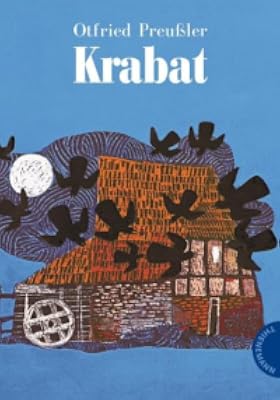
The Satanic Mill
by Otfried Preussler
On This Page
Description
In seventeenth-century Germany, a boy desperately wants to escape from a school for Black Magic where he is held captive by demonic forces.Tags
Recommendations
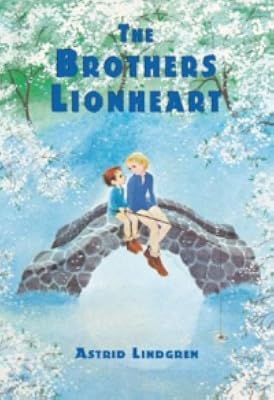
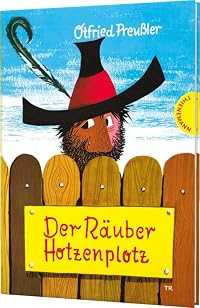
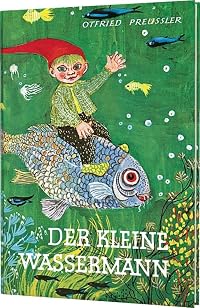
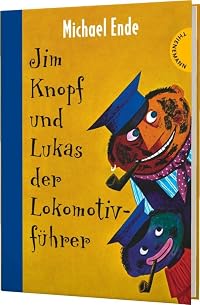













Member Recommendations
Member Reviews
New Year's has passed. Twelfth Night is almost here. Krabat, a fourteen-year-old beggar boy dressed up as one of the Three Kings, is traveling from village to village singing carols. One night he has a strange dream in which he is summoned by a faraway voice to go to a mysterious mill--and when he wakes he is irresistibly drawn there.
At the mill he finds eleven other boys, all of them, like him, the apprentices of its Master, a powerful sorcerer, as Krabat soon discovers. During the week the boys work ceaselessly grinding grain, but on Friday nights the Master initiates them into the mysteries of the ancient Art of Arts.
One day, however, the sound of church bells and of a passing girl singing an Easter hymn penetrates the boys' show more prison: At last they hatch a plan that will win them their freedom and put an end to the Master's dark designs. show less
At the mill he finds eleven other boys, all of them, like him, the apprentices of its Master, a powerful sorcerer, as Krabat soon discovers. During the week the boys work ceaselessly grinding grain, but on Friday nights the Master initiates them into the mysteries of the ancient Art of Arts.
One day, however, the sound of church bells and of a passing girl singing an Easter hymn penetrates the boys' show more prison: At last they hatch a plan that will win them their freedom and put an end to the Master's dark designs. show less
As a child I once borrowed this book from the library, and I have never forgotten how creepy it was. We're talking about a quarter of a century in which this feeling always remained with me. Not bad for a children's book.
In the opportunity to read it again, this time in its original version, having grown a little older, and having read many many books in the mean time, I must admit that this time it didn't give me the creeps anymore. However I can imagine that it will to children.
What remains is a very well built up fairytale like story, about a boy who becomes an apprentice at a mill, that isn't just a mill, but also a school of black magic. Initially attracted to the opportunities black magic creates, in the course of time the boy show more starts to see the bitter costs of these opportunities and starts his struggle to defeat his black master.
The story is set in the 17th century, in what is now the far east of Germany. Apparently ( I happen to have bought the educational edition) this story is based on old fairytales that circulated in this region, about the sorcerer's apprentice Krabat. An original version of the story is included in my edition. However, Preussler has made a multidimensional novel out of a rather one dimensional fairytale, exploring the grief that comes with losing loved ones, first love, friendship, and the frail borderline between good and evil.
Very much recommended. show less
In the opportunity to read it again, this time in its original version, having grown a little older, and having read many many books in the mean time, I must admit that this time it didn't give me the creeps anymore. However I can imagine that it will to children.
What remains is a very well built up fairytale like story, about a boy who becomes an apprentice at a mill, that isn't just a mill, but also a school of black magic. Initially attracted to the opportunities black magic creates, in the course of time the boy show more starts to see the bitter costs of these opportunities and starts his struggle to defeat his black master.
The story is set in the 17th century, in what is now the far east of Germany. Apparently ( I happen to have bought the educational edition) this story is based on old fairytales that circulated in this region, about the sorcerer's apprentice Krabat. An original version of the story is included in my edition. However, Preussler has made a multidimensional novel out of a rather one dimensional fairytale, exploring the grief that comes with losing loved ones, first love, friendship, and the frail borderline between good and evil.
Very much recommended. show less
See, now this is how it's done. Mixed in with the horror, which is seldom graphic, are scenes of comradery among the Master's men, and even of humor about the use of ordinary magic. It's a literary work, too, can be appreciated by scholarly adults as much as enjoyed by children (age 10 and up).
Interesting bit about the use of magic... one could use it for everything but life would get boring then.
Translation seems accurate, is certainly clean & graceful.
Interesting bit about the use of magic... one could use it for everything but life would get boring then.
Translation seems accurate, is certainly clean & graceful.
Uff, bin ich froh, endlich fertig damit zu sein. Hat mich ja nur 6 Monate gekostet, vielleicht auch länger.
An sich ist es gut geschrieben, die Prämisse ist interessant und spannend, und es liest sich leicht, wenn auch die Wortwahl manchmal fragwürdig ist.
Alles andere... uff, ne. Die Charaktere sind nicht gerade liebenswert, ich mochte eigentlich nur Juro.
Typisch hetero-"Liebes"-Geschichte, Richtung Disney-Prinz-Prinzessin (vor allem die alten Filme wie "Sleeping beauty" und "Schneewittchen"), aber doch nochmal kitschiger.
Auf einer Seite ist die Story ziemlich düster, auf der anderen Seite klingen manche Sätze so cringe, dass ich mich mehrmals übergeben wollte.
Beispiel – Achtung kitschig: "Es gibt eine Art von Zauberei, show more die man mühsam erlernen muss: das ist die, wie sie im Koraktor steht, Zeichen für Zeichen und Former für Formel. Und dann gibt es eine, die wächst einen aus der Tiefe des Herzens zu: aus der Sorge um jemanden, den man lieb hat."
Wenn es dabei um Familienmitglieder ginge – Geschwistern, Eltern, Kinder, was auch immer – alles schön und gut. Aber zwei Leute, die sich erst zweimal getroffen haben, und vielleicht 5 Sätze insgesamt miteinander gesprochen haben, und nicht mal einander Namen oder sonst was wissen? Das ist vielleicht ein Crush, aber nichts weiter. "Lieb haben" ist da sehr weit entfernt von. Kotz. show less
An sich ist es gut geschrieben, die Prämisse ist interessant und spannend, und es liest sich leicht, wenn auch die Wortwahl manchmal fragwürdig ist.
Alles andere... uff, ne. Die Charaktere sind nicht gerade liebenswert, ich mochte eigentlich nur Juro.
Typisch hetero-"Liebes"-Geschichte, Richtung Disney-Prinz-Prinzessin (vor allem die alten Filme wie "Sleeping beauty" und "Schneewittchen"), aber doch nochmal kitschiger.
Auf einer Seite ist die Story ziemlich düster, auf der anderen Seite klingen manche Sätze so cringe, dass ich mich mehrmals übergeben wollte.
Beispiel – Achtung kitschig: "Es gibt eine Art von Zauberei, show more die man mühsam erlernen muss: das ist die, wie sie im Koraktor steht, Zeichen für Zeichen und Former für Formel. Und dann gibt es eine, die wächst einen aus der Tiefe des Herzens zu: aus der Sorge um jemanden, den man lieb hat."
Wenn es dabei um Familienmitglieder ginge – Geschwistern, Eltern, Kinder, was auch immer – alles schön und gut. Aber zwei Leute, die sich erst zweimal getroffen haben, und vielleicht 5 Sätze insgesamt miteinander gesprochen haben, und nicht mal einander Namen oder sonst was wissen? Das ist vielleicht ein Crush, aber nichts weiter. "Lieb haben" ist da sehr weit entfernt von. Kotz. show less
Uff, bin ich froh, endlich fertig damit zu sein. Hat mich ja nur 6 Monate gekostet, vielleicht auch länger.
An sich ist es gut geschrieben, die Prämisse ist interessant und spannend, und es liest sich leicht, wenn auch die Wortwahl manchmal fragwürdig ist.
Alles andere... uff, ne. Die Charaktere sind nicht gerade liebenswert, ich mochte eigentlich nur Juro.
Typisch hetero-"Liebes"-Geschichte, Richtung Disney-Prinz-Prinzessin (vor allem die alten Filme wie "Sleeping beauty" und "Schneewittchen"), aber doch nochmal kitschiger.
Auf einer Seite ist die Story ziemlich düster, auf der anderen Seite klingen manche Sätze so cringe, dass ich mich mehrmals übergeben wollte.
Beispiel – Achtung kitschig: "Es gibt eine Art von Zauberei, die show more man mühsam erlernen muss: das ist die, wie sie im Koraktor steht, Zeichen für Zeichen und Former für Formel. Und dann gibt es eine, die wächst einen aus der Tiefe des Herzens zu: aus der Sorge um jemanden, den man lieb hat."
Wenn es dabei um Familienmitglieder ginge – Geschwistern, Eltern, Kinder, was auch immer – alles schön und gut. Aber zwei Leute, die sich erst zweimal getroffen haben, und vielleicht 5 Sätze insgesamt miteinander gesprochen haben, und nicht mal einander Namen oder sonst was wissen? Das ist vielleicht ein Crush, aber nichts weiter. "Lieb haben" ist da sehr weit entfernt von. Kotz. show less
An sich ist es gut geschrieben, die Prämisse ist interessant und spannend, und es liest sich leicht, wenn auch die Wortwahl manchmal fragwürdig ist.
Alles andere... uff, ne. Die Charaktere sind nicht gerade liebenswert, ich mochte eigentlich nur Juro.
Typisch hetero-"Liebes"-Geschichte, Richtung Disney-Prinz-Prinzessin (vor allem die alten Filme wie "Sleeping beauty" und "Schneewittchen"), aber doch nochmal kitschiger.
Auf einer Seite ist die Story ziemlich düster, auf der anderen Seite klingen manche Sätze so cringe, dass ich mich mehrmals übergeben wollte.
Beispiel – Achtung kitschig: "Es gibt eine Art von Zauberei, die show more man mühsam erlernen muss: das ist die, wie sie im Koraktor steht, Zeichen für Zeichen und Former für Formel. Und dann gibt es eine, die wächst einen aus der Tiefe des Herzens zu: aus der Sorge um jemanden, den man lieb hat."
Wenn es dabei um Familienmitglieder ginge – Geschwistern, Eltern, Kinder, was auch immer – alles schön und gut. Aber zwei Leute, die sich erst zweimal getroffen haben, und vielleicht 5 Sätze insgesamt miteinander gesprochen haben, und nicht mal einander Namen oder sonst was wissen? Das ist vielleicht ein Crush, aber nichts weiter. "Lieb haben" ist da sehr weit entfernt von. Kotz. show less
I read this when I was a kid and didn't remember anything about it besides the title. This is a retelling of a German folktale about a miller who teaches his apprentices magic. I didn't find the miller terribly evil, even though you're obviously supposed to believe he is. Overall, it's a good story with a 'love conquers all' moral.
Seilwyd stori Nos Galan ar hen chwedlau Slafig am ysgolion y Gelfyddyd Ddu, wedi eu lleoli mewn llefydd anghysbell. Mae prif gymeriad y stori hon, Krabat, yn fachgen amddifad sy'n crwydro o gwmpas Sacsoni a byw o gardota yn ystod y cyfnod sy'n dilyn y Rhyfel Deng Mlynedd ar Hugain. Mae o'n penderfynu mynd i fyw ac astudio ym melin Koselbruch lle mae meistr y felin yn dysgu i'w ddisgyblion nid yn unig sut i wneud gwaith y felin ond hefyd sut i feistroli cyfrinachau'r Gelfyddyd Ddu. Mae'n stori am ddod i oed sy'n cloi gyda gwrthdaro rhwng y disgybl a'i feistr.
Nid yw Nos Galan yn llyfr i'w ddarllen ar un ergyd. Rhaid cymryd yr amser i'w fwynhau. Gellir ei ddarllen tro ar ôl tro, a chyda phob tro dod i'w ddeall yn well.
Ar y cychwyn mae Nos show more Galan yn stori antur, ond fesul tipyn mae'n troi'n dywyllach a thywyllach. Nid yw bywyd y felin yn Koselbruch yn hawdd; mae meistr y felin yn rheoli ei ddisgyblion ag awdurdod llwyr, ac mae Angau'n gydymaith cyson. Yn y diwedd mae'n rhaid i Krabat ddewis rhwng sefyll gyda'i ffrindiau a'i gariad ynteu ufuddhau i'w feistr.
Fel yn achos y goreuon ymhlith llyfrau ar gyfer y to ifanc, mae Nos Galan yn stori gall oedolion ei mwynhau hefyd, a chael eu sugno i mewn i fyd llawn atmosffer cyfoethog hen chwedlau tywyll y Slafiaid. show less
Nid yw Nos Galan yn llyfr i'w ddarllen ar un ergyd. Rhaid cymryd yr amser i'w fwynhau. Gellir ei ddarllen tro ar ôl tro, a chyda phob tro dod i'w ddeall yn well.
Ar y cychwyn mae Nos show more Galan yn stori antur, ond fesul tipyn mae'n troi'n dywyllach a thywyllach. Nid yw bywyd y felin yn Koselbruch yn hawdd; mae meistr y felin yn rheoli ei ddisgyblion ag awdurdod llwyr, ac mae Angau'n gydymaith cyson. Yn y diwedd mae'n rhaid i Krabat ddewis rhwng sefyll gyda'i ffrindiau a'i gariad ynteu ufuddhau i'w feistr.
Fel yn achos y goreuon ymhlith llyfrau ar gyfer y to ifanc, mae Nos Galan yn stori gall oedolion ei mwynhau hefyd, a chael eu sugno i mewn i fyd llawn atmosffer cyfoethog hen chwedlau tywyll y Slafiaid. show less
Members
- Recently Added By
Lists

Favorite Childhood Books
1,651 works; 515 members

German Literature
518 works; 56 members

Beste deutschsprachige Fantasy
28 works; 2 members

Read in school
24 works; 1 member

Five star books
1,767 works; 110 members

Speculative Fiction from around the World
610 works; 18 members

al.vick-wishlist-YA
127 works; 3 members

Recommend the 20 best books you've read in the last five years
2,168 works; 601 members

Books Read in 2022
5,226 works; 112 members

EU Fiction: 1950-2022
223 works; 68 members

Books We Loved As Children
603 works; 252 members
Author Information

140+ Works 4,571 Members
Otfried Preussler was born in Reichenberg, Czechoslovakia on October 23, 1923. After graduating from high school in 1942, he was drafted into the German Army and served on the Eastern front. He spent five years as a captive of the Soviets. After being released in 1949, he moved to Rosenheim, where he was a teacher and principal in a primary show more school. He also worked as a reporter for a local newspaper and a writer for children's radio programs. He wrote 32 books during his lifetime including The Little Water Sprite and The Little Witch. He died on February 18, 2013 at the age of 89. (Bowker Author Biography) show less
Some Editions
Awards and Honors
Awards
Notable Lists
Series
Belongs to Publisher Series
Common Knowledge
- Canonical title
- The Satanic Mill
- Original title
- Krabat
- Alternate titles
- Krabat and the Sorcerer's Mill; The Curse of the Darkling Mill
- Original publication date
- 1971; 1972 (Nederlands) (Nederlands)
- People/Characters
- Krabat; The Miller; The Devil; Augustus II the Strong of Saxony (August der Starke); Lobosch; Tonda (show all 10); Petar; Juro; Michal; Merten
- Important places
- Schwarzkollm, Hoyerswerda, Saxony, Germany; Saxony, Germany
- Important events
- Great Turkish War / War of the Holy League (1683-1699); Great Northern War (1700-1721)
- Related movies
- Carodejuv ucen (1978 | IMDb); Krabat (2008 | IMDb)
- First words*
- Es war in der Zeit zwischen Neujahr und dem Dreikönigstag.
- Quotations*
- Der Meister belehrte ihn:" Du musst wissen, Krabat, dass du in einer Schwarzen Schule bist. Man lernt hier nicht Lesen und Schreiben und Rechnen - hier lernt man die Kunst der Künste. Das Buch, das da angekettet vor mir auf ... (show all)dem Tisch liegt, ist der Koraktor, der Höllenzwang. Wie du siehst, hat es schwarze Seiten, die Schrift ist weiß. Es enthält alle Zaubersprüche der Welt. Ich allein darf sie lesen, weil ich der Meister bin. Euch aber, dir und den anderen Schülern, ist es verboten, darin zu lesen, das merke dir! Und versuche nicht, mich zu hintergehen, das würde dir schlecht bekommen! Du hast mich verstanden, Krabat?
- Last words*
- (Click to show. Warning: May contain spoilers.)Während sie auf die Häuser zuschritten, fing es zu schneien an, leicht und in feinen Flocken, wie Mehl, das aus einem großen Sieb auf sie niederfiel.
- Original language
- German
*Some information comes from Common Knowledge in other languages. Click "Edit" for more information.
Classifications
Statistics
- Members
- 1,504
- Popularity
- 15,418
- Reviews
- 29
- Rating
- (4.23)
- Languages
- 18 — Czech, Danish, Dutch, English, Estonian, Finnish, French, German, Hungarian, Italian, Lithuanian, Polish, Portuguese, Russian, Spanish, Swedish, Turkish, Welsh
- Media
- Paper, Audiobook, Ebook
- ISBNs
- 88
- ASINs
- 19