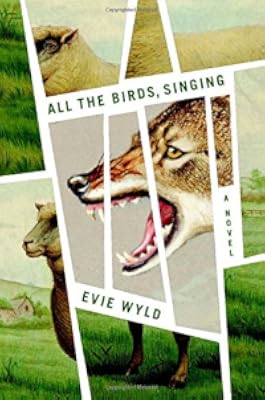
All the Birds, Singing
by Evie Wyld
On This Page
Description
"From one of Granta's Best Young British Novelists, a stunningly insightful, emotionally powerful new novel about an outsider haunted by an inescapable past: a story of loneliness and survival, guilt and loss, and the power of forgiveness. Jake Whyte is living on her own in an old farmhouse on a craggy British island, a place of ceaseless rains and battering winds. Her disobedient collie, Dog, and a flock of sheep are her sole companions, which is how she wanted it to be. But every few show more nights something--or someone--picks off one of the sheep and sounds a new deep pulse of terror. There are foxes in the woods, a strange boy and a strange man, rumors of an obscure, formidable beast. And there is also Jake's past--hidden thousands of miles away and years ago, held in the silences about her family and the scars that stripe her back--a past that threatens to break into the present. With exceptional artistry and empathy, All the Birds, Singing reveals an isolated life in all its struggles and stubborn hopes, unexpected beauty, and hard-won redemption"-- show lessTags
Recommendations

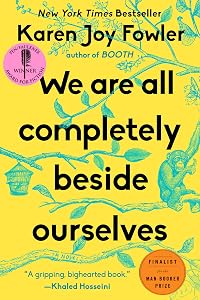
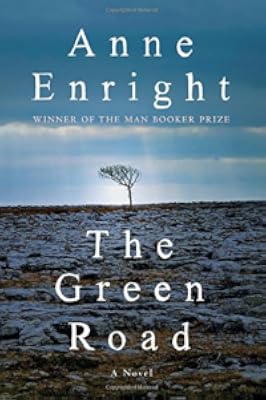
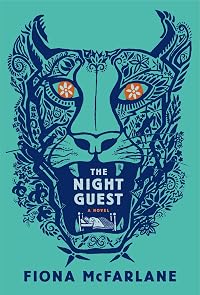
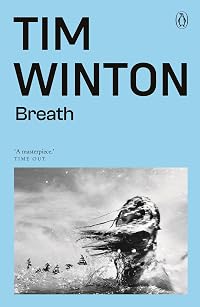

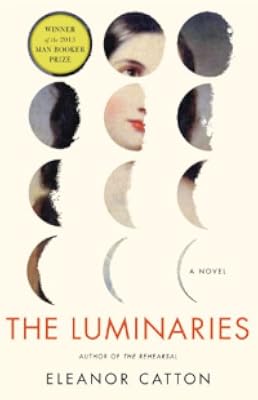
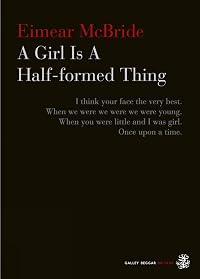

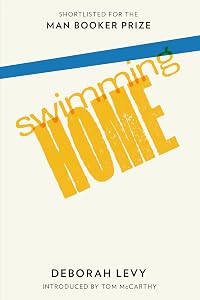

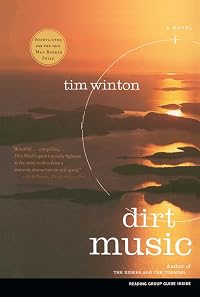

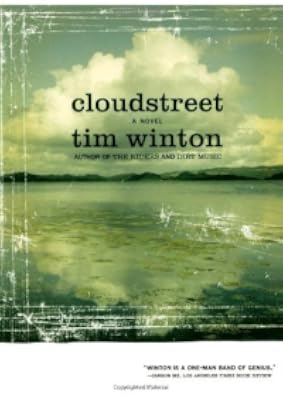
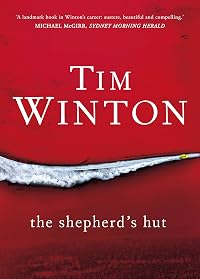
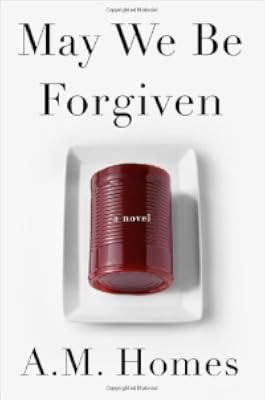
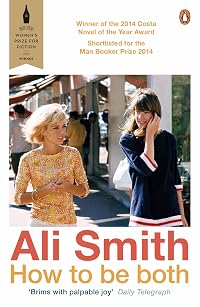





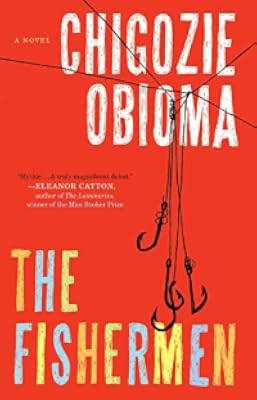

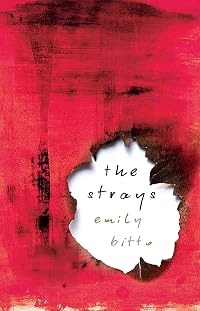
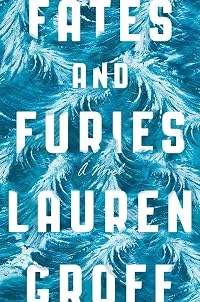

Member Recommendations
bibliovermis Another novel that can be read in either direction, exploring a teenage mistake and the moving on from it.

by Brindle
Member Reviews
Nothing in the back cover blurbs or the synopsis inside the front gave me any indication that this book was going to be gritty and harsh. It's beautifully told, though without a single unnecessary word, and yet very dark. There was a momentum that was more than just suspenseful which compelled me to drag the book around the house with me to read while I cooked and waited for websites to load because I simply couldn't stay away from the story even though I feared it would turn on me at any moment.
I don't think I could handle re-reading this book but I'd do some despicable things to be able to write like this!
I don't think I could handle re-reading this book but I'd do some despicable things to be able to write like this!
Wonderful, concise, suspenseful little novel that alternates two story lines, the first going back in time, the other progressing towards an open end. MIND! SPOILERS!!
The main protagonist is a scarred Australian young woman, who farms sheep on some wind, and rain, swept British isle. In the parallel storyline we get to know her history, backwards in time, starting with her flight from ‘captivity’ by a lonely ‘uncle’ who obviously abuses her, going back to her life as teenage prostitute who settles in with her best customer (the uncle), going back to the reason why her back is completely ravaged, namely the collective village punishment inflicted on her by whiplash for the fire she set in motion out of spite for a relationship show more between her best looking male classmate and the queen of the village (the latter dies in the fire; the former is seriously burned in it). Only by the end the reader gets to know the reason for her wounds/scars and her emotionally aberrant behaviour. The sheep farmer woman acts completely isolated from the British isle community and is only able to establish a relationship with her dog, named Dog. One by one her sheep get killed by some mysterious being, she thinks… Though initially the suspicions are directed at (1) some village youth that hang out around her farm and obviously hate her; (2) a mother fox with cubs; (3) later on, the deranged son of the neighbouring sheep farmer briefly becomes the object of suspicion…. But in the end it is some kind of murky monster that is responsible for the killings, our protagonist thinks. Meanwhile another deranged person shores up in her sheep shed, a gay man called Lloyd, from London, who carries the ashes of his deceased partner/father (?) with him during a pilgrimage around the British isles, spreading the ashes in four corners. This is the third corner… but…. He doesn't know which ritual to apply this time. Despite their obvious, mutual dislike, the two hit it off, and in the end it is Lloyd who is the more sensible man by opting to believe the monster theory proposed by the protagonist….
What makes this novel superb? The sparse prose, short sentences, active I form. The double narrative and reversal in time. The suspense thus created by going back in time – the reader wants to get to the bottom of two things (1) why is the protagonist deranged and scared of fellow people? (suspicions are that she was sexually abused as a kid by her father – not so…); (2) who or what is responsible for the mysterious sheep killings (monster? No! in the end only the protagonist can have done it… during her nightly nightmares and bouts of hysteria). What a talent! Small wonder David Vann calls her a star writer (same morbid interests, bloody killings, and thriller like suspense…) show less
The main protagonist is a scarred Australian young woman, who farms sheep on some wind, and rain, swept British isle. In the parallel storyline we get to know her history, backwards in time, starting with her flight from ‘captivity’ by a lonely ‘uncle’ who obviously abuses her, going back to her life as teenage prostitute who settles in with her best customer (the uncle), going back to the reason why her back is completely ravaged, namely the collective village punishment inflicted on her by whiplash for the fire she set in motion out of spite for a relationship show more between her best looking male classmate and the queen of the village (the latter dies in the fire; the former is seriously burned in it). Only by the end the reader gets to know the reason for her wounds/scars and her emotionally aberrant behaviour. The sheep farmer woman acts completely isolated from the British isle community and is only able to establish a relationship with her dog, named Dog. One by one her sheep get killed by some mysterious being, she thinks… Though initially the suspicions are directed at (1) some village youth that hang out around her farm and obviously hate her; (2) a mother fox with cubs; (3) later on, the deranged son of the neighbouring sheep farmer briefly becomes the object of suspicion…. But in the end it is some kind of murky monster that is responsible for the killings, our protagonist thinks. Meanwhile another deranged person shores up in her sheep shed, a gay man called Lloyd, from London, who carries the ashes of his deceased partner/father (?) with him during a pilgrimage around the British isles, spreading the ashes in four corners. This is the third corner… but…. He doesn't know which ritual to apply this time. Despite their obvious, mutual dislike, the two hit it off, and in the end it is Lloyd who is the more sensible man by opting to believe the monster theory proposed by the protagonist….
What makes this novel superb? The sparse prose, short sentences, active I form. The double narrative and reversal in time. The suspense thus created by going back in time – the reader wants to get to the bottom of two things (1) why is the protagonist deranged and scared of fellow people? (suspicions are that she was sexually abused as a kid by her father – not so…); (2) who or what is responsible for the mysterious sheep killings (monster? No! in the end only the protagonist can have done it… during her nightly nightmares and bouts of hysteria). What a talent! Small wonder David Vann calls her a star writer (same morbid interests, bloody killings, and thriller like suspense…) show less
Another sheep, mangled and bled out, her innards not yet crusting and the vapours rising from her like a steamed pudding.
Man, I love a good opening sentence. Here we have one that immediately grabs you (Another???), resonates with poetry, and, though you won’t realize it quite yet, sets up the book’s pattern of misdirection. For despite what a reading of that first sentence would lead you to believe, this is not going to unfold like a mystery novel. We are not going to have what killed these sheep ever spelled out for us. This book is about something more interesting, and far more disturbing.
Crows, their beaks shining, strutting and rasping, and when I waved my stick they flew to the trees and watched, flaring out their wings, show more singing, if you could call it that.
Let's not overlook the second sentence, either. The prose poetry continues, and it connects with the book's title: birds are going to be a persistent element in the story, looking down from a distance, observing (and judging?). Crows specifically are symbolic of a number of things: doom (the protagonist's back story, told backwards), trickery (the author's misdirections, including the protagonist's very name: Jake, suggesting a male), supernatural mystery (what might that dark shadow be that she suspects of killing the sheep?).
Jake is living on an unnamed (invented?) island off the coast of England, running a farm of 50 sheep... now down to 48. She has come for the isolation, running away from a past in Australia that will be revealed in pieces in alternating chapters that run back in time. She shies away from contact with her neighbors, believing that she's always being negatively judged.
The chapters of her past tease with gradually parceled out information. How did she get those scars on her back? What sort of relationship did she have with this Otto person? What happened to her relationship with, and within, her family? How did she come to be working as ateenage prostitute ?
The chapters of her present, in contrast to the dry heat and sharp edges of her Australian past, are wet, muddy and blurred on her English island. A drunk man stumbles onto her property and she develops perhaps a slightly unlikely relationship with him, allowing him to move in to her downstairs and help a bit with the sheep. His past is a bit shrouded, though nothing like hers. The main focus, however, is on what is killing her sheep.
This is never revealed, we are given only clues, and is the obvious source of conjecture/confusion in reviews here. Here's my guess, and you might want to stop reading now if you're reading reviews before reading the book rather than after..
The large, shadowy presence she blames for the killings is not actually an earthly physical entity, nor is it some supernatural entity acting with agency in the world. It is a metaphor for a dark past, filled with guilt. One reason for believing it's not actually "real", besides the unlikelihood of a large unknown animal living on a small island, is that on a couple of occasions she believes it enters her house: though she doesn't ever actually see it, she hears it. But she hears it doing impossible things, like racing up the stairs - where no stairs actually exist. And when she thinks see sees it in her sheep pen and shoots at it, Lloyd tells her she hit a sheep. At the end of the novel, Lloyd believes he sees it in the woods, but then he’s another person living with dark event over his head. It is suggested, though only conjectured, that another character has seen it as well – this a young man with a troubled upbringing who began acts of arson after his mother died and recently returned from being sent to jail after his father pressed charges. So it seems to make sense that this shadow is just that, a shadow, a metaphor.
What is actually killing her sheep? Just an average, everyday fox, perhaps the one she sees lurking on the edge of her woods, with two small cubs. Lurking nightmares flung up by our imaginations, informed by our past, can be far worse than what we actually find right in front of us, today. show less
Man, I love a good opening sentence. Here we have one that immediately grabs you (Another???), resonates with poetry, and, though you won’t realize it quite yet, sets up the book’s pattern of misdirection. For despite what a reading of that first sentence would lead you to believe, this is not going to unfold like a mystery novel. We are not going to have what killed these sheep ever spelled out for us. This book is about something more interesting, and far more disturbing.
Crows, their beaks shining, strutting and rasping, and when I waved my stick they flew to the trees and watched, flaring out their wings, show more singing, if you could call it that.
Let's not overlook the second sentence, either. The prose poetry continues, and it connects with the book's title: birds are going to be a persistent element in the story, looking down from a distance, observing (and judging?). Crows specifically are symbolic of a number of things: doom (the protagonist's back story, told backwards), trickery (the author's misdirections, including the protagonist's very name: Jake, suggesting a male), supernatural mystery (what might that dark shadow be that she suspects of killing the sheep?).
Jake is living on an unnamed (invented?) island off the coast of England, running a farm of 50 sheep... now down to 48. She has come for the isolation, running away from a past in Australia that will be revealed in pieces in alternating chapters that run back in time. She shies away from contact with her neighbors, believing that she's always being negatively judged.
The chapters of her past tease with gradually parceled out information. How did she get those scars on her back? What sort of relationship did she have with this Otto person? What happened to her relationship with, and within, her family? How did she come to be working as a
The chapters of her present, in contrast to the dry heat and sharp edges of her Australian past, are wet, muddy and blurred on her English island. A drunk man stumbles onto her property and she develops perhaps a slightly unlikely relationship with him, allowing him to move in to her downstairs and help a bit with the sheep. His past is a bit shrouded, though nothing like hers. The main focus, however, is on what is killing her sheep.
This is never revealed, we are given only clues, and is the obvious source of conjecture/confusion in reviews here. Here's my guess, and you might want to stop reading now if you're reading reviews before reading the book rather than after..
The large, shadowy presence she blames for the killings is not actually an earthly physical entity, nor is it some supernatural entity acting with agency in the world. It is a metaphor for a dark past, filled with guilt. One reason for believing it's not actually "real", besides the unlikelihood of a large unknown animal living on a small island, is that on a couple of occasions she believes it enters her house: though she doesn't ever actually see it, she hears it. But she hears it doing impossible things, like racing up the stairs - where no stairs actually exist. And when she thinks see sees it in her sheep pen and shoots at it, Lloyd tells her she hit a sheep. At the end of the novel, Lloyd believes he sees it in the woods, but then he’s another person living with dark event over his head. It is suggested, though only conjectured, that another character has seen it as well – this a young man with a troubled upbringing who began acts of arson after his mother died and recently returned from being sent to jail after his father pressed charges. So it seems to make sense that this shadow is just that, a shadow, a metaphor.
What is actually killing her sheep? Just an average, everyday fox, perhaps the one she sees lurking on the edge of her woods, with two small cubs. Lurking nightmares flung up by our imaginations, informed by our past, can be far worse than what we actually find right in front of us, today. show less
I quite enjoyed this, if "enjoyed" is the right term for being utterly creeped out on a number of different levels. But Wyld had control over all of them, and let the reader's darkest thoughts do a bunch of the heavy lifting as well—she did a good job invoking both the supernatural and the very, very concrete aspects of fear. The story opens with Jake Whyte, a young woman living alone on a British island tending to her sheep farm and doing her best to stay unnoticed and unallied, discovering that something has been killing off her sheep in a particularly ugly fashion.
Wyld proceeds to set up a thick net of tension in both directions, narrating Jake's past in chapters that alternate with a very ominous present. The structure is show more interesting: present-day chapters move forward in regular narrative time, but the chapters dealing with her history move backward in jumps and stutters. There's something vaguely menacing about this setup, leaving the reader keenly aware at the end of each backstory chapter how much we are at the mercy of Wyld as a storyteller, and how dependent we are on action moving in one direction; there's a very final sense, at the end of each one, that we'll not learn any more about that particular part of Jake's life, though perhaps what went before might explain something. And to throw the reader just a bit more, the past sections are narrated in present tense, the present ones in past tense. It's all a clever setup, and Wyld has a steady hand with it. The story is well told, and Jake's voice is refreshingly straightforward. The whole thing was quite satisfying, scary and emotionally bittersweet without any sentimentality. And the two dogs were great characters, even the bad one. show less
Wyld proceeds to set up a thick net of tension in both directions, narrating Jake's past in chapters that alternate with a very ominous present. The structure is show more interesting: present-day chapters move forward in regular narrative time, but the chapters dealing with her history move backward in jumps and stutters. There's something vaguely menacing about this setup, leaving the reader keenly aware at the end of each backstory chapter how much we are at the mercy of Wyld as a storyteller, and how dependent we are on action moving in one direction; there's a very final sense, at the end of each one, that we'll not learn any more about that particular part of Jake's life, though perhaps what went before might explain something. And to throw the reader just a bit more, the past sections are narrated in present tense, the present ones in past tense. It's all a clever setup, and Wyld has a steady hand with it. The story is well told, and Jake's voice is refreshingly straightforward. The whole thing was quite satisfying, scary and emotionally bittersweet without any sentimentality. And the two dogs were great characters, even the bad one. show less
Telling the story of Jake, a prickly, anti-social Australian woman, All the Birds, Singing moves back and forth between her present, where she owns a small farm on an isolated British island on which she raises sheep, to the near past, where she works as a shearer on a northern Australian sheep station, and the far past, when she became the woman that she is. This is a relatively short book, with each chapter taking place in a different time and place, with the chapters set in the past not necessarily following in chronological order. This could be confusing, but Wyld's writing, as well as the vast differences between each segment of her life, means that I was able to orient myself within a few sentences.
There is, it seems, a terrible show more secret in Jake's past, a secret that she's on the run from and while the book seems to be heading in the direction of that secret being both sordid and expected, Wyld refuses to do the predictable thing. There's also a looming danger in the woods on the outskirts of her island farm, with her sheep being killed, although it's only a few each month. Jake has ideas about what is lurking, but it's never entirely certain what is happening and what is imagined.
All the Birds, Singing is an inventive, well-written and compelling novel. It's not one that releases its answers easily and Wyld is telling only the story that needs to be told; there are no unnecessary scenes and some things are left ambiguous. I suspect I'll be thinking over this book for some time to come. show less
There is, it seems, a terrible show more secret in Jake's past, a secret that she's on the run from and while the book seems to be heading in the direction of that secret being both sordid and expected, Wyld refuses to do the predictable thing. There's also a looming danger in the woods on the outskirts of her island farm, with her sheep being killed, although it's only a few each month. Jake has ideas about what is lurking, but it's never entirely certain what is happening and what is imagined.
All the Birds, Singing is an inventive, well-written and compelling novel. It's not one that releases its answers easily and Wyld is telling only the story that needs to be told; there are no unnecessary scenes and some things are left ambiguous. I suspect I'll be thinking over this book for some time to come. show less
This book! Powerful prose oozing with ominousness, the pages practically sticky with sinisterness! The timeline was a little jumpy, disconcerting at first, but the pattern is quickly established and I soon developed a strange appreciation for it. The chapters alternate present and past, with the present moving forward, the past lapsing deeper and deeper into days gone by.
The reader is filled with anticipation while being unable to pinpoint the cause of suspense, knowing only that menace lurks somewhere in the shadows nearby. It was literary without being dull or boring, the refined edges sharp enough to cut yourself on. I can't say I understood all of the slang, but I thoroughly enjoyed my time with the main character, an Aussie living show more on a remote island off the coast of Britain. A quick read that portrays a perfect example of how to break the rules of grammar the right way. Impactful writing, eloquent imagery, a beautiful work of art. 5 stars! show less
The reader is filled with anticipation while being unable to pinpoint the cause of suspense, knowing only that menace lurks somewhere in the shadows nearby. It was literary without being dull or boring, the refined edges sharp enough to cut yourself on. I can't say I understood all of the slang, but I thoroughly enjoyed my time with the main character, an Aussie living show more on a remote island off the coast of Britain. A quick read that portrays a perfect example of how to break the rules of grammar the right way. Impactful writing, eloquent imagery, a beautiful work of art. 5 stars! show less
In this latest novel by author Evie Wyld, she doesn’t waste any time with some namby pamby opening sentence. Instead she jumps right into the middle of, well, things:
“Another sheep, mangled and bled out, her innards not yet crusting and the vapours rising from her like a steamed pudding.”
In fact, Wyld seems determined to mess with all kinds of proper story etiquette. For one thing, Jake Whyte, the narrator, isn’t exactly your typical romantic heroine. Although we never get a really good look at her, her name isn’t the only thing about her that seems rather manly. She’s no petite princess. She’s tall and big, she can shear sheep with the best of them and the sight of maggots and blood doesn’t give her even a twinge. To show more her fellow sheep shearers, she’s a ‘good bloke’. Her life seems an isolated one even when she is around others but that seems to suit her – she is a survivor not a victim.
But it’s not just that All The Birds, Singing starts off with such a bang or that the narrator is hardly the standard heroine or even that this is a story built around sheep (not something most people would expect in one truly absorbing tale). No, it’s also the, at times, disconcerting way the story is told. It starts out in the middle of the tale but then the beginning and the end are told in tandem as the story moves forward to the end of Jake’s narrative and backward to the beginning of it so that it finally ends at the beginning. As we learn about Jake’s life as a sheep rancher on a small island off the coast of Britain, we also slowly learn about her early life in Australia and about how she ended up on this Godforsaken island where violence is just part of life whether it involves animals or other people and everybody’s business is nobody else’s. Along the way, Wyld drops breadcrumbs for the reader to follow but she makes it plain that not every question will receive an answer, not even some of the most pressing ones. In fact, she makes a point of telling us that. At one point, a stranger shows up pretty much on Jake’s remote doorstep and becomes an integral part of the story. After they have spent some time together, he finally says to her “So…I suppose you’re wondering what I’m doing here?” Jake doesn’t bother to answer so he doesn’t tell and we are left to wonder (or not) what his story is. This is Jake’s story and his is only relevant as it touches hers. And then of course there’s the question of who or what is killing her sheep…?
All the Birds, Singing is not for everyone. Some readers might find the profanities and sex disturbing. There is little humour and the story would seem very bleak at times if not for Jake’s matter-of-fact way of dealing with everything that comes her way and the occasional act of kindness of friends and neighbours. But Wyld has a deft touch with description and her prose is beautiful if dark so, for the reader who’s looking for something a bit different, All the Birds, Singing may just be what they’re looking for. show less
“Another sheep, mangled and bled out, her innards not yet crusting and the vapours rising from her like a steamed pudding.”
In fact, Wyld seems determined to mess with all kinds of proper story etiquette. For one thing, Jake Whyte, the narrator, isn’t exactly your typical romantic heroine. Although we never get a really good look at her, her name isn’t the only thing about her that seems rather manly. She’s no petite princess. She’s tall and big, she can shear sheep with the best of them and the sight of maggots and blood doesn’t give her even a twinge. To show more her fellow sheep shearers, she’s a ‘good bloke’. Her life seems an isolated one even when she is around others but that seems to suit her – she is a survivor not a victim.
But it’s not just that All The Birds, Singing starts off with such a bang or that the narrator is hardly the standard heroine or even that this is a story built around sheep (not something most people would expect in one truly absorbing tale). No, it’s also the, at times, disconcerting way the story is told. It starts out in the middle of the tale but then the beginning and the end are told in tandem as the story moves forward to the end of Jake’s narrative and backward to the beginning of it so that it finally ends at the beginning. As we learn about Jake’s life as a sheep rancher on a small island off the coast of Britain, we also slowly learn about her early life in Australia and about how she ended up on this Godforsaken island where violence is just part of life whether it involves animals or other people and everybody’s business is nobody else’s. Along the way, Wyld drops breadcrumbs for the reader to follow but she makes it plain that not every question will receive an answer, not even some of the most pressing ones. In fact, she makes a point of telling us that. At one point, a stranger shows up pretty much on Jake’s remote doorstep and becomes an integral part of the story. After they have spent some time together, he finally says to her “So…I suppose you’re wondering what I’m doing here?” Jake doesn’t bother to answer so he doesn’t tell and we are left to wonder (or not) what his story is. This is Jake’s story and his is only relevant as it touches hers. And then of course there’s the question of who or what is killing her sheep…?
All the Birds, Singing is not for everyone. Some readers might find the profanities and sex disturbing. There is little humour and the story would seem very bleak at times if not for Jake’s matter-of-fact way of dealing with everything that comes her way and the occasional act of kindness of friends and neighbours. But Wyld has a deft touch with description and her prose is beautiful if dark so, for the reader who’s looking for something a bit different, All the Birds, Singing may just be what they’re looking for. show less
Members
- Recently Added By
Published Reviews
ThingScore 100
You could hardly say that All the Birds, Singing lures you in under false pretences. From the first line – "Another sheep, mangled and bled out, her innards not yet crusting and the vapours rising from her like a steamed pudding" – it is a tale that oozes, drips, throbs with menace.
added by bergs47
Lists

Your favorite books from the 2014 Baileys Women's Prize for Fiction
20 works; 23 members

2015 Tournament of Books
16 works; 19 members

Missing Books
46 works; 1 member

Animals in the Title
498 works; 11 members

Australia, Oceania, Antarctica
51 works; 5 members

Books Read in 2019
4,052 works; 110 members

Books Read in 2024
4,727 works; 128 members
Author Information

11+ Works 2,094 Members
Evie Wyld won the 2014 Barnes and Noble Discover Award for her title All the Birds, Singing. This is a Great New Writers Award in the category of fiction. Wyld will receive US$10,000 and a year's worth of marketing and merchandising support for her book from B&N. The awards are part of B&N's Discover. (Bowker Author Biography)
Some Editions
Awards and Honors
Awards
Common Knowledge
- Canonical title
- All the Birds, Singing
- Original publication date
- 2013
- People/Characters
- Jake; Lloyd; Don; Otto
- Important places
- Australia; Western Australia, Australia; Australian Outback
- Dedication
- For Roz, Roy and Gus
- First words
- Another sheep, mangled and bled out, her innards not yet crusting and the vapours rising from her like a steamed pudding.
- Last words
- (Click to show. Warning: May contain spoilers.)Dad opens the fridge and takes out a beer and it hisses open and this is how life will always be, and I will always be here.
- Original language
- English
- Canonical DDC/MDS
- 823.92
- Canonical LCC
- PR6123.Y43
Classifications
Statistics
- Members
- 1,010
- Popularity
- 25,855
- Reviews
- 61
- Rating
- (3.67)
- Languages
- 5 — Dutch, English, Finnish, French, Portuguese
- Media
- Paper, Audiobook, Ebook
- ISBNs
- 37
- ASINs
- 6