1808: Como Uma Rainha Louca, Um Príncipe Medroso E Uma Corte Corrupta Enganaram Napoleão E Mudaram A História De Portugal E Do Brasil
by Laurentino Gomes
On This Page
Description
In a time of terror for Europe's monarchs—imprisoned, exiled, executed—Napoleon's army marched toward Lisbon. Cornered, Prince Regent João had to make the most fraught decision of his life. Protected by the British Navy, he fled to Brazil with his entire family, including his deranged mother, most of the nobility, and the entire state apparatus. Until then, no European monarch had ever set foot in the Americas.Thousands made the voyage, but it was no luxury cruise. It took two months show more in cramped, decrepit ships. Lice infested some of the vessels, and noble women had to shave their hair and grease their bald heads with antiseptic sulfur. Vermin infested the food, and bacteria contaminated the drinking water. Sickness ran rampant.
After landing in Brazil, Prince João liberated the colony from a trade monopoly with Portugal. As explorers mapped the burgeoning nation's distant regions, the prince authorized the construction of roads, the founding of schools, and the creation of factories, raising Brazil to kingdom status in 1815. Meanwhile, Portugal was suffering the effects of abandonment, war, and famine. Never had the country lost so many people in so little time.
Finally, after Napoleon's fall and over a decade of misery, the Portuguese demanded the return of their king. João sailed back in tears in 1821, and the last chapter of colonial Brazil drew to a close, setting the stage for the strong, independent nation that we know today, changing the New World forever.
. show less
Tags
Recommendations



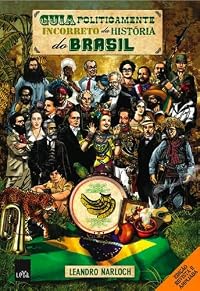




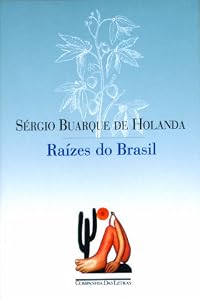







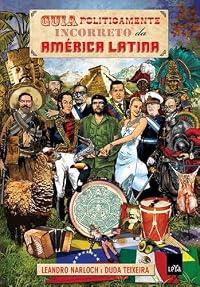
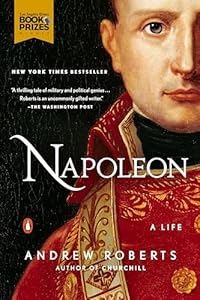
















Member Recommendations
akblanchard Two nineteenth-century dynasties, the British Dickens family and the Portuguese House of Braganza, struggle with changing times and long voyages by sea.


Member Reviews
I have to admit that I knew very little about Portuguese and Brazilian history prior to reading this book, except the fact that Brazil was once a Portuguese colony.
In November, 1808 the entire upper echelon of Portuguese society, including Prince Regent João VI, his wife Carlota Joaquina, their court, and most of the small country's professional class (an estimated total of 10,000 to 15,000 people), fled Portugal in fear of Napoleon's approaching army. João's mother Maria I was the nominal sovereign at this time, but she was insane. Despite her advanced age and poor mental health, she, too, went on the voyage to Brazil, the harrowing details of which Gomes vividly describes.
The court, which was among the most reactionary and corrupt show more in Europe, was re-established in Brazil. João ruled both Portugal and Brazil from Rio de Janeiro until the court's return to Lisbon in 1821. Despite the government's deficiencies and anxieties regarding revolution (newspapers could only be circulated in Brazil if the publishers agreed not to criticize the monarchy), the years the court spent in Brazil transformed the backwater colony into a land almost ready for independence, which it declared in 1822.
João VI is often thought of as a weak and indecisive ruler, but this book demonstrates that his actions had an impact on the course of South American history. If he hadn't unified Brazil, it is likely that the large territory would have split into (possibly three) separate countries.
Author Laurentino Gomes calls 1808 a work of journalism rather than of historical scholarship. He glosses over some points I wish he had examined in more detail. For example, Gomes writes that Maria I's delusions and hallucinations may have been caused by the hereditary metabolic disease porphyria. He points out that Maria's contemporary George III of Great Britain may have also had this disease (the movie The Madness of King George notwithstanding, the British ruler's diagnosis has never been confirmed). Gomes doesn't supply any evidence for this assertion about Maria's illness, and he doesn't tell the reader how Maria and George were related, if at all. "Porphyria" is not even an entry in the index.
This book focuses more on events than on personalities. In particular I would have liked more details about the relationship of João VI and Carlota--this unattractive couple had nine children despite their hatred of each other. Carlota actively tried to have her husband removed from the throne. There's a lot of human drama here, and I wish more of it had been included.
Despite its flaws, I enjoyed reading this book, and intend to read the other two volumes in the planned trilogy show less
In November, 1808 the entire upper echelon of Portuguese society, including Prince Regent João VI, his wife Carlota Joaquina, their court, and most of the small country's professional class (an estimated total of 10,000 to 15,000 people), fled Portugal in fear of Napoleon's approaching army. João's mother Maria I was the nominal sovereign at this time, but she was insane. Despite her advanced age and poor mental health, she, too, went on the voyage to Brazil, the harrowing details of which Gomes vividly describes.
The court, which was among the most reactionary and corrupt show more in Europe, was re-established in Brazil. João ruled both Portugal and Brazil from Rio de Janeiro until the court's return to Lisbon in 1821. Despite the government's deficiencies and anxieties regarding revolution (newspapers could only be circulated in Brazil if the publishers agreed not to criticize the monarchy), the years the court spent in Brazil transformed the backwater colony into a land almost ready for independence, which it declared in 1822.
João VI is often thought of as a weak and indecisive ruler, but this book demonstrates that his actions had an impact on the course of South American history. If he hadn't unified Brazil, it is likely that the large territory would have split into (possibly three) separate countries.
Author Laurentino Gomes calls 1808 a work of journalism rather than of historical scholarship. He glosses over some points I wish he had examined in more detail. For example, Gomes writes that Maria I's delusions and hallucinations may have been caused by the hereditary metabolic disease porphyria. He points out that Maria's contemporary George III of Great Britain may have also had this disease (the movie The Madness of King George notwithstanding, the British ruler's diagnosis has never been confirmed). Gomes doesn't supply any evidence for this assertion about Maria's illness, and he doesn't tell the reader how Maria and George were related, if at all. "Porphyria" is not even an entry in the index.
This book focuses more on events than on personalities. In particular I would have liked more details about the relationship of João VI and Carlota--this unattractive couple had nine children despite their hatred of each other. Carlota actively tried to have her husband removed from the throne. There's a lot of human drama here, and I wish more of it had been included.
Despite its flaws, I enjoyed reading this book, and intend to read the other two volumes in the planned trilogy show less
A very interesting history of a lesser-known portion of the Napoleonic era. I had been previously aware that the Portuguese royal family had relocated to the colony of Brazil during the Napoleonic Wars and that subsequently Brazil became an independent nation ruled by a branch of the royal family. This book provides a lot of information about the transitional period during which the Portuguese monarch ruled from Brazil and attempts to provide a sense of the period. However, (and it may be the translation at fault here) this book seems very disjointed in terms of its narrative and it never quite captures the zeitgeist which makes the great histories so powerful. Interesting, but not stellar.
Gomes did a great job at giving the reader a good picture of this time period and the flight the emperor and those with him faced as they fled to Brazil. I really enjoyed how the author made sure to mention the little details that these people faced such as the conditions on board the ships, the problems that arose during the sail over, the differences in the conditions once they reached Brazil compared to what they had before, and the monetary figures back then compared to the amounts they would be today. Gomes did an amazing job of giving the reader a complete picture of the flight, the changes that happened in Brazil as a result of that flight, an idea of what was happening still at home, and a good picture of the major players show more involved. Before reading this book, I was not as familiar with the flight, Brazil's history, and the impact this move had on both shores as I am with other areas of history, and now after reading this book I find myself having learned a lot. Overall this book proved to be a compelling read that taught me a lot about this time period and the people involved. I would definitely recommend this book to anyone with an interest in learning more about Prince Regent Joao and the impact this flight had. show less
This book tells the story of how the Portuguese royal family tricked Napoleon and fled to Brazil in 1808. They successfully reconstituted their court and a government-in-exile, which laid the groundwork for Brazil to unify and ultimately become an independent country. I enjoyed it very much and can't wait until Gomes's other two books on Brazilian history are translated!
This book tells the story of how the Portuguese royal family tricked Napoleon and fled to Brazil in 1808. They successfully reconstituted their court and a government-in-exile, which laid the groundwork for Brazil to unify and ultimately become an independent country. I enjoyed it very much and can't wait until Gomes's other two books on Brazilian history are translated!
Como uma rainha louca, um príncipe medroso e uma corte corrupta enganaram Napoleão e mudaram a História de Portugal e do Brasil é um livro de história do Brasil escrito por Laurentino Gomes e publicado em 2006, que conta sobre a vinda da família real portuguesa ao Brasil neste ano.
No livro, Laurentino Gomes contextualiza a vinda da família real às condições políticas, econômicas e sociais da época em Portugal, França, na Inglaterra e no Brasil. Até o final de 2008, o livro já tinha vendido mais de 350 mil exemplares no Brasil e 50 mil em Portugal. [1]
Em 2008, 1808 recebeu o prêmio de melhor Livro de Ensaio da Academia Brasileira de Letras e o Prêmio Jabuti de Literatura na categoria de livro-reportagem e de livro do show more ano de não-ficção.[1][2] show less
No livro, Laurentino Gomes contextualiza a vinda da família real às condições políticas, econômicas e sociais da época em Portugal, França, na Inglaterra e no Brasil. Até o final de 2008, o livro já tinha vendido mais de 350 mil exemplares no Brasil e 50 mil em Portugal. [1]
Em 2008, 1808 recebeu o prêmio de melhor Livro de Ensaio da Academia Brasileira de Letras e o Prêmio Jabuti de Literatura na categoria de livro-reportagem e de livro do show more ano de não-ficção.[1][2] show less
História popular como se deve fazer.
Members
- Recently Added By
Author Information

16 Works 1,454 Members
Awards and Honors
Common Knowledge
- Canonical title*
- 1808
- Original title
- 1808: Como uma Rainha Louca, um Príncipe Medroso e uma Corte Corrupta Enganaram Napoleão e Mudaram a História de Portugal e do Brasil
- Original publication date
- 2007
- People/Characters
- Dom João IV; Carlota Joaquina
- Important places
- Rio de Janeiro, Brazil; Lisboa, Portugal
- Original language
- Portuguese
*Some information comes from Common Knowledge in other languages. Click "Edit" for more information.
Classifications
Statistics
- Members
- 545
- Popularity
- 54,281
- Reviews
- 14
- Rating
- (3.86)
- Languages
- English, Portuguese (Brazil), Portuguese (Portugal)
- Media
- Paper, Ebook
- ISBNs
- 12
- UPCs
- 1
- ASINs
- 2