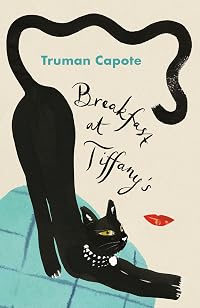
Breakfast at Tiffany's: A Short Novel and Three Stories
by Truman Capote
On This Page
Description
In this seductive, wistful masterpiece, Truman Capote created a woman whose name has entered the American idiom and whose style is a part of the literary landscape. Holly Golightly knows that nothing bad can ever happen to you at Tiffany's; her poignancy, wit, and naïveté continue to charm.This volume also includes three of Capote's best-known stories, “House of Flowers,” “A Diamond Guitar,” and “A Christmas Memory,” which the Saturday Review called “one of the most moving show more stories in our language.” It is a tale of two innocents—a small boy and the old woman who is his best friend—whose sweetness contains a hard, sharp kernel of truth.
. Classic Literature. Literature. Fiction. show less
Tags
Recommendations






Member Reviews
For the most part, Breakfast at Tiffany’s the movie stays fairly true to the novella. Those areas in which the movie and the novella differ, however, change the entire flavor of the story. Readers who are only familiar with the movie may experience shock at how jaded and how very young Holly is. More importantly, they will not expect the darker feel of the story, the seediness of Holly’s relationships and the amount of manipulation she exhibits.
Truman Capote’s Holly Golightly is not the fresh-faced, harmless ingenue Audrey Hepburn created. Rather, his vision is a very clearly defined Marilyn Monroe lookalike who is all about sex and titillation. Of most importance is the fact that she is young, still several years shy of her 20s, show more but there is an air of hard experience that is disheartening to see. As she reveals her background to her unnamed neighbor, one realizes that the true tragedy of her life, the one that created the woman she is right now, lies in those unspoken memories she will never discuss. For all her lightness and ability to live in the moment, there is very much an aspect about her of a frightened deer, one who is always on the verge of running away to a safe spot.
Michael C. Hall does an excellent job narrating. As the unnamed neighbor, he comes across as a remote observer who is desperately trying to hide his fascination with Miss Golightly. Mr. Hall attempts to use different voices for the various characters but never lets them interfere with his main job as the unnamed neighbor/narrator. Rather, he ensures listeners understand that the neighbor’s studied indifference to Holly’s past is nothing but a front. His performance is dispassionate and collected, making the casualness with which he describes certain events that much more effective in showcasing just how much the neighbor admired and adored Holly.
The language is the true star of Breakfast at Tiffany’s. Mr. Capote’s phrasing is superb, and those readers who like to take notes or jot down powerful phrases and sentences will have plenty of note-taking fodder. Mr. Capote’s observations about life, as filtered through Holly, are simply outstanding. He astutely tells readers how it is but does so without being overly saccharine or bitter.
While the movie version is beloved and acclaimed for a reason, one cannot help but feel the movie does Mr. Capote’s original story a disservice. By removing Holly’s harsher edges and glamorizing her lifestyle, the movie misses the point. While Audrey Hepburn captured Holly’s yearning for a better life, the movie is too much like a fairy tale, whereas the novella is much harsher in its depiction of life’s consequences. Some readers will not like the original, deeming it too dark and depressing. Others will adore the realism of the story and Holly’s very fragile sense of happiness and contentment. All readers will understand why critics consider Breakfast at Tiffany’s Mr. Capote’s masterpiece because he packs a powerful punch into a very short work of fiction. show less
Truman Capote’s Holly Golightly is not the fresh-faced, harmless ingenue Audrey Hepburn created. Rather, his vision is a very clearly defined Marilyn Monroe lookalike who is all about sex and titillation. Of most importance is the fact that she is young, still several years shy of her 20s, show more but there is an air of hard experience that is disheartening to see. As she reveals her background to her unnamed neighbor, one realizes that the true tragedy of her life, the one that created the woman she is right now, lies in those unspoken memories she will never discuss. For all her lightness and ability to live in the moment, there is very much an aspect about her of a frightened deer, one who is always on the verge of running away to a safe spot.
Michael C. Hall does an excellent job narrating. As the unnamed neighbor, he comes across as a remote observer who is desperately trying to hide his fascination with Miss Golightly. Mr. Hall attempts to use different voices for the various characters but never lets them interfere with his main job as the unnamed neighbor/narrator. Rather, he ensures listeners understand that the neighbor’s studied indifference to Holly’s past is nothing but a front. His performance is dispassionate and collected, making the casualness with which he describes certain events that much more effective in showcasing just how much the neighbor admired and adored Holly.
The language is the true star of Breakfast at Tiffany’s. Mr. Capote’s phrasing is superb, and those readers who like to take notes or jot down powerful phrases and sentences will have plenty of note-taking fodder. Mr. Capote’s observations about life, as filtered through Holly, are simply outstanding. He astutely tells readers how it is but does so without being overly saccharine or bitter.
While the movie version is beloved and acclaimed for a reason, one cannot help but feel the movie does Mr. Capote’s original story a disservice. By removing Holly’s harsher edges and glamorizing her lifestyle, the movie misses the point. While Audrey Hepburn captured Holly’s yearning for a better life, the movie is too much like a fairy tale, whereas the novella is much harsher in its depiction of life’s consequences. Some readers will not like the original, deeming it too dark and depressing. Others will adore the realism of the story and Holly’s very fragile sense of happiness and contentment. All readers will understand why critics consider Breakfast at Tiffany’s Mr. Capote’s masterpiece because he packs a powerful punch into a very short work of fiction. show less
Breakfast at Tiffany's is arguably Truman Capote's most famous work (rivaling only In Cold Blood), and it tells the story of a very young, eccentric call girl living in New York City, as told through the eyes of a her new neighbor.
The film version of Breakfast at Tiffany's has long been one of my favorite movies, one that I've watched and re-watched dozens of times. For some time, I'd been wanting to get around to reading the source material, and I'm glad that I finally did. I had been prepared to expect a different story from the one I knew from the film, especially two major changes:the not-Hollywood ending and that the narrator remains nameless without the relatively richer backstory of Paul Varjack . There were other notable show more differences as well - such as the novella being set in an earlier decade than the film lets on - but I was pleasantly surprised to see how closely the two sometimes aligned; large chunks of dialogue were exactly the same and certain scenarios were almost identical. The novella also surprised me in being able to pack so much in to what is essentially a long short story - about 80 pages of prose managed to give a number of interesting and memorable characters having a variety of adventures and misadventures. It also provides plenty of fodder for interpretation and speculation for those who wish to dig deeper.
My copy also contains three short stories: "House of Flowers," "A Diamond Guitar," and "A Christmas Memory." If I had to pull out a common thread among the three stories and the novella, it would be that unlikely friendships exist at the heart of each of them (although this is more of a stretch with "House of Flowers"): the unforgettable call girl and the featureless neighbor, the young flighty prostitute and the older grounded ones, the staid prisoner and the flashy one, the old mentally delayed woman and the young intellectual boy. The first two stories are clearly fiction, while the latter seems to be pulled at least in part from Capote's own childhood.
"House of Flowers" was my least favorite of the three; it started out with an evocative look at the lives of these three prostitutes and ended up with some weird voodoo stuff (because it takes place in Haiti so of course we have to go down that route). "A Diamond Guitar" was a touching story, also very evocative, about two prisoners who strike up a friendship that ultimately leaves them both disappointed. "A Christmas Memory" is about a young boy living with an older relative who is strongly implied to have some sort of developmental disability - she is very kind, but not very sharp. This is probably the story that touches readers the most, but it struck me as a tad bit too saccharine at times. Nevertheless, it was still an interesting "slice of life" read that is well written.
Altogether, the novella and the three short stories were very satisfying but also left me craving some more Capote works to read, which is really the best way for a book to end! show less
The film version of Breakfast at Tiffany's has long been one of my favorite movies, one that I've watched and re-watched dozens of times. For some time, I'd been wanting to get around to reading the source material, and I'm glad that I finally did. I had been prepared to expect a different story from the one I knew from the film, especially two major changes:
My copy also contains three short stories: "House of Flowers," "A Diamond Guitar," and "A Christmas Memory." If I had to pull out a common thread among the three stories and the novella, it would be that unlikely friendships exist at the heart of each of them (although this is more of a stretch with "House of Flowers"): the unforgettable call girl and the featureless neighbor, the young flighty prostitute and the older grounded ones, the staid prisoner and the flashy one, the old mentally delayed woman and the young intellectual boy. The first two stories are clearly fiction, while the latter seems to be pulled at least in part from Capote's own childhood.
"House of Flowers" was my least favorite of the three; it started out with an evocative look at the lives of these three prostitutes and ended up with some weird voodoo stuff (because it takes place in Haiti so of course we have to go down that route). "A Diamond Guitar" was a touching story, also very evocative, about two prisoners who strike up a friendship that ultimately leaves them both disappointed. "A Christmas Memory" is about a young boy living with an older relative who is strongly implied to have some sort of developmental disability - she is very kind, but not very sharp. This is probably the story that touches readers the most, but it struck me as a tad bit too saccharine at times. Nevertheless, it was still an interesting "slice of life" read that is well written.
Altogether, the novella and the three short stories were very satisfying but also left me craving some more Capote works to read, which is really the best way for a book to end! show less
It's no longer shameful to admit that you find a three-minute pop song to be profoundly moving, that you fell in love with a movie character, or even that you cried when a character died in a video game, even though these mediums still may not constitute what most people think of as high art. Truman Capote beat everyone to the punch by about half a century with "Breakfast at Tiffany's," in which substance, in the form of the young narrator, an aspiring writer, is beguiled by style, in the form of a beautiful, shallow and yet utterly bewitching escort, and makes no apologies at all. The novel's a delightful, deliberate inversion of traditional artistic values: Holly Golightly is interested in dating a writer or two, but doesn't read. She show more mocks her Brazilian boyfriend's political aspirations, but wants to be seen at the hippest cafés in town. Furthermore, she works hard to look her best and lies shamelessly about her past. Still, she must have something -- a talent for life, an appreciation of beauty, a spark -- or else our narrator wouldn't be so fascinated with her. It's the inexplicable, undefinable nature of this attraction that lies at the heart of this book, and Capote's capable of convincing even the most serious-minded reader that it's a matter well worth considering. Love, even puppy love, makes a mockery of our most careful judgments, then as now.
There's more to the book, of course. Capote's writing is unbelievably clean and fresh, a pitch-perfect evocation of a time and place -- New York City in the optimistic fifties -- and his characters are instantly, indelibly memorable. The novel also serves as a reminder of the power of good casting -- it's hard not to picture Audrey Hepburn as the gamine at the center of the book. The other stories here, one of which is set in Haiti, the other in a Southern prison, are also exquisitely composed and serve to show the breadth of Capote's interests and experience. It's the final story, "A Christmas Memory" that's the real killer here, and perhaps the perfect companion to "Breakfast at Tiffany's." There are so many gloopy, sentimental, and downright awful cultural products out there celebrating that particular time of the year that it's astonishing to find one as well-written, and as genuinely affecting, as "A Christmas Memory." Some readers will, of course, consider it nothing more than seasonal kitsch, but it plucked at my heartstrings so skillfully and so effortlessly that I'm sure that there's merit in it somewhere. I've no doubt that Holly Golightly would understand. show less
There's more to the book, of course. Capote's writing is unbelievably clean and fresh, a pitch-perfect evocation of a time and place -- New York City in the optimistic fifties -- and his characters are instantly, indelibly memorable. The novel also serves as a reminder of the power of good casting -- it's hard not to picture Audrey Hepburn as the gamine at the center of the book. The other stories here, one of which is set in Haiti, the other in a Southern prison, are also exquisitely composed and serve to show the breadth of Capote's interests and experience. It's the final story, "A Christmas Memory" that's the real killer here, and perhaps the perfect companion to "Breakfast at Tiffany's." There are so many gloopy, sentimental, and downright awful cultural products out there celebrating that particular time of the year that it's astonishing to find one as well-written, and as genuinely affecting, as "A Christmas Memory." Some readers will, of course, consider it nothing more than seasonal kitsch, but it plucked at my heartstrings so skillfully and so effortlessly that I'm sure that there's merit in it somewhere. I've no doubt that Holly Golightly would understand. show less
Some of us of a certain age first came to know Truman Capote as a celebrity rather than an author. Back in the day, he was a frequent talk show guest, known largely for his outspoken comments, acerbic wit, high-profile feuds with other personalities, and flamboyant, over-the-top style. In time, a variety of addictions and personal demons rendered him a caricature of himself and ultimately led to his early demise. What a shame that was because the memory we were left with at the time was one of a rather silly man who was responsible for his own destruction. Fortunately, those memories faded with the years, but the legacy of the remarkable fiction Capote produced—including such notable works as Other Voices, Other Rooms and In Cold show more Blood—survives to remind us of what a talented writer he was.
In Breakfast at Tiffany’s, Capote produced a collection of four works of short fiction that do not share any unifying themes beyond being strong and affecting stories. For me, the clear standouts in the group are “Breakfast at Tiffany’s”, the title story that really is more of a novella in terms of its length, and “A Christmas Memory”. Both are superbly paced and well written, despite the nature of the tales they tell being drastically different. In the first, we spend a season in the New York City of the 1940s getting to know Holly Golightly, a quixotic young socialite with no apparent means and a shady past. As seen through the eyes of one of her neighbors, a would-be writer who may well be in love with her, we come to realize that beneath the external glamour, she is a fragile and troubled person. Despite its pervasive sadness, this is a deeply poignant tale and in Holly the author has created an iconic character for the ages.
The other gem in the collection is an elegiac story of the last Christmas a young seven-year-old boy spends with his sixty-something cousin. They are dirt poor, but the sweet and loving nature of their relationship makes them rich in other ways. The two are at opposite ends of their lives—the boy just beginning and the older woman not far from the end—but the bond they share sustains them and the memories they make form the foundation of the young man’s future essence. While nothing dramatic happens, this is one of the most touching and emotionally satisfying stories I have read. The other tales in the book—“House of Flowers” and “A Diamond Guitar”—are solid, but far slighter in both ambition and impact. There is nothing especially wrong with either, but they do suffer somewhat in comparison to the stronger entries. Overall, Breakfast at Tiffany’s is an excellent example of how splendid Capote’s writing could be. show less
In Breakfast at Tiffany’s, Capote produced a collection of four works of short fiction that do not share any unifying themes beyond being strong and affecting stories. For me, the clear standouts in the group are “Breakfast at Tiffany’s”, the title story that really is more of a novella in terms of its length, and “A Christmas Memory”. Both are superbly paced and well written, despite the nature of the tales they tell being drastically different. In the first, we spend a season in the New York City of the 1940s getting to know Holly Golightly, a quixotic young socialite with no apparent means and a shady past. As seen through the eyes of one of her neighbors, a would-be writer who may well be in love with her, we come to realize that beneath the external glamour, she is a fragile and troubled person. Despite its pervasive sadness, this is a deeply poignant tale and in Holly the author has created an iconic character for the ages.
The other gem in the collection is an elegiac story of the last Christmas a young seven-year-old boy spends with his sixty-something cousin. They are dirt poor, but the sweet and loving nature of their relationship makes them rich in other ways. The two are at opposite ends of their lives—the boy just beginning and the older woman not far from the end—but the bond they share sustains them and the memories they make form the foundation of the young man’s future essence. While nothing dramatic happens, this is one of the most touching and emotionally satisfying stories I have read. The other tales in the book—“House of Flowers” and “A Diamond Guitar”—are solid, but far slighter in both ambition and impact. There is nothing especially wrong with either, but they do suffer somewhat in comparison to the stronger entries. Overall, Breakfast at Tiffany’s is an excellent example of how splendid Capote’s writing could be. show less
Review of Breakfast at Tiffany's, not the 'three stories'.
Two stars, rather than one, because I think Capote occasionally reached up to strike at something more - interesting - than the pretension of worldliness and world-weariness he explores here. And pretension is the main theme: I don't believe a single character for a moment. If only the 'phonies' weren't so damn dull.
And, oh! the misogyny! the casual racism! Capote created a story that can't exist out of its time frame, forgetting tempus fugit; reading it 50 years after publication, the slang is indecipherable, the mores obsolete (and good riddance). Whereas Fitzgerald creates and transcends his era, Breakfast makes me glad of the new century. Blah.
Two stars, rather than one, because I think Capote occasionally reached up to strike at something more - interesting - than the pretension of worldliness and world-weariness he explores here. And pretension is the main theme: I don't believe a single character for a moment. If only the 'phonies' weren't so damn dull.
And, oh! the misogyny! the casual racism! Capote created a story that can't exist out of its time frame, forgetting tempus fugit; reading it 50 years after publication, the slang is indecipherable, the mores obsolete (and good riddance). Whereas Fitzgerald creates and transcends his era, Breakfast makes me glad of the new century. Blah.
რო მოვრჩი, ვიფიქრე კარგი მყარი ოთხიანია-თქო: ნამდვილად მაგარი მწერლის ნამდვილად მაგარი ლიტერატურული ენით დაწერილი, აი ისეთით - ყველაფერს რომ არ გიღეჭავს, მაგრამ თან ისე რომ შენით ავსებ ადვილად. სტილიც რაღაცნაირიად ძალიან საკაიფო, მართლა stylish. უბრალოდ თემატიკა თითქოს არ ჩამივარდა show more გულში... არა, ჩამივარდა, მაგრამ საკმარისად ღრმად არა.
თუმცა, ისე მოხდა რომ იმავე დღეს ვუყურე ფილმსაც, რომელზეც გამეგო რომ არსებობს და ოდრი ჰეპბერნის ერთ-ერთ საუკეთესო და სახასიათო როლად ითვლება. კი ვიფიქრე - რა საერთო უნდა ქონდეს ნოველის ჰოლის ოდრისთან-თქო, მარა მეთქი ალბათ იმიტომაც არის აღიარებული, რომ რაღაც სასწაულ ტრანსფორმაციას აკეთებს. ხოდა, ფილმის ყურების შემდეგ კიდევ უფრო დავაფასე ეს ნოველა. არა მხოლოდ იმიტომ, რომ ფილმი აღმოჩნდა უუუუუპრიმიტიულესი დებილობა არა მხოლოდ წიგნთან შედარებით, არამედ ობიექტურადაც. თუმცა, ესეც იყო. მაგრამ მთავარი სხვა რამეა - ფილმის გამაზვებმა და ხაიებმა აღმომაჩენინა ის ბოლო შტრიხები და დეტალები, რაც წიგნში მე თვითონ გავმაზე. ვიცი, ცოტა პარადოქსული გამოდის - ფილმის უსუსრობამ ჩემთვის ამოხსნა ბოლომდე რა უნდოდათ პერსონაჟებს, რა მიზნები ქონდათ, რა განაპირობებდა მათ ხასიათსა და ქმედებებს. და ეს მიზნები, კომპლექსები, პრობლემები და სურვილები საბოლოო ჯამში ბევრად საინტერესო და ვიტყოდი უფრო "ღრმაც" კი აღმოჩნდა, ვიდრე თავიდან მეგონა.
ისე, წიგნში კიდევ 3 მოთხრობაა. show less
თუმცა, ისე მოხდა რომ იმავე დღეს ვუყურე ფილმსაც, რომელზეც გამეგო რომ არსებობს და ოდრი ჰეპბერნის ერთ-ერთ საუკეთესო და სახასიათო როლად ითვლება. კი ვიფიქრე - რა საერთო უნდა ქონდეს ნოველის ჰოლის ოდრისთან-თქო, მარა მეთქი ალბათ იმიტომაც არის აღიარებული, რომ რაღაც სასწაულ ტრანსფორმაციას აკეთებს. ხოდა, ფილმის ყურების შემდეგ კიდევ უფრო დავაფასე ეს ნოველა. არა მხოლოდ იმიტომ, რომ ფილმი აღმოჩნდა უუუუუპრიმიტიულესი დებილობა არა მხოლოდ წიგნთან შედარებით, არამედ ობიექტურადაც. თუმცა, ესეც იყო. მაგრამ მთავარი სხვა რამეა - ფილმის გამაზვებმა და ხაიებმა აღმომაჩენინა ის ბოლო შტრიხები და დეტალები, რაც წიგნში მე თვითონ გავმაზე. ვიცი, ცოტა პარადოქსული გამოდის - ფილმის უსუსრობამ ჩემთვის ამოხსნა ბოლომდე რა უნდოდათ პერსონაჟებს, რა მიზნები ქონდათ, რა განაპირობებდა მათ ხასიათსა და ქმედებებს. და ეს მიზნები, კომპლექსები, პრობლემები და სურვილები საბოლოო ჯამში ბევრად საინტერესო და ვიტყოდი უფრო "ღრმაც" კი აღმოჩნდა, ვიდრე თავიდან მეგონა.
ისე, წიგნში კიდევ 3 მოთხრობაა. show less
Breakfast at Tiffany's is, of course, the star of the show in this slim volume of short stories. Breakfast is a gem and you can read here many other reviews more eloquent than any wot I could write.
The other stories I'd never heard of, never mind having read, before, but they're also engaging reads.
House of Flowers, is set on a Caribbean island and the central character, Ottilie, has some resemblance to Holly Golightly: a country girl who is attracted to the lights of the big (relatively) city, breaks off links with her family and settles into a hedonistic lifestyle, albeit of a seedier kind. There the correspondences end, as Ottilie is drawn back to her old life, much to the bemusement and disgust of her city friends. I thought show more Ottilie's attitude to life rather selfishly materialistic at first, but I came to think that as long as she's happy, that's enough for her, whatever her station, which was rather naïvely charming.
A Diamond Guitar is a prison story, about the relationship between an institutionalised older prisoner and a new inmate, a free-spirited young man. I liked this one for not falling into a stereotypical "prison life is hard and the warders are monsters" cliché. Capote's interest is in the people and how their actions affect each other.
The last story, A Christmas Memory, is also a story about age and youth, this time a bitter-sweet memoir of a young girl and an old woman, two outsiders in a large Mid-Western family who find companionship and familial love in a household that otherwise seems indifferent their existences. The story is told from the now grown-up girl's viewpoint, looking back on her childhood. A beautifully fond reminiscence. show less
The other stories I'd never heard of, never mind having read, before, but they're also engaging reads.
House of Flowers, is set on a Caribbean island and the central character, Ottilie, has some resemblance to Holly Golightly: a country girl who is attracted to the lights of the big (relatively) city, breaks off links with her family and settles into a hedonistic lifestyle, albeit of a seedier kind. There the correspondences end, as Ottilie is drawn back to her old life, much to the bemusement and disgust of her city friends. I thought show more Ottilie's attitude to life rather selfishly materialistic at first, but I came to think that as long as she's happy, that's enough for her, whatever her station, which was rather naïvely charming.
A Diamond Guitar is a prison story, about the relationship between an institutionalised older prisoner and a new inmate, a free-spirited young man. I liked this one for not falling into a stereotypical "prison life is hard and the warders are monsters" cliché. Capote's interest is in the people and how their actions affect each other.
The last story, A Christmas Memory, is also a story about age and youth, this time a bitter-sweet memoir of a young girl and an old woman, two outsiders in a large Mid-Western family who find companionship and familial love in a household that otherwise seems indifferent their existences. The story is told from the now grown-up girl's viewpoint, looking back on her childhood. A beautifully fond reminiscence. show less
Members
- Recently Added By
Lists

1001 Books You Must Read Before You Die
1,448 works; 1,134 members

Read the book and saw the movie
1,170 works; 195 members

1950s
340 works; 22 members

Lithub: 50 Great Classic Novels Under 200 pages
50 works; 10 members
20th Century Literature
1,161 works; 55 members

Blue Pyramid 1,276 Best Books of All Time
1,248 works; 32 members

LibraryThingers' 1001 Books You Must Read Before You Die
442 works; 30 members

Five star books
1,767 works; 110 members

American Lit for Eng 11 Research Project
368 works; 6 members

Tonikat reading completed on Librarything journals
329 works; 2 members
Books in Riverdale
123 works; 3 members

Books Read in 2025
4,091 works; 97 members
The Complete Rory Gilmore Reading List
506 works; 5 members

Books Read in 2024
4,623 works; 126 members

Books Read in 2021
5,361 works; 114 members

living room bookshelf
150 works; 1 member

Top Five Books of 2023
767 works; 317 members

Books Read in 2013
1,630 works; 51 members

Penguin Random House
458 works; 4 members

Books whose title names an object usually found in the kitchen
171 works; 14 members
Author Information

175+ Works 57,167 Members
Truman Capote, 1924 - 1984 Novelist and playwright Truman Streckfus Person was born in 1924 in New Orleans to a salesman and a 16-year-old beauty queen. His parents divorced when he was four years old and was then raised by relatives for a few years in Monroeville. His mother was remarried to a successful businessman, moved to New York, and Truman show more adopted his stepfather's surname. He attended Greenwich High School and never went to college. When he was 17, Capote's formal education ended when he was employed at The New Yorker magazine. He belived he did not need to go to college to be a writer, since he was writing seriously since age 11. Capote's first novel was "Other Voices, Other Rooms" (1948), which told the story of a boy growing up in the Deep South. "The Grass Harp" (1951) is about a young boy and his elderly cousin discovering that some compromise is necessary for people to live together in a community and was adapted to screen in 1996. The play "The House of Flowers" (1954) is a musical set in a West Indies bordello. Capote then wrote, "Breakfast at Tiffanys" (1958), which tells the story of how Holly Golightly goes to New York seeking happiness. Capote became preoccupied with journalism and, sparked by the murder of a wealthy family in Holcomb, Kansas, began interviewing the locals to recreate the lives of the murderers and their victims. The research and writing for this novel, "In Cold Blood" (1966), took six years for him to complete. Other works of Capote's include the classic "A Christmas Memory" (1966), which is an autobiographical account of a seven-year-old boy, his cousin, and an eccentric old lady, "Music for Chameleons" (1981), which is a collection of short pieces, interviews, stories and conversations that were published in several magazines, and "One Christmas" (1982). On August 26, 1984 in Los Angeles, Truman Capote died of liver disease complicated by phlebitis and multiple drug intoxication. Published after his death were "Conversations With Capote" (1985) and "Answered Prayers: The Untitled Novel" (1986). (Bowker Author Biography) show less
Some Editions
Awards and Honors
Awards
Distinctions
Series
Belongs to Publisher Series
Work Relationships
Common Knowledge
- Canonical title
- Breakfast at Tiffany's: A Short Novel and Three Stories
- Original title
- Breakfast at Tiffany's: A Short Novel and Three Stories
- Alternate titles*
- Frühstück bei Tiffany. Ein Kurzroman und drei Erzählungen
- Original publication date
- 1958
- People/Characters
- Holly Golightly; Ottilie; Mr. Schaeffer
- Important places
- New York, New York, USA; Port-au-Prince, Haïti
- Related movies
- Breakfast at Tiffany's (1961 | IMDb)
- Epigraph
- [None]
- First words
- I am always drawn back to places where I have lived, the houses and the neighborhoods.
- Last words
- (Click to show. Warning: May contain spoilers.)As if I expected to see, rather like hearts, a lost pair of kites hurrying toward heaven.
- Original language
- English
- Disambiguation notice
- This record is for books which contain the stories Breakfast at Tiffany's, House of Flowers, A Diamond Guitar and A Christmas Memory. Please do not combine editions containing only Breakfast, or wi... (show all)th editions that have a different selection of stories.
*Some information comes from Common Knowledge in other languages. Click "Edit" for more information.
Classifications
Statistics
- Members
- 9,416
- Popularity
- 1,113
- Reviews
- 244
- Rating
- (3.82)
- Languages
- 9 — Danish, Dutch, English, French, German, Hebrew, Japanese, Russian, Swedish
- Media
- Paper, Audiobook, Ebook
- ISBNs
- 57
- UPCs
- 2
- ASINs
- 32