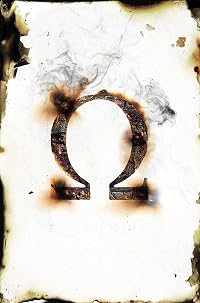
On This Page
Description
"The Hunger Games meets Cormac McCarthy's The Road in this richly imagined first novel in a new post-apocalyptic trilogy by award-winning poet Francesca Haig. Four hundred years in the future, the Earth has turned primitive following a nuclear fire that has laid waste to civilization and nature. Though the radiation fallout has ended, for some unknowable reason every person is born with a twin. Of each pair, one is an Alpha--physically perfect in every way; and the other an Omega--burdened show more with deformity, small or large. With the Council ruling an apartheid-like society, Omegas are branded and ostracized while the Alphas have gathered the world's sparse resources for themselves. Though proclaiming their superiority, for all their effort Alphas cannot escape one harsh fact: Whenever one twin dies, so does the other. Cass is a rare Omega, one burdened with psychic foresight. While her twin, Zach, gains power on the Alpha Council, she dares to dream the most dangerous dream of all: equality. For daring to envision a world in which Alphas and Omegas live side-by-side as equals, both the Council and the Resistance have her in their sights"-- show lessTags
Recommendations




Member Reviews
The Fire Sermon by Francesca Haig is a recommended first book to a new YA dystopian series.
Centuries ago a nuclear apocalypse destroyed the known world, leaving behind a blighted land. In this new world all babies are born as twins, one male and one female, one Alpha and one Omega. The Alpha's are the "perfect" twins (either male or female), without any birth defect or mutation. The Omegas are the "weaker" twins, the one with some "defect" that sets them apart. The Omegas are all branded on the forehead and sent away to live in separate hardscrabble communities where, while the Alphas shun them, they also rule the Omegas and require them to pay tithes. If either one of the twins experiences something painful, the other twin will feel show more the pain too. More importantly, if one of the twins dies, the other will too. Their lives and deaths are inexplicably connected.
Cassandra is an Omega whose defect is that she is a seer, which means she has a kind of psychic ability. In her case she was able to hide her defect until she was 13, at which point her twin, Zach, tricks her into admitting it. Cass goes to live in an Omega hovel while Zach rises to the Alpha Council. Once there he imprisons Cass but sends a seer in who is working for the Alphas, to try and get her to reveal what she sees in her visions, especially wondering if she sees an island where only Omegas live.
There is no doubt that Haig, a poet, has a way with words. Technically her ability to write and capture a scene and the emotions surrounding it add a depth and richness to the narrative which elevates the story about just another YA dystopian novel. It is the quality of writing that kept me reading this novel. This is the first of a planned trilogy and rights have already been purchased by Dreamworks.
That said, I almost stopped reading this novel for several reasons. The abelism, disability discrimination, is disturbing. I was never able to buy into the whole Alpha/Omega system where you send the "defective" twin away, treat them badly, etc, etc, and yet if the Omega twin dies so will the Alpha. It just doesn't make sense to me and I can't suspend my disbelief enough to get all the lingering questions out of my head. I also found the plot rather slow moving. It was difficult to believe in Cass's abilities, which seem to be rather random, present when they are needed for the plot. The big plot twist was not a surprise for me.
So, for me, this is a technically very well written novel with an unbelievable world. YA readers may be able to set aside any niggling disbelief or questions about how this society is set up, but, in the end, I couldn't.
Disclosure: My Kindle edition was courtesy of Gallery Books for review purposes. show less
Centuries ago a nuclear apocalypse destroyed the known world, leaving behind a blighted land. In this new world all babies are born as twins, one male and one female, one Alpha and one Omega. The Alpha's are the "perfect" twins (either male or female), without any birth defect or mutation. The Omegas are the "weaker" twins, the one with some "defect" that sets them apart. The Omegas are all branded on the forehead and sent away to live in separate hardscrabble communities where, while the Alphas shun them, they also rule the Omegas and require them to pay tithes. If either one of the twins experiences something painful, the other twin will feel show more the pain too. More importantly, if one of the twins dies, the other will too. Their lives and deaths are inexplicably connected.
Cassandra is an Omega whose defect is that she is a seer, which means she has a kind of psychic ability. In her case she was able to hide her defect until she was 13, at which point her twin, Zach, tricks her into admitting it. Cass goes to live in an Omega hovel while Zach rises to the Alpha Council. Once there he imprisons Cass but sends a seer in who is working for the Alphas, to try and get her to reveal what she sees in her visions, especially wondering if she sees an island where only Omegas live.
There is no doubt that Haig, a poet, has a way with words. Technically her ability to write and capture a scene and the emotions surrounding it add a depth and richness to the narrative which elevates the story about just another YA dystopian novel. It is the quality of writing that kept me reading this novel. This is the first of a planned trilogy and rights have already been purchased by Dreamworks.
That said, I almost stopped reading this novel for several reasons. The abelism, disability discrimination, is disturbing. I was never able to buy into the whole Alpha/Omega system where you send the "defective" twin away, treat them badly, etc, etc, and yet if the Omega twin dies so will the Alpha. It just doesn't make sense to me and I can't suspend my disbelief enough to get all the lingering questions out of my head. I also found the plot rather slow moving. It was difficult to believe in Cass's abilities, which seem to be rather random, present when they are needed for the plot. The big plot twist was not a surprise for me.
So, for me, this is a technically very well written novel with an unbelievable world. YA readers may be able to set aside any niggling disbelief or questions about how this society is set up, but, in the end, I couldn't.
Disclosure: My Kindle edition was courtesy of Gallery Books for review purposes. show less
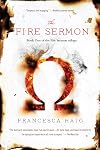
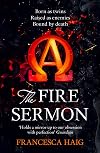
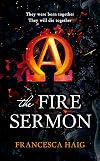
This book was a 100% cover buy, and unfortunately, the story didn't really live up to the cover.
That being said, the story did have some strong points. The concept of Alpha/Omega twins and them being tied to each other's lives was very interesting, but the execution was lack luster.
The characters themselves were a little better with the exception of Cass. She didn't seem to understand the severity of the situation and the potential need to kill in some situations. She definitely seemed to be suffering from a bleeding heart. The side characters were all better than her.
The ending was probably the best of the whole story. Things fell into place and the twists kept me interested.
That being said, the story did have some strong points. The concept of Alpha/Omega twins and them being tied to each other's lives was very interesting, but the execution was lack luster.
The characters themselves were a little better with the exception of Cass. She didn't seem to understand the severity of the situation and the potential need to kill in some situations. She definitely seemed to be suffering from a bleeding heart. The side characters were all better than her.
The ending was probably the best of the whole story. Things fell into place and the twists kept me interested.
I got this book from Good Reads First Reads and really glad I did, it was a fantastic read. Originally the synopsis caught my eye and intrigued me, and from page 1 I was hooked. Every step of the way I couldn't out it down, had to know what happened next; it's a real page turner that you won't be able to put down. It's very well written, characters likeable and doesn't drone on like I've found other books attempting a similar plot do.
One thing I would mention is that it's not for the faint hearted. I tried to explain it to my fiancé and his response was that it sounds very morbid. In a way it is. It is a very dark world, with themes of discrimination and the extremes that people go to because of it. It reminded me a lot of Patrick show more Ness' The Knife of Never Letting Go, to give you an idea of the level of darkness and themes. show less
One thing I would mention is that it's not for the faint hearted. I tried to explain it to my fiancé and his response was that it sounds very morbid. In a way it is. It is a very dark world, with themes of discrimination and the extremes that people go to because of it. It reminded me a lot of Patrick show more Ness' The Knife of Never Letting Go, to give you an idea of the level of darkness and themes. show less
The Fire Sermon by Francesca Haig is a book I've had a strange mental relationship with since before I read it. For whatever reason, I kept thinking it was YA (it isn't) and then put off reading it because I didn't feel like a YA dystopian and because it felt a bit too close to potential Defying Doomsday slush. Then one day I decided to start reading, got about a chapter in and put it down for a while because some other book seemed more pressing. The second time I picked it up, however, I was hooked (and read it exclusively till the end).
Four hundred years in the future, the Earth has turned primitive following a nuclear fire that laid waste to civilization and nature. Though the radiation fallout has ended, for some unknowable reason show more every person is born with a twin. Of each pair one is an Alpha — physically perfect in every way — and the other an Omega burdened with deformity, small or large.
With the Council ruling an apartheid-like society, Omegas are branded and ostracised while the Alphas have gathered the world's sparse resources for themselves. Though proclaiming their superiority, for all their effort Alphas cannot escape one harsh fact: Whenever one twin dies, so does the other. Cass is a rare Omega, one burdened with psychic foresight. While her twin, Zach, gains power on the Alpha Council, she dares to dream the most dangerous dream of all: equality. For daring to envision a world in which Alphas and Omegas live side by side as equals, both the Council and the Resistance have her in their sights.
Although, as I've said, The Fire Sermon isn't a YA book — mainly because the main character is in her mid 20s — it does, upon reading, feel like one in some ways. Primarily the dystopian world which needs fixing and the anti-establishment sentiments of the main character, which seem like they might lead to some sort of revolution by the end of book 3, and the way in which the main character is a catalyst of change. On the other hand, it's a longer and more complex novel (plot-wise) than most YA dystopians that spring to mind. The characters are also adults and act like adults (while having similar adventures to their YA counterparts), which is refreshing. (If you're wondering, there are no on-page sex scenes, only kissing.)
I was pleasantly surprised by the world building in this book. I've had my fill of vague and/or nonsensical apocalypses and regular readers will know how fond I am of rigorous world building. The Fire Sermon was set 400 years after a nuclear holocaust in what I was lead to believe was formerly Tasmania. There's a bit of magic to the effects of the nuclear blast — everyone is born with a magically-linked twin and there are a few people around who are seers — but it fits well with the history and feels cohesive. The society is dystopian for two primary reasons: fear of technology because technology once blew them all up and the fact that one of each set of twins (the Omega) is born with a physical deformity or, in a few rare cases, is a seer. Omegas are shunned by Alpha society and forced to live on the fringes. The only reason the Alphas aren't already practising eugenics, is because if one twin out of an Alpha/Omega pair dies, so does the other.
Our main character, Cass, is of course an Omega and a seer. Being a seer makes her unusual but I appreciated that she wasn't the only one. In fact, one of the bad guys is also a seer. The other advantage of being a seer — other than, y'know, seeing the future and/or past — is that they look physically normal. In Cass's case this meant that she and her twin weren't split until they were 13 because their parents couldn't tell which was the Alpha. Usually twins are split as soon as they're weaned and sent away to an Omega settlement. Being an Omega has a profound effect on Cass's life as it makes her a second class citizen but Haig also shows us how it affects the Alpha twin and also how different people can react differently to the situation.
I really liked Cass as a character and Kip, who she spends a significant portion of the book travelling with, was also very readable. After things in Cass's life take a turn for the worst, she finds herself on the run with Kip, both of them unprepared. I thought the portrayal of the journey, with a lot of almost dying from hunger or thirst, was plausible and there were not unlikely lucky breaks for them, which often bother me.
There are more things I'd like to talk about in this review, but they happen later in the book and are definitely spoilers. Suffice to say that I approved of the world building reveals as they happened. And there was a brilliant reveal near the end that I didn't see coming until I was in the revealing scene, so that's always exciting. I wasn't sure (and couldn't be bothered checking) whether The Fire Sermon was a standalone or the start of the series. It stands alone fairly well and while I'm definitely looking forward to the next book, I don't feel like I have to read it for plot-completion reasons.
All in all, The Fire Sermon was an excellent read that exceeded my expectations and was a solid example of both the post-apocalyptic and dystopian subgenres. I highly recommend it to fans of both, in particular fans who are looking for a meatier (and longer) story than the YA side of the genre tends to provide. I see no reason why fans of YA dystopian or post-apocalyptic stories would not also enjoy The Fire Sermon.
4.5 / 5 stars
Read more reviews on my blog. show less
Four hundred years in the future, the Earth has turned primitive following a nuclear fire that laid waste to civilization and nature. Though the radiation fallout has ended, for some unknowable reason show more every person is born with a twin. Of each pair one is an Alpha — physically perfect in every way — and the other an Omega burdened with deformity, small or large.
With the Council ruling an apartheid-like society, Omegas are branded and ostracised while the Alphas have gathered the world's sparse resources for themselves. Though proclaiming their superiority, for all their effort Alphas cannot escape one harsh fact: Whenever one twin dies, so does the other. Cass is a rare Omega, one burdened with psychic foresight. While her twin, Zach, gains power on the Alpha Council, she dares to dream the most dangerous dream of all: equality. For daring to envision a world in which Alphas and Omegas live side by side as equals, both the Council and the Resistance have her in their sights.
Although, as I've said, The Fire Sermon isn't a YA book — mainly because the main character is in her mid 20s — it does, upon reading, feel like one in some ways. Primarily the dystopian world which needs fixing and the anti-establishment sentiments of the main character, which seem like they might lead to some sort of revolution by the end of book 3, and the way in which the main character is a catalyst of change. On the other hand, it's a longer and more complex novel (plot-wise) than most YA dystopians that spring to mind. The characters are also adults and act like adults (while having similar adventures to their YA counterparts), which is refreshing. (If you're wondering, there are no on-page sex scenes, only kissing.)
I was pleasantly surprised by the world building in this book. I've had my fill of vague and/or nonsensical apocalypses and regular readers will know how fond I am of rigorous world building. The Fire Sermon was set 400 years after a nuclear holocaust in what I was lead to believe was formerly Tasmania. There's a bit of magic to the effects of the nuclear blast — everyone is born with a magically-linked twin and there are a few people around who are seers — but it fits well with the history and feels cohesive. The society is dystopian for two primary reasons: fear of technology because technology once blew them all up and the fact that one of each set of twins (the Omega) is born with a physical deformity or, in a few rare cases, is a seer. Omegas are shunned by Alpha society and forced to live on the fringes. The only reason the Alphas aren't already practising eugenics, is because if one twin out of an Alpha/Omega pair dies, so does the other.
Our main character, Cass, is of course an Omega and a seer. Being a seer makes her unusual but I appreciated that she wasn't the only one. In fact, one of the bad guys is also a seer. The other advantage of being a seer — other than, y'know, seeing the future and/or past — is that they look physically normal. In Cass's case this meant that she and her twin weren't split until they were 13 because their parents couldn't tell which was the Alpha. Usually twins are split as soon as they're weaned and sent away to an Omega settlement. Being an Omega has a profound effect on Cass's life as it makes her a second class citizen but Haig also shows us how it affects the Alpha twin and also how different people can react differently to the situation.
I really liked Cass as a character and Kip, who she spends a significant portion of the book travelling with, was also very readable. After things in Cass's life take a turn for the worst, she finds herself on the run with Kip, both of them unprepared. I thought the portrayal of the journey, with a lot of almost dying from hunger or thirst, was plausible and there were not unlikely lucky breaks for them, which often bother me.
There are more things I'd like to talk about in this review, but they happen later in the book and are definitely spoilers. Suffice to say that I approved of the world building reveals as they happened. And there was a brilliant reveal near the end that I didn't see coming until I was in the revealing scene, so that's always exciting. I wasn't sure (and couldn't be bothered checking) whether The Fire Sermon was a standalone or the start of the series. It stands alone fairly well and while I'm definitely looking forward to the next book, I don't feel like I have to read it for plot-completion reasons.
All in all, The Fire Sermon was an excellent read that exceeded my expectations and was a solid example of both the post-apocalyptic and dystopian subgenres. I highly recommend it to fans of both, in particular fans who are looking for a meatier (and longer) story than the YA side of the genre tends to provide. I see no reason why fans of YA dystopian or post-apocalyptic stories would not also enjoy The Fire Sermon.
4.5 / 5 stars
Read more reviews on my blog. show less
Thanks to goodreads and the publisher for a free copy of the Fire Sermon. This was my last book I read in 2014, and wow, was it one heck of a way to end the year.
I mean, vivid -- if horrifying -- worldbuilding? Check. Awesome characters? Check. Female villain I love to hate? Check. A plot twist that I thought I saw coming and then COMPLETELY DIDN'T?
Check.
Plus, the Fire Sermon explores a lot of important issues... like discrimination aimed at people with disabilities. Visible vs. invisible disabilities. The power of personal histories, and whether there are aspects of your past that can never be overcome.
This book impressed me -- with its characters, with its plotting, and with its themes. And -- I rarely say this -- but with its show more romantic aspect, as well. I'm usually an ice-hearted grouch about these things, but the relationship felt real, like it had time to develop, and subtle enough that I could have ignored it if I really wanted to (which I didn't).
And I've also got a lot of questions about the way this post-apocalyptic world works (mainly to do with gender and how the twins are always boy/girl).
So, overall? Very impressed with this book, left with some questions I'd like to see explored, and eagerly awaiting book two! show less
I mean, vivid -- if horrifying -- worldbuilding? Check. Awesome characters? Check. Female villain I love to hate? Check. A plot twist that I thought I saw coming and then COMPLETELY DIDN'T?
Check.
Plus, the Fire Sermon explores a lot of important issues... like discrimination aimed at people with disabilities. Visible vs. invisible disabilities. The power of personal histories, and whether there are aspects of your past that can never be overcome.
This book impressed me -- with its characters, with its plotting, and with its themes. And -- I rarely say this -- but with its show more romantic aspect, as well. I'm usually an ice-hearted grouch about these things, but the relationship felt real, like it had time to develop, and subtle enough that I could have ignored it if I really wanted to (which I didn't).
And I've also got a lot of questions about the way this post-apocalyptic world works (mainly to do with gender and how the twins are always boy/girl).
So, overall? Very impressed with this book, left with some questions I'd like to see explored, and eagerly awaiting book two! show less
***I purchased a copy of this book for my own enjoyment, with no expectation of a review***
Haig’s The Fire Sermon is the riveting, at times heart-wrenching, story of a young woman named Cass. She is born into a post-apocalyptic world where twins are the norm, and one twin is always 'defective’ in some way. These defective twins are branded as Omegas and are sent away from their Alpha sibling and parents. There’s a catch to this twinning though. What happens to one sibling, happens to the other. If one gets sick, the other’s body suffers also. If one dies, so does their twin, no matter the distance separating them.
Cass isn't like most Omegas though. Born with no obvious physical deformities, she manages to stay with her family show more far beyond when most Omegas are sent away. Though this may have served as a respite for her, it more adversely affected her twin. Far from feeling a connection to his twin, Zach blames Cass for stealing his Alpha life from him, for as long as both twins were unsplit, there was a question as to which was the 'contaminated’ one. This eventually led to his rising on the Alpha Council and instituting harsher and harsher measures against Omegas.
Cass is a seer, a special type of Omega that has no physical flaws, but they do get visions, and often go mad later in life. Through Cass’ eyes we get glimpses of the devastating nuclear blast that nearly destroyed life, and is believed the cause of the twinning syndrome, and the aberrations in the Omegas. I am surprised humanity survived what seems from the descriptions to be an extinction level event. It is possible that seers only pick up echo visions of the blast from the area they live in, and other parts of the planet were not so affected. I am looking forward to learning of the mythical Elsewhere across the ocean, and if it was just as affected. It would be fascinating if the twinning is a localised evolution/ mutation.
Fire Sermon is a compelling story that will snatch you up and drag you along with Cass and Kip as they flee Alpha control, make their way to the Omega sanctuary island, then take the fight straight back to the capital itself. This story kept me glued to the pages. I’m looking forward to the next installment!
🎻🎻🎻🎻🎻 Highly recommended, especially if you love post-apocalyptic and dystopian fiction. show less
Haig’s The Fire Sermon is the riveting, at times heart-wrenching, story of a young woman named Cass. She is born into a post-apocalyptic world where twins are the norm, and one twin is always 'defective’ in some way. These defective twins are branded as Omegas and are sent away from their Alpha sibling and parents. There’s a catch to this twinning though. What happens to one sibling, happens to the other. If one gets sick, the other’s body suffers also. If one dies, so does their twin, no matter the distance separating them.
Cass isn't like most Omegas though. Born with no obvious physical deformities, she manages to stay with her family show more far beyond when most Omegas are sent away. Though this may have served as a respite for her, it more adversely affected her twin. Far from feeling a connection to his twin, Zach blames Cass for stealing his Alpha life from him, for as long as both twins were unsplit, there was a question as to which was the 'contaminated’ one. This eventually led to his rising on the Alpha Council and instituting harsher and harsher measures against Omegas.
Cass is a seer, a special type of Omega that has no physical flaws, but they do get visions, and often go mad later in life. Through Cass’ eyes we get glimpses of the devastating nuclear blast that nearly destroyed life, and is believed the cause of the twinning syndrome, and the aberrations in the Omegas. I am surprised humanity survived what seems from the descriptions to be an extinction level event. It is possible that seers only pick up echo visions of the blast from the area they live in, and other parts of the planet were not so affected. I am looking forward to learning of the mythical Elsewhere across the ocean, and if it was just as affected. It would be fascinating if the twinning is a localised evolution/ mutation.
Fire Sermon is a compelling story that will snatch you up and drag you along with Cass and Kip as they flee Alpha control, make their way to the Omega sanctuary island, then take the fight straight back to the capital itself. This story kept me glued to the pages. I’m looking forward to the next installment!
🎻🎻🎻🎻🎻 Highly recommended, especially if you love post-apocalyptic and dystopian fiction. show less
This is the first book of a post-apocalyptic trilogy that takes place four hundred years in the future, after a nuclear war laid waste to civilization and nature. Now, for reasons unknown, every person is born with a twin of the opposite sex. One is an “Alpha” - physically perfect - and the other is an “Omega” - either having a physical deformity, or with the invisible but equally reviled characteristic of psychic foresight. This latter group, rare Omega seers, relive the nuclear conflagration in their dreams, and they also have an ability to sense current coming events. But all the Omegas of any kind are branded on the forehead and ostracized, while the Alphas take the best resources for themselves. The Omegas have a built-in show more insurance policy, however:
"Though proclaiming their superiority, for all their effort Alphas cannot escape one harsh fact: Whenever one twin dies, so does the other.”
Even severe illness or injuries affect the twins simultaneously. Thus, Alphas are forced to protect their twins, at least to the extent of giving them the bare means to stay alive.
Cassandra (“Cass”) is one of the rare Omega seers, who was able to hide her difference until she was 13. She felt close to her twin, Zach, but he resented her because he knew she must be the Omega but wouldn't admit it. Since everyone in their village knew one of them was a “freak,” they were both shunned, and Zach grew to hate Cass. Finally, he forced her to confess, and she was branded and sent away to an Omega settlement.
Over time, treatment of Omegas became worse. Zach became more powerful in the ruling council of Alphas, and it was rumored that he, now going by the name Reformer, was behind all the new anti-Omega policies. And after seven years, Cass was taken away by Zach’s men and put into a “Keeping Room,” a secret prison where Councilors kept their Omega twins to prevent enemies from killing them by killing their twins.
Cass spent every day in a small cell, at first receiving visits only from the Confessor, a powerful Omega seeress who apparently worked for Zach, and who tried to plumb Cass’s mind for information about a rumored resistance.
It is over three months before Cass sees Zach himself, who informs Cass that he is doing big things, and can’t let her get in the way. She responds, “So you’re ruining my life, to protect yours.” And he answers “There’s only one life between us - that’s what you don’t realize.”
But Cass still loves Zach, and believes he can’t be all bad. Nevertheless, after three years in the cell, she starts getting visions of something even more sinister, and she knows that somehow, she has to get out.
Discussion: It is inevitable that a large number of YA post-apocalyptic dystopian trilogies have been written to take advantage of the apparently huge market for them. This one includes the usual tropes with the twin situation adding a bit of difference to the mix. But there are some plot lines that don’t seem consistent with the main premise, such as: improbable technological developments; the need to brand Omegas, since - except for seers, they are all pretty obviously identifiable; the ability of the Confessor to read minds but not be able to find out about the resistance from any mind but Cass’s; and the eager cooperation by Alphas in the destruction of Omegas (which of course may result in their own destruction).
It’s sort of bizarre that Cass was given the name Cassandra, the Greek goddess of prophecy, before the parents even knew which twin was which, much less that she would be a seer. In addition, presumably they would have been unaware of Greek mythology.
In any event, for all of Cass’s powers of sight, she isn’t all that interesting, and remains rather amazingly naïve, which, however, enables her to take heroic steps that she might not otherwise do.
There are a few other characters in the story besides Cass and Zach, but all of them also tend to be either Purely Evil or Heroic But Bland.
The story does have come to a conclusion, but it leaves open the way for the next two volumes, and suggests it will follow the usual YA trilogy arc of a war between the downtrodden resistance and the evil hegemons, with some romance thrown in to keep us interested.
Evaluation: I like the interesting twin premise, but felt that the execution needed a lot of work. show less
"Though proclaiming their superiority, for all their effort Alphas cannot escape one harsh fact: Whenever one twin dies, so does the other.”
Even severe illness or injuries affect the twins simultaneously. Thus, Alphas are forced to protect their twins, at least to the extent of giving them the bare means to stay alive.
Cassandra (“Cass”) is one of the rare Omega seers, who was able to hide her difference until she was 13. She felt close to her twin, Zach, but he resented her because he knew she must be the Omega but wouldn't admit it. Since everyone in their village knew one of them was a “freak,” they were both shunned, and Zach grew to hate Cass. Finally, he forced her to confess, and she was branded and sent away to an Omega settlement.
Over time, treatment of Omegas became worse. Zach became more powerful in the ruling council of Alphas, and it was rumored that he, now going by the name Reformer, was behind all the new anti-Omega policies. And after seven years, Cass was taken away by Zach’s men and put into a “Keeping Room,” a secret prison where Councilors kept their Omega twins to prevent enemies from killing them by killing their twins.
Cass spent every day in a small cell, at first receiving visits only from the Confessor, a powerful Omega seeress who apparently worked for Zach, and who tried to plumb Cass’s mind for information about a rumored resistance.
It is over three months before Cass sees Zach himself, who informs Cass that he is doing big things, and can’t let her get in the way. She responds, “So you’re ruining my life, to protect yours.” And he answers “There’s only one life between us - that’s what you don’t realize.”
But Cass still loves Zach, and believes he can’t be all bad. Nevertheless, after three years in the cell, she starts getting visions of something even more sinister, and she knows that somehow, she has to get out.
Discussion: It is inevitable that a large number of YA post-apocalyptic dystopian trilogies have been written to take advantage of the apparently huge market for them. This one includes the usual tropes with the twin situation adding a bit of difference to the mix. But there are some plot lines that don’t seem consistent with the main premise, such as: improbable technological developments; the need to brand Omegas, since - except for seers, they are all pretty obviously identifiable; the ability of the Confessor to read minds but not be able to find out about the resistance from any mind but Cass’s; and the eager cooperation by Alphas in the destruction of Omegas (which of course may result in their own destruction).
It’s sort of bizarre that Cass was given the name Cassandra, the Greek goddess of prophecy, before the parents even knew which twin was which, much less that she would be a seer. In addition, presumably they would have been unaware of Greek mythology.
In any event, for all of Cass’s powers of sight, she isn’t all that interesting, and remains rather amazingly naïve, which, however, enables her to take heroic steps that she might not otherwise do.
There are a few other characters in the story besides Cass and Zach, but all of them also tend to be either Purely Evil or Heroic But Bland.
The story does have come to a conclusion, but it leaves open the way for the next two volumes, and suggests it will follow the usual YA trilogy arc of a war between the downtrodden resistance and the evil hegemons, with some romance thrown in to keep us interested.
Evaluation: I like the interesting twin premise, but felt that the execution needed a lot of work. show less
Members
- Recently Added By
Lists

Kirkus Starred Fiction Reviews of Books Published in 2015
310 works; 6 members

GraceCollection TBR/To Buy List
106 works; 1 member
Author Information

8 Works 829 Members
Francesca Haig grew up in Tasmania. She earned a Bachelor of Creative Arts (Hons) and PhD from the University of Melbourne. She also tutored in Film Studies and Creative Writing. She was a senior lecturer at the University of Chester. Her poetry has been published in literary journals and anthologies in both Australia and England. Her first show more collection of poetry is entitled Bodies of Water. In 2010 she was awarded a Hawthornden Fellowship. The Fire Sermon is her first novel. (Bowker Author Biography) show less
Some Editions
Awards and Honors
Series

Common Knowledge
- Canonical title
- The Fire Sermon
- Original title
- The Fire Sermon
- Original publication date
- 2015-03
- Dedication
- This book is dedicated, with love and admiration, to my brother, Peter, and my sisiter, Clara. Knowing how much they mean to me, it should come as no surprise that my first novel is about siblings.
- First words
- I'd always thought they would come for me at night, but it was the hottest part of the day when the six men rode onto the plain.
- Last words
- (Click to show. Warning: May contain spoilers.)And closer to the indifferent sea, where two of the island's boats still sailed in search of a place that might not exist.
Classifications
Statistics
- Members
- 473
- Popularity
- 64,384
- Reviews
- 25
- Rating
- (3.64)
- Languages
- 6 — Czech, Dutch, English, French, German, Spanish
- Media
- Paper, Audiobook, Ebook
- ISBNs
- 23
- ASINs
- 8