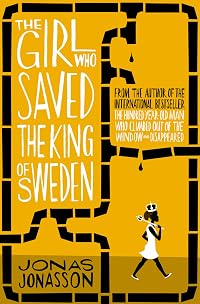
The Girl Who Saved the King of Sweden
by Jonas Jonasson
On This Page
Description
Jonas Jonasson's picaresque tale of how one person's actions can have far-reaching-even global-consequences, written with the same light-hearted satirical voice as his bestselling debut novel, The 100-Year-Old Man Who Climbed Out the Window and Disappeared. On June 14th, 2007, the King and Prime Minister of Sweden went missing from a gala banquet at the Royal Castle. Later it was said that both had fallen ill: the truth is different. The real story starts much earlier, in 1961, with the show more birth of Nombeko Mayeki in a shack in Soweto. Nombeko was fated to grow up fast and die early in her poverty-stricken township. But Nombeko takes a different path. She finds work as a housecleaner and eventually makes her way up to the position of chief advisor, at the helm of one of the world's most secret projects. Here is where the story merges with, then diverges from reality. South Africa developed six nuclear missiles in the 1980s, then voluntarily dismantled them in 1994. This is a story about the seventh missile . . . the one that was never supposed to have existed. Nombeko Mayeki knows too much about it, and now she's on the run from both the South African justice and the most terrifying secret service in the world. She ends up in Sweden, which has transformed into a nuclear nation, and the fate of the world now lies in Nombeko's hands. show lessTags
Recommendations







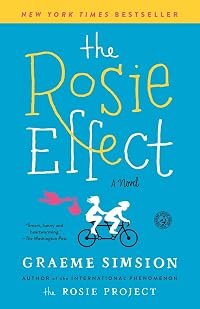
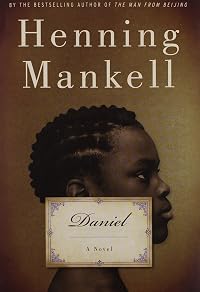
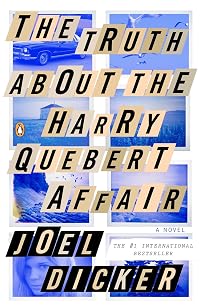
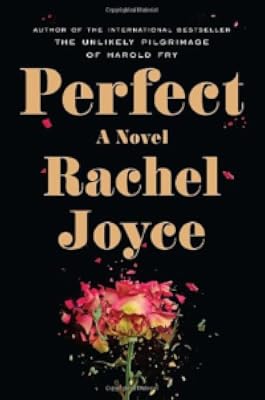

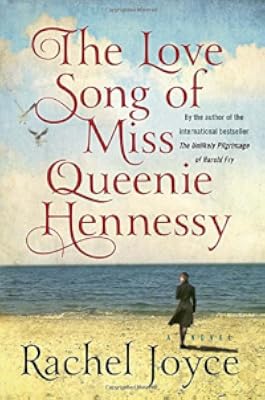

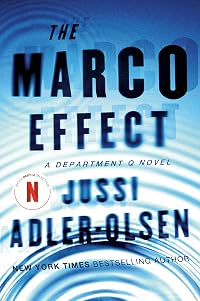


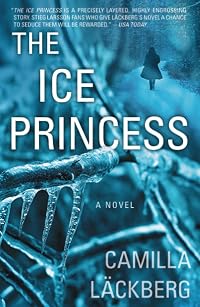

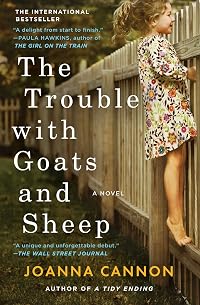





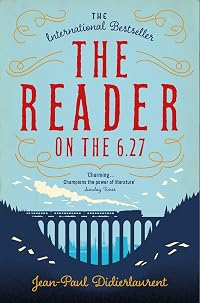
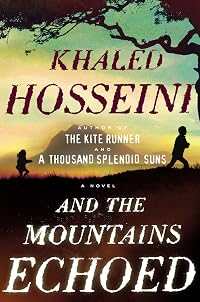
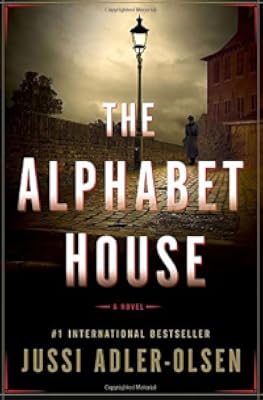
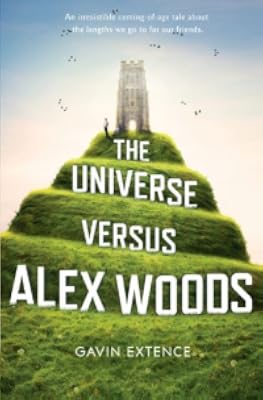
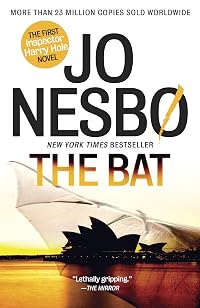





Member Recommendations
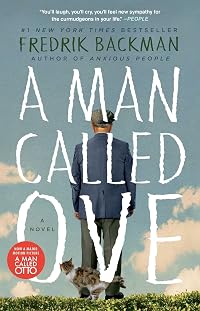
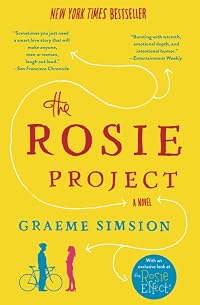
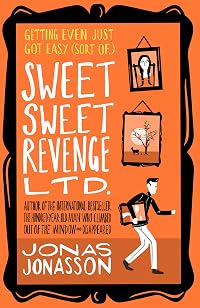
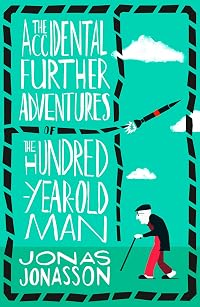
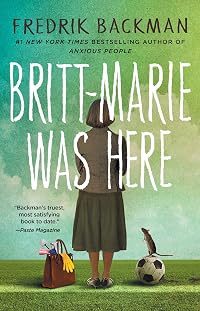
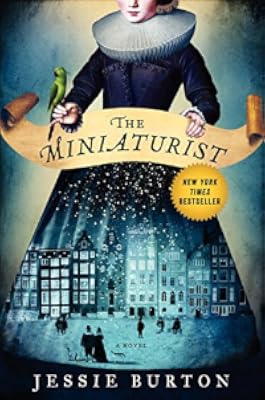
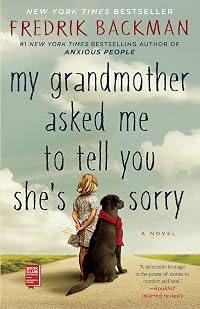
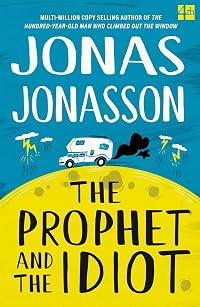
WendyRobyn These books share a playful implausability in the plotting along with likeable underdog protagonists who succeed through their cleverness.
Member Reviews
Jonas Jonasson has a gift for political satire couched in extraordinary tales of endurance and intelligence. His characters are at once completely believable and extraordinary caricatures. You want to believe that people like this really do exist (and sometimes you shudder at the thought). The Girl Who Saved the King of Sweden is a story of a girl who started at the bottom but struggled her way up through any means necessary. Hers is a story of patient determination to succeed and attain a happy, "normal" life. Much like the other book of his that I reviewed, this book is a rollicking (and at times quite raunchy) ride from beginning to end. For me, it was a solid 10/10. If you enjoy political satires with a bite then I think you'll show more enjoy this one. show less
I think I have to apologize to that french cop who wrote that awful, awful, AWFUL book about the fakir and the IKEA cabinet, because at the time I thought to myself "wow, he's trying to be Jonas Jonasson and failing spectacularly", but after reading that I take it back: he did indeed do a fine job of copying Jonasson, I just didn't know that was a bad thing.
Don't get me wrong: I love The 100-Year Old as much as the next person, and I had high hopes for this one, which is why I'm so shocked at how much I hated it. Had I not had so high expectations it's possible it had ended up with as much as three stars, but now ... no, it was awful, and reading it was a chore.
To be fair, only the first part deserves to be compared to that fakir book, show more because that part is just riddled with slurs. Yes, I get it, it's the evil characters that are using these slurs, but fuck, I get suspicious when white authors are comfortably using tons and tons of racist slurs just to give their "bad guys" an authentic voice. This book is meant to be about Nombeko, the title character, but instead we see most of the first part of the book from other characters POV, where they compete in being the most racist. Why? Why??? And why would you say it was fortune she was sexually assaulted so she could learn how to read? The. Fuck. I don't feel the narrative or any of the characters properly condemned these things, at which point you've got no excuse for it.
Nombeko could've been a great character, in any other book. Now she's just a copy of Allan Karlsson. Yeah, sure, he's an old white man and she's a young black woman, but apart from those differences ... exactly the same character. Both are surrounded by evil, powerful idiots and both are supersmart despite lack of education and change the course of history ... and more importantly - from what I remember of 100 Year-Old - their voices are identical. At one point Nombeko even gets excited about getting a beer despite having shown no fondness for alcohol at all during the rest of the book. Ooops?
Then again, there are only two possible voices for characters to have: evil and stupid, or solemn and good - that's it. Sometimes the stupid characters do something good, at which point they will slip into the "solemn" speech pattern for a line or two. These are easy to distinguish between: the smart and good characters you the formal you - "Ni", in Swedish" - while the idiots go for the informal - "Du". This became so fucking grating by the end of the book I almost threw it out the window (but it's a library book, I would never!). PEOPLE DON'T TALK LIKE THAT. Like, LITERALLY, "Du-reformen" was a process that took place in Sweden in the 60/70s (this book starts in the early 70s), that GOT RID OF THIS FORM OF SPEECH. You can read about it on Wikipedia, even. Despite this EVERY FUCKING CHARACTER use the formal you and refers to each other in third person while speaking, even the parts that took place in the 2000s. WHy do so much research on other parts of the story, and ignore this. WHY!?!?!??!?!
Lastly, while I'm not a fan of the King (I hate the monarchy, so the ending of the book didn't exactly make me like it more) or the former Prime Minister, but my gods, I feel for them having to be part of this book. It's not even cameos, because those can be fun, they have HUGE rolls, and it was just cringey reading the "witty banter" and all the sucking up to the King in the book. I almost couldn't keep reading.
I might recommend people to reread the first book rather than this one, but I'm not sure if that one will hold up for a reread ... I'm not going to try and find that out, because I don't want the memories of liking that ruined. show less
Don't get me wrong: I love The 100-Year Old as much as the next person, and I had high hopes for this one, which is why I'm so shocked at how much I hated it. Had I not had so high expectations it's possible it had ended up with as much as three stars, but now ... no, it was awful, and reading it was a chore.
To be fair, only the first part deserves to be compared to that fakir book, show more because that part is just riddled with slurs. Yes, I get it, it's the evil characters that are using these slurs, but fuck, I get suspicious when white authors are comfortably using tons and tons of racist slurs just to give their "bad guys" an authentic voice. This book is meant to be about Nombeko, the title character, but instead we see most of the first part of the book from other characters POV, where they compete in being the most racist. Why? Why??? And why would you say it was fortune she was sexually assaulted so she could learn how to read? The. Fuck. I don't feel the narrative or any of the characters properly condemned these things, at which point you've got no excuse for it.
Nombeko could've been a great character, in any other book. Now she's just a copy of Allan Karlsson. Yeah, sure, he's an old white man and she's a young black woman, but apart from those differences ... exactly the same character. Both are surrounded by evil, powerful idiots and both are supersmart despite lack of education and change the course of history ... and more importantly - from what I remember of 100 Year-Old - their voices are identical. At one point Nombeko even gets excited about getting a beer despite having shown no fondness for alcohol at all during the rest of the book. Ooops?
Then again, there are only two possible voices for characters to have: evil and stupid, or solemn and good - that's it. Sometimes the stupid characters do something good, at which point they will slip into the "solemn" speech pattern for a line or two. These are easy to distinguish between: the smart and good characters you the formal you - "Ni", in Swedish" - while the idiots go for the informal - "Du". This became so fucking grating by the end of the book I almost threw it out the window (but it's a library book, I would never!). PEOPLE DON'T TALK LIKE THAT. Like, LITERALLY, "Du-reformen" was a process that took place in Sweden in the 60/70s (this book starts in the early 70s), that GOT RID OF THIS FORM OF SPEECH. You can read about it on Wikipedia, even. Despite this EVERY FUCKING CHARACTER use the formal you and refers to each other in third person while speaking, even the parts that took place in the 2000s. WHy do so much research on other parts of the story, and ignore this. WHY!?!?!??!?!
Lastly, while I'm not a fan of the King (I hate the monarchy, so the ending of the book didn't exactly make me like it more) or the former Prime Minister, but my gods, I feel for them having to be part of this book. It's not even cameos, because those can be fun, they have HUGE rolls, and it was just cringey reading the "witty banter" and all the sucking up to the King in the book. I almost couldn't keep reading.
I might recommend people to reread the first book rather than this one, but I'm not sure if that one will hold up for a reread ... I'm not going to try and find that out, because I don't want the memories of liking that ruined. show less
“There was something pleasant about books, about their very existence.”
Nombeko Mayeki was born in the slums of Soweto, South Africa during apartheid when Nelson Mandela is considered a terrorist and is incarcerated on Robyn Island. Nombeko is destined to a short, hard life but her luck changes when she is run over by a drunken white engineer. Alive, but blamed for the accident because she was stupid enough to be on the pavement at the time, she is sent to work for the car driver- the brandy-soaked head of a secretive nuclear project. Nombeko may be okay as a cleaner but she is amazing with languages and numbers unlike the engineer who makes a made a basic numerical mistake but unlike Nombeko fails to realise it. Along with three show more Chinese sisters, a pair of twins who are officially one person and an angry young woman, Nombeko finds herself on the run from one of the world's most ruthless secret service. As the book's title informs us, she ends up saving the life of the King of Sweden along with most of country.
This novel is a bizarre blend of humour and historical fiction with each twist in the tale more unlikely than the one before. The book covers an awful lot of history: from politics and racism in South Africa both during and post-Apartheid, the lineage of the Swedish monarchy, the rise of China as a global power, and the history of nuclear weapons. It also dabbles in art forgery along the way. The book savagely mocks the elites of society, organised religion and fanatics of all kinds.
“Pastors and lay missionaries streamed in to save the Basotho people from evil. They brought with them Bibles, automatic weapons and the occasional land mine."
The main character is likeable if a little frustrating to read about as it's hard to believe that someone so bright would be willing to wait so long to make her mark. The extended timescale also made it difficulty for me to form an emotional connection with any of the other characters. However, overall I enjoyed this novel though not quite as much as I did 'The 100 Year Old Man Who Climbed Out the Window & Disappeared' and whilst I didn't actually laugh out loud it did make me smile on numerous occasions meaning that I will certainly consider reading more of the author's works. show less
Nombeko Mayeki was born in the slums of Soweto, South Africa during apartheid when Nelson Mandela is considered a terrorist and is incarcerated on Robyn Island. Nombeko is destined to a short, hard life but her luck changes when she is run over by a drunken white engineer. Alive, but blamed for the accident because she was stupid enough to be on the pavement at the time, she is sent to work for the car driver- the brandy-soaked head of a secretive nuclear project. Nombeko may be okay as a cleaner but she is amazing with languages and numbers unlike the engineer who makes a made a basic numerical mistake but unlike Nombeko fails to realise it. Along with three show more Chinese sisters, a pair of twins who are officially one person and an angry young woman, Nombeko finds herself on the run from one of the world's most ruthless secret service. As the book's title informs us, she ends up saving the life of the King of Sweden along with most of country.
This novel is a bizarre blend of humour and historical fiction with each twist in the tale more unlikely than the one before. The book covers an awful lot of history: from politics and racism in South Africa both during and post-Apartheid, the lineage of the Swedish monarchy, the rise of China as a global power, and the history of nuclear weapons. It also dabbles in art forgery along the way. The book savagely mocks the elites of society, organised religion and fanatics of all kinds.
“Pastors and lay missionaries streamed in to save the Basotho people from evil. They brought with them Bibles, automatic weapons and the occasional land mine."
The main character is likeable if a little frustrating to read about as it's hard to believe that someone so bright would be willing to wait so long to make her mark. The extended timescale also made it difficulty for me to form an emotional connection with any of the other characters. However, overall I enjoyed this novel though not quite as much as I did 'The 100 Year Old Man Who Climbed Out the Window & Disappeared' and whilst I didn't actually laugh out loud it did make me smile on numerous occasions meaning that I will certainly consider reading more of the author's works. show less
This book is ridiculous in the best possible way. Nombeko is such a sharp, memorable lead, and Jonas Jonasson keeps stacking one improbable situation on top of another until the whole thing turns into a political farce with real heart. The humor is dry, the plot is chaotic, and the cast is exactly the right kind of strange.
What made it work for me was that the book never loses its nerve. It knows it is telling an outrageous story, and it leans in fully. That confidence makes even the most absurd turns feel part of the fun. Beneath all the madness, there is also something genuinely charming about watching such an overlooked person outthink almost everyone around her.
Not every joke landed for me, and there were moments when the show more coincidences felt a little too convenient, but overall this was clever, lively, and very entertaining. A very funny, very odd ride 🙂 show less
What made it work for me was that the book never loses its nerve. It knows it is telling an outrageous story, and it leans in fully. That confidence makes even the most absurd turns feel part of the fun. Beneath all the madness, there is also something genuinely charming about watching such an overlooked person outthink almost everyone around her.
Not every joke landed for me, and there were moments when the show more coincidences felt a little too convenient, but overall this was clever, lively, and very entertaining. A very funny, very odd ride 🙂 show less
I adored this book. I adored the clever interwoven historical storylines. It's not quite as fantastic as the One Hundred Year Old Man Who Climbed Out The Window, but its close. You cannot go wrong if you take this away for a holiday reading. The influence of fate, timing, karma, whatever you call it, cannot be ignored. And this book is full of it.
Another witty, fast-paced novel from Jonasson. Similar structure to The Hundred-Year Old Man, but not quite as tightly plotted somehow. I enjoy his observations on the crazy contradictions of the world, and the way we are all stitched together globally. The characters are well written, the story largely plausible. A good choice for a quick and entertaining read.
Jonasson has done it again. The plot is at least as ridiculous as last time, the characters even better. How he can make the most peculiar twists and turns seem just what you would expect is beyond me. The only question I have now is,'When will his next book come out?'
Read in German. BTW The German kept to the original title. Much better than the English one.
Read in German. BTW The German kept to the original title. Much better than the English one.
Members
- Recently Added By
Lists

Top Five Books of 2015
811 works; 241 members

Books Read in 2023
5,638 works; 147 members

Dublin Literary Award Longlist 2016
148 works; 4 members

Kim's Bookclub Reads
3 works; 1 member

Books Read in 2015
3,299 works; 129 members

Carole's List
445 works; 13 members

Global Reads: Books Set in Western Europe
186 works; 10 members

NOVELAS Y RELATOS DE HUMOR
60 works; 1 member

Books Read in 2018
4,360 works; 110 members
Author Information

22 Works 13,601 Members
Jonas Jonasson was born Per Ola Jonasson on July 6, 1961 in Southen Sweden. He is a Swedish journalist and writer who is best known for his book, The Hundred-Year Old Man Who Climbed Out the Window and Dispappeared. He studied Swedish and Spanish at the University of Gothenburg and started working as a journalist for the Vaxjo newspaper show more "Smalandsposten" and the Swedish evening tabloid "Expressen". He also used his talents for writing and founded a media company, OTW with 100 employees. In 2007 he finished his first book, The Hundred-Year Old Man Who Climbed Out the Window and Disappeared. His writing has been honored with the Swedish Book Award, German Pioneer Prize, Danish Audio Book and Prix Escapades. (Bowker Author Biography) show less
Some Editions
Awards and Honors
Awards
Distinctions
Series
Belongs to Publisher Series
Work Relationships
Is contained in
Has as a reference guide/companion
Common Knowledge
- Canonical title
- The Girl Who Saved the King of Sweden
- Original title
- Analfabeten som kunde räkna
- Original publication date
- 2014-04-29
- People/Characters*
- Nombeko Mayeki; Holger 1; Holger 2; Celestine
- Important places
- South Africa; Sweden; Pelindaba; Gnesta, Sweden
- Important events
- Apartheid; nuclear disarmament
- Epigraph*
- Secondo le statistiche la possibilità che un'analfabeta riesca a crescere nella Soweto degli anni settanta e che un giorno si trovi rinchiusa in un camion per il trasporto delle patate in compagnia del re e del primo ministr... (show all)o svedesi è pari a una su quarantacinquemiliardiseicentosessantaseimilioniduecentododicimilaottocentodieci.
Questo sulla base dei calcoli effettuati dall'analfabeta in questione.
La differenza tra la genialità e la stupidità è che la genialità ha i sui limiti.
Pensatore sconosciuto
Più si conoscono gli esseri umani e più si apprezza il proprio cane.
Madame de Staël
Presente: quella parte dell'eternità che separa il regno della delusione da quello della speranza.
Ambrose Bierce
La vita non deve essere necessariamente facile, basta che non sia priva di contenuto.
Lise Meitner
Se la persona con cui stai parlando non sembra ascoltare ciò che dici, sii paziente. Forse ha semplicemente un batuffolo di cotone nelle orecchie.
Winnie the Pooh
Non ho mai conosciuto un fanatico dotato di senso dell'umorismo.
Amos Oz
Niente è permanente in questo mondo scellerato. Nemmeno i nostri guai.
Charlie Chaplin - First words
- In some ways they were lucky, the latrine emptiers in South Africa's largest Shantytown. After all, they had both a job and a roof over their heads.
- Last words*
- (Click to show. Warning: May contain spoilers.)"Ja, Sie sprechen mit Piet du Toit, aber es wäre mir lieber, wenn Sie mich Kunsthändler du Toit nennen würde. Was? Ob ich sitze? Wieso das denn, verdammt?"
- Original language
- Swedish
*Some information comes from Common Knowledge in other languages. Click "Edit" for more information.
Classifications
- Genres
- General Fiction, Fiction and Literature
- DDC/MDS
- 839.738 — Literature & rhetoric German & related literatures Other Germanic literatures Swedish literature Swedish fiction 2000-
- LCC
- PT9877.2 .O537 — Language and Literature German, Dutch and Scandinavian literatures Swedish literature Individual authors or works 2001-
- BISAC
Statistics
- Members
- 2,315
- Popularity
- 8,586
- Reviews
- 90
- Rating
- (3.68)
- Languages
- 22 — Catalan, Czech, Danish, Dutch, English, Estonian, Finnish, French, German, Greek, Hebrew, Hungarian, Icelandic, Italian, Korean, Norwegian (Bokmål), Norwegian, Polish, Portuguese, Slovenian, Spanish, Swedish
- Media
- Paper, Audiobook, Ebook
- ISBNs
- 95
- ASINs
- 23