On This Page
Description
Mushi have been around since shortly after life came out of the primordial ooze. They're everywhere; some live behind your eyelids, some eat silence, some kill, and some drive men mad. Ginko is a mushishi, or mushi master, and has the ability to help those who are plagued by mushi.Tags
Recommendations













Member Recommendations
Member Reviews
Introspectivo, de beleza sublime, Mushishi é uma experiência única que exige uma calma e sensibilidade em falta no nosso tempo atual. Se você quer entretenimento cru, passe longe de Mushishi, mas se quer apreciar algo semelhante a uma pintura, seja bem-vindo a mergulhar de cabeça.
1 — The Green Seat (O Trono Verde): ‘’Os Mushi são seres complexos, mas adoráveis. Ficaria contente que, através das histórias, as pessoas pudessem sentir a existência desses pequenos seres a sua volta.’’ - Yuki Urushibara
Mushishi é atemporal, uma aquarela fantasiosa, pacífica e misteriosa. É até um pouco difícil descrever o apelo de Mushishi para as pessoas, é uma espécie de beleza silenciosa que nem todos conseguem apreciar.
A show more história começa com a apresentação dos Mushis, pequenas formas de vida que são na mesma proporção místicas e naturais. Neste primeiro conto (Mushishi é episódico) a história gira em torno de um menino que tem um dom: seus kanjis ganham vida. Qual a origem da capacidade desse menino? Esse é o mistério central que Ginko (nosso protagonista) deve resolver; ele viaja de um lugar a outro, de pessoa a pessoa, estudando e auxiliando em casos sobrenaturais como esse, e é isso que acompanharemos em cada capítulo.
A vida e a relação entre Mushis e seres humanos, é o tema aqui — e da série em geral. Mas obviamente não é só isso, você mesmo deve ler ou assistir para tirar suas conclusões (a adaptação em Anime é incrivelmente bem feita, e um ótimo complemento ao mangá), a história deixa muitas interpretações em aberto, sobre um grupo onipotente de Mushis que sabem o que acontecerá no futuro, questões se eles são sencientes ou se eles só existem, se são complacentes ou malignos, etc. É uma abertura muitio agradável.
‘Daquele dia em diante, os rumores sobre o menino com a mão esquerda de Deus foram ouvidos cada vez menos, até que finalmente eles simplesmente desapareceram…’
2 — The Soft Horns (Os Frágeis Chifres): ‘’Quando a neve cai, nada além do silêncio do inverno pode ser ouvido’’
Aqui, somos convidados a cobrir nossos ouvidos e sermos inundados pelos místicos sons internos. Nós nos aprofundamos no conceito de som e silêncio (e também do som do silêncio), através da história de um menino surdo, sua mãe, e um vilarejo quieto cercado por montanhas.
Há múltiplas interpretações sobre essa história, uma é sobre a depressão e os sintomas do Mushi ‘’Ah’’, que leva a pessoa a se isolar e tende a produzir comportamentos anti-sociais nos afetados. Isso é representado no nascimento de chifres no menino, que faz com que ele se afaste das outras pessoas do vilarejo.
E assim como Ginko deixa ‘’um olho’’ para seu paciente no Capítulo 4, Ginko deixa Maho com dois de seus quatro chifres antes de partir. Isso, na minha opinião, deixa implícito para o garoto que as emoções negativas fazem parte dele (e de nós) tanto quanto nossas emoções positivas. Tal como acontece com a mãe de Maho, as memórias vêm acompanhadas por ambos tipos de emoções. Esses chifres servem como uma lembrança única e insubstituível de sua mãe.
Uma nota adicional sobre esse capítulo, é a semelhança e o paralelo que os Mushi fazem com as ideias e pensamentos, que podem ser tão reais quanto qualquer outra coisa em nosso mundo. Nossos pensamentos são invisíveis e, ainda assim, são as causas subjacentes de muitos problemas maiores e mais complexos. Para quem é familiarizado com jogos, é a mesma ideia por trás do universo de Persona (e talvez de outras obras que eu desconheça).
3 — The Pillow Pathway (A Passagem do Travesseiro):Um capítulo triste, que difere um pouco dos anteriores, com um Ginko impotente. Dessa vez, trata-se de um homem que sonha com coisas que parecem sempre se realizar. Só que, na verdade, há um Mushi preso em seus sonhos.
Sonhos, de acordo com Jung, são (entre outras coisas) o método pelo qual a mente subconsciente se comunica com a mente consciente; por isso, os sonhos mais importantes de Jin, ou seja, aqueles que se tornam realidade comunicam vários de seus desejos, até mesmo inconscientes.
É um dos capítulos mais quintessenciais de Mushishi, abordando o homem, a natureza, e todo o sentimento envolvido nisso de maneira crua. Mesmo que Jin seguisse o conselho de Ginko sobre o medicamento que diminui a frequência de seus sonhos, aquilo era só uma medida paliativa, quem pode dizer que ele não teria o mesmo sonho (ou sonhos) semelhantes em um dia em que o medicamento não estaria tão ativo, produzindo assim mais ou menos o mesmo triste desfecho? (Leia para saber qual!)
Isso certamente fará parte do desenvolvimento do personagem de Ginko conforme a série avança. E é um capítulo necessário, pois mostra que ele nem sempre vai encontrar uma solução para as pessoas afetadas pelos Mushis, e o suicídio do Jin é tão impactante para nós quanto para ele. O Mushi desse capítulo causa consequências e efeitos devastadores no ambiente ao seu redor, deixando em aberto questões como: será que outros Mushishis agiriam diferente? Matando Jin para salvar outras pessoas?
As pessoas dedicam suas vidas inteiras em busca de seus sonhos, ou seja, pode-se dizer que seus sonhos e desejos compõem quem você é. É por isso que Jin se corta ao cortar seu travesseiro. Mais tarde, também descobrimos que ele nunca mais sonhou depois que se recuperou da lesão física. Pode-se entender que isso significa que ele não tinha mais desejos (e, portanto, era incapaz de experimentar a felicidade e viver uma vida normal) daquele ponto em diante. No fim, vemos um olhar sem vida nele depois que Ginko leva um remédio para curar seu ferimento; é o tipo de expressão que as pessoas têm quando perdem a razão de viver, a partir daí, o fim já está claro.
4 — The Light of the Eyelid (A Luz de Suas Pálpebras): Essa é com certeza uma das melhores histórias do mangá, e foi ela que fez com que a autora ganhasse uma competição, e consequentemente a publicação.
Ginko visita uma garota chamada Sui, que sofre de uma doença causada pelos Mushi que tornou seus olhos sensíveis à luz, por isso, ela começa a viver em um galpão escuro. Por ficar tanto tempo na escuridão, e devido ao Mushi que a aflige, ela começa a vislumbrar o maravilhoso Rio da Vida, ou, Rio dos Mushis, que em termos gerais pode ser entendido como o divino. Esse rio só pode ser visto quando alguém ‘’fecha a segunda pálpebra’’ e se desliga do mundano.
É curioso o fato da autora ter colocado o rio de luz abaixo, e não acima, no céu. Talvez ela queira dizer que o divino esteja mais perto de nós do que acreditamos — neste caso, está literalmente abaixo dos nossos narizes, basta que fechemos os olhos para o mundo terreno.
Nosso ‘’médico’’ errante, Ginko, também tem um olho aberto para o divino e outro aberto para o mundano. E é a conexão (e também conhecimento) com o mundo dos Mushi que lhe dá o poder de superar o que os outros consideram impossível.
Ginko só cuida de um dos olhos de Sui, e sabemos que de algum modo a sua visita a Sui foi premeditada, portando dá a entender que desde o princípio é isso que ele pretendia, fazer com que a menina, como ele, mantivesse um olho para o terreno, e outro para o divino.
5 — The Travelling Swamp (O Pântano Viajante):‘’Ser um Mushi é ser algo diferente do único instante da morte, é ser um instante que se arrasta infinitamente.’’
Ginko está viajando pelas montanhas para ver seu amigo, Adashino, um doutor-colecionador. Ao longo do caminho, ele conhece uma garota chamada Io, que vive dentro de um pântano viajante, que desce a montanha em direção ao mar.
Sendo uma jovem, ela é impotente contra a vontade dos moradores, que a oferecem como um sacrifício para impedir que uma enchente atinga a sua aldeia. Ela não morre, pois é abraçada pelo Mushi, tornando-se parte do pântano errante. Quando Ginko a encontra, ela ainda está presa a seu passado, mas, ao mesmo tempo, muito ligada ao pântano que a salvou, por isso seu cabelo adquire o mesmo tom verde do lugar.
Descobre-se também que essa é a última viagem do pântano, que completou seu ciclo natural, e se encaminha para o mar e a morte. Sobre o destino de Io, passageira dessa última viagem… bem, você vai ter de ler ou assistir.
Em alguns capítulos desse primeiro volume, Ginko é capaz de usar sua experiência para ajudar os aflitos a alcançar uma coexistência harmoniosa entre os Mushi e os humanos (que surgem de uma forma muito semelhante a como os símbolos oníricos se manifestam como representação subconsciente de memórias psicologicamente impactantes), em outros — este aqui mesmo é um bom exemplo — Ginko não tem um entendimento completo do Mushi em ação.
No capítulo 3, por exemplo, ele não tem sucesso. E isso é algo que veremos frequentemente com o desenrolar da série, Ginko não é imune à falhas, e isso é algo que só agrega aos pontos positivos do Mangá.
Nesse fim de Volume 1, fechamos com algo bastante interessante dito pela autora, que foi da onde tirei a quote para o início da review: ‘’Após deixar o material pronto para publicação, estava imersa em sentimentalismo, como ‘’puxa, acho que depois disso, não terei mais oportunidade de publicar nada.’’ Consciente do limite da minha capacidade, comecei a procurar um emprego que não envolvia desenhar. E, quando já tinha esquecido completamente do concurso, fui informada que havia sido premiada. Pensei comigo ‘’A realidade as vezes é maluca’’. E mesmo após meu trabalho virar uma publicação regular na revista, minha capacidade não mudou em nada, fazendo com que o meu editor passasse por maus bocados… e sendo honesta, ainda passa. Os mushi são seres complexos, mas adoráveis. Ficaria contente que, através das histórias, as pessoas pudessem sentir a existência desses pequenos seres a sua volta.’’ show less
1 — The Green Seat (O Trono Verde): ‘’Os Mushi são seres complexos, mas adoráveis. Ficaria contente que, através das histórias, as pessoas pudessem sentir a existência desses pequenos seres a sua volta.’’ - Yuki Urushibara
Mushishi é atemporal, uma aquarela fantasiosa, pacífica e misteriosa. É até um pouco difícil descrever o apelo de Mushishi para as pessoas, é uma espécie de beleza silenciosa que nem todos conseguem apreciar.
A show more história começa com a apresentação dos Mushis, pequenas formas de vida que são na mesma proporção místicas e naturais. Neste primeiro conto (Mushishi é episódico) a história gira em torno de um menino que tem um dom: seus kanjis ganham vida. Qual a origem da capacidade desse menino? Esse é o mistério central que Ginko (nosso protagonista) deve resolver; ele viaja de um lugar a outro, de pessoa a pessoa, estudando e auxiliando em casos sobrenaturais como esse, e é isso que acompanharemos em cada capítulo.
A vida e a relação entre Mushis e seres humanos, é o tema aqui — e da série em geral. Mas obviamente não é só isso, você mesmo deve ler ou assistir para tirar suas conclusões (a adaptação em Anime é incrivelmente bem feita, e um ótimo complemento ao mangá), a história deixa muitas interpretações em aberto, sobre um grupo onipotente de Mushis que sabem o que acontecerá no futuro, questões se eles são sencientes ou se eles só existem, se são complacentes ou malignos, etc. É uma abertura muitio agradável.
‘Daquele dia em diante, os rumores sobre o menino com a mão esquerda de Deus foram ouvidos cada vez menos, até que finalmente eles simplesmente desapareceram…’
2 — The Soft Horns (Os Frágeis Chifres): ‘’Quando a neve cai, nada além do silêncio do inverno pode ser ouvido’’
Aqui, somos convidados a cobrir nossos ouvidos e sermos inundados pelos místicos sons internos. Nós nos aprofundamos no conceito de som e silêncio (e também do som do silêncio), através da história de um menino surdo, sua mãe, e um vilarejo quieto cercado por montanhas.
Há múltiplas interpretações sobre essa história, uma é sobre a depressão e os sintomas do Mushi ‘’Ah’’, que leva a pessoa a se isolar e tende a produzir comportamentos anti-sociais nos afetados. Isso é representado no nascimento de chifres no menino, que faz com que ele se afaste das outras pessoas do vilarejo.
E assim como Ginko deixa ‘’um olho’’ para seu paciente no Capítulo 4, Ginko deixa Maho com dois de seus quatro chifres antes de partir. Isso, na minha opinião, deixa implícito para o garoto que as emoções negativas fazem parte dele (e de nós) tanto quanto nossas emoções positivas. Tal como acontece com a mãe de Maho, as memórias vêm acompanhadas por ambos tipos de emoções. Esses chifres servem como uma lembrança única e insubstituível de sua mãe.
Uma nota adicional sobre esse capítulo, é a semelhança e o paralelo que os Mushi fazem com as ideias e pensamentos, que podem ser tão reais quanto qualquer outra coisa em nosso mundo. Nossos pensamentos são invisíveis e, ainda assim, são as causas subjacentes de muitos problemas maiores e mais complexos. Para quem é familiarizado com jogos, é a mesma ideia por trás do universo de Persona (e talvez de outras obras que eu desconheça).
3 — The Pillow Pathway (A Passagem do Travesseiro):Um capítulo triste, que difere um pouco dos anteriores, com um Ginko impotente. Dessa vez, trata-se de um homem que sonha com coisas que parecem sempre se realizar. Só que, na verdade, há um Mushi preso em seus sonhos.
Sonhos, de acordo com Jung, são (entre outras coisas) o método pelo qual a mente subconsciente se comunica com a mente consciente; por isso, os sonhos mais importantes de Jin, ou seja, aqueles que se tornam realidade comunicam vários de seus desejos, até mesmo inconscientes.
É um dos capítulos mais quintessenciais de Mushishi, abordando o homem, a natureza, e todo o sentimento envolvido nisso de maneira crua. Mesmo que Jin seguisse o conselho de Ginko sobre o medicamento que diminui a frequência de seus sonhos, aquilo era só uma medida paliativa, quem pode dizer que ele não teria o mesmo sonho (ou sonhos) semelhantes em um dia em que o medicamento não estaria tão ativo, produzindo assim mais ou menos o mesmo triste desfecho? (Leia para saber qual!)
As pessoas dedicam suas vidas inteiras em busca de seus sonhos, ou seja, pode-se dizer que seus sonhos e desejos compõem quem você é. É por isso que Jin se corta ao cortar seu travesseiro. Mais tarde, também descobrimos que ele nunca mais sonhou depois que se recuperou da lesão física. Pode-se entender que isso significa que ele não tinha mais desejos (e, portanto, era incapaz de experimentar a felicidade e viver uma vida normal) daquele ponto em diante. No fim, vemos um olhar sem vida nele depois que Ginko leva um remédio para curar seu ferimento; é o tipo de expressão que as pessoas têm quando perdem a razão de viver, a partir daí, o fim já está claro.
4 — The Light of the Eyelid (A Luz de Suas Pálpebras): Essa é com certeza uma das melhores histórias do mangá, e foi ela que fez com que a autora ganhasse uma competição, e consequentemente a publicação.
Ginko visita uma garota chamada Sui, que sofre de uma doença causada pelos Mushi que tornou seus olhos sensíveis à luz, por isso, ela começa a viver em um galpão escuro. Por ficar tanto tempo na escuridão, e devido ao Mushi que a aflige, ela começa a vislumbrar o maravilhoso Rio da Vida, ou, Rio dos Mushis, que em termos gerais pode ser entendido como o divino. Esse rio só pode ser visto quando alguém ‘’fecha a segunda pálpebra’’ e se desliga do mundano.
É curioso o fato da autora ter colocado o rio de luz abaixo, e não acima, no céu. Talvez ela queira dizer que o divino esteja mais perto de nós do que acreditamos — neste caso, está literalmente abaixo dos nossos narizes, basta que fechemos os olhos para o mundo terreno.
Nosso ‘’médico’’ errante, Ginko, também tem um olho aberto para o divino e outro aberto para o mundano. E é a conexão (e também conhecimento) com o mundo dos Mushi que lhe dá o poder de superar o que os outros consideram impossível.
Ginko só cuida de um dos olhos de Sui, e sabemos que de algum modo a sua visita a Sui foi premeditada, portando dá a entender que desde o princípio é isso que ele pretendia, fazer com que a menina, como ele, mantivesse um olho para o terreno, e outro para o divino.
5 — The Travelling Swamp (O Pântano Viajante):‘’Ser um Mushi é ser algo diferente do único instante da morte, é ser um instante que se arrasta infinitamente.’’
Ginko está viajando pelas montanhas para ver seu amigo, Adashino, um doutor-colecionador. Ao longo do caminho, ele conhece uma garota chamada Io, que vive dentro de um pântano viajante, que desce a montanha em direção ao mar.
Sendo uma jovem, ela é impotente contra a vontade dos moradores, que a oferecem como um sacrifício para impedir que uma enchente atinga a sua aldeia. Ela não morre, pois é abraçada pelo Mushi, tornando-se parte do pântano errante. Quando Ginko a encontra, ela ainda está presa a seu passado, mas, ao mesmo tempo, muito ligada ao pântano que a salvou, por isso seu cabelo adquire o mesmo tom verde do lugar.
Descobre-se também que essa é a última viagem do pântano, que completou seu ciclo natural, e se encaminha para o mar e a morte. Sobre o destino de Io, passageira dessa última viagem… bem, você vai ter de ler ou assistir.
Em alguns capítulos desse primeiro volume, Ginko é capaz de usar sua experiência para ajudar os aflitos a alcançar uma coexistência harmoniosa entre os Mushi e os humanos (que surgem de uma forma muito semelhante a como os símbolos oníricos se manifestam como representação subconsciente de memórias psicologicamente impactantes), em outros — este aqui mesmo é um bom exemplo — Ginko não tem um entendimento completo do Mushi em ação.
No capítulo 3, por exemplo, ele não tem sucesso. E isso é algo que veremos frequentemente com o desenrolar da série, Ginko não é imune à falhas, e isso é algo que só agrega aos pontos positivos do Mangá.
Nesse fim de Volume 1, fechamos com algo bastante interessante dito pela autora, que foi da onde tirei a quote para o início da review: ‘’Após deixar o material pronto para publicação, estava imersa em sentimentalismo, como ‘’puxa, acho que depois disso, não terei mais oportunidade de publicar nada.’’ Consciente do limite da minha capacidade, comecei a procurar um emprego que não envolvia desenhar. E, quando já tinha esquecido completamente do concurso, fui informada que havia sido premiada. Pensei comigo ‘’A realidade as vezes é maluca’’. E mesmo após meu trabalho virar uma publicação regular na revista, minha capacidade não mudou em nada, fazendo com que o meu editor passasse por maus bocados… e sendo honesta, ainda passa. Os mushi são seres complexos, mas adoráveis. Ficaria contente que, através das histórias, as pessoas pudessem sentir a existência desses pequenos seres a sua volta.’’ show less
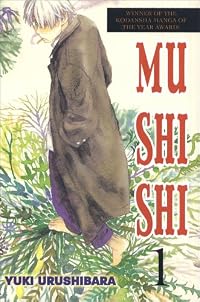
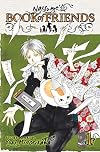
I no longer remember what first led me to pick up Yuki Urushibara's debut manga Mushishi. It was probably mostly coincidence: the series started being released in English around the same time I started to really get into manga and was trying all sorts of things. I'm grateful for whatever reason it was that convinced me to read Mushishi because it became one of my favorite manga series. I love its quiet creepiness and beautiful storytelling. Mushishi was well-received both in Japan and abroad by both fans and critics. Among other recognitions and honors, Mushishi has earned a Japan Media Arts Award as well as a Kodansha Manga Award. Mushishi, Volume 1 was originally published in Japan in 2000. The English-language edition was initially show more released by Del Rey Manga in 2007 and, sadly, has since gone out of print. Happily, in 2014, Kodansha Comics released a digital edition of Mushishi in English.
Mushi--a category of primordial beings fundamental to the living world which may take on many forms. Truly understood by very few people, they are studied by mushishi, or mushi masters. Ginko is one such mushishi, making his living by traveling across the Japanese countryside, learning all that he can about mushi, and attempting to help those unfortunate enough to have come under the creatures' influence. Mushi are often to blame for unusual natural phenomena and strange, otherwise unexplainable illnesses. Ginko is an expert, but even he is faced with circumstances beyond his knowledge and control; where mushi are involved, nothing is ever entirely certain. Sometimes the harm caused by the mushi has already been done and is irreversible, leaving humans to deal with the aftermath. They must learn to coexist or else risk their lives or sanity.
Although there is some continuity between the stories, Mushishi is largely episodic and each chapter in the first volume of the series stands well on its own. "The Green Gathering" introduces the concept of mushi while Ginko investigates a young man with the power to grant life to the things he draws. In "The Soft Horns" Ginko aids the residents of a snowbound village suffering from a peculiar kind of hearing loss. Mushi have invaded the dreams of a man in "The Pillow Path" with devastating and dire consequences. Urushibara's award-winning "The Light in the Eyelids" was actually the very first Mushishi manga. The story follows a young girl whose eyes have become so painfully sensitive to light that she has been blindfolded and shut away by her family in a dark storehouse. The final story in Mushishi, Volume 1 is "The Traveling Bog" in which a swamp disappears and then reappears again and again, drawing ever closer to the sea each time.
Urushibara was influenced tremendously by older Japanese folk stories, but in developing Mushishi she draws on that inspiration to create a world and mythology of her own. Although the tales in Mushishi, Volume 1 are new, they still have a very familiar, traditional feeling to them that I find immensely appealing. I also enjoy the subtle horror present in many of the stories in Mushishi. While occasionally the manga and its imagery is disconcerting or even disturbing, Mushishi isn't overly graphic or violent. Instead its creepiness derives from the fear of the unknown or the unknowable and the close intertwining of life and death. Mushi do not always bring misfortune, they can also be a benevolent force, but they are something beyond the understanding and power of most humans, and that can be frightening. In Mushishi, Volume 1 Ginko is shown trying to bridge the gap that exists between mushi and humans, but he often struggles to find the perfect balance between sharing his knowledge and protecting life.
Experiments in Manga show less
Mushi--a category of primordial beings fundamental to the living world which may take on many forms. Truly understood by very few people, they are studied by mushishi, or mushi masters. Ginko is one such mushishi, making his living by traveling across the Japanese countryside, learning all that he can about mushi, and attempting to help those unfortunate enough to have come under the creatures' influence. Mushi are often to blame for unusual natural phenomena and strange, otherwise unexplainable illnesses. Ginko is an expert, but even he is faced with circumstances beyond his knowledge and control; where mushi are involved, nothing is ever entirely certain. Sometimes the harm caused by the mushi has already been done and is irreversible, leaving humans to deal with the aftermath. They must learn to coexist or else risk their lives or sanity.
Although there is some continuity between the stories, Mushishi is largely episodic and each chapter in the first volume of the series stands well on its own. "The Green Gathering" introduces the concept of mushi while Ginko investigates a young man with the power to grant life to the things he draws. In "The Soft Horns" Ginko aids the residents of a snowbound village suffering from a peculiar kind of hearing loss. Mushi have invaded the dreams of a man in "The Pillow Path" with devastating and dire consequences. Urushibara's award-winning "The Light in the Eyelids" was actually the very first Mushishi manga. The story follows a young girl whose eyes have become so painfully sensitive to light that she has been blindfolded and shut away by her family in a dark storehouse. The final story in Mushishi, Volume 1 is "The Traveling Bog" in which a swamp disappears and then reappears again and again, drawing ever closer to the sea each time.
Urushibara was influenced tremendously by older Japanese folk stories, but in developing Mushishi she draws on that inspiration to create a world and mythology of her own. Although the tales in Mushishi, Volume 1 are new, they still have a very familiar, traditional feeling to them that I find immensely appealing. I also enjoy the subtle horror present in many of the stories in Mushishi. While occasionally the manga and its imagery is disconcerting or even disturbing, Mushishi isn't overly graphic or violent. Instead its creepiness derives from the fear of the unknown or the unknowable and the close intertwining of life and death. Mushi do not always bring misfortune, they can also be a benevolent force, but they are something beyond the understanding and power of most humans, and that can be frightening. In Mushishi, Volume 1 Ginko is shown trying to bridge the gap that exists between mushi and humans, but he often struggles to find the perfect balance between sharing his knowledge and protecting life.
Experiments in Manga show less
Magical and precious.
I loved the anime, but for some reason I never tried the manga. It’s time to remedy this.
Mushi? They are magical beings, existing in between worlds. Some might call them magical vermin. They plague people in various ways. Mushishi are those with some power over them… We follow Ginko and the stories he meets. These are all poignant, tragic, creepy, wonderful, humane. The art is beautiful. There is something dreamlike about it, something that ripples and flows. Sometimes it pierces your heart.
The Green Gathering
Ginko meets Shinra, a boy whose drawings come to life. Strange things are happening in Shinra’s house…
The Soft Horns
There is a village covered with snow, deep in the mountains. There are mushi that eat show more all sound. There is a little boy with strange symptoms.
The Pillow Path
A young is having dreams that come to pass… What a sad horror story!
The Light in the Eyelids
A girl with a mysterious eye disease, hidden from the world. A boy who comes to be with her… This one is disturbing!
A Traveling Bog
Yes, exactly: Ginko meets a swamp that moves around. Haunting and beautiful.
I have volumes 1,2,3,5,7. The paperbacks are out of print and are almost impossible to get. Yes, I can get e-versions, but this is not the same, not for manga. Still, I am hopeful, because there seems to be a collector’s edition of volumes 1-2 coming out this autumn. Fingers crossed... show less
I loved the anime, but for some reason I never tried the manga. It’s time to remedy this.
Mushi? They are magical beings, existing in between worlds. Some might call them magical vermin. They plague people in various ways. Mushishi are those with some power over them… We follow Ginko and the stories he meets. These are all poignant, tragic, creepy, wonderful, humane. The art is beautiful. There is something dreamlike about it, something that ripples and flows. Sometimes it pierces your heart.
The Green Gathering
Ginko meets Shinra, a boy whose drawings come to life. Strange things are happening in Shinra’s house…
The Soft Horns
There is a village covered with snow, deep in the mountains. There are mushi that eat show more all sound. There is a little boy with strange symptoms.
The Pillow Path
A young is having dreams that come to pass… What a sad horror story!
The Light in the Eyelids
A girl with a mysterious eye disease, hidden from the world. A boy who comes to be with her… This one is disturbing!
A Traveling Bog
Yes, exactly: Ginko meets a swamp that moves around. Haunting and beautiful.
I have volumes 1,2,3,5,7. The paperbacks are out of print and are almost impossible to get. Yes, I can get e-versions, but this is not the same, not for manga. Still, I am hopeful, because there seems to be a collector’s edition of volumes 1-2 coming out this autumn. Fingers crossed... show less
I really enjoyed this manga, which was a belated Christmas gift from my younger brother. The basic idea is that there are creatures called Mushi, which are a bit like fairies, a bit like ghosts, and a bit like microscopic organisms. They are unspeakably ancient, and when they come into contact with humans, the results are often tragic. A young man named Ginko is a Mushishi, someone who studies and attempts to assist those who are afflicted by Mushi, and this episodic manga follows several of his "cases."
I liked that the Mushi are essentially fairly amoral, rather than particularly evil; in many cases, they are as conscious of the effect they have on their human hosts as we might be of the effect we have on a river we live near or a show more tree whose fruit we harvest carelessly. They can be malignant, but are only rarely malevolent -- they are simply alien. My favorite story in the collection was about a Mushi who was essentially the ancient spirit of a swamp. It was lovely and actually quite moving. I'm looking forward to reading more from this series. show less
I liked that the Mushi are essentially fairly amoral, rather than particularly evil; in many cases, they are as conscious of the effect they have on their human hosts as we might be of the effect we have on a river we live near or a show more tree whose fruit we harvest carelessly. They can be malignant, but are only rarely malevolent -- they are simply alien. My favorite story in the collection was about a Mushi who was essentially the ancient spirit of a swamp. It was lovely and actually quite moving. I'm looking forward to reading more from this series. show less
Mushishi is about mushi, bug-like-spirit-like-ghost-like creatures, one of the closest things to the original form of life. Unseen by most, they sometimes make their way into humans' bodies with some strange and for the human unwanted and mildly disturbing results. Mushishi follows Ginko, an wandering expert on mushi, as he goes from one place to another studying mushi and using his knowledge to help those who have come into trouble with the creatures.
Muhishi is a calm, contemplative, episodic (though the description 'short-story-like' gives more the right feel), mature, vaguely distant sort of read. It is fairly unarguably good at what it does. It's all about it's atmosphere, it's tone, it's stories and descriptions of mushi that are show more so precise, original, and haunting that if I didn't know better, I would think were real folklore.
In short, being the sometimes shallow reader that I am, I was expecting Mushishi to be an interesting, impressive, and slightly boring read, a nice experience but not one I would knowingly come back to.
So? ...Actually, I really do like Mushishi, as it turns out. This isn't hugely unexpected, as I'm a raving fan of Kino's Journey, which this is in those sorts of ways rather similar to. Kino had two things that took it from being merely respectable toward being a good time, though: 1. A female main character who was actually cool and independent without being some violent tsundere. 2. Despite her being serene and a tad detached, she had AWESOME GUNS which she could pull out every once in a while for self defense and kill us with her awesome gun cool (without giving the moe-girl-with-gun feel). These were really very minor aspects of the series, but these little differences do it for me ^_^; In short, I guess I like calm, contemplative stuff, but I need just a little bit of spice.
What does Mushishi have? The main thing is, as mentioned before, the stories/types of mushishi the author comes up with are impressively original. Usually I would put that in the 'makes it more respectable but not really more engaging' category, but it really is so overwhelmingly creative, it just spills over into the other. ...Feels like rather a lame excuse, but it's really all I can say.
The other thing is, like with Kino, the main character. Ginko may be a little overly serene for some, but honestly I adore this kind of personality in this sort of story. Serene does not, after all, equate to one-dimensional. He has kindness and helpfulness, but he is no bleeding heart. Mysterious and at times even a little snippish or unapologetically selfish. In his body language and expression I see the ghost of something sardonic that never quite pops out onto his surface.
On the other hand... Much as I sense these interesting things about Ginko... Most of the time he goes about being his serene helpful self, and really, it IS a bit dull in that respect. In addition, as I saw another put it, all the supporting characters come off as “calm, vaguely good-natured, and a little sad.” The manga really does want to distance itself from the reader a little too much. With no emotional attachment to Ginko and not much ability to make any with the supporting characters that pass through, how long can someone like me keep interested in this on the basis of creative ideas and the suggestion that Ginko might be an interesting person, without ever getting so much as a hint why?
Still, I wonder if my desire to learn more about Ginko, either his background or beliefs or personality or anything, is wrongly asking this manga to change it's nature? The story really isn't about Ginko. Even so, I do think the story would be better (if not outright needs) just a little bit of something else. For now I'll continue it and probably enjoy it, though. But if the manga doesn't make some small changes in some way, I'm not sure how much longer I will continue. show less
Muhishi is a calm, contemplative, episodic (though the description 'short-story-like' gives more the right feel), mature, vaguely distant sort of read. It is fairly unarguably good at what it does. It's all about it's atmosphere, it's tone, it's stories and descriptions of mushi that are show more so precise, original, and haunting that if I didn't know better, I would think were real folklore.
In short, being the sometimes shallow reader that I am, I was expecting Mushishi to be an interesting, impressive, and slightly boring read, a nice experience but not one I would knowingly come back to.
So? ...Actually, I really do like Mushishi, as it turns out. This isn't hugely unexpected, as I'm a raving fan of Kino's Journey, which this is in those sorts of ways rather similar to. Kino had two things that took it from being merely respectable toward being a good time, though: 1. A female main character who was actually cool and independent without being some violent tsundere. 2. Despite her being serene and a tad detached, she had AWESOME GUNS which she could pull out every once in a while for self defense and kill us with her awesome gun cool (without giving the moe-girl-with-gun feel). These were really very minor aspects of the series, but these little differences do it for me ^_^; In short, I guess I like calm, contemplative stuff, but I need just a little bit of spice.
What does Mushishi have? The main thing is, as mentioned before, the stories/types of mushishi the author comes up with are impressively original. Usually I would put that in the 'makes it more respectable but not really more engaging' category, but it really is so overwhelmingly creative, it just spills over into the other. ...Feels like rather a lame excuse, but it's really all I can say.
The other thing is, like with Kino, the main character. Ginko may be a little overly serene for some, but honestly I adore this kind of personality in this sort of story. Serene does not, after all, equate to one-dimensional. He has kindness and helpfulness, but he is no bleeding heart. Mysterious and at times even a little snippish or unapologetically selfish. In his body language and expression I see the ghost of something sardonic that never quite pops out onto his surface.
On the other hand... Much as I sense these interesting things about Ginko... Most of the time he goes about being his serene helpful self, and really, it IS a bit dull in that respect. In addition, as I saw another put it, all the supporting characters come off as “calm, vaguely good-natured, and a little sad.” The manga really does want to distance itself from the reader a little too much. With no emotional attachment to Ginko and not much ability to make any with the supporting characters that pass through, how long can someone like me keep interested in this on the basis of creative ideas and the suggestion that Ginko might be an interesting person, without ever getting so much as a hint why?
Still, I wonder if my desire to learn more about Ginko, either his background or beliefs or personality or anything, is wrongly asking this manga to change it's nature? The story really isn't about Ginko. Even so, I do think the story would be better (if not outright needs) just a little bit of something else. For now I'll continue it and probably enjoy it, though. But if the manga doesn't make some small changes in some way, I'm not sure how much longer I will continue. show less
I read this on the recommendation of a good friend. She's an avid manga reader and I wanted to see what all the fuss was about! I don't know if Mushishi is indicative of other manga, but it definitely left me open to the possibility of reading more. Especially now that I've figured out how to read them (it's not as simple as reading them backward).
These stories revolve around the idea that there are ancient spirits that live in the world along side humans, these spirits are called Mushi. Most people can't see them and for the most part the Mushi are harmless, but at times their existence does come to cross purposes with their human neighbors. That's when the Mushishi steps in. A Mushishi is a human whose life purpose is to maintain the show more balance between humans and Mushi, a Mushi master. The Mushishi in this story is Ginko. Ginko steps in to untangle any Mushi/human encounters, and to offer insights into the world of the Mushi.
This was a very pretty book and much fun to read. I'd recommend it to anyone who is curious about manga! show less
These stories revolve around the idea that there are ancient spirits that live in the world along side humans, these spirits are called Mushi. Most people can't see them and for the most part the Mushi are harmless, but at times their existence does come to cross purposes with their human neighbors. That's when the Mushishi steps in. A Mushishi is a human whose life purpose is to maintain the show more balance between humans and Mushi, a Mushi master. The Mushishi in this story is Ginko. Ginko steps in to untangle any Mushi/human encounters, and to offer insights into the world of the Mushi.
This was a very pretty book and much fun to read. I'd recommend it to anyone who is curious about manga! show less
The art is beautiful. The sketchy, wide, detailed backgrounds of lush wilderness and slow paced conversations with simply designed and underdeveloped characters makes way for relaxed storytelling. The main theme of the manga is man's relationship to nature. This is dealt with in a series of short stories. The only continuity is the main character. The stories itself are quite haunting, they will stay with you.
Members
- Recently Added By
Author Information

40 Works 2,250 Members
Some Editions
Awards and Honors
Series

Belongs to Publisher Series
Common Knowledge
Classifications
- Genres
- Graphic Novels & Comics, Teen, Horror
- DDC/MDS
- 741.5952 — Arts & recreation Drawing & decorative arts Drawing Comic books, graphic novels, fotonovelas, cartoons, caricatures, comic strips History, geographic treatment, biography Asian Japanese
- LCC
- PN6705 .A1 .U78 — Language and Literature Literature (General) Literature (General) Collections of general literature Comic books, strips, etc.
- BISAC
Statistics
- Members
- 551
- Popularity
- 53,600
- Reviews
- 18
- Rating
- (4.15)
- Languages
- 7 — English, French, German, Italian, Japanese, Polish, Spanish
- Media
- Paper, Ebook
- ISBNs
- 16
- ASINs
- 4