20 Members (3.00)
On This Page
Description
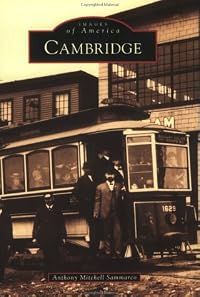
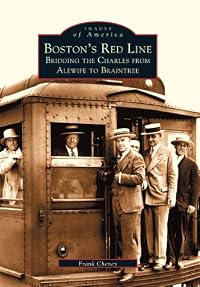
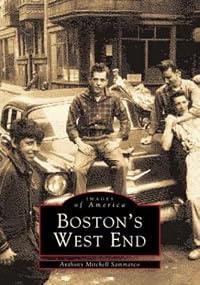
Settled as New Towne in 1631, Cambridge was referred to by Wood, a seventeenth-century chronicler, as "one of the neatest and best compacted towns in New England." The founding of Harvard College in 1636 was to ensure the town's notoriety, as it was the first college in the New World. Harvard gave Cambridge a cosmopolitan flavor, but the town retained its open farmland and its well-known fisheries along the Charles and Alewife Rivers for nearly two centuries. By the early nineteenth century show more Cambridge saw tremendous development, with industrial concerns in Cambridgeport. New residents swelled Cambridge's population so much that it became a city in 1846. These changes, which included horse-drawn streetcars and, later, the Elevated Railway that is today known as the Red Line, made Cambridge a place of convenient residence. With the large-scale development in the late nineteenth century, Cambridge became a thriving nexus of cultural diversity. show lessTags
Recommendations





















Member Reviews
Members
- Recently Added By
Author Information
64 Works 538 Members
Anthony Mitchell Sammarco is the author of more than 50 books for Arcadia Publishing. He is a trustee of the Forest Hills Educational Trust and teaches at the Urban college of Boston.
Series

Common Knowledge
- Important places
- Cambridge, Massachusetts, USA
Classifications
- Genres
- History, Nonfiction, General Nonfiction
- DDC/MDS
- 974.44 — History & geography History of North America Northeastern United States (New England and Middle Atlantic states) Massachusetts Middlesex
- LCC
- F74 .C1 .S26 — Local History of the United States, Canada and Latin America United States local history Massachusetts
- BISAC
Statistics
- Members
- 20
- Popularity
- 1,277,258
- Rating
- (3.00)
- Languages
- English
- Media
- Paper, Ebook
- ISBNs
- 3