The Causes of World War Three
by C. Wright Mills
On This Page
Description
Readable and practical, this workbook provides technical assistance and concrete advice for researching, writing, and teaching with cases. The exercises and worksheets encourage practicing skills and serve as a handy and affordable workshop alternative for both novice and experienced case writers. Nine stand-alone modules and 79 exercise worksheets guide case authors through the entire case writing process from research through publication. Special topics such as teaching students to write show more cases, learning how to review for others, and collaborative writing techniques are explained and will grab the readers attention. The book is written in a to-the-point, engaging manner and avoids academic jargon, acronyms, and inside terminology. It can be used as a stand-alone volume, or in concert with any other case writing manual. show lessTags
Recommendations
















Member Reviews
Now somewhat dated, this book is, and most certainly was, one of the most formative books for my young-adult mind, as it then was, and has it has since evolved. Mills thought the unthinkable, said the unpopular, and brought the considerable weight of his scholarship and experience of the world to the vital question of the day, and mercifully without the the characteristic jargon of the sociological discipline in which he worked. He understood and demonstrated the underlying similarities between the great modern empires, likewise laid-out the intrinisically anti-democratic nature of decison-making within them, and -- perhaps most important for readers today -- arraigned, tried, and condemned the mass-passivity and gleeful show more self-imprisonment which keeps such systems going. Because of specific changes in the old USSR and the Eisenhower-era US, my intellectual conscience hold me back from giving this a full five stars. show less
Members
- Recently Added By
Author Information

42+ Works 4,268 Members
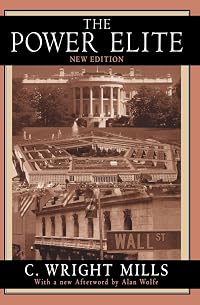
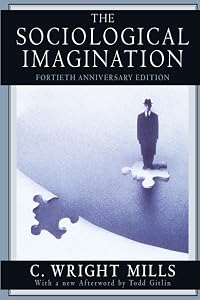
C. Wright Mills, an American sociologist, was one of the most controversial social scientists of the mid-twentieth century. He considered himself a rebel against both the academic establishment and American society in general, and he rarely tried to separate his radical ideas from his teaching and writing. Irving Louis Horowitz summarized much of show more Mills's ideas in the subtitle of his biography of him: An American Utopian. Mill's most traditional sociological study is The Puerto Rican Journey. His most direct attack on his colleagues in sociology is The Sociological Imagination (1959) (which he found left much to be desired). His most ideological work is The Power Elite (1956), an attempt to explain the overall power structure of the United States. Mills thought that the dominant "value-free" methodology of American sociology was an ideological mask, hiding values that he did not share. According to his younger colleague Immanuel Wallerstein, Mills was essentially a utopian reformer who thought that knowledge properly used could bring about a better society. (Bowker Author Biography) show less
Classifications
Statistics
- Members
- 71
- Popularity
- 438,248
- Reviews
- 1
- Rating
- (4.50)
- Languages
- English
- Media
- Paper
- ISBNs
- 3
- ASINs
- 8