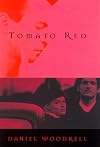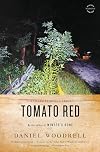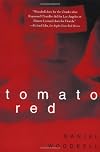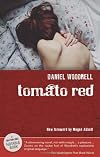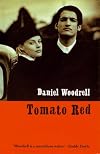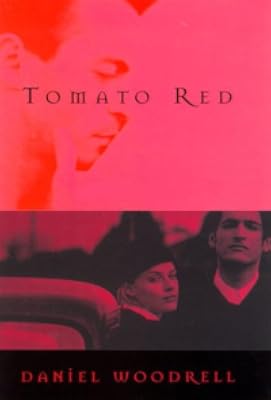
Tomato Red
by Daniel Woodrell
On This Page
Description
In the Ozarks, what you are is where you are born. If you're born in Venus Holler, you're not much. For Jamalee Merridew, her hair tomato red from her rage and ambition, Venus Holler just won't cut it. Jamalee sees her brother, Jason, blessed with drop-dead gorgeous looks and the local object of female obsession, as her ticket out of town. But Jason may just be gay, and in the hills and hollows of the Ozarks, that is the most dangerous and courageous thing a man could be.Enter Sammy show more Barlach, a loser ex-con passing through a tired nowhere on the way to a fresher nowhere. Jamalee thinks Sammy is just the kind of muscle she and Jason need.
. show less
Tags
Recommendations



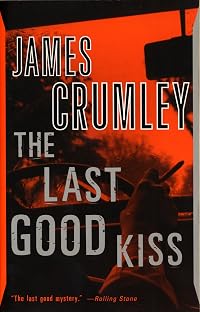
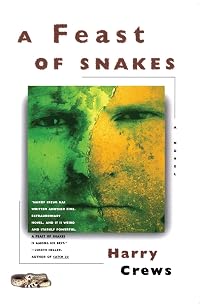
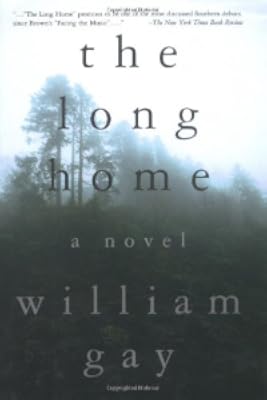
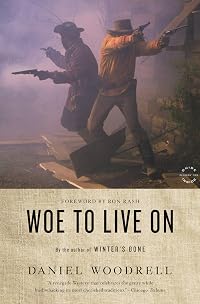





Member Recommendations
RidgewayGirl Another Noirish crime novel set in Appalachia.
RidgewayGirl Appalachian Noir about young men trapped in a life of drugs and crime.
Member Reviews
Sammy Barlach is looking for a cross to hang himself on and he finds just the right one when he meets Tomato Red.
Tomato Red, aka Jamalee, and her brother Jason live hanging by their fingernails in a backwater town in the Ozarks. When they meet Sammy they feel like they’ve found the right fall guy/battering ram to help them get the hell out of there. Nothing is clear though as to how or from whom. Instead Woodrell paints a deeply layered picture of poverty, hopelessness and crystal clear knowledge of where those things will get them.
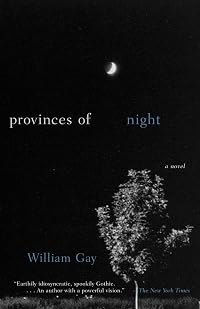
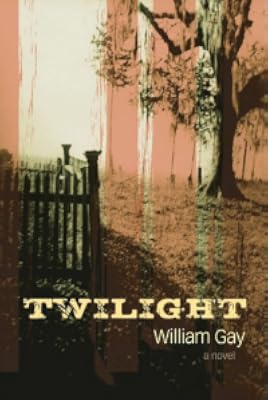
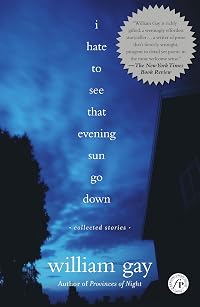
Sammy narrates the tale and his voice is cutting and incredibly descriptive in a jangly and unexpected way. I loved it. The writing is raw, imaginative and deft and reminded me of William Gay. I think they show more deal with similar themes. Gay is more gothic and Woodrell more noir, if that makes sense. This is not a book you can skim and you won’t want to despite the fairly bleak circumstances. The thing is, Sammy himself is not bleak. He takes life as he finds it and while not always doing the easy thing, he does what feels right to him and always pays the price without whining or recriminations.
Going in Sammy pretty much tells you that his tale won’t end well and there’s no reason to think he’s lying. The denouement is subtle, but treacherous and I had to go back to an earlier scene to make that final one line up because I had forgotten which thread bound them together. When it hits it's like a heavy blow that you knew would hit you eventually, but didn’t see coming. Very effective without being hyperbolic or graphic. Sad, too, but there is a slim cord of hope in the end, but I do wonder if it will hold. show less
Tomato Red, aka Jamalee, and her brother Jason live hanging by their fingernails in a backwater town in the Ozarks. When they meet Sammy they feel like they’ve found the right fall guy/battering ram to help them get the hell out of there. Nothing is clear though as to how or from whom. Instead Woodrell paints a deeply layered picture of poverty, hopelessness and crystal clear knowledge of where those things will get them.
Sammy narrates the tale and his voice is cutting and incredibly descriptive in a jangly and unexpected way. I loved it. The writing is raw, imaginative and deft and reminded me of William Gay. I think they show more deal with similar themes. Gay is more gothic and Woodrell more noir, if that makes sense. This is not a book you can skim and you won’t want to despite the fairly bleak circumstances. The thing is, Sammy himself is not bleak. He takes life as he finds it and while not always doing the easy thing, he does what feels right to him and always pays the price without whining or recriminations.
Going in Sammy pretty much tells you that his tale won’t end well and there’s no reason to think he’s lying. The denouement is subtle, but treacherous and I had to go back to an earlier scene to make that final one line up because I had forgotten which thread bound them together. When it hits it's like a heavy blow that you knew would hit you eventually, but didn’t see coming. Very effective without being hyperbolic or graphic. Sad, too, but there is a slim cord of hope in the end, but I do wonder if it will hold. show less
Sammy Barlach (pronounced with “lack at the tail”) is a petty thief anti-hero, new to West Table, Mo., with a sharp tongue and tough-guy ways, although his heart isn’t in the tough guy part. He falls in with Jamalee and her beautiful apprentice hairdresser brother Jason, who act ‘familiar with areas of each other that most siblings probably keep private,” when they both break into the same large house. He meets their part-time prostitute mother, Bev, and realizes “I have always just wanted to fit in somewhere, and this is the bunch that would have me.”
Woodrell has the ability to pop in a gold nugget or two of prose on almost every page:
“Venus Holler was the most low-life part of town, so I already knew where it show more was.”
“If a train passed at breakfast time, all the eggs ended up scrambled.”
A pistol shines “like a Shreveport pimp’s favorite teeth.” An old book smells “like a cotton picker’s hatband.” Even the weather sounds pained: “The sky had turned ash gray and greasy with sweat, like a heart attack was coming up from the south.”
And maybe my favorite: “They were folks you’d like to meet sometime and leave in a car trunk at the airport.”
Sammy seems predestined for trouble, hardship and a bad end, knows it and doesn’t try to fight it. He’s a vivid character and Tomato Red is a wonderful book. show less
Woodrell has the ability to pop in a gold nugget or two of prose on almost every page:
“Venus Holler was the most low-life part of town, so I already knew where it show more was.”
“If a train passed at breakfast time, all the eggs ended up scrambled.”
A pistol shines “like a Shreveport pimp’s favorite teeth.” An old book smells “like a cotton picker’s hatband.” Even the weather sounds pained: “The sky had turned ash gray and greasy with sweat, like a heart attack was coming up from the south.”
And maybe my favorite: “They were folks you’d like to meet sometime and leave in a car trunk at the airport.”
Sammy seems predestined for trouble, hardship and a bad end, knows it and doesn’t try to fight it. He’s a vivid character and Tomato Red is a wonderful book. show less
When a teenage boy is described as "the prettiest boy in the Ozarks", you know bad things will happen. Sure enough, they do. The whole sad story is narrated by Sammy Barlach, a twenty-four year old drifter and ex con from Arkansas, now at loose ends in West Table, Missouri.
Sammy broke into a mansion one night and passed out after consuming too much vodka. Jamalee Merridew and her younger brother Jason found him when they broke into the same mansion. It seems Jamalee's job as a hair stylist gave her all kinds of information about what houses in town would be empty and when. Not having anywhere else to go, Sammy moved in with the pair. He was quickly smitten by their prostitute mother, who lived next door. What follows is the story of an show more inevitable tragedy and the immutable lesson that nobody cares, even when really bad things happen.
On the back of this edition, the publisher tells the reader, Tomato Red is a wild and exhilarating joyride of a novel...", one that is "... written at a fever pitch, with a bluesy beat and a poet's touch". "Exhilarating" seems to be completely incorrect. There is a despair in this novel that comes from the fact that nothing will ever change for the residents of all the West Tables. There is a permanent underclass that nobody wants to hear about or talk about.
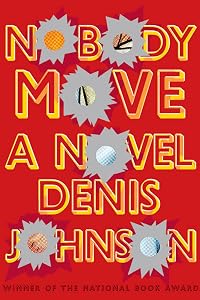
Bleakness is my preferred tone in fiction, but there was a wrong note here that I just can't place. Perhaps the narration was too breezy for the tale it told. Perhaps it read too much like a story wanting to be a script. Two of Woodrell's novels have been turned into films: Woe to Live On was made into Ang Lee's Ride with the Devil, and Winter's Bone] should become a classic. However, when it comes to writing about the people no one wants to see or know, I'd recommend skipping Woodrell and reading instead Russell Banks, Pete Dexter or Denis Johnson. show less
Sammy broke into a mansion one night and passed out after consuming too much vodka. Jamalee Merridew and her younger brother Jason found him when they broke into the same mansion. It seems Jamalee's job as a hair stylist gave her all kinds of information about what houses in town would be empty and when. Not having anywhere else to go, Sammy moved in with the pair. He was quickly smitten by their prostitute mother, who lived next door. What follows is the story of an show more inevitable tragedy and the immutable lesson that nobody cares, even when really bad things happen.
On the back of this edition, the publisher tells the reader, Tomato Red is a wild and exhilarating joyride of a novel...", one that is "... written at a fever pitch, with a bluesy beat and a poet's touch". "Exhilarating" seems to be completely incorrect. There is a despair in this novel that comes from the fact that nothing will ever change for the residents of all the West Tables. There is a permanent underclass that nobody wants to hear about or talk about.
Bleakness is my preferred tone in fiction, but there was a wrong note here that I just can't place. Perhaps the narration was too breezy for the tale it told. Perhaps it read too much like a story wanting to be a script. Two of Woodrell's novels have been turned into films: Woe to Live On was made into Ang Lee's Ride with the Devil, and Winter's Bone] should become a classic. However, when it comes to writing about the people no one wants to see or know, I'd recommend skipping Woodrell and reading instead Russell Banks, Pete Dexter or Denis Johnson. show less
Daniel Woodrell is an author that I find very readable, his books are usually set in the Ozarks and his writing captures the flavor and styling of red neck recklessness. I did find Tomato Red to have a sad theme dealing as it does with the despair and hopelessness of being on lower end of the social scale with no escape route from the white trash world they were in but the book is nevertheless vividly and humorously written.
Sammy Barlach, the narrator and anti-hero of the book tells his story honestly and simply. During the course of a break-and-enter robbery of a vacant house, he comes into contact with the engaging sister and brother team of Jamalee, the Tomato Red of the title and her brother, Jason. Sammy is pulled into their life show more and before too long finds himself living with them next door to their prostitute mother, Bev. They become a weird sort of family with Sammy being rather taken with both mother and daughter.
Of course being a Woodrell novel, violence is always on the horizon and although this story becomes a tragedy, the telling of it is colorful and engaging. At times, Tomato Red is a little overwritten and melodramatic, but the author is extremely adapt at telling a story that can change from light-hearted humor to dark violence within a page. Sammy’s story is in reality a strong, violent statement on the hopelessness of poverty in America. show less
Sammy Barlach, the narrator and anti-hero of the book tells his story honestly and simply. During the course of a break-and-enter robbery of a vacant house, he comes into contact with the engaging sister and brother team of Jamalee, the Tomato Red of the title and her brother, Jason. Sammy is pulled into their life show more and before too long finds himself living with them next door to their prostitute mother, Bev. They become a weird sort of family with Sammy being rather taken with both mother and daughter.
Of course being a Woodrell novel, violence is always on the horizon and although this story becomes a tragedy, the telling of it is colorful and engaging. At times, Tomato Red is a little overwritten and melodramatic, but the author is extremely adapt at telling a story that can change from light-hearted humor to dark violence within a page. Sammy’s story is in reality a strong, violent statement on the hopelessness of poverty in America. show less
Once in a long while, a book comes along whose narrative voice is so compelling it grabs you from beginning to end. This was one of those books.
The four main characters occupy the lowest rung of the social totem pole in the Missouri Ozarks. The observations our narrator makes can sometimes be hilarious:
"The Merridew kids shared the coop with Rod's dog. It was a shaggy, lazy dog named Biscuit who had the personality of a defeated old alcoholic uncle, more or less. Biscuit mainly just laid there and thumped his tail pleasantly. Once in a while he goes to the screen door and stands there scanning the street like he's hopin' to see the mailman bringing his disability check, then moans in disappointment and flops back down."
But make no show more mistake. This book is no comedy. It hardly can be, when the people at the center are treated as society's throwaways, for whom there is no justice and it is dangerous to have dreams. Here's the lesson:
"You know, the regular well-to-do world should relax about us types. Us lower sorts. You can never mount a true war of us against the rich 'cause the rich can always hire us to kill each other. Which they and us have done plenty, and with brutal dumb glee. Just toss a five-dollar bill in the mud and sip wine and watch our bodies start flyin' about, crashing headfirst into blunt objects, and our teeth sprinkle from our mouths, and the blood gets flowing in such amusing ways. Now it's always just us against us--guess who loses?"
This book illuminated an American subculture very different from my own--one where the American dream has gone to die--and I think it will stay with me for a very long time. show less
The four main characters occupy the lowest rung of the social totem pole in the Missouri Ozarks. The observations our narrator makes can sometimes be hilarious:
"The Merridew kids shared the coop with Rod's dog. It was a shaggy, lazy dog named Biscuit who had the personality of a defeated old alcoholic uncle, more or less. Biscuit mainly just laid there and thumped his tail pleasantly. Once in a while he goes to the screen door and stands there scanning the street like he's hopin' to see the mailman bringing his disability check, then moans in disappointment and flops back down."
But make no show more mistake. This book is no comedy. It hardly can be, when the people at the center are treated as society's throwaways, for whom there is no justice and it is dangerous to have dreams. Here's the lesson:
"You know, the regular well-to-do world should relax about us types. Us lower sorts. You can never mount a true war of us against the rich 'cause the rich can always hire us to kill each other. Which they and us have done plenty, and with brutal dumb glee. Just toss a five-dollar bill in the mud and sip wine and watch our bodies start flyin' about, crashing headfirst into blunt objects, and our teeth sprinkle from our mouths, and the blood gets flowing in such amusing ways. Now it's always just us against us--guess who loses?"
This book illuminated an American subculture very different from my own--one where the American dream has gone to die--and I think it will stay with me for a very long time. show less
Tomato Red by Daniel Woodrell, audiobook superbly narrated by Brian Troxell.
“You're no angel, you know how this stuff comes to happen: Friday is payday and it's been a gray day sogged by a slow ugly rain and you seek company in your gloom, and since you're fresh to West Table, Mo., and a new hand at the dog-food factory, your choices for company are narrow but you find some finally in a trailer court on East Main, and the coed circle of bums gathered there spot you a beer, then a jug of tequila starts to rotate and the rain keeps comin' down with a miserable bluesy beat and there's two girls millin' about that probably can be had but they seem to like certain things and crank is one of those certain things, and a fistful of party show more straws tumble from a woven handbag somebody brung, the crank gets cut into lines, and the next time you notice the time it's three or four Sunday mornin' and you ain't slept since Thursday night and one of the girl voices, the one you want most and ain't had yet though her teeth are the size of shoe-peg corn and look like maybe they'd taste sort of sour, suggests something to do, 'cause with crank you want something, anything, to do, and this cajoling voice suggests we all rob this certain house on this certain street in that rich area where folks can afford to wallow in their vices and likely have a bunch of recreational dope stashed around the mansion and goin' to waste since an article in The Scroll said the rich people whisked off to France or some such on a noteworthy vacation.
That's how it happens.
Can't none of this be new to you.”
I bought Tomato Red because it was on sale on audible.com. I’d never heard of Daniel Woodrell or “country noir” but after that first paragraph-long sentence, oh, I was well and truly hooked.
I like noir and this is noir, alright. It’s dark and spare, brutal and dangerous and you know from the start it’s going to break bad. It’s occasionally funny, though always with an edge. Woodrell pulls you in: “you know how this stuff comes to happen,” and “can’t none of this be new to you.” Even if, at the beginning, you think you don’t know, you do know by the end. Or I did.
Sammy Barlach, the narrator of Tomato Red, will do most anything to find a place to belong. He’s always wanted to be the life of the party, and he’s always had a craving to be a hero. He’s a small-time thief who describes himself as “a kickaround mutt from Blue Knee, Arkansas, on my own slow ramble through sincere poverty and various spellbinding mishaps."
One of these amusingly-told mishaps starts the book when Sammy, high on crank, breaks into a high-end house in an attempt to please his new trailer court buddies: “I needed friends and . . . I could maybe yet return to the trailer park as both the hero and the sudden life of the party.”
Once in the house, he’s coming down from the crank and can’t do more than cop some vodka and cheese, stagger down a hall and crash in a wing-back chair. He awakens a day later to find a girl in a black gown and a very young man in a tuxedo standing over him. “Are you dangerous?” the girl asks. “You look dangerous.”
He takes these two for the owners of the house until the guy says “the law is out there with flashlights. Time to choo-choo, Sis” and all three take off running together. Jamalee and Jason Merridew, long-time residents of Venus Holler, the truly dirt poor part of West Table, are about to become the friends Sammy’s been looking for.
Jamalee is the “Tomato Red” of the title, with hair a color that would “look natural on something growing in the garden, but not on someone’s head.” She’s 19, tiny and wild and has big dreams.
Jason, Jamalee’s 17-year-old younger brother, is gay and stunningly beautiful. He’s going to be Jamalee’s ticket out of town to the heavenly high life of some place like Beverley Hills or South Florida. Her plan is to have a beauty salon in the fashionable part of town where Jason’s beauty can be used to lure rich women into compromising situations and then blackmail them.
Jason’s lack of inclination for sexual relations with women doesn’t bother Jamalee one whit, even though Jason is working through a major attraction to one of his male teachers. Sammy respects Jason because “a country queer like that is going to have his interior qualities tested a whole lot. You’ve got to have a suitcase of respect for such as come through that daily—nightly, too . . . .”
Bev, their mother, is a 40-ish hooker, “a Barbie who has gone to seed on roadhouse whiskey and pan fried chicken.” She lives and does business right next door to Jason and Jamalee in Venus Holler and, hon, there’s always a cold one in the fridge you can drink on the sofa while you wait for your appointment.
You know from the start that the life these folks are leading is a perpetual train wreck because of bad chances, bad choices, and because, like many of the rest of us, these folks don’t learn from their mistakes. As Woodrell says, “there are whole levels of American culture where they’d have to attend a class on how to apply for a job. I’m not trying to be mean; I’m just telling the truth. You’d actually have to tell them things like, ‘Now, don’t go in with liquor on your breath.’ Shit like that. Well, they’re not necessarily aspiring to the middle-class dream.”
The difference between them and folks with money is that when we face bad chances and make bad choices, we generally have both money and a social network to protect us. Sammy and the Merridews, poor and incapable of moving beyond poverty, do not.
This reality is clearly presented in Tomato Red and it breeds anger, violence and a lot of crazed, self-defeating behavior. Yet Woodrell doesn’t apologize for or patronize his characters. Even Sammy realizes, “I had been born shoved to the margins of the world, sure, but I had volunteered for the pits.”
Underpinning this are themes with which we're all familiar: the desire to belong, to escape from pain, to be happy, to exact justice and to wreak vengeance on those who do us harm or hold us in contempt.
I cared about Woodrell’s main characters. I wouldn’t want to hang out with them and their despair tastes bitter, but it’s too familiar to me not to believe and not to wish it could be different.
If you like noir, or even if you don’t, give Tomato Red a try. It’s a short, tough, superb book by an author who should be better known. It will leave you winded and amazed. I listened to it three times in succession and could easily have turned right around and listened to it again.
The complete first chapter can be found at http://www.nytimes.com/books/first/w/woodrell-red.html on the New York Times books site. show less
“You're no angel, you know how this stuff comes to happen: Friday is payday and it's been a gray day sogged by a slow ugly rain and you seek company in your gloom, and since you're fresh to West Table, Mo., and a new hand at the dog-food factory, your choices for company are narrow but you find some finally in a trailer court on East Main, and the coed circle of bums gathered there spot you a beer, then a jug of tequila starts to rotate and the rain keeps comin' down with a miserable bluesy beat and there's two girls millin' about that probably can be had but they seem to like certain things and crank is one of those certain things, and a fistful of party show more straws tumble from a woven handbag somebody brung, the crank gets cut into lines, and the next time you notice the time it's three or four Sunday mornin' and you ain't slept since Thursday night and one of the girl voices, the one you want most and ain't had yet though her teeth are the size of shoe-peg corn and look like maybe they'd taste sort of sour, suggests something to do, 'cause with crank you want something, anything, to do, and this cajoling voice suggests we all rob this certain house on this certain street in that rich area where folks can afford to wallow in their vices and likely have a bunch of recreational dope stashed around the mansion and goin' to waste since an article in The Scroll said the rich people whisked off to France or some such on a noteworthy vacation.
That's how it happens.
Can't none of this be new to you.”
I bought Tomato Red because it was on sale on audible.com. I’d never heard of Daniel Woodrell or “country noir” but after that first paragraph-long sentence, oh, I was well and truly hooked.
I like noir and this is noir, alright. It’s dark and spare, brutal and dangerous and you know from the start it’s going to break bad. It’s occasionally funny, though always with an edge. Woodrell pulls you in: “you know how this stuff comes to happen,” and “can’t none of this be new to you.” Even if, at the beginning, you think you don’t know, you do know by the end. Or I did.
Sammy Barlach, the narrator of Tomato Red, will do most anything to find a place to belong. He’s always wanted to be the life of the party, and he’s always had a craving to be a hero. He’s a small-time thief who describes himself as “a kickaround mutt from Blue Knee, Arkansas, on my own slow ramble through sincere poverty and various spellbinding mishaps."
One of these amusingly-told mishaps starts the book when Sammy, high on crank, breaks into a high-end house in an attempt to please his new trailer court buddies: “I needed friends and . . . I could maybe yet return to the trailer park as both the hero and the sudden life of the party.”
Once in the house, he’s coming down from the crank and can’t do more than cop some vodka and cheese, stagger down a hall and crash in a wing-back chair. He awakens a day later to find a girl in a black gown and a very young man in a tuxedo standing over him. “Are you dangerous?” the girl asks. “You look dangerous.”
He takes these two for the owners of the house until the guy says “the law is out there with flashlights. Time to choo-choo, Sis” and all three take off running together. Jamalee and Jason Merridew, long-time residents of Venus Holler, the truly dirt poor part of West Table, are about to become the friends Sammy’s been looking for.
Jamalee is the “Tomato Red” of the title, with hair a color that would “look natural on something growing in the garden, but not on someone’s head.” She’s 19, tiny and wild and has big dreams.
Jason, Jamalee’s 17-year-old younger brother, is gay and stunningly beautiful. He’s going to be Jamalee’s ticket out of town to the heavenly high life of some place like Beverley Hills or South Florida. Her plan is to have a beauty salon in the fashionable part of town where Jason’s beauty can be used to lure rich women into compromising situations and then blackmail them.
Jason’s lack of inclination for sexual relations with women doesn’t bother Jamalee one whit, even though Jason is working through a major attraction to one of his male teachers. Sammy respects Jason because “a country queer like that is going to have his interior qualities tested a whole lot. You’ve got to have a suitcase of respect for such as come through that daily—nightly, too . . . .”
Bev, their mother, is a 40-ish hooker, “a Barbie who has gone to seed on roadhouse whiskey and pan fried chicken.” She lives and does business right next door to Jason and Jamalee in Venus Holler and, hon, there’s always a cold one in the fridge you can drink on the sofa while you wait for your appointment.
You know from the start that the life these folks are leading is a perpetual train wreck because of bad chances, bad choices, and because, like many of the rest of us, these folks don’t learn from their mistakes. As Woodrell says, “there are whole levels of American culture where they’d have to attend a class on how to apply for a job. I’m not trying to be mean; I’m just telling the truth. You’d actually have to tell them things like, ‘Now, don’t go in with liquor on your breath.’ Shit like that. Well, they’re not necessarily aspiring to the middle-class dream.”
The difference between them and folks with money is that when we face bad chances and make bad choices, we generally have both money and a social network to protect us. Sammy and the Merridews, poor and incapable of moving beyond poverty, do not.
This reality is clearly presented in Tomato Red and it breeds anger, violence and a lot of crazed, self-defeating behavior. Yet Woodrell doesn’t apologize for or patronize his characters. Even Sammy realizes, “I had been born shoved to the margins of the world, sure, but I had volunteered for the pits.”
Underpinning this are themes with which we're all familiar: the desire to belong, to escape from pain, to be happy, to exact justice and to wreak vengeance on those who do us harm or hold us in contempt.
I cared about Woodrell’s main characters. I wouldn’t want to hang out with them and their despair tastes bitter, but it’s too familiar to me not to believe and not to wish it could be different.
If you like noir, or even if you don’t, give Tomato Red a try. It’s a short, tough, superb book by an author who should be better known. It will leave you winded and amazed. I listened to it three times in succession and could easily have turned right around and listened to it again.
The complete first chapter can be found at http://www.nytimes.com/books/first/w/woodrell-red.html on the New York Times books site. show less
If you're of a mind to read a crime fiction novel that takes you off the beaten path (setting-wise and literary-wise), with prose that seems to sing to you with a rhythm all its own, and even features an opening sentence a mind-blowing 250 words long, you might take joy in reading TOMATO RED by Daniel Woodrell.
The story opens with Sammy, a drifter and criminal of the two-bit sort, breaking and entering a fancy house in (of all places) West Table, Mo. Sammy, who's coming down off a lost weekend of drug use and debauchery, drifts off to sleep in a chair. (No one said Sammy was the sharpest tool in the drawer.) When he awakes he's confronted by two young people -- a man named Jason who's too beautiful to exist and a woman named Jamalee show more with hair "a shade of red that would be natural on something growing in a garden but not on a person's head." Naturally, he nicknames this woman Tomato Red and uses clever phrases to describe the rest of her. Phrases concatenated to form sentences like, "She sported lipstick that I'd call graveyard black, and her fingernails could've been dead-baby blue."
Seems Jason and Jamalee live on the wrong side of the tracks in Venus Holler, which (as Sammy puts it) "was the most low-life part of town, so I already knew where it was. ... I felt instantly at home." It's a place from which Jamalee would like to escape, taking Jason with her. And Sammy can tag along as their protection. (The first question Jamalee asks Sammy when he wakes up is, "Are you dangerous?" She makes it sound like an interview question, rather than a concern.)
The threesome hang together, but all is not sweetness and light in their Ozarks setting. They run afoul of West Table, Mo., society's conventions. Doesn't help that Jamalee's mother, um, entertains men for a living. Entertains them at her house at all hours and in every possible manner.
Read entire review at: http://thebookgrrl.blogspot.com/2010/06/get-taste-of-country-noir-in-tomato-red.... show less
The story opens with Sammy, a drifter and criminal of the two-bit sort, breaking and entering a fancy house in (of all places) West Table, Mo. Sammy, who's coming down off a lost weekend of drug use and debauchery, drifts off to sleep in a chair. (No one said Sammy was the sharpest tool in the drawer.) When he awakes he's confronted by two young people -- a man named Jason who's too beautiful to exist and a woman named Jamalee show more with hair "a shade of red that would be natural on something growing in a garden but not on a person's head." Naturally, he nicknames this woman Tomato Red and uses clever phrases to describe the rest of her. Phrases concatenated to form sentences like, "She sported lipstick that I'd call graveyard black, and her fingernails could've been dead-baby blue."
Seems Jason and Jamalee live on the wrong side of the tracks in Venus Holler, which (as Sammy puts it) "was the most low-life part of town, so I already knew where it was. ... I felt instantly at home." It's a place from which Jamalee would like to escape, taking Jason with her. And Sammy can tag along as their protection. (The first question Jamalee asks Sammy when he wakes up is, "Are you dangerous?" She makes it sound like an interview question, rather than a concern.)
The threesome hang together, but all is not sweetness and light in their Ozarks setting. They run afoul of West Table, Mo., society's conventions. Doesn't help that Jamalee's mother, um, entertains men for a living. Entertains them at her house at all hours and in every possible manner.
Read entire review at: http://thebookgrrl.blogspot.com/2010/06/get-taste-of-country-noir-in-tomato-red.... show less
Members
- Recently Added By
Lists

Top Five Books of 2015
811 works; 240 members

Books Read in 2015
3,299 works; 129 members

Books Set in Missouri
29 works; 4 members
Author Information

17+ Works 5,910 Members
Awards and Honors
Awards
Work Relationships
Is contained in
Common Knowledge
- Canonical title
- Tomato Red
- Original publication date
- 1998
- People/Characters
- Sammy Barlach; Jamalee Merridew; Jason Merridew; Bev
- Important places
- Venus Holler, West Table, Missouri, USA; Ozarks, USA
- Epigraph
- Anybody possessing analytical knowledge recognizes the fact that the world is full of actions performed by people exclusively to their detriment and without perceptible advantage, although their eyes were open.
—THEO... (show all)DOR REIK
It's not all peaches and cream.
But I haven't learned that yet.
—OIL CAN BOYD - First words
- You're no angel, you know how this stuff comes to happen: Friday is payday and it's been a gray day sogged by a slow ugly rain and you seek company in your gloom, and since you're fresh to West Table, Mo., and a new hand at t... (show all)he dog-food factory, your choices for company are narrow but you find some finally in a a trailer court on East Main, and the coed circle of bums gathered there spot you a beer, then a jug of tequila starts to rotate and the rain keeps comin' down with a miserable bluesy beat and there's two girls millin' about that probably can be had but they seem to like certain things and crank is one of those certain things, and a fistful of party straws tumble from a woven handbag somebody brung, the crank gets cut into lines, and the next time you notice the time it's three or four Sunday mornin' and you ain't slept since Thursday night and one of the girl voices, the one you want most and ain't had yet though her teeth are the size of shoe-peg corn and look like maybe they'd taste sort of sour, suggests something to do, 'cause with crank you want something, anything, to do, and this cajoling voice suggests we all rob this certain house on this certain street in that rich area where folks can afford to wallow in their vices and likely have a bunch of recreational dope stashed around the mansion and goin' to waste since an article in The Scroll said the rich people whisked off to France or some such on a noteworthy vacation.
- Last words
- (Click to show. Warning: May contain spoilers.)Now you've heard it.
- Blurbers
- Eder, Richard; Miller, Jamie; Houston, Robert
Classifications
Statistics
- Members
- 520
- Popularity
- 57,622
- Reviews
- 22
- Rating
- (3.75)
- Languages
- 6 — Dutch, English, French, German, Italian, Swedish
- Media
- Paper, Audiobook, Ebook
- ISBNs
- 19
- ASINs
- 5