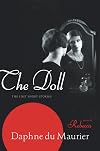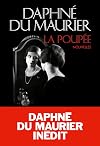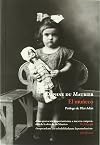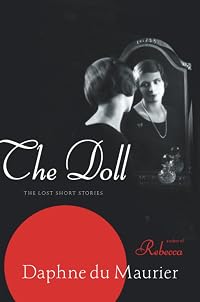
The Doll: Short Stories
by Daphne du Maurier
On This Page
Description
"Du Maurier is in a class by herself." -New York Times Perhaps best known for her immortal gothic masterwork Rebecca-the basis for the Academy Award-winning motion picture directed by Alfred Hitchcock-Daphne de Maurier began her illustrious writing career penning short stories. In The Doll, thirteen of du Maurier's early shorter fictional works have been collected-each story written before the author's twenty-third birthday and some in print for the first time since the 1930s. Compelling show more tales of human foibles and tragic romance, the stories in The Doll represent the emergence of a remarkable literary talent who later went on to create Jamaica Inn, The Birds, and other classic works. This breathtaking collection of short fiction belongs on the bookshelf of every Daphne du Maurier fan. show lessTags
Recommendations














Member Reviews
This is a collection of little-known short stories, mostly written in her youth before she became a household name with Rebecca in 1938. For someone still in her early twenties, and several years before her marriage, she displays an extremely acute sense of observation and psychological insight. The majority of the stories tell of unhealthy obsession, deceit and the deception of others and oneself. My favourite was the rather darkly funny and psychologically acute ‘Week-End’, where Du Maurier inhabits both the male and the female point of view and pits them against each other; anyone in a relationship or marriage will recognise themselves or their partner in it.
I doubt anyone unfamiliar with the author’s work will choose this thin show more volume before such well-known novels as Rebecca or Jamaica Inn, but it is well worth reading to better appreciate Du Maurier’s later skills with the pen and to ponder whether the seed for Rebecca and other works might not have been sown within one of the stories on offer here. show less
I doubt anyone unfamiliar with the author’s work will choose this thin show more volume before such well-known novels as Rebecca or Jamaica Inn, but it is well worth reading to better appreciate Du Maurier’s later skills with the pen and to ponder whether the seed for Rebecca and other works might not have been sown within one of the stories on offer here. show less
Bloomsbury Girls by Natalie Jenner mentions The Doll a short story by Daphne du Maurier that was too scandalous to be published. Well, I had to search it out and found this anthology. According to Bloomsbury Girls, The Doll is about a woman who finds a doll that fulfills all her sexual needs. (If you want to read just this story it's here: https://www.theguardian.com/books/2011/apr/30/the-doll-daphne-du-maurier). Pretty risque for the 1920s, though that was a time of sexual freedom. Maybe taken alone, this is what it's about, but as it is combined with the rest of the stories (and it's seldom I like almost every short story in an anthology as I did in this one) it seems to me to be about a woman who is smart enough not to get sucked in show more by a man's romantic notions so she creates her own fantasy that satisfies her more. I didn't see anything particularly sexual in it, but it's possible these things have to be spelled out for me. The stories are about obsessive love, waning love, the love of the chase, and the boredom of the relationship. They're also about men and women who use and are used by each other. They don't seem to have been written by a woman who had a very favorable view of marriage. show less
I don't know what happened this time. The first time through I could not get through this collection. My mind was wandering, I couldn't even get through the sentences. I just took it off my reading shelf and ignored it for more than a year. This time though, I flew this collection. Daphne du Maurier is able to tap into the deepest/darkest parts of people and is able to wrap it up in just a few pages. I thought all of these stories were great.
East Wind (4.5 stars)-This story is just giving you a little taste of the stories you are going to read in this collection. Reading about a remote island where the inhabitants find themselves acting out once a wind blows a boat with foreign sailors ashore is great. The ending shocked me. It was so show more sudden that I had to re-read it to make sure that I read it properly. And in typical du Maurier fashion there is definitely dark humor in play at the ending when as a reader you realize that the character of Guthrie didn't need to do what he did.
The Doll (5 stars)-Wow. First of all, I hate dolls. They freak me out, and I don't like the glass eyes following you around. This story about an unknown narrator who leaves a letter found by someone in which you can see the narrator's increasing madness when it comes to a woman he is obsessed/loves who is in turns focused on a doll.
And Now to God The Father (4.5 stars)-The character of Reverend James Hollaway can go kick rocks. Hard. Seriously though, I loved how you get to see the inner workings of this supposed religious man.
A Difference in Temperament (5 stars)-This one made me laugh. Mostly because you get to see how a couple acts and thinks and you realize everything would be solved if they actually spoke up without being passive aggressive to one another. This one had a dark humor flavor to it as well. Not as much as East Wind though.
Frustration (5 stars)- Was hilarious from beginning to end. This and A Difference in Temperament were more let's laugh at how human beings act and how all of their plans go up in smoke. The Doll was more let's be afraid of ever interacting with other people again.
Piccadilly (4 stars)- This one was not as great as the other stories. And considering I loved the other ones that's not a real complaint. It just stuck out a lot more compared to the other stories. This got the collection back to a "darker" sentiment.
Tame Cat (5 stars)-Heartbreaking. Seriously. You will feel for the young girl called "Baby" by her "Uncle" John in this one. Being proud to return home to be with her mother and show her how she has changed. She gets her eyes opened in more ways than one.
Mazie (4 stars)-Once again this one was not as great as the other stories. I was not as engaged with this one. It probably was because Tame Cat was so good and I wished that one had gone on a bit longer.
Nothing Hurts for Long (5 stars)-A woman's awakening to what state her marriage is really in after witnessing the implosion of her friend's marriage. Once again there was a sly dark humor running through this one. You knew that the main character was going to get a pie in her face by the end, and du Maurier did not disappoint.
Week-End (5 stars)-Funny (which makes me kind of messed up by the way) from beginning to end. Watch young love die. Seriously though, it did make me laugh. And notice how the title of this story is labeled.
The Happy Valley (5 stars)-I dithered about this one a bit, but honestly it was kind of all over the place until the very end. But, it needed to be since you could feel the confusion of the main character until the final reveal which I thought was brilliantly done. I actually got a shiver up my spine when I got to a certain part and the ending.
As His Letters Grew Colder (5 stars)-The end of an affair. Seriously. It was wonderful to read from beginning to end. It reminded me of Sex and the City when (spoilers)
Carrie and Big begin their affair and you see how hot and passionate it was and how it went to indifference over time in a 1 minute montage.
The Limpet (4.5 stars)-Not the strongest to end on in this collection. It was still great though. Reading about a woman's constant complaints about her life though without her even realizing what a schemer she really is and also how she is at turns naive. show less
East Wind (4.5 stars)-This story is just giving you a little taste of the stories you are going to read in this collection. Reading about a remote island where the inhabitants find themselves acting out once a wind blows a boat with foreign sailors ashore is great. The ending shocked me. It was so show more sudden that I had to re-read it to make sure that I read it properly. And in typical du Maurier fashion there is definitely dark humor in play at the ending when as a reader you realize that the character of Guthrie didn't need to do what he did.
The Doll (5 stars)-Wow. First of all, I hate dolls. They freak me out, and I don't like the glass eyes following you around. This story about an unknown narrator who leaves a letter found by someone in which you can see the narrator's increasing madness when it comes to a woman he is obsessed/loves who is in turns focused on a doll.
And Now to God The Father (4.5 stars)-The character of Reverend James Hollaway can go kick rocks. Hard. Seriously though, I loved how you get to see the inner workings of this supposed religious man.
A Difference in Temperament (5 stars)-This one made me laugh. Mostly because you get to see how a couple acts and thinks and you realize everything would be solved if they actually spoke up without being passive aggressive to one another. This one had a dark humor flavor to it as well. Not as much as East Wind though.
Frustration (5 stars)- Was hilarious from beginning to end. This and A Difference in Temperament were more let's laugh at how human beings act and how all of their plans go up in smoke. The Doll was more let's be afraid of ever interacting with other people again.
Piccadilly (4 stars)- This one was not as great as the other stories. And considering I loved the other ones that's not a real complaint. It just stuck out a lot more compared to the other stories. This got the collection back to a "darker" sentiment.
Tame Cat (5 stars)-Heartbreaking. Seriously. You will feel for the young girl called "Baby" by her "Uncle" John in this one. Being proud to return home to be with her mother and show her how she has changed. She gets her eyes opened in more ways than one.
Mazie (4 stars)-Once again this one was not as great as the other stories. I was not as engaged with this one. It probably was because Tame Cat was so good and I wished that one had gone on a bit longer.
Nothing Hurts for Long (5 stars)-A woman's awakening to what state her marriage is really in after witnessing the implosion of her friend's marriage. Once again there was a sly dark humor running through this one. You knew that the main character was going to get a pie in her face by the end, and du Maurier did not disappoint.
Week-End (5 stars)-Funny (which makes me kind of messed up by the way) from beginning to end. Watch young love die. Seriously though, it did make me laugh. And notice how the title of this story is labeled.
The Happy Valley (5 stars)-I dithered about this one a bit, but honestly it was kind of all over the place until the very end. But, it needed to be since you could feel the confusion of the main character until the final reveal which I thought was brilliantly done. I actually got a shiver up my spine when I got to a certain part and the ending.
As His Letters Grew Colder (5 stars)-The end of an affair. Seriously. It was wonderful to read from beginning to end. It reminded me of Sex and the City when (spoilers)
Carrie and Big begin their affair and you see how hot and passionate it was and how it went to indifference over time in a 1 minute montage.
The Limpet (4.5 stars)-Not the strongest to end on in this collection. It was still great though. Reading about a woman's constant complaints about her life though without her even realizing what a schemer she really is and also how she is at turns naive. show less
Daphne du Maurier is one of my patron saints, one of the handful of writers who indelibly shaped me and my tastes in literature, so I expected I'd love this collection of 'lost' short stories. I wasn't disappointed: the pieces here are wry and a little dark and deliciously British. These stories span her career, from her start to her post-Rebecca and post-The Birds days, and it's really exciting to see her entire career captured here.
While du Maurier is known for her deliciously Gothic novels, these short stories show her skill at seeing the darker side of romance. Her snappy portraits of marriages, affairs, and couples in love were delightful -- spot on, familiar, droll, and pointed. One of the earliest stories, 'And Now to God the show more Father' was written when she was 22, and it is a wicked portrayal of an Anglican priest who cares more for society than souls. I howled. A few of the stories were duds for me, including the opening piece, 'East Wind', which is sort of 'eh' (so if you're cold on it too, just keep going, I promise it gets better!).
If you haven't read Rebecca yet (and that's okay, I still love you, but please for the love of everything that's good, read it immediately!), I wouldn't say this is exactly an intro to du Maurier, as these stories are, in the majority, more flip than her Gothic novels. But as an example of scathing British humor, this is a delight.
Grab this when you're with your loved ones over the holidays, and you need something to make you laugh and confirm that it isn't just you who finds being married/in love/dating exasperating at times. Halloween shouldn't be the only time for indulging in darker themes, and these stories are twisted without being scary. Trust me: when it's all happy holiday time, you'll love having this collection to escape in to! show less
While du Maurier is known for her deliciously Gothic novels, these short stories show her skill at seeing the darker side of romance. Her snappy portraits of marriages, affairs, and couples in love were delightful -- spot on, familiar, droll, and pointed. One of the earliest stories, 'And Now to God the show more Father' was written when she was 22, and it is a wicked portrayal of an Anglican priest who cares more for society than souls. I howled. A few of the stories were duds for me, including the opening piece, 'East Wind', which is sort of 'eh' (so if you're cold on it too, just keep going, I promise it gets better!).
If you haven't read Rebecca yet (and that's okay, I still love you, but please for the love of everything that's good, read it immediately!), I wouldn't say this is exactly an intro to du Maurier, as these stories are, in the majority, more flip than her Gothic novels. But as an example of scathing British humor, this is a delight.
Grab this when you're with your loved ones over the holidays, and you need something to make you laugh and confirm that it isn't just you who finds being married/in love/dating exasperating at times. Halloween shouldn't be the only time for indulging in darker themes, and these stories are twisted without being scary. Trust me: when it's all happy holiday time, you'll love having this collection to escape in to! show less
I don’t know which short story to gush about in this review. From the creepy, ick factor of the book’s title story, The Doll, to the heartbreaking loss experienced in East Wind, to the funny, but bittersweet tale of Frustration… I could go on and on.
I think one story though really got to me. I loved them all for their tragic, gothic-like settings, stories and people.. but there is one story that is all letters that move from the thrilling moments of a new, forbidden love to the eventual falling away of the same. This is a repeated theme in these short stories – there’s no hugely romantic gestures, just simple, every day life laid bare and man’s shortcomings exposed in all sorts of heartbreaking detail.
I know, however, that show more this is one of the best collections of short stories I’ve read. I can say this because this tiny little book inspires me to try my own hand at short stories, even though they’ll be no where near as perfect as du Maurier’s. Still.. these stories have shown me the endless possibilities that can be reached with just a few pages of story – and how much wealth there is in a backstory and future that are left untold. show less
I think one story though really got to me. I loved them all for their tragic, gothic-like settings, stories and people.. but there is one story that is all letters that move from the thrilling moments of a new, forbidden love to the eventual falling away of the same. This is a repeated theme in these short stories – there’s no hugely romantic gestures, just simple, every day life laid bare and man’s shortcomings exposed in all sorts of heartbreaking detail.
I know, however, that show more this is one of the best collections of short stories I’ve read. I can say this because this tiny little book inspires me to try my own hand at short stories, even though they’ll be no where near as perfect as du Maurier’s. Still.. these stories have shown me the endless possibilities that can be reached with just a few pages of story – and how much wealth there is in a backstory and future that are left untold. show less
Daphne Du Maurier is known as a writer who can create suspenseful atmosphere and twisted characters. This book of short stories from her youth does not disappoint on either count. Yes, a few of the stories are unpolished or overblown ( A Difference in Temperament,The Doll), but there are also some real treasures here. 'And Now to God the Father' and 'Picadilly' are brilliant studies of depressing characters. 'The Limpet' is an astonishing tale of a woman (reminiscent of Elizabeth Taylor's Angel), insinuating herself and meddling to disastrous effect with the lives of everyone in her path. Thankfully, there is sly comic relief to be found in a few of these tales as a contrast to the cynical, oppressive mood of the majority. Recommended show more for Du Maurier fans and those who love an unexpected twist in their short stories. show less
 This review was written for LibraryThing Early Reviewers.
'El muñeco' es una colección de relatos inéditos de Daphne du Maurier, que ofrece una mirada a sus inicios como autora del suspense y la narrativa psicológica. A través de estos cuentos, se puede observar a Du Maurier en proceso de encontrar su voz, con relatos que muestran destellos de su talento, aunque algunos se sientan menos pulidos. Los temas de obsesión, miedo y tensión en lo cotidiano ya están presentes, destacando el cuento que da título a la colección como un ejemplo de su habilidad para crear atmósferas inquietantes.
Para los seguidores de Du Maurier, esta colección es un interesante ejercicio que revela la evolución de su estilo y su enfoque temático. Sin embargo, puede no ser la mejor introducción para quienes show more no están familiarizados con su obra. 'El muñeco' es una lectura valiosa, pero con expectativas moderadas, ya que no todos los relatos logran capturar la magia que definiría su carrera. Es un vistazo fascinante a sus inicios, aunque no necesariamente satisfactorio para quienes buscan su mejor trabajo.
-Viento del este (East Wind): En una isla remota, los habitantes experimentan un cambio inquietante cuando un barco llega a puerto. La tensión aumenta a medida que las relaciones se desintegran y se desatan emociones reprimidas.
-El muñeco (The Doll): Un hombre se obsesiona con una mujer misteriosa que posee un muñeco sorprendentemente realista. Este relato, que prefigura la atmósfera gótica de Rebecca, explora el deseo, la obsesión y la alienación.
-Y ahora a Dios nuestro Padre (And Now to God the Father): Este relato se centra en el reverendo James Holloway, un clérigo cuya fe y moralidad rígidas lo llevan a decisiones crueles y egoístas. La historia destaca la hipocresía en la religión y cómo la autojustificación puede distorsionar el sentido del deber y la piedad.
-Una diferencia de carácter (A Difference in Temperament): Una pareja se enfrenta a las diferencias fundamentales en sus personalidades durante un viaje. La incomunicación y la insatisfacción marital son los temas centrales.
-Frustración (Frustration): Una historia sobre las expectativas fallidas en un matrimonio. La pareja protagonista experimenta frustraciones crecientes que desembocan en un final inevitablemente triste.
-Piccadilly (Piccadilly): Una mujer relata a un reportero las vicisitudes que la llevaron a ser una prostituta.
-Gato doméstico (Tame Cat): Una joven regresa a casa y se da cuenta de que ha dejado atrás su inocencia. La historia explora la pérdida de la ingenuidad y la traición en un entorno familiar.
-Mazie (Mazie): Mazie, el mismo personaje protagonista del cuento Piccadilly, es una joven que sueña con una vida mejor, pero sus esperanzas se ven truncadas por la cruda realidad de su situación, explorando el tema del desencanto.
-Nada duele mucho tiempo (Nothing Hurts for Long): Un relato sobre la desesperanza en un matrimonio, donde la protagonista anticipa la traición de su esposo, lo que la lleva a un dolor que, como el título sugiere, es transitorio.
-Fin de semana (Week-End): La tensión en un matrimonio se intensifica durante un fin de semana, revelando las grietas en la relación que podrían llevar a su desmoronamiento.
-El valle feliz (The Happy Valley): Una mujer tiene sueños recurrentes de un valle hermoso, pero al visitar el lugar en la vida real, la experiencia toma un giro inquietante, evocando temas de destino y premonición.
-Y sus cartas se volvieron más frías (And His Letters Grew Colder): Un relato epistolar donde una relación amorosa se desmorona lentamente, revelando el deterioro emocional a través de las cartas cada vez más distantes del amante.
-La lapa (The Limpet): Dilly, una mujer que se define por su deseo de ayudar a los demás, acaba siendo manipulada por quienes la rodean. Sin embargo, la historia revela que ella no es tan inocente como parece, cuestionando las motivaciones detrás de la ayuda desinteresada. show less
Para los seguidores de Du Maurier, esta colección es un interesante ejercicio que revela la evolución de su estilo y su enfoque temático. Sin embargo, puede no ser la mejor introducción para quienes show more no están familiarizados con su obra. 'El muñeco' es una lectura valiosa, pero con expectativas moderadas, ya que no todos los relatos logran capturar la magia que definiría su carrera. Es un vistazo fascinante a sus inicios, aunque no necesariamente satisfactorio para quienes buscan su mejor trabajo.
-Viento del este (East Wind): En una isla remota, los habitantes experimentan un cambio inquietante cuando un barco llega a puerto. La tensión aumenta a medida que las relaciones se desintegran y se desatan emociones reprimidas.
-El muñeco (The Doll): Un hombre se obsesiona con una mujer misteriosa que posee un muñeco sorprendentemente realista. Este relato, que prefigura la atmósfera gótica de Rebecca, explora el deseo, la obsesión y la alienación.
-Y ahora a Dios nuestro Padre (And Now to God the Father): Este relato se centra en el reverendo James Holloway, un clérigo cuya fe y moralidad rígidas lo llevan a decisiones crueles y egoístas. La historia destaca la hipocresía en la religión y cómo la autojustificación puede distorsionar el sentido del deber y la piedad.
-Una diferencia de carácter (A Difference in Temperament): Una pareja se enfrenta a las diferencias fundamentales en sus personalidades durante un viaje. La incomunicación y la insatisfacción marital son los temas centrales.
-Frustración (Frustration): Una historia sobre las expectativas fallidas en un matrimonio. La pareja protagonista experimenta frustraciones crecientes que desembocan en un final inevitablemente triste.
-Piccadilly (Piccadilly): Una mujer relata a un reportero las vicisitudes que la llevaron a ser una prostituta.
-Gato doméstico (Tame Cat): Una joven regresa a casa y se da cuenta de que ha dejado atrás su inocencia. La historia explora la pérdida de la ingenuidad y la traición en un entorno familiar.
-Mazie (Mazie): Mazie, el mismo personaje protagonista del cuento Piccadilly, es una joven que sueña con una vida mejor, pero sus esperanzas se ven truncadas por la cruda realidad de su situación, explorando el tema del desencanto.
-Nada duele mucho tiempo (Nothing Hurts for Long): Un relato sobre la desesperanza en un matrimonio, donde la protagonista anticipa la traición de su esposo, lo que la lleva a un dolor que, como el título sugiere, es transitorio.
-Fin de semana (Week-End): La tensión en un matrimonio se intensifica durante un fin de semana, revelando las grietas en la relación que podrían llevar a su desmoronamiento.
-El valle feliz (The Happy Valley): Una mujer tiene sueños recurrentes de un valle hermoso, pero al visitar el lugar en la vida real, la experiencia toma un giro inquietante, evocando temas de destino y premonición.
-Y sus cartas se volvieron más frías (And His Letters Grew Colder): Un relato epistolar donde una relación amorosa se desmorona lentamente, revelando el deterioro emocional a través de las cartas cada vez más distantes del amante.
-La lapa (The Limpet): Dilly, una mujer que se define por su deseo de ayudar a los demás, acaba siendo manipulada por quienes la rodean. Sin embargo, la historia revela que ella no es tan inocente como parece, cuestionando las motivaciones detrás de la ayuda desinteresada. show less
Members
- Recently Added By
Lists

Books Read in 2015
3,299 works; 129 members

Nightmares Not Included
175 works; 3 members
Author Information

204+ Works 57,515 Members
Daphne Du Maurier was born in London on May 13, 1907 and educated in Paris. In 1932, she married Lieutenant-General Sir Frederick Browning. She began writing short stories of mystery and suspense for magazines in 1928, a collection of which appeared as The Apple Tree in 1952. Her first novel, The Loving Spirit, was published in 1931. Her tightly show more woven, highly suspenseful plots and her strong characters make her stories perfect for adaptation to film or television. Among her many novels that were made into successful films are Jamaica Inn (1936), Rebecca (1938), Frenchman's Creek (1941), Hungry Hill (1943), My Cousin Rachel (1952), and The Scapegoat (1957). Her short story, The Birds (1953), was brought to the screen by director Alfred Hitchcock in a treatment that has become a classic horror-suspense film. She died on April 19, 1989 at the age of 81. (Bowker Author Biography) show less
Some Editions
Series
Belongs to Publisher Series
Virago Modern Classics (555)
Work Relationships
Common Knowledge
- Canonical title
- The Doll: The Lost Short Stories; The Doll: Short Stories
- Original title
- The Doll
- Original publication date
- 2011
- Important places
- St. Hilda's Island
- First words
- You reach the end of 'The Doll'. (Introduction)
- Last words
- (Click to show. Warning: May contain spoilers.)A writer who was beginning to emerge from her shell while at the same time seeking a place to hide, thirsting for the solitude, the sea and the freedom to write, that the publication of these, her first stories, would eventually allow her to revel in. (Introduction)
- Disambiguation notice
- Contains:
- East Wind
- The Doll
- And Now to God the Father
- A Difference in Temperament
- Frustration
- Piccadilly
- Tame Cat
- Mazie
- Nothing Hurts for Long
- We... (show all)ek-End
- The Happy Valley
- And His Letters Grew Colder
- The Limpet
Classifications
Statistics
- Members
- 471
- Popularity
- 64,645
- Reviews
- 36
- Rating
- (3.66)
- Languages
- Dutch, English, French, Spanish
- Media
- Paper, Audiobook, Ebook
- ISBNs
- 17
- ASINs
- 7