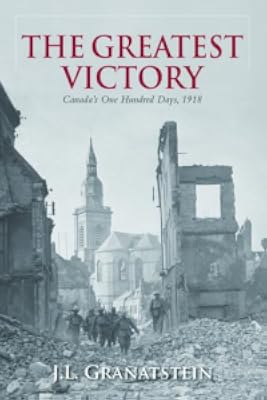
The Greatest Victory: Canada's One Hundred Days, 1918
by J. L. Granatstein
On This Page
Description
The battle of Vimy Ridge in April 1917 is a much celebrated moment in both Canadian and European military history. Vimy was a costly success. While it did improve military and public morale, the reality is that it was more of a symbolic victory than a strategic one (the Germans retreated a few miles and many lives had been lost). Surprisingly, few Canadians are familiar with the real story of Canadian military success and sacrifice: the Hundred Days that led to the end of the war. Beginning show more on August 8, 1918, the Canadian Corps launched a series of attacks that took Amiens, crossed the Canal du Nord, smashed the Hindenburg Line, took Cambrai and Valenciennes, and defeated a quarter of the German Army in the field. On the morning of August 8, following the Canadian-led attack, German commander and joint head of the German army Erich Ludendorff called it "the Black Day of the German Army." In the hundred days that preceded the Armistice on November 11, 1918, the Canadian Corps made its greatest contribution to the Allied victory in World War 1 and, without question, the greatest contribution any Canadian force has ever made in battle. The 100,000 soldiers of the four Canadian divisions fought a mobile war that was revolutionary in its effectiveness and, as J.L. Granatstein argues, would influence the course of subsequent fighting, particularly in World War 2. With 45,000 casualties in three months (almost a quarter of Canadian casualties during the whole four years of the war), however, the costs were heavy. These Canadian-led assaults changed Allied fighting from static defensive positions to a war of mobility, technology, and smart coordination. How did Canadians come to lead these mobile, well-coordinated, and hard-hitting attacks? The preparations were intense, according to Granatstein, ranging from individual training to massive corps-wide exercises; careful analysis of "lessons learned" studies; expansion of the role of signallers, gunners and engineers; and perfection of techniques like the "creeping barrage." The "fire and movement" philosophy emphasized by Sir Arthur Currie, Commander of the Canadian Corps, increased the use of tanks, machine guns, Stokes mortars, and phosphorus bombs, among other military hardware. Mobility was the key; Canadians used their two Motor Machine Brigades - with guns and mortars mounted on armoured cars and trucks - with great effect. Granatstein is an award-winning historian who has received six honorary degrees for his work on conflict and Canadian history. He is a gifted writer with a profound understanding of the historical and political context of World War I, as well as the many factors that played into the complex events in the final days of the war. These factors include complex politics, the logistics of large-scale battles, the personalities organizing the battles, and even the specific weather and geography that influenced battle outcomes. Perhaps most important is Granatstein's excellent selection of soldiers' own description of their experience on the ground, in his use of the Canadian Letters and Images Project. In addition to these perspectives, events are recounted from a variety of angles, including that of Canada's most famous General, Sir Arthur Currie. -- Provided by publisher. show lessTags
Recommendations



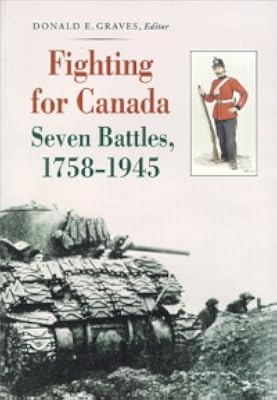

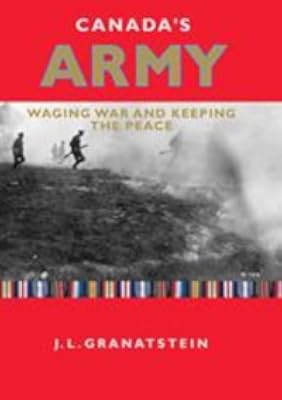
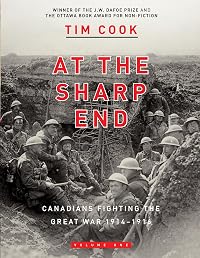
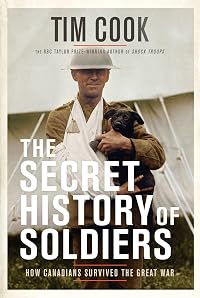






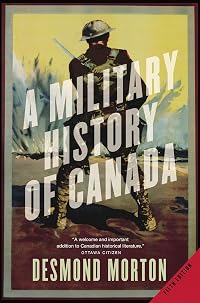
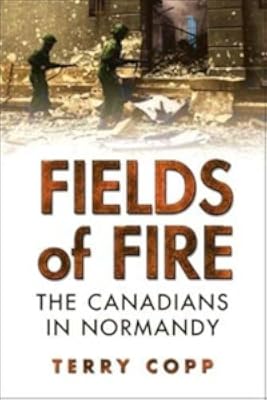

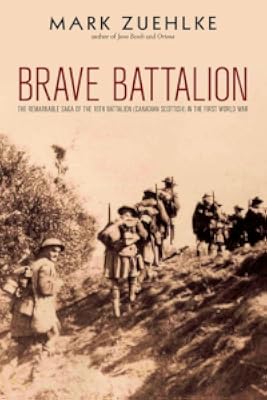

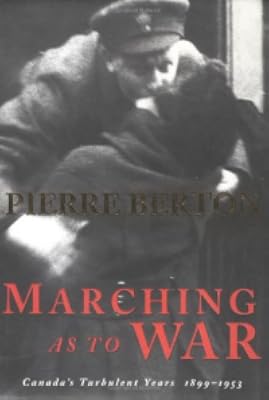
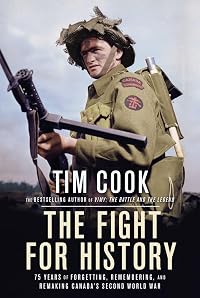
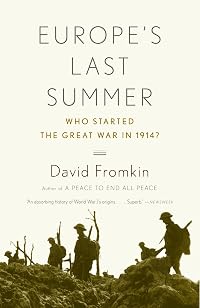
Member Recommendations
charlie68 Also looks at Canada's role in the Great War.
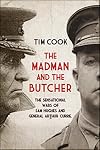
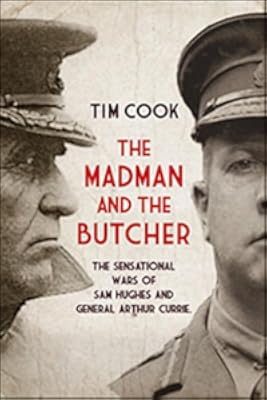
The Madman and the Butcher: The Sensational Wars Of Sam Hughes And General Arthur Currie by Tim Cook
charlie68 A closer look at two individuals prominent in Canada's role in the Great War.
Member Reviews
A good portrayal of the last hundred days of the war from the Canadian perspective.
Ratings
Members
- Recently Added By
Author Information

57+ Works 1,059 Members
Scholar and author Jack Lawrence Granatstein was born in Toronto in 1939. Considered an authority on 20th century Canadian national history (particularly foreign and defense policies), Canadian-American relations, the military, public service, and politics, Granatstein regularly comments on historical questions and public affairs in the media. He show more is a graduate of both Le College Militaire Royal de St. Jean (1959) and the Royal Military College in Kingston (1961). Granatstein also received a master's degree from the University of Toronto in 1962 and a Ph.D. from Duke University in 1966. He served in the Canadian Army from 1956 to 1966. Afterward, Granatstein joined the History Department at York University in Toronto, where he is now Distinguished Research Professor of History Granatstein's scholarly and popular books are many. They include The Politics of Survival: The Conservative Party of Canada 1939-45 (published in 1967), Peacekeeping: International Challenge and Canadian Response (1968), and Canada's War: The Politics of the Mackenzie King Government 1939-45 (1975). Among his more recent works are the Dictionary of Canadian Military History (1992), The Generals: The Canadian Army's Senior Commanders in the Second World War (1993, 1995), The Good Fight: Canadians and World War II (1995), and Who Killed Canadian History (1998). Granatstein was awarded the Tyrrell Medal for Canadian History in 1992 and the Medal for Biography from the University of British Columbia in 1993. He was granted honorary degrees from Memorial University and the University of Calgary. (Bowker Author Biography) show less
Common Knowledge
- People/Characters
- Arthur Currie
- Important places
- Canada; France; Cambrai, Nord, Hauts-de-France, France; Mons, Hainault, Belgium
- Important events
- World War I (1914 | 1918)
- First words
- In the last eighteen months of the Great War of 1914-18, the Canadian Corps became "the shock troops of the British Empire," in soldier-historian Shane Schreiber's apt phrase.
- Last words
- (Click to show. Warning: May contain spoilers.)The Hundred Days was their greatest victory-Canada's greatest victory.
- Original language
- English
Classifications
Statistics
- Members
- 23
- Popularity
- 1,149,014
- Reviews
- 1
- Rating
- (3.67)
- Languages
- English
- Media
- Paper
- ISBNs
- 1