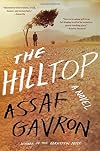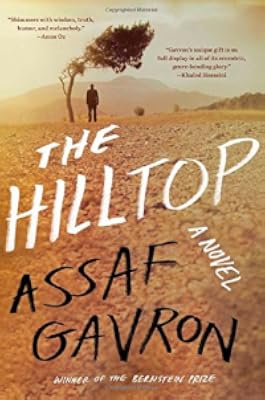
The Hilltop
by Assaf Gavron
On This Page
Description
Life in a West Bank settlement from one of Israel's most acclaimed young novelists, skewering the complex, often absurd reality of life in Israel, the West Bank settlers, and the nation's relationship to the United States.Tags
Recommendations


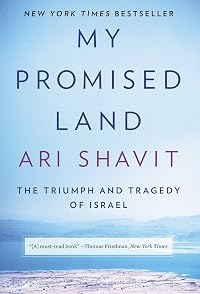
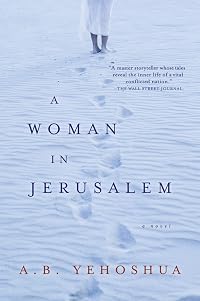

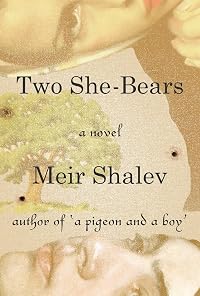

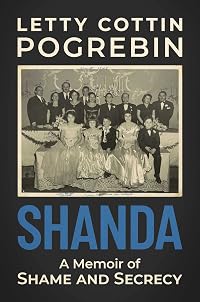



Member Recommendations
Member Reviews
My favorite part of this book was the understated humor highlighting the contradictions in the way the government treated the settlement. Unfortunately, this ended up being small part of the story. Instead, the majority of the story focused on Gabi, his brother Roni, and their history which was often pretty messed up. I definitely didn't go into this expecting an issue book. I didn't expect something especially gritty. As a result, I was unpleasantly surprised by how much violence there was in this book, including some bad things happening to animals. I realize sometimes that sort of thing can add to the story, but in this case, I felt it was unnecessary.
I was curious about Gabi and Roni's history, but definitely not as hooked as I've show more been by other dual narrative past/present stories. I also wasn't especially engaged in finding out what happened to the settlement. As a result, the plot felt slow. The characters didn't pull me in either. The author did an impressive job making some really terrible characters sympathetic, but it wasn't enough. Gabi came across as an unrepentant psychopath who experienced very little character growth. The ending wrapped up rapidly and unbelievably neatly. I loved learning a bit more about Israel from and Israeli author, but the book still fell flat for me.This review was originally posted on Doing Dewey. show less
I was curious about Gabi and Roni's history, but definitely not as hooked as I've show more been by other dual narrative past/present stories. I also wasn't especially engaged in finding out what happened to the settlement. As a result, the plot felt slow. The characters didn't pull me in either. The author did an impressive job making some really terrible characters sympathetic, but it wasn't enough. Gabi came across as an unrepentant psychopath who experienced very little character growth. The ending wrapped up rapidly and unbelievably neatly. I loved learning a bit more about Israel from and Israeli author, but the book still fell flat for me.This review was originally posted on Doing Dewey. show less
A patch of land, a piece of dirt
The Hilltop: A Novel by Assaf Gavron, translated by Steven Cohen (Scribner, $26).
Assaf Gavron is one of Israel’s better-known young novelists, and his latest, The Hilltop, has garnered international attention and awards.
In it, he tells the story of a less-than-completely legal settlement in the West Bank, the existence of which has international diplomatic implications. While he portrays the village, Ma’ale Hermesh C (which had sub rosa Israeli government assistance in its founding), on a large scale of day-to-day life, posted eviction notices, and battles to have the evictions rescinded, Gavron also zooms in closely on a handful of characters.
Among them are Othniel, a farmer who just wanted a good show more spot on the hilltop to raise goats, and two brothers who were raised on a kibbutz. Gavriel is the spiritual brother, seeking a place to live simply with God, and Roni is a serious businessman, intent on making a killing in Palestinian olive oil.
And, with any brothers in this particular landscape going back to the book of Genesis, there will be conflict.
The Hilltop reads like a panoramic saga, but doesn’t shy away from the most pressing political and moral questions facing Israel. Israeli settlement in disputed areas is—unfortunately—always a timely subject, and this novel provides an insider’s eye view of the situation. Add to that Gavron’s storytelling gifts, and it’s time well spent.
Reviewed on Lit/Rant: www.litrant.tumblr.com show less
The Hilltop: A Novel by Assaf Gavron, translated by Steven Cohen (Scribner, $26).
Assaf Gavron is one of Israel’s better-known young novelists, and his latest, The Hilltop, has garnered international attention and awards.
In it, he tells the story of a less-than-completely legal settlement in the West Bank, the existence of which has international diplomatic implications. While he portrays the village, Ma’ale Hermesh C (which had sub rosa Israeli government assistance in its founding), on a large scale of day-to-day life, posted eviction notices, and battles to have the evictions rescinded, Gavron also zooms in closely on a handful of characters.
Among them are Othniel, a farmer who just wanted a good show more spot on the hilltop to raise goats, and two brothers who were raised on a kibbutz. Gavriel is the spiritual brother, seeking a place to live simply with God, and Roni is a serious businessman, intent on making a killing in Palestinian olive oil.
And, with any brothers in this particular landscape going back to the book of Genesis, there will be conflict.
The Hilltop reads like a panoramic saga, but doesn’t shy away from the most pressing political and moral questions facing Israel. Israeli settlement in disputed areas is—unfortunately—always a timely subject, and this novel provides an insider’s eye view of the situation. Add to that Gavron’s storytelling gifts, and it’s time well spent.
Reviewed on Lit/Rant: www.litrant.tumblr.com show less
My favorite part of this book was the understated humor highlighting the contradictions in the way the government treated the settlement. Unfortunately, this ended up being small part of the story. Instead, the majority of the story focused on Gabi, his brother Roni, and their history which was often pretty messed up. I definitely didn't go into this expecting an issue book. I didn't expect something especially gritty. As a result, I was unpleasantly surprised by how much violence there was in this book, including some bad things happening to animals. I realize sometimes that sort of thing can add to the story, but in this case, I felt it was unnecessary.
I was curious about Gabi and Roni's history, but definitely not as hooked as I've show more been by other dual narrative past/present stories. I also wasn't especially engaged in finding out what happened to the settlement. As a result, the plot felt slow. The characters didn't pull me in either. The author did an impressive job making some really terrible characters sympathetic, but it wasn't enough. Gabi came across as an unrepentant psychopath who experienced very little character growth. The ending wrapped up rapidly and unbelievably neatly. I loved learning a bit more about Israel from and Israeli author, but the book still fell flat for me.This review was originally posted on Doing Dewey. show less
I was curious about Gabi and Roni's history, but definitely not as hooked as I've show more been by other dual narrative past/present stories. I also wasn't especially engaged in finding out what happened to the settlement. As a result, the plot felt slow. The characters didn't pull me in either. The author did an impressive job making some really terrible characters sympathetic, but it wasn't enough. Gabi came across as an unrepentant psychopath who experienced very little character growth. The ending wrapped up rapidly and unbelievably neatly. I loved learning a bit more about Israel from and Israeli author, but the book still fell flat for me.This review was originally posted on Doing Dewey. show less
My favorite part of this book was the understated humor highlighting the contradictions in the way the government treated the settlement. Unfortunately, this ended up being small part of the story. Instead, the majority of the story focused on Gabi, his brother Roni, and their history which was often pretty messed up. I definitely didn't go into this expecting an issue book. I didn't expect something especially gritty. As a result, I was unpleasantly surprised by how much violence there was in this book, including some bad things happening to animals. I realize sometimes that sort of thing can add to the story, but in this case, I felt it was unnecessary.
I was curious about Gabi and Roni's history, but definitely not as hooked as I've show more been by other dual narrative past/present stories. I also wasn't especially engaged in finding out what happened to the settlement. As a result, the plot felt slow. The characters didn't pull me in either. The author did an impressive job making some really terrible characters sympathetic, but it wasn't enough. Gabi came across as an unrepentant psychopath who experienced very little character growth. The ending wrapped up rapidly and unbelievably neatly. I loved learning a bit more about Israel from and Israeli author, but the book still fell flat for me.This review was originally posted on Doing Dewey. show less
I was curious about Gabi and Roni's history, but definitely not as hooked as I've show more been by other dual narrative past/present stories. I also wasn't especially engaged in finding out what happened to the settlement. As a result, the plot felt slow. The characters didn't pull me in either. The author did an impressive job making some really terrible characters sympathetic, but it wasn't enough. Gabi came across as an unrepentant psychopath who experienced very little character growth. The ending wrapped up rapidly and unbelievably neatly. I loved learning a bit more about Israel from and Israeli author, but the book still fell flat for me.This review was originally posted on Doing Dewey. show less
My favorite part of this book was the understated humor highlighting the contradictions in the way the government treated the settlement. Unfortunately, this ended up being small part of the story. Instead, the majority of the story focused on Gabi, his brother Roni, and their history which was often pretty messed up. I definitely didn't go into this expecting an issue book. I didn't expect something especially gritty. As a result, I was unpleasantly surprised by how much violence there was in this book, including some bad things happening to animals. I realize sometimes that sort of thing can add to the story, but in this case, I felt it was unnecessary.
I was curious about Gabi and Roni's history, but definitely not as hooked as I've show more been by other dual narrative past/present stories. I also wasn't especially engaged in finding out what happened to the settlement. As a result, the plot felt slow. The characters didn't pull me in either. The author did an impressive job making some really terrible characters sympathetic, but it wasn't enough. Gabi came across as an unrepentant psychopath who experienced very little character growth. The ending wrapped up rapidly and unbelievably neatly. I loved learning a bit more about Israel from and Israeli author, but the book still fell flat for me.This review was originally posted on Doing Dewey. show less
I was curious about Gabi and Roni's history, but definitely not as hooked as I've show more been by other dual narrative past/present stories. I also wasn't especially engaged in finding out what happened to the settlement. As a result, the plot felt slow. The characters didn't pull me in either. The author did an impressive job making some really terrible characters sympathetic, but it wasn't enough. Gabi came across as an unrepentant psychopath who experienced very little character growth. The ending wrapped up rapidly and unbelievably neatly. I loved learning a bit more about Israel from and Israeli author, but the book still fell flat for me.This review was originally posted on Doing Dewey. show less
My favorite part of this book was the understated humor highlighting the contradictions in the way the government treated the settlement. Unfortunately, this ended up being small part of the story. Instead, the majority of the story focused on Gabi, his brother Roni, and their history which was often pretty messed up. I definitely didn't go into this expecting an issue book. I didn't expect something especially gritty. As a result, I was unpleasantly surprised by how much violence there was in this book, including some bad things happening to animals. I realize sometimes that sort of thing can add to the story, but in this case, I felt it was unnecessary.
I was curious about Gabi and Roni's history, but definitely not as hooked as I've show more been by other dual narrative past/present stories. I also wasn't especially engaged in finding out what happened to the settlement. As a result, the plot felt slow. The characters didn't pull me in either. The author did an impressive job making some really terrible characters sympathetic, but it wasn't enough. Gabi came across as an unrepentant psychopath who experienced very little character growth. The ending wrapped up rapidly and unbelievably neatly. I loved learning a bit more about Israel from and Israeli author, but the book still fell flat for me.This review was originally posted on Doing Dewey. show less
I was curious about Gabi and Roni's history, but definitely not as hooked as I've show more been by other dual narrative past/present stories. I also wasn't especially engaged in finding out what happened to the settlement. As a result, the plot felt slow. The characters didn't pull me in either. The author did an impressive job making some really terrible characters sympathetic, but it wasn't enough. Gabi came across as an unrepentant psychopath who experienced very little character growth. The ending wrapped up rapidly and unbelievably neatly. I loved learning a bit more about Israel from and Israeli author, but the book still fell flat for me.This review was originally posted on Doing Dewey. show less
Members
- Recently Added By
Published Reviews
This stunning novel, like life itself, is packed with incidents both important and inconsequential, and sometimes you can’t be sure which is which. Yet, as eventful as it is, The Hilltop cares most about the longings and hopes and limitations of the individuals who populate it. The real drama lies in whether they can find forgiveness, redemption, love, or happiness, and—yes—whether show more they can ever really change.
The Hilltop touches deeper questions of meaning and truth in the way all great fiction does: not by taking sides, but through keen observation of the human comedy with enormous sympathy for everyone in it. It is brilliantly imagined, deeply compassionate, constantly entertaining, and well served by Steven Cohen’s deft, lucid translation. Assaf Gavron has given us nothing less than a modern masterpiece. show less
The Hilltop touches deeper questions of meaning and truth in the way all great fiction does: not by taking sides, but through keen observation of the human comedy with enormous sympathy for everyone in it. It is brilliantly imagined, deeply compassionate, constantly entertaining, and well served by Steven Cohen’s deft, lucid translation. Assaf Gavron has given us nothing less than a modern masterpiece. show less
added by avatiakh
The Hilltop, just published in a vigorous and colloquial English translation by Steven Cohen, is a “great Israeli novel” in much the same way that Jonathan Franzen’s Freedom was a “great American novel.” Like Franzen, Gavron writes realistic fiction with a comic edge that aims to take the temperature of his whole society, to tell us how Israelis live now. Accordingly, The Hilltop show more embraces all the archetypal settings of Israeli life—the kibbutz, the nightlife of Tel Aviv, even the obligatory stint living among other Israelis in New York. The center of the action, however, is the hilltop settlement of Ma’aleh Hermesh C, a tiny outpost in the West Bank, where a group of intrepid and blinkered Jews are trying to create a community of their own. show less
added by avatiakh
“The Hilltop is recommended to all readers who enjoy a good story grounded in current events.”
To center-left Israelis and their overseas supporters the Jewish settlements in the West Bank are poison pills that imperil the State of Israel’s Jewish character and democratic form of government, and the settlers are seen as religious fanatics.
To find out just who the settlers really are and show more what daily life is like in the settlements one such center-left Israeli, novelist Assaf Gavron spent two years living in Tekoa Dalet, a remote hilltop settlement southeast of Jerusalem that became the model for the fictional unauthorized settlement Ma’aleh Hermesh C in his fifth novel The Hilltop (in Hebrew Hagivah), a 448-page doorstopper with a two-page list of characters and a map of the village whose serious narrative is seasoned with satire.
Notwithstanding the political satire, Gavron’s third person narration is sufficiently neutral that right-wing supporters of the settlements will identify with the characters’ plucky ability to persevere under the perpetually postponed evacuation order’s Damocles sword, while left-wing readers will come away with a better understanding of why a two-state solution to the conflict remains elusive and why it may already be too late to implement. The Hilltop is recommended to all readers who enjoy a good story grounded in current events.
Kudos to translator Steven Cohen for rendering Ma’aleh Hermesh C’s immigrant settlers’ beginners’ Hebrew into broken English reminiscent of Jonathan Safran Foer’s Ukrainian translator in Everything Is Illuminated, which is one of the many contemporary American novels Gavron has translated into Hebrew. show less
To center-left Israelis and their overseas supporters the Jewish settlements in the West Bank are poison pills that imperil the State of Israel’s Jewish character and democratic form of government, and the settlers are seen as religious fanatics.
To find out just who the settlers really are and show more what daily life is like in the settlements one such center-left Israeli, novelist Assaf Gavron spent two years living in Tekoa Dalet, a remote hilltop settlement southeast of Jerusalem that became the model for the fictional unauthorized settlement Ma’aleh Hermesh C in his fifth novel The Hilltop (in Hebrew Hagivah), a 448-page doorstopper with a two-page list of characters and a map of the village whose serious narrative is seasoned with satire.
Notwithstanding the political satire, Gavron’s third person narration is sufficiently neutral that right-wing supporters of the settlements will identify with the characters’ plucky ability to persevere under the perpetually postponed evacuation order’s Damocles sword, while left-wing readers will come away with a better understanding of why a two-state solution to the conflict remains elusive and why it may already be too late to implement. The Hilltop is recommended to all readers who enjoy a good story grounded in current events.
Kudos to translator Steven Cohen for rendering Ma’aleh Hermesh C’s immigrant settlers’ beginners’ Hebrew into broken English reminiscent of Jonathan Safran Foer’s Ukrainian translator in Everything Is Illuminated, which is one of the many contemporary American novels Gavron has translated into Hebrew. show less
added by avatiakh
Lists

Dublin Literary Award Longlist 2016
148 works; 4 members

Best Israeli Reading
55 works; 12 members
Author Information

11+ Works 477 Members
Awards and Honors
Common Knowledge
- Canonical title
- The Hilltop
- Original title
- הגבעה
- Original publication date
- 2013
- People/Characters*
- Otniël Asis; Ronni Cooper; Gabi Cooper
- Important places*
- Maale Chermesj C; Israel
- Dedication*
- Voor Hila, Galli en Maja
- First words*
- Eerst waren er de velden.
- Last words*
- (Click to show. Warning: May contain spoilers.)Hij hamert en hamert met eindeloos geduld en met het gehamer op de achtergrond komen gedachten op, komen herinneringen op, aan mensen die er waren en er nu niet meer zijn, die overleden zijn, die hun taak vervuld hebben; aan de enige, grote, machtige en heilige God, die alles ziet en alles weet; aan een nietige heuveltop te midden van nergens, te midden van overal, met een paar rotsblokken, een paar stekels en een paar zielen.
- Original language*
- Hebrew
*Some information comes from Common Knowledge in other languages. Click "Edit" for more information.
Classifications
- Genres
- Fiction and Literature, General Fiction
- DDC/MDS
- 892.43 — Literature & rhetoric Literatures of other languages Afro-Asiatic literatures Jewish, Israeli, and Hebrew Hebrew fiction
- LCC
- PJ5055.22 .A94 .G5813 — Language and Literature Oriental languages and literatures Oriental philology and literature Hebrew Literature Individual authors and works
- BISAC
Statistics
- Members
- 171
- Popularity
- 191,992
- Reviews
- 8
- Rating
- (3.50)
- Languages
- 5 — Dutch, English, German, Italian, Swedish
- Media
- Paper, Audiobook, Ebook
- ISBNs
- 16
- ASINs
- 6