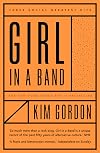
Girl in a Band
by Kim Gordon
On This Page
Description
NEW YORK TIMES BESTSELLERKim Gordon, founding member of Sonic Youth, fashion icon, and role model for a generation of women, now tells her story—a memoir of life as an artist, of music, marriage, motherhood, independence, and as one of the first women of rock and roll, written with the lyricism and haunting beauty of Patti Smith's Just Kids.
Often described as aloof, Kim Gordon opens up as never before in Girl in a Band. Telling the story of her family, growing up in California in the show more '60s and '70s, her life in visual art, her move to New York City, the men in her life, her marriage, her relationship with her daughter, her music, and her band, Girl in a Band is a rich and beautifully written memoir.
Gordon takes us back to the lost New York of the 1980s and '90s that gave rise to Sonic Youth, and the Alternative revolution in popular music. The band helped build a vocabulary of music—paving the way for Nirvana, Hole, Smashing Pumpkins and many other acts. But at its core, Girl in a Band examines the route from girl to woman in uncharted territory, music, art career, what partnership means—and what happens when that identity dissolves.
Evocative and edgy, filled with the sights and sounds of a changing world and a transformative life, Girl in a Band is the fascinating chronicle of a remarkable journey and an extraordinary artist.
. show less
Tags
Recommendations





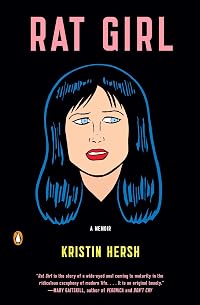
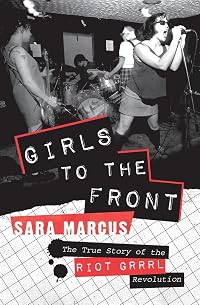
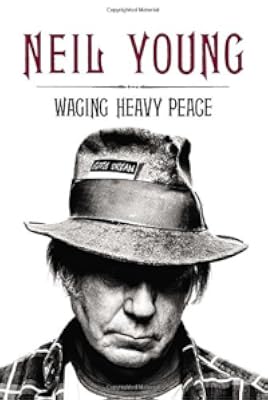
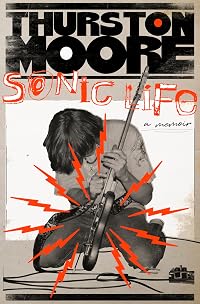






















Member Reviews
After Art Sex Music, this is my second set of memoirs by a woman musician. As yet I've not read any by a man.
Gordon opens the book at "The End", Sonic Youth's final performance in Argentina, looking squarely at the question likely on the minds of many in the audience, and almost certainly on that of almost anyone picking up the book. How did it feel, that last show, so soon after publicly announcing she and Thurston Moore had split? She describes the scene, the narrative voice is conversational if not confessional. She acknowledges the weight of the show at that time, the competing pressures when picking a setlist suitable for the festival that also will be the band's last show, as well as a minefield of emotions given the resonance of show more certain songs to choose from (for her, for Moore). And then she closes the chapter. It's a good decision. I wasn't distracted by wondering when or if the scandal would be mentioned, or if clues might escape me as I read along, not having followed the publicity as it happened. The rest of the book walks through influences and experiences important to Gordon's musical life, and there are many, and again not only from the rock n roll world, though certainly there are plenty of those. And in the final chapter, she loops back to these emotions of the split with Moore, how intertwined personal and artistic experiences are, and memories are.
Gordon doesn't share (that I recall) whether she was a habitual diarist like Cosey, but there is a similar quotidian detail across her artistic lifetime. I have learned that music drawing from broad influences, musical and otherwise, becomes for me more compelling than music steeped primarily in its own tradition. I'm not always aware of these influences when listening: both Sonic Youth and Throbbing Gristle were immersed in various art scenes outside music, though I wasn't familiar with these nor for the most part did I catch the references in album artwork, lyrics or song titles, or recognising other people close to the band. I speculate these non-musical influences may be less necessary for music steeped in a live performance tradition, such as blues or folk, but my reference points primarily are from recorded performances and the character emerging from that idiom.
Midway through (starting around Chapter 20) Gordon looks closely at Sonic Youth, their origins, specific moments and performances. In retrospect it's not surprising she crossed paths, creative or merely social, with many musicians I'm familiar with, but often these were peeks into those artist's history also new to me. Some seemed almost inevitable: Michael Gira, or J Mascis, for example. Others I never would have guessed at: the proverbial double-take when reading of her ties to Danny Elfman.
Like Cosey Fanni Tutti's book after it, Girl In A Band holds up for being far more than a celebrity screed or nostalgia piece systematically cycling through the band's famous moments. Gordon provides a portrait of a certain art scene, a personal history, and kindles interest in other art I wasn't familiar with before reading. show less
Gordon opens the book at "The End", Sonic Youth's final performance in Argentina, looking squarely at the question likely on the minds of many in the audience, and almost certainly on that of almost anyone picking up the book. How did it feel, that last show, so soon after publicly announcing she and Thurston Moore had split? She describes the scene, the narrative voice is conversational if not confessional. She acknowledges the weight of the show at that time, the competing pressures when picking a setlist suitable for the festival that also will be the band's last show, as well as a minefield of emotions given the resonance of show more certain songs to choose from (for her, for Moore). And then she closes the chapter. It's a good decision. I wasn't distracted by wondering when or if the scandal would be mentioned, or if clues might escape me as I read along, not having followed the publicity as it happened. The rest of the book walks through influences and experiences important to Gordon's musical life, and there are many, and again not only from the rock n roll world, though certainly there are plenty of those. And in the final chapter, she loops back to these emotions of the split with Moore, how intertwined personal and artistic experiences are, and memories are.
Gordon doesn't share (that I recall) whether she was a habitual diarist like Cosey, but there is a similar quotidian detail across her artistic lifetime. I have learned that music drawing from broad influences, musical and otherwise, becomes for me more compelling than music steeped primarily in its own tradition. I'm not always aware of these influences when listening: both Sonic Youth and Throbbing Gristle were immersed in various art scenes outside music, though I wasn't familiar with these nor for the most part did I catch the references in album artwork, lyrics or song titles, or recognising other people close to the band. I speculate these non-musical influences may be less necessary for music steeped in a live performance tradition, such as blues or folk, but my reference points primarily are from recorded performances and the character emerging from that idiom.
Midway through (starting around Chapter 20) Gordon looks closely at Sonic Youth, their origins, specific moments and performances. In retrospect it's not surprising she crossed paths, creative or merely social, with many musicians I'm familiar with, but often these were peeks into those artist's history also new to me. Some seemed almost inevitable: Michael Gira, or J Mascis, for example. Others I never would have guessed at: the proverbial double-take when reading of her ties to Danny Elfman.
Like Cosey Fanni Tutti's book after it, Girl In A Band holds up for being far more than a celebrity screed or nostalgia piece systematically cycling through the band's famous moments. Gordon provides a portrait of a certain art scene, a personal history, and kindles interest in other art I wasn't familiar with before reading. show less
Kim Gordon is arguably and objectively one of the coolest people to have ever walked the planet. Full stop. An artist's artist. An L.A. girl who made good in New York City. A woman who sought to define her style and relationship to her art, even as part of a band that helped define alternative music.
I'm stunned at how many people did not like Girl in a Band, and it makes me realize how much parasocial relationships impact people's ability to enjoy an artist's work. Most of the criticism was that she didn't appear graceful and 'above the fray' when talking about her ex or other artists. Or annoyed that she isn't a master of the narrative. Apparently, these folks prefer the ghostwritten bullshit that passes for memoir that most famous show more people put out.
I listened to the audiobook, which Gordon narrates, and was completely caught up in it. Her life has been fascinating (I had no idea she used to date Danny Elfman!) and at 72 - long after most humans have given up and deteriorated creatively and intellectually - she continues to produce compelling work with a pronounced edge.
The book begins in Gordon's childhood, and we learn about her fraught family life, especially her emotionally closed-off mother and her mentally ill brother. Her stories about growing up in the sixties in L.A. give us a faded, melancholic snapshot of a very specific time and place that was so creatively powerful and filled with possibility that its reverberations are still felt today.
The book is, admittedly, a bit of a mixed bag. In addition to her early family life, we are treated to anecdotes about moving to New York and finding her way in the art scene, where we're introduced to a wild and colorful cast of characters - some of whom are well known in popular culture. She also explores her sense of self - her femininity, conscious style choices, her relationship to motherhood, and the heartbreak of having to redefine herself after a public divorce with her ex-husband and former bandmate Thurston Moore.
Gordon pulls no punches. She's not trying to appease an audience, posture social graces, or perform to the sensibilities of her readers. Her loathing of the woman that Moore left her for is wide open, as is her derision for Courtney Love (Gordon was a good friend of Kurt Cobain). These are people with whom Gordon was in actual relationships, and she has every right to her negative opinions about them.
To be fair, I don't consume many memoirs, and I generally loathe celebrity culture, but Girl in a Band was a treat. I truly enjoyed it. Maybe it helps that I was never a Sonic Youth stan. I don't see Kim Gordon as a "celebrity" outside of any popularity (welcome or unwelcome) that Sonic Youth attained in the 90s. She's an artist, and artists don't make art for approval. show less
I'm stunned at how many people did not like Girl in a Band, and it makes me realize how much parasocial relationships impact people's ability to enjoy an artist's work. Most of the criticism was that she didn't appear graceful and 'above the fray' when talking about her ex or other artists. Or annoyed that she isn't a master of the narrative. Apparently, these folks prefer the ghostwritten bullshit that passes for memoir that most famous show more people put out.
I listened to the audiobook, which Gordon narrates, and was completely caught up in it. Her life has been fascinating (I had no idea she used to date Danny Elfman!) and at 72 - long after most humans have given up and deteriorated creatively and intellectually - she continues to produce compelling work with a pronounced edge.
The book begins in Gordon's childhood, and we learn about her fraught family life, especially her emotionally closed-off mother and her mentally ill brother. Her stories about growing up in the sixties in L.A. give us a faded, melancholic snapshot of a very specific time and place that was so creatively powerful and filled with possibility that its reverberations are still felt today.
The book is, admittedly, a bit of a mixed bag. In addition to her early family life, we are treated to anecdotes about moving to New York and finding her way in the art scene, where we're introduced to a wild and colorful cast of characters - some of whom are well known in popular culture. She also explores her sense of self - her femininity, conscious style choices, her relationship to motherhood, and the heartbreak of having to redefine herself after a public divorce with her ex-husband and former bandmate Thurston Moore.
Gordon pulls no punches. She's not trying to appease an audience, posture social graces, or perform to the sensibilities of her readers. Her loathing of the woman that Moore left her for is wide open, as is her derision for Courtney Love (Gordon was a good friend of Kurt Cobain). These are people with whom Gordon was in actual relationships, and she has every right to her negative opinions about them.
To be fair, I don't consume many memoirs, and I generally loathe celebrity culture, but Girl in a Band was a treat. I truly enjoyed it. Maybe it helps that I was never a Sonic Youth stan. I don't see Kim Gordon as a "celebrity" outside of any popularity (welcome or unwelcome) that Sonic Youth attained in the 90s. She's an artist, and artists don't make art for approval. show less
a really moving and candid memoir made even more personal being narrated in this audio book by Gordon herself. she bookends the narrative with the betrayal and pain leading to her separation from Thurston Moore. Between she documents her artistic career and development from Manson-haunted California to noise and fashion in NYC. this includes a perfunctory overview of Sonic Youth covering major tours and the discography.
A wonderful reminiscence of growing up in a very particular time, coming of age in a fairly alien (and pretentious) 70's/80's New York art world, and navigating a job, a marriage and motherhood and other aspects of adult life. I cannot recommend this enough to those who love Sonic Youth and/or have a connection to the 70's/80's New York scene. I fit into both of those groups and loved the book. As a side note, though brutally honest, Kim takes a hatchet to no one other than the woman for whom Thurston left her (Eva Prinz, though she is not named in the book), and Courtney Love. The blaming the other woman thing sort of bothered me. It was Thurston who cheated on her, and the other woman owed her nothing. I will give Kim the benefit of show more the doubt and assume the woman is the psycho bitch Kim portrays, but still this was sort of uncool. Thurston is portrayed as helpless to repel EP's manipulation and sexual charms, and that is a pretty anti-feminist POV for a respected feminist. It also allows Thurston to come of as something of a victim, which he is not. He was a man in his 50's who made a decision. Not vilifying him, just saying he is responsible for his own actions. As for Courtney, wow does Kim hate her! She thoroughly excoriates Love (while allowing as an aside that Courtney is likely mentally ill) and essentially blames Courtney for Kurt Cobain's demise, insinuating that she found someone sad, lost, weak, and self-injurious and set herself to breaking down anything in him that was keeping him alive. She also says that Courtney was a terrible mother. All of this is probably true, but it was surprising how much space Kim spent in this fairly short memoir to tearing down Love. Overall though a fascinating and frank look at aspects of one very interesting woman's life. show less
While this book is similar to that which Gordon previously has published, by means of mentioning art, dropping names and quickly going over events and people, this book has something special in that she goes through her marriage breaking apart due to her former husband's infidelity; she writes about it in a very going through the motions way, even when describing her own feelings.
She writes about Sonic Youth's last gig ever at the very start of the book, which is very heartfelt and a quite horrid read, but really only when framed by the last part of the book, where she pores through the motions of what happened; how Thurston Moore lied to Kim Gordon and everything they had stopped, but started living again (according to him), yet turned out as a hoax.
She tells of her growing up with a paranoid schizophrenic brother who nobody seemed to get was just that, during the psychedelia-lovin' American 1960s.
But she quickly got into art, both the visual side and the musical.
She writes plainly lovely sometimes, in amidst all of the namedropping and hurt:
On thinking back when she met Moore, before 27 years of marriage ended:
And quoting a friend on what being in a band is not:
What is fun, however, is mainly when Gordon writes about the band creating stuff:
..and:
And Moore. Over and over:
All in all: a trip through music and love and disaster and building yourself back together; it's an honest trip, but should have been a little more constrained and without all of that name-dropping, but then again, it wouldn't have been Moore's story without that. show less
One morning I got up to go to yoga. Thurston was still asleep, and I looked down at his cell. It was then that I saw her texts about their wonderful weekend together, about how much she loved him, and his writing the same things back. It was like a nightmare you don’t ever wake up from. At yoga class I was trembling, and when I came home I confronted him. Atshow more
first he denied it but I told him I had seen the texts—just like in the movies, only this was painfully real. Thurston claimed that he wanted to break it off. He claimed he wanted to come back to our family. In time I found the e-mails and videos from her on Thurston’s laptop, and the hundreds of text messages between the two of them proudly displayed on our monthly cell phone bill. When I confronted Thurston again, he denied it, then admitted it, then promised things were all over between them. It was a pattern that would happen over and over again. I wanted to believe him. I understood that the cigarettes were a mark of some secrecy between them, a ritual and a taboo that could only happen outside the home when no one else was around.
She writes about Sonic Youth's last gig ever at the very start of the book, which is very heartfelt and a quite horrid read, but really only when framed by the last part of the book, where she pores through the motions of what happened; how Thurston Moore lied to Kim Gordon and everything they had stopped, but started living again (according to him), yet turned out as a hoax.
She tells of her growing up with a paranoid schizophrenic brother who nobody seemed to get was just that, during the psychedelia-lovin' American 1960s.
But she quickly got into art, both the visual side and the musical.
For me performing has a lot to do with being fearless. I wrote an article for Artforum in the mideighties that had a line in it that the rock critic Greil Marcus quoted a lot: “People pay money to see others believe in themselves.” Meaning, the higher the chance you can fall down in public, the more value the culture places on what you do. Unlike, say, a writer or a painter, when you’re onstage you can’t hide from other people, or from yourself either. I’ve spent a lot of time in Berlin, and the Germans have all these great words with multiple meanings inside them. A few visits ago, I came across one of those words, Maskenfreiheit. It means “the freedom conferred by masks.”
She writes plainly lovely sometimes, in amidst all of the namedropping and hurt:
WRITING ABOUT NEW YORK is hard. Not because memories intersect and overlap, because of course they do. Not because incidents and times mix with others, because that happens too. Not because I didn’t fall in love with New York, because even though I was lonely and poor, no place had ever made me feel more at home. It is because knowing what I know now, it’s hard to write about a love story with a broken heart.
On thinking back when she met Moore, before 27 years of marriage ended:
Today, when I think back on the early days and months of Thurston’s and my relationship, I wonder whether you can truly love, or be loved back, by someone who hides who they are. It’s made me question my whole life and all my other relationships. Why did I trust him, or assume I knew anything at all about him? Maybe I imposed on Thurston a dream, a fantasy. When I look back at old photos of us, I have to believe we were happy, at least as happy as any two creative people who are stressed out with commitments and fears about the future and what’s next, and about their own ideas and inner demons, ever can be.
And quoting a friend on what being in a band is not:
As J Mascis of Dinosaur Jr. liked to say when asked about being in a band, “It’s not fun. It’s not about having fun.”
What is fun, however, is mainly when Gordon writes about the band creating stuff:
Gary Gersh, our A&R guy at Geffen, was disappointed when we chose a black-and-white Raymond Pettibon drawing for the cover of Goo. I’m sure he was hoping for a glamorous picture of the band, something very of the moment, with me front and center. Raymond’s drawings had been slapped on record covers for many bands on the SST label, especially Black Flag’s. We loved Ray’s zines and drawings and in the mideighties I had written about his work in Artforum; the black-and-white cover was based on the couple in Terrence Malick’s film Badlands, while the inside was colorful, a riot of faux-glam goofiness.
..and:
In the video for “100%” I wore a bootleg Rolling Stones shirt that said “Eat Me.” As a result, MTV, which showed any number of videos of naked women grinding away, was reluctant to run ours. They felt my shirt sent a bad message to viewers. After the band signed with Geffen, a story came out about an executive there who had sexually harassed his secretary. That was the inspiration for “Swimsuit Issue.” I found it strange that Geffen, like a lot of companies, had a “Secretary’s Day,” but secretaries never seemed to get promoted to anything above that level. The song was meant to spotlight that hypocrisy.
And Moore. Over and over:
Later someone showed me a comment posted on the Sonic Youth website. “She looks like a hot little number,” a fan wrote in. He must have seen a photo of the two of them on some website, or picked up on the gossip going around. He added, “Kim beware, men are pigs after all and more affairs happen at work than any other arena.” Finally, the fan wrote, in a catchphrase he took from The Dark Knight, the second of director Christopher Nolan’s three Batman movies, “Some men just want to watch the world burn.” A few months later, around Coco’s seventeenth birthday, I found out Thurston had seen her again, at a concert he played in Europe, though he had promised his therapist that if she showed up again or contacted him, he would call his doctor and tell me, too. He did neither. I went back to checking his e-mail, where I found several short, porno-like videos that she had sent him. Thurston denied ever responding to them, but sometime after that I found an e-mail he’d drafted to her with a photo of him attached. Maybe he didn’t send it because his vanity got the better of him, or maybe he wanted me to find it. I asked him to move out of the house. The official announcement of our breakup was timed so we could sit down and tell Coco before the news hit the Internet and strangers started discussing our lives. The web is trouble enough, especially when you’re in your senior year of high school and stressed out about college. Even though Thurston and I had separated in August, so far we hadn’t made any public statements, but people were starting to speculate. It didn’t stop Coco from being angry with me for not telling her sooner. Kids believe everything is a family matter and that they should have an equal vote or some control over everything that goes on in their family’s lives. And being a teenager makes everyone doubly self-conscious. We had already more than ruined her senior year of high school. As she had told us, we couldn’t possibly know what it was like to have us for parents. I did feel some compassion for Thurston, and I still do. I was sorry for the way he had lost his marriage, his band, his daughter, his family, our life together—and himself. But that is a lot different from forgiveness.
All in all: a trip through music and love and disaster and building yourself back together; it's an honest trip, but should have been a little more constrained and without all of that name-dropping, but then again, it wouldn't have been Moore's story without that. show less
Title says it all. The modest lead singer for the 90’s band Sonic Youth has written a doggedly down-to-earth narrative of how she fell in with the stereotypical art school crowd (like The Beatles, as she reminds us) and met husband-to-be and guitarist Thurston Moore in the East Village. Sonic Youth was the peer of New Wave, No Wave, Punk, and Grunge bands - true intersectionality with the white music world. Much of her story is taken up with her marriage and its unraveling. It’s a mildly entertaining autobiography or maybe more, depending on if you loved the band.
Good, though not moving... and it felt a little incomplete, somehow. Which I know is the nature of a memoir if one isn't dead yet, but somehow Gordon feels like she's still got a lot more stuff to settle up. It's a panoramic book, not a reflective book. But still interesting, anecdotally and all, and a fun read.
Needless to say, I loved all the old 1980s downtown NYC stuff—it sent me off to Google every few pages to see whatever happened to so-and-so. Plus she gets major points for calling Billy Corgan a crybaby.
Needless to say, I loved all the old 1980s downtown NYC stuff—it sent me off to Google every few pages to see whatever happened to so-and-so. Plus she gets major points for calling Billy Corgan a crybaby.
Members
- Recently Added By
Lists

HarperCollins Publishers
144 works; 3 members

Books recommended by Calgary Public Library staff
1,588 works; 4 members

2024
34 works; 1 member

Music Journalism and Biography
56 works; 1 member
Author Information

17+ Works 1,119 Members
Kim Althea Gordon was born on April 28, 1953 in Rochester, New York. After high school, she attended the Otis Art Institute of Los Angeles County and was briefly a student at York University in Toronto, Canada, where she played in her first band. After she graduated from college, she moved to New York City to join a band. Gordon, who started out show more as a visual artist, rose to prominence as the bassist, guitarist, and vocalist of alternative rock band Sonic Youth, which she formed with Thurston Moore in 1981 and stayed with until 2011. She is also a producer, fashion designer, writer, and actress. Her book, Girl in a Band, was published in 2015. (Bowker Author Biography) show less
Some Editions
Awards and Honors
Notable Lists
Series
Belongs to Publisher Series
Common Knowledge
- Canonical title
- Girl in a Band
- Original title
- Girl in a Band
- Original publication date
- 2015
- People/Characters
- Kim Gordon; Thurston Moore; Lee Ranaldo; Steve Shelley; Chris Cornell
- Important places
- Los Angeles, California, USA; New York, New York, USA; West Los Angeles, California, USA; Northampton, Massachusetts, USA
- Dedication
- For Coco, my North Star
- Publisher's editor
- Carrie Thornton
- Blurbers
- Poehler, Amy; Coppola, Sofia; Brownstein, Carrie; Nelson, Maggie
- Original language
- English
Classifications
- Genres
- Music, Biography & Memoir, Nonfiction, General Nonfiction
- DDC/MDS
- 782.42166092 — Arts & recreation Music Vocal music Secular forms of vocal music Songs General principles and musical forms Traditions of secular songs {genres} Rock songs modified standard subdivisions History, geographic treatment, biography Biography
- LCC
- ML420 .G746 .A3 — Music Literature on music Literature on music History and criticism Biography
- BISAC
Statistics
- Members
- 968
- Popularity
- 27,273
- Reviews
- 23
- Rating
- (3.47)
- Languages
- 9 — Danish, English, Finnish, French, German, Italian, Polish, Portuguese, Spanish
- Media
- Paper, Audiobook, Ebook
- ISBNs
- 26
- ASINs
- 5