On This Page
Description
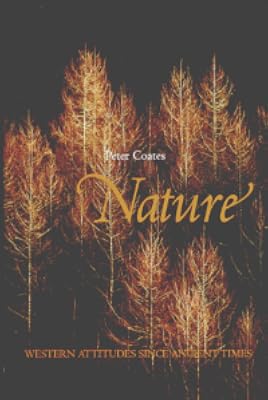
'Nature' is a deceptively simple and ahistorical term, suggesting intrinsic, unchanging reality. Yet nature has a history too, both in terms of human attitudes and human impacts. Coates outlines the major understandings of 'nature' in the western world since classical times, from nature as higher authority to its more recent meaning of threatened physical space and life forms. Unlike many others, this book places the history of attitudes to nature within the story of human-induced changes in show more the material environment. And few others take a supranational perspective, or cross the divides between historical eras. A distinctive unifying theme is Coates's interest in how 'green' writers over the last thirty years have interpreted our past dealings with nature, specifically their efforts to diagnose the roots of contemporary ecological problems and their search for ancestors. He concludes with a discussion of the future of nature in the context of developments such as the 'new' ecology, global warming, advances in genetic engineering and research on animal behaviour. Assuming no previous knowledge, Nature provides the reader with an accessible synthesis and introduction to some of environmental history's central features and debates, confirming its status as one of the most enthralling current pursuits within historical studies. This will be essential reading for second-year undergraduates and above in cultural history and environmental history, as well as to the general reader interested in environmental issues. show lessTags
Recommendations









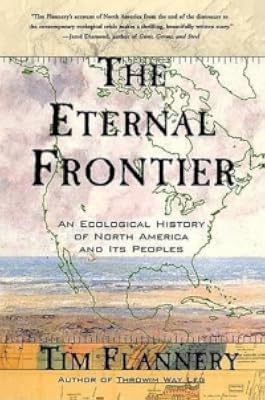
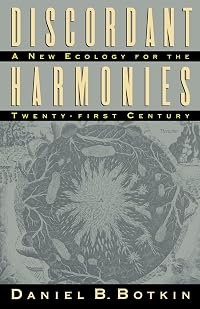
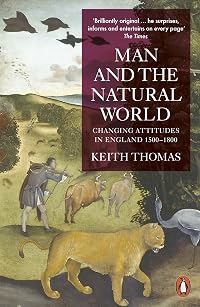
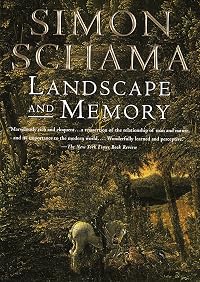


Member Reviews
A kaleidoscopic survey from a British scholar examines Nature from five standpoints: as a physical place, as the collective phenomena of the world or universe, as an essence, quality, or principle that informs the workings of the world, as a guide and source of inspiration, as the conceptual opposite of culture. Includes many ideas at odds with pantheistic precepts (and makes no reference to pantheism in the index), yet despite a humanistic (rather than biocentric) bias and occasional condescension, the book contains much interesting material and closes with the thought that "we need a god and nature is a good god, perhaps the only good god."
Ratings
Members
- Recently Added By
Author Information
11+ Works 150 Members
Peter Coates is Reader in American and Environmental History in the Department of Historical Studies, University of Bristol.
Series

Classifications
Statistics
- Members
- 54
- Popularity
- 563,309
- Reviews
- 1
- Rating
- (3.67)
- Languages
- English
- Media
- Paper, Ebook
- ISBNs
- 6