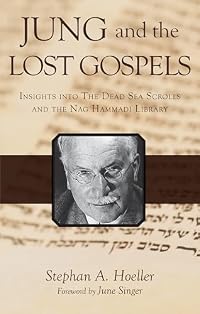
Jung and the Lost Gospels: Insights into the Dead Sea Scrolls and the Nag Hammadi Library
by Stephan A. Hoeller
On This Page
Description
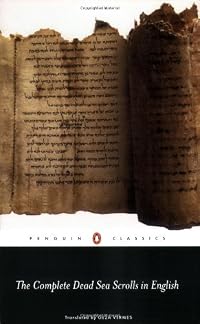
The "Lost Gospels" refer to the Dead Sea Scrolls and the Nag Hammadi Library, both discovered in the 1940s. The Nag Hammadi Library consists of writings found by two peasants who unearthed clay jars in 1945 in upper Egypt. These did not appear in English for 32 years, because the right to publish was contended by scholars, politicians, and antique dealers. The Dead Sea Scrolls, discovered in clay jars in Palestine by a goatherder in 1947, weathered similar storms. The first team of analysts show more were mostly Christian clergy, who weren't anxious to share material that frightened church leaders. As Dr. Hoeller shows, they rightly feared the documents would reveal information that might detract from unique claims of Christianity. Indeed, the Dead Sea Scrolls and Nag Hammadi Library both contradict and complement accepted tenets of the Old and New Testaments. As to the connection with Jung, Dr. Hoeller states, "Jung knew that the one and only tradition associated with Christianity that regarded the human psyche as the container of the divine-human encounter was that of the Gnostics of the the first three centuries of our era. For this reason he called for a renewed appreciation of this ancient tradition, and particularly for a return to the Gnostic sense of God as an inner directing and transforming presence." Dr. Hoeller goes on in his preface, "His sympathetic insight into the myths, symbols, and metaphors of the Gnostics, whom by his own admission he regarded as long-lost friends, continues as the brightest beacon of our day..." show lessTags
Recommendations
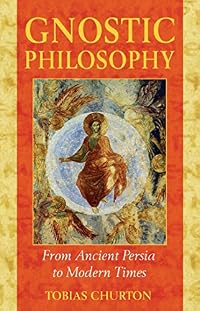
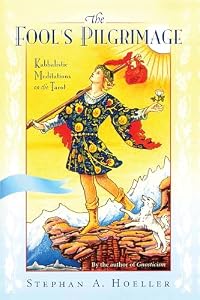
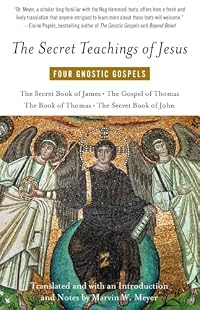
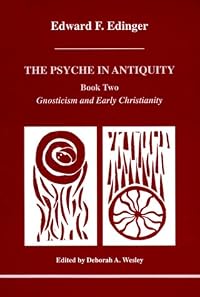








Member Reviews
Fascinating view of Jung's symbolic interpretations applied to the Dead Sea writings.
JUNG EL GNÓSTICO Y LOS SIETE SERMONES A LOS MUERTOS.
Existen momentos de inspiración o lucidez en
que conectamos con la fuente interior del conocimiento.
El alma parece guardar en su mundo de
sombras la Gnosis del origen y el significado de la
existencia. En esos momentos sagrados las palabras
y las imágenes nos sitúan por encima de la realidad.
Es el instante de la verdad y la experiencia real
En 1916, Carl Gustav Jung escribe sus Siete Sermones
a los Muertos. Una voz antigua parece dictarle
ese texto que rescata certezas arcanas. El manuscrito
es puesto a cubierto de la mirada de los curiosos.
Solo circula alguna copia manuscrita entre los amigos.
Pero al final de su vida, en sus memorias, los Siete
Sermones se harán públicos y revelarán show more que han sido
el núcleo fundamental de su vida y su obra.
Detrás de la fachada científica del psicólogo aparecen el
místico y el maestro, que vienen a rescatar la memoria
perdida de la Gnosis y a transformar el mundo.
La obra de Jung concluiría por afectar, cada vez con
más fuerza, la pobreza espiritual de una época sumi-
da en la decadencia de la materialidad. Es en los Siete
Sermones donde se encuentran las claves de una riqueza
inagotable, aquella que mana incesante de las
ignotas fuentes del ser. show less
Existen momentos de inspiración o lucidez en
que conectamos con la fuente interior del conocimiento.
El alma parece guardar en su mundo de
sombras la Gnosis del origen y el significado de la
existencia. En esos momentos sagrados las palabras
y las imágenes nos sitúan por encima de la realidad.
Es el instante de la verdad y la experiencia real
En 1916, Carl Gustav Jung escribe sus Siete Sermones
a los Muertos. Una voz antigua parece dictarle
ese texto que rescata certezas arcanas. El manuscrito
es puesto a cubierto de la mirada de los curiosos.
Solo circula alguna copia manuscrita entre los amigos.
Pero al final de su vida, en sus memorias, los Siete
Sermones se harán públicos y revelarán show more que han sido
el núcleo fundamental de su vida y su obra.
Detrás de la fachada científica del psicólogo aparecen el
místico y el maestro, que vienen a rescatar la memoria
perdida de la Gnosis y a transformar el mundo.
La obra de Jung concluiría por afectar, cada vez con
más fuerza, la pobreza espiritual de una época sumi-
da en la decadencia de la materialidad. Es en los Siete
Sermones donde se encuentran las claves de una riqueza
inagotable, aquella que mana incesante de las
ignotas fuentes del ser. show less
Feb 12, 2018Spanish
Ratings
Members
- Recently Added By
Author Information

29+ Works 954 Members
Some Editions
Common Knowledge
- Canonical title
- Jung and the Lost Gospels: Insights into the Dead Sea Scrolls and the Nag Hammadi Library
- Original publication date
- 1989-10-01
Classifications
Statistics
- Members
- 227
- Popularity
- 142,747
- Reviews
- 2
- Rating
- (3.96)
- Languages
- English, French, Portuguese, Spanish
- Media
- Paper
- ISBNs
- 5
- ASINs
- 2