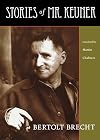
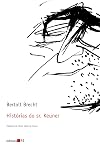
Stories of Mr. Keuner
by Bertolt Brecht
On This Page
Description
Stories of Mr. Keunergathers Bertolt Brecht's fictionalized comments on politics, everyday life, and exile. Written from the late 1920s till the late 1950s,Stories of Mr. Keuner is the precipitate of Brecht's experience of a world in political and cultural flux, a world of revolution, civil war, world war, cultural efflorescence, Nazism, Stalinism, and the Cold War - in short, the first half of the twentieth century. Mr. Keuner said: "I, too, once adopted an aristocratic stance (you know: show more erect, upright, and proud, head thrown back). I was standing in rising water at the time. I adopted this posture when it rose to my chin." "At first, they appear almost innocuous, these so-called stories, anecdotal fragments often of a single page or less. Brecht's scenarios seem so simple, his style so direct. He expressly wished what he wrote to be useful. Here he succeeded brilliantly: These pieces are small enough to be carried away whole, but what they say is big enough to be equal to the reader." --Johnathon Keats,SF Gate "Stories of Mr. Keuner finally puts in English translation this startling and stunning body of work, not only encouraging a broader appreciation of a playwright famed for fighting inhumanity in his time, but also effectively questioning integrity in our own day." --San Francisco Chronicle Book Review "The first English translation of the great playwright's discursive semifictionalized observations on German life and politics, as spoken by the eponymous Keuner (his name from the German "keiner," meaning "no man"), a "thinking man" obviously inspired by Plato's Socrates. Written between the 1920s and '50s (and collected for the first publication in 1956, the year of Brecht's death), they're brief (often single-paragraph) aperçus generally employed to deflate contemporary pretensions regarding religion, patriotism, capitalism, exile, and other themes engaged more fully in their author's celebrated poems and plays (e.g., "I am for justice; so it's good if the place in which I'm staying has more than one exit"), but most effectively adumbrated in this revealing coda to an indisputably major, and still challenging, body of work." --Kirkus Reviews Bertolt BrechtwroteThe Threepenny Opera, Mahagonny, Mother Courage, The Life of Galileo, and many other plays, poems, and theoretical writings. Ardent antifascist, friend to Walter Benjamin, and wily ally of the COmmunists, Brecht was often on the run, "changing countries more than shoes." As Hitler's armies advanced, Brecht fled to Denmark, Sweden, Finland, and the U.S. before finally settling in East Germany after the war, where he became director of the renowned Berliner Ensemble. Martin Chalmers (1948-2014) had translated works by Victor Klemperer, Hans Magnus Enzensberger, Hubert Fichte, and Elfriede Jelinek, among others. Mr. Chalmers lived in London, where he wrote extensively on German literature, film, history, and culture. show lessTags
Recommendations




































Member Reviews
Existe uma classe de coisas que são as que a gente só conhece por sua paródia: o exemplo canônico delas é o romance de cavalaria, que para praticamente todo ser humano equilibrado é apresentado por Cervantes e nunca mais retomado. Existe, contudo, uma classe ainda mais abstrusa de coisas, que são as que a gente nem sabe que existe senão por uma uma paródia. Sou incapaz de dar uma nota maior para esse livro porque metade daquilo que ele trata é dessa segunda categoria.
Assim, não me levem a mal, a outra metade dos textos aqui é muito boa. Insinuações como as em "Se os tubarões fossem homens" ou "Os dois motoristas" não passam por cima de ninguém com dois neurônios na cabeça, mas definitivamente não é deles que eu show more estou falando.
Exemplo concreto: naquele texto em que ele fala que duas nações lhe agradam, uma lhe ofereceu a sala de jantar mas outra lhe abriu a cozinha, ele tá falando das Alemanhas divididas (a Ocidental e Oriental, respectivamente). Não é uma metáfora, é literalmente de duas nações que ele está falando — claro, a parte da sala/cozinha é metáfora, mas agora é muito mais direto o que Brecht quis dizer. Sem esse conhecimento externo, como saberíamos onde acaba o simbólico e começa o concreto? Seria possível tomar tudo como metáfora, as "nações" como signos de algum outro problema por nós ignorado. Preferindo pecar pelo excesso, acaba-se diante de um livro muito mais vago do que o verdadeiro "Histórias do Sr. Keuner" que lhe serviu de base.
(Algo semelhante mas mais estúpido me aconteceu durante a leitura de [b:Simulacros e Simulação|14759815|Simulacros e Simulação|Jean Baudrillard|https://i.gr-assets.com/images/S/compressed.photo.goodreads.com/books/1338668448l/14759815._SY75_.jpg|850798]: em um dos textos, Baudrillard fala sobre o Nuclear. É Nuclear pra'qui, é Nuclear pra'colá, e eu achando que ele está falando do isolamento do indivíduo e de todos os entes no mundo moderno, que deixam de existir como parte de um todo, mas isolados (nucleares, justamente)...- lá pela quarta ou quinta página de um texto vaguíssimo percebo que não: o Nuclear são as armas nucleares . Reli um texto totalmente novo, muito mais preciso e simples do que aquele que tinha diante de mim até então. Posso culpar a minha edição do livro ser portuguesa, posso culpar o sono, mas isso não muda o ponto que estou querendo estabelecer.)
Outro exemplo, menos concreto: na primeira vez que li "Insubornável", no segundo ou terceiro texto, fiquei meio confuso, mas ok. Na segunda, percebi o que estava acontecendo: talvez o "insubornável" fosse um tipo da época na Alemanha. Ele estaria falando de algo concreto e do conhecimento de seus leitores. Dá para entender o que ele quis dizer? Dá, acho. Mas é aquilo que falei no começo da resenha: estamos diante de uma paródia de uma coisa que ignoramos de todo. Em que ponto acaba a ironia nela? Não podemos dizer.
E não se preocupe. Isso aqui que escrevi até aqui não é uma resenha de Histórias do Sr. Keuner: é uma resenha da minha estupidez, mas que estimo ser compartilhada por outros. Na minha resenha de [b:O Círculo de Giz Caucasiano|9212030|O Círculo de Giz Caucasiano|Bertolt Brecht|https://i.gr-assets.com/images/S/compressed.photo.goodreads.com/books/1442922656l/9212030._SY75_.jpg|89775], disse que Brecht é inteligente e escreve para um público inteligente — eu, por outro lado, nesta resenha me digo ignorante e escrevendo estritamente para um público ignorante. Agora vem única parte desse texto que de fato fala da qualidade do livro:
"Histórias do Sr. Keuner, Bertoldt Brecht:
O que eu entendi era muito bom. O resto provavelmente também o é, não sei."
Se você, já, manja dos seus Brechts, por favor, ignore tudo que eu escrevi aqui.
TL;DR: Este livro não é uma boa porta de entrada para Brecht. Foi a que usei e não recomendo. show less
Assim, não me levem a mal, a outra metade dos textos aqui é muito boa. Insinuações como as em "Se os tubarões fossem homens" ou "Os dois motoristas" não passam por cima de ninguém com dois neurônios na cabeça, mas definitivamente não é deles que eu show more estou falando.
Exemplo concreto: naquele texto em que ele fala que duas nações lhe agradam, uma lhe ofereceu a sala de jantar mas outra lhe abriu a cozinha, ele tá falando das Alemanhas divididas (a Ocidental e Oriental, respectivamente). Não é uma metáfora, é literalmente de duas nações que ele está falando — claro, a parte da sala/cozinha é metáfora, mas agora é muito mais direto o que Brecht quis dizer. Sem esse conhecimento externo, como saberíamos onde acaba o simbólico e começa o concreto? Seria possível tomar tudo como metáfora, as "nações" como signos de algum outro problema por nós ignorado. Preferindo pecar pelo excesso, acaba-se diante de um livro muito mais vago do que o verdadeiro "Histórias do Sr. Keuner" que lhe serviu de base.
(Algo semelhante mas mais estúpido me aconteceu durante a leitura de [b:Simulacros e Simulação|14759815|Simulacros e Simulação|Jean Baudrillard|https://i.gr-assets.com/images/S/compressed.photo.goodreads.com/books/1338668448l/14759815._SY75_.jpg|850798]: em um dos textos, Baudrillard fala sobre o Nuclear. É Nuclear pra'qui, é Nuclear pra'colá, e eu achando que ele está falando do isolamento do indivíduo e de todos os entes no mundo moderno, que deixam de existir como parte de um todo, mas isolados (nucleares, justamente)...- lá pela quarta ou quinta página de um texto vaguíssimo percebo que não: o Nuclear são as armas nucleares . Reli um texto totalmente novo, muito mais preciso e simples do que aquele que tinha diante de mim até então. Posso culpar a minha edição do livro ser portuguesa, posso culpar o sono, mas isso não muda o ponto que estou querendo estabelecer.)
Outro exemplo, menos concreto: na primeira vez que li "Insubornável", no segundo ou terceiro texto, fiquei meio confuso, mas ok. Na segunda, percebi o que estava acontecendo: talvez o "insubornável" fosse um tipo da época na Alemanha. Ele estaria falando de algo concreto e do conhecimento de seus leitores. Dá para entender o que ele quis dizer? Dá, acho. Mas é aquilo que falei no começo da resenha: estamos diante de uma paródia de uma coisa que ignoramos de todo. Em que ponto acaba a ironia nela? Não podemos dizer.
E não se preocupe. Isso aqui que escrevi até aqui não é uma resenha de Histórias do Sr. Keuner: é uma resenha da minha estupidez, mas que estimo ser compartilhada por outros. Na minha resenha de [b:O Círculo de Giz Caucasiano|9212030|O Círculo de Giz Caucasiano|Bertolt Brecht|https://i.gr-assets.com/images/S/compressed.photo.goodreads.com/books/1442922656l/9212030._SY75_.jpg|89775], disse que Brecht é inteligente e escreve para um público inteligente — eu, por outro lado, nesta resenha me digo ignorante e escrevendo estritamente para um público ignorante. Agora vem única parte desse texto que de fato fala da qualidade do livro:
"Histórias do Sr. Keuner, Bertoldt Brecht:
O que eu entendi era muito bom. O resto provavelmente também o é, não sei."
Se você, já, manja dos seus Brechts, por favor, ignore tudo que eu escrevi aqui.
TL;DR: Este livro não é uma boa porta de entrada para Brecht. Foi a que usei e não recomendo. show less
Von 1935 bis in die fünfziger Jahre hinein schrieb Bertolt Brecht die Geschichten vom Herrn Keuner. Sie zeigen den Autor als einen Meister der kurzen Prosa, als Meister klarer sachlicher Formen und einer aggressiven, sozialen Kritik.
Ratings
Members
- Recently Added By
Published Reviews
added by Kiely-Ramayya
Lists

German Literature
518 works; 56 members

20th Century Literature
1,161 works; 55 members

Favourite Books
1,819 works; 316 members

1950s
340 works; 22 members

Short Story Collections and Anthologies
261 works; 42 members

Books Read in 2017
4,249 works; 130 members

Very short stories
39 works; 2 members
Author Information

1,435+ Works 23,734 Members
Bertolt Brecht was born on February 10, 1898 in Augsburg, Bavaria, and died on August 14, 1956. He was a German playwright, theatre director and Marxist. The modest house where he was born is today preserved as a Brecht Museum. Brecht formed a writing collective which became prolific and very influential. He wrote many lyrics for musicals and show more collaborated with Kurt Weill to create Die Dregroschenoper -- the biggest hit in 1920s Berlin. Brecht experimented with his own theater and company -- the Berliner Ensemble -- which put on his plays under his direction and which continued after his death with the assistance of his wife. Brecht aspired to create political theater, and it is difficult to evaluate his work in purely aesthetic terms. Brecht died in 1956. (Bowker Author Biography) show less
Some Editions
Awards and Honors
Notable Lists
Series
Belongs to Publisher Series
Ediciones de bolsillo (348)
Work Relationships
Is contained in
Has as a commentary on the text
Has as a student's study guide
Common Knowledge
- Canonical title
- Stories of Mr. Keuner
- Original title
- Geschichten vom Herrn Keuner
- Alternate titles*
- Geschichten vom Herrn K.
*Some information comes from Common Knowledge in other languages. Click "Edit" for more information.
Classifications
- Genres
- Fiction and Literature, General Fiction
- DDC/MDS
- 833.912 — Literature & rhetoric German & related literatures German fiction 1900- 1900-1990 1900-1945
- LCC
- PT2603 .R397 .G4513 — Language and Literature German, Dutch and Scandinavian literatures German literature Individual authors or works 1860/70-1960
- BISAC
Statistics
- Members
- 282
- Popularity
- 114,395
- Reviews
- 2
- Rating
- (3.82)
- Languages
- 12 — Danish, Dutch, English, German, Greek, Hebrew, Italian, Portuguese, Russian, Slovenian, Spanish, Swedish
- Media
- Paper
- ISBNs
- 23
- ASINs
- 6