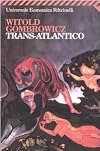
Trans-Atlantyk
by Witold Gombrowicz
On This Page
Description
Considered by many to be among the greatest writers of the past hundred years, Polish novelist Witold Gombrowicz explores the modern predicament of exile and displacement in a disintegrating world in his acclaimed classic Trans-Atlantyk. Gombrowicz's most personal novel-and arguably his most iconoclastic-Trans-Atlantyk is written in the style of a gaweda, a tale told by the fireside in a language that originated in the seventeenth century. It recounts the often farcical adventures of a show more penniless young writer stranded in Argentina when the Nazis invade his homeland, and his subsequent "adoption" by the Polish embassy staff and ømigrø community. Based loosely on Gombrowicz's own experiences as an expatriate, Trans-Atlantyk is steeped in humor and sharply pointed satire, interlaced with dark visions of war and its horrors, that entreats the individual and society in general to rise above the suffocating constraints of nationalistic, sexual, and patriotic mores. The novel's themes are universal and its execution ingenious-a masterwork of twentieth-century literary art from an author whom John Updike called "one of the profoundest of the late moderns." show lessTags
Recommendations























Member Reviews
This is one of those books where you have to ask yourself why anyone would be mad enough to attempt to translate it. Gombrowicz's idiosyncratic style is obviously the whole point of the exercise, and it's so rooted in the traditions of Polish literature as to be impossible to map into another language. Gombrowicz himself declared the book to be "inaccessible to foreigners because of its linguistic difficulties". French and Karsov (translators of the 1994 Yale edition) have made a brave attempt, and they clearly had a lot of fun doing it, but the resulting mixture turns into something like Anthony Burgess on bad drugs: Quirky, unpredictable, linguistically inventive, but with an awkwardness in its rhythm and flow that makes it hard to show more read. Full marks to them for trying, but it looks as though we'll have to learn Polish if we really want to understand why this is supposed to be such a great book. show less
Atipikus háborús önéletrajzok két tételben.
Opus no. 1. Transz-Atlantik: Tudni kell, hogy Gombrowicz a világháború előestéjén érkezett Argentínába, hogy aztán röpke 30 évre ott ragadjon. A kisregény én-elbeszélőjével is pont ez történik, és (micsoda véletlen!) ezt az én-elbeszélőt is Gombrowicznak hívják, ráadásul még író is. De a szöveg értékét az adja, hogy a szerző nem elégszik meg a diaszpóra-élmény leírásával, háttérben Lengyelország pusztulásával, hanem frenetikus paródiát rittyent az egészből. A Transz-Atlantik a XVII. század allegorikus prózáinak mezét ölti magára, ahol az író eszközei nem szavak, hanem Szavak, és a sorok közül minduntalan kikacsint Rabelais show more játékos, vérbő tiszteletlensége. Gombrowicz vitriolos szatírája kiröhögteti velünk a Honfiakat, mert szájukban a Haza szó patetikus giccsé vált, és aki nem tiszteli szentként (szt.-ként) ezt a patetikus giccset, árulónak kiáltják ki*. Bátor és zseniális szöveg.
Opus no. 2. Pornográfia: Lengyelországban járunk, ’43-ban. Elbeszélőnk, Witold, az író egy Friderik nevű gyanús egyénnel vidékre érkezik. Akik figyelmesen olvasták az előző bekezdést, most bizonnyal csodálkoznak – hogy került G. Lengyelországba, amikor az előbb még Dél-Amerikában volt? Nos – sehogy. Illetve: gondolatban. Szóval ez egy fiktív önélet-írás, és egyben unortodox háborús regény, ahol a németek statiszták, vagy még azok sem: csak a függöny mögül vokáloznak ki néha. A központban két kamasz, Henya és Karol sajátos, rideg erotikával átitatott kapcsolata áll. Ez a viszony bűvöli meg az álnok Friderik fantáziáját, akiből elő is tör a szánalmas voyeur és a démoni manipulátor – ráadásul egyszerre. Egyre gátlástalanabb machinációiba pedig bevonja az elbeszélőt is, aki egyszerre undorral és perverz vonzódással figyeli az események alakulását. Első érzésem e regény kapcsán a csalódottság volt – hiányzott nekem belőle a Transz-Atlantik játékossága. Ám amint efölött napirendre tértem, máris működni kezdett a vészjósló, idegenszerű atmoszféra, amit G. gombolyít bele. Különösen hideggé teszi a szöveget mindaz, amit az emberi morálról üzen: hogy tulajdonképpen semmilyen borzalom nem létezik, amit ne tennénk meg, ha nem egyedül kell megtennünk. „Ha földünkről egy másik planétára vagy akár csak a Holdra kirándulnék, akkor is magammal vinnék valakit – minden eshetőségre számítva, hogy emberi voltomnak legyen miben szemlélnie önmagát.” – mondja Friderik. De ha a tükör csak eszköz, hogy igazolja, az elkövetett bűnök ellenére emberi voltunkban ugyanazok maradtunk – akkor inkább törjön össze darabokra. Szerintem.
* Gombrowicz és EP e kérdésben egy gyékényen árulnak: "Azt hiszem, elvetettem a sulykot. A sulyk-ra azonban ez rá is fért. De hogy ezt a részt megírhassam, ahhoz nekem magamnak mélységes, mennyei vidámságra van szükségem: mert a legmagasabb rendű pátosz csak akkor sikerülhet nekem, ha játék." Meg amúgy is: a szöveg magabiztos formabontásai elég erős érvként szolgálnak amellett, hogy ők ketten az irodalmi víziókat tekintve szoros rokonságban állnak. show less
Opus no. 1. Transz-Atlantik: Tudni kell, hogy Gombrowicz a világháború előestéjén érkezett Argentínába, hogy aztán röpke 30 évre ott ragadjon. A kisregény én-elbeszélőjével is pont ez történik, és (micsoda véletlen!) ezt az én-elbeszélőt is Gombrowicznak hívják, ráadásul még író is. De a szöveg értékét az adja, hogy a szerző nem elégszik meg a diaszpóra-élmény leírásával, háttérben Lengyelország pusztulásával, hanem frenetikus paródiát rittyent az egészből. A Transz-Atlantik a XVII. század allegorikus prózáinak mezét ölti magára, ahol az író eszközei nem szavak, hanem Szavak, és a sorok közül minduntalan kikacsint Rabelais show more játékos, vérbő tiszteletlensége. Gombrowicz vitriolos szatírája kiröhögteti velünk a Honfiakat, mert szájukban a Haza szó patetikus giccsé vált, és aki nem tiszteli szentként (szt.-ként) ezt a patetikus giccset, árulónak kiáltják ki*. Bátor és zseniális szöveg.
Opus no. 2. Pornográfia: Lengyelországban járunk, ’43-ban. Elbeszélőnk, Witold, az író egy Friderik nevű gyanús egyénnel vidékre érkezik. Akik figyelmesen olvasták az előző bekezdést, most bizonnyal csodálkoznak – hogy került G. Lengyelországba, amikor az előbb még Dél-Amerikában volt? Nos – sehogy. Illetve: gondolatban. Szóval ez egy fiktív önélet-írás, és egyben unortodox háborús regény, ahol a németek statiszták, vagy még azok sem: csak a függöny mögül vokáloznak ki néha. A központban két kamasz, Henya és Karol sajátos, rideg erotikával átitatott kapcsolata áll. Ez a viszony bűvöli meg az álnok Friderik fantáziáját, akiből elő is tör a szánalmas voyeur és a démoni manipulátor – ráadásul egyszerre. Egyre gátlástalanabb machinációiba pedig bevonja az elbeszélőt is, aki egyszerre undorral és perverz vonzódással figyeli az események alakulását. Első érzésem e regény kapcsán a csalódottság volt – hiányzott nekem belőle a Transz-Atlantik játékossága. Ám amint efölött napirendre tértem, máris működni kezdett a vészjósló, idegenszerű atmoszféra, amit G. gombolyít bele. Különösen hideggé teszi a szöveget mindaz, amit az emberi morálról üzen: hogy tulajdonképpen semmilyen borzalom nem létezik, amit ne tennénk meg, ha nem egyedül kell megtennünk. „Ha földünkről egy másik planétára vagy akár csak a Holdra kirándulnék, akkor is magammal vinnék valakit – minden eshetőségre számítva, hogy emberi voltomnak legyen miben szemlélnie önmagát.” – mondja Friderik. De ha a tükör csak eszköz, hogy igazolja, az elkövetett bűnök ellenére emberi voltunkban ugyanazok maradtunk – akkor inkább törjön össze darabokra. Szerintem.
* Gombrowicz és EP e kérdésben egy gyékényen árulnak: "Azt hiszem, elvetettem a sulykot. A sulyk-ra azonban ez rá is fért. De hogy ezt a részt megírhassam, ahhoz nekem magamnak mélységes, mennyei vidámságra van szükségem: mert a legmagasabb rendű pátosz csak akkor sikerülhet nekem, ha játék." Meg amúgy is: a szöveg magabiztos formabontásai elég erős érvként szolgálnak amellett, hogy ők ketten az irodalmi víziókat tekintve szoros rokonságban állnak. show less
Like the James Joyce of Poland.
my beloved Gombrowicz
Ratings
Members
- Recently Added By
Author Information

141+ Works 5,993 Members
Gombrowicz, son of a wealthy lawyer, studied law at Warsaw University and philosophy and economics in Paris. His first novel, Ferdydurke, with its existential themes and a daring use of surrealistic techniques, became a literary sensation in Warsaw. Yvonne: Princess of Burgundia (1935), which anticipated many themes of the Theater of the Absurd, show more was also enormously successful; together with another of his plays, The Marriage (1953), it has been staged throughout the world. During the war, Gombrowicz lived in Argentina. In the postwar period, Ferdydurke was at first banned by the Polish authorities (continuing a ban imposed by the Nazis). During the "thaw" it was published in Warsaw in 1957 and its author was hailed as the "greatest living Polish writer" by the critic Sandauer. The ban on Gombrowicz's work was reimposed in 1958. By this time, however, Gombrowicz had achieved a wide reputation in western Europe and the United States. (Bowker Author Biography) show less
Some Editions
Awards and Honors
Series
Belongs to Publisher Series
Work Relationships
Common Knowledge
- Canonical title*
- Transatlantico
- Original title
- Trans-Atlantyk
- Original publication date
- 1953
- Important places
- Buenos Aires, Argentina
*Some information comes from Common Knowledge in other languages. Click "Edit" for more information.
Classifications
- Genres
- Fiction and Literature, General Fiction
- DDC/MDS
- 891.8 — Literature & rhetoric Literatures of other languages East Indo-European and Celtic literatures West and South Slavic languages (Bulgarian, Slovene, Polish, Czech, Slovak, Serbo-Croatian, and Macedonian)
- LCC
- PG7158 .G669 .T713 — Language and Literature Slavic languages and literatures. Baltic languages. Albanian language Slavic. Baltic. Albanian Slavic Polish
- BISAC
Statistics
- Members
- 375
- Popularity
- 83,535
- Reviews
- 4
- Rating
- (4.01)
- Languages
- 13 — Czech, Dutch, English, French, German, Hungarian, Italian, Japanese, Lithuanian, Polish, Romanian, Spanish, Swedish
- Media
- Paper, Audiobook, Ebook
- ISBNs
- 40
- ASINs
- 4