On This Page
Description
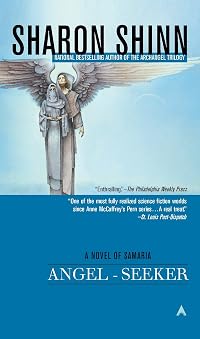
The award-winning author returns to Samaria in this richly romantic tale that begins where Archangel left off. In that time, the women who craved the attention of angels were known as angel-seekers, a term used with awe by some—and scorn by others..
Tags
Recommendations








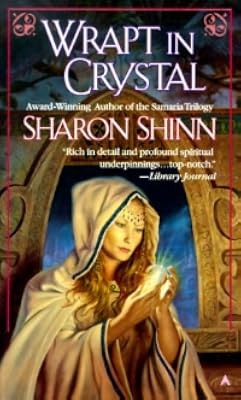


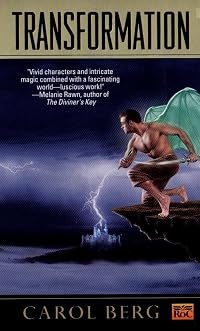



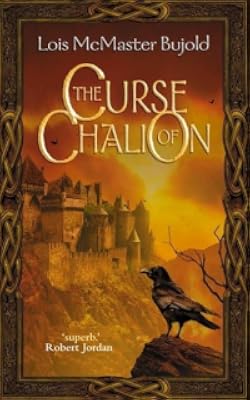


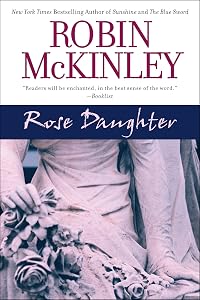


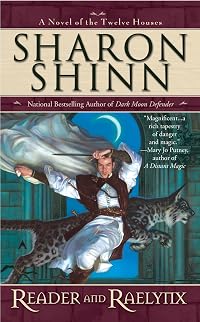


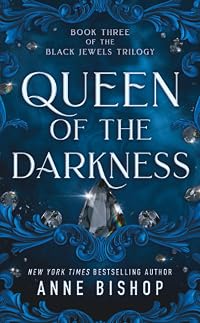





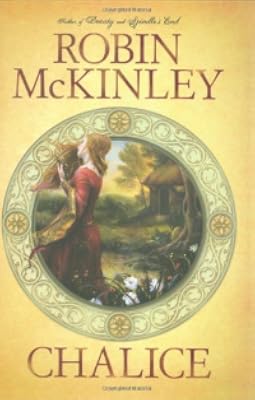



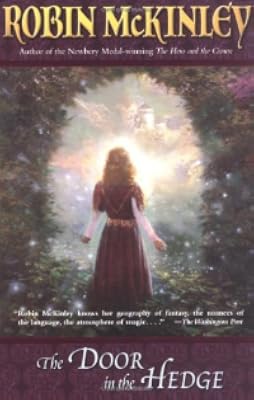



Member Recommendations
crazybatcow Very similar romantic fantasy themes. Mature but not graphic.
20
Member Reviews
This is by far my favorite of the Samaria series. My favorite has always been the first one, so I was very happy to return to the time period in which Archangel is set and reunite with a few familiar characters. Sharon Shinn mentions on her website that Angel-Seeker is also her favorite book of the series, and that is most definitely reflected in the writing. Compared to the others, Angel-Seeker is so full of life. (Not that the others weren't good!) Within pages of meeting Elizabeth, Obadiah, and even Rebekah, I started relating to them.
A lot of my favoritism towards this book is probably due to the fact that it tackles an issue I feel strongly about -- women's rights. Rebekah is a Jansai, a group of people who keep their women hidden show more from all others. Rebekah isn't allowed to show her face in public; in fact, she's hardly allowed to walk out of the house in front of others who aren't her family. Her entire well-being depends on her stepfather, and the man she will marry. As an independent woman, I felt so sorry for her and really wanted her to break out of her prison. It was doubly intense, since she falls in love with an angel, Obadiah, and secretly meets with him. I thought their love story was the most intense. First of all, because they seemed to love each other so much. Secondly, because of all that was riding on it. If Rebekah was caught, she'd be taken into the desert by her family, stoned within an inch of death, and left to die. So she had to be really good at keeping her relationship and midnight trysts a secret, which added a great deal of suspense and drama to the story.
In stories with multiple points of view, my favorite character usually ends up being the one the book starts off with. That wasn't true for this one. While I loved Elizabeth's coming-of-age story of growth, I really didn't like her at the beginning. She's very whiny and tries to take the easy way out of life. I really respected her by the end, but her story just wasn't as good as Obadiah's and Rebekah because of all the obstacles they had in their way. Elizabeth just made obstacles for herself.
As with most romances, a lot of the draw is from the characters and not the plot line. However, Shinn always does a good job in balancing the two. The individual stories were interesting, and while very much character-driven, this novel made for a good page-turner. Angel-Seeker is 2nd chronologically, but like Shinn, I recommend reading the series by the publishing date. I got a lot more out of this than I would have due to the information I learned in books 2-4.
Overall, a good read. Romance fans, angel fans, science fiction fans, and simply fans of a good story and good characters will love this series, especially this novel. This was the end of the Samaria series, and it did not disappoint. show less
A lot of my favoritism towards this book is probably due to the fact that it tackles an issue I feel strongly about -- women's rights. Rebekah is a Jansai, a group of people who keep their women hidden show more from all others. Rebekah isn't allowed to show her face in public; in fact, she's hardly allowed to walk out of the house in front of others who aren't her family. Her entire well-being depends on her stepfather, and the man she will marry. As an independent woman, I felt so sorry for her and really wanted her to break out of her prison. It was doubly intense, since she falls in love with an angel, Obadiah, and secretly meets with him. I thought their love story was the most intense. First of all, because they seemed to love each other so much. Secondly, because of all that was riding on it. If Rebekah was caught, she'd be taken into the desert by her family, stoned within an inch of death, and left to die. So she had to be really good at keeping her relationship and midnight trysts a secret, which added a great deal of suspense and drama to the story.
In stories with multiple points of view, my favorite character usually ends up being the one the book starts off with. That wasn't true for this one. While I loved Elizabeth's coming-of-age story of growth, I really didn't like her at the beginning. She's very whiny and tries to take the easy way out of life. I really respected her by the end, but her story just wasn't as good as Obadiah's and Rebekah because of all the obstacles they had in their way. Elizabeth just made obstacles for herself.
As with most romances, a lot of the draw is from the characters and not the plot line. However, Shinn always does a good job in balancing the two. The individual stories were interesting, and while very much character-driven, this novel made for a good page-turner. Angel-Seeker is 2nd chronologically, but like Shinn, I recommend reading the series by the publishing date. I got a lot more out of this than I would have due to the information I learned in books 2-4.
Overall, a good read. Romance fans, angel fans, science fiction fans, and simply fans of a good story and good characters will love this series, especially this novel. This was the end of the Samaria series, and it did not disappoint. show less
Samaria is such an unlikely world with its spaceship god and angels, but somehow it works and sets the stage for dangerous romance. This one follows the story of two women, one whose life among a version of the Taliban is eventually torn down, while the other is building up a life and maturing into a better person despite her original plans for running away to the city. I was left wanting more story about Rebekah and was more satisfied with Elizabeth's character development. Elizabeth is able to pull herself from the creepy/dangerous situation of being an angel seeker that she had flung herself into, while Rebekah can only be saved with the help of others.
It’s been a while since I read a Samaria novel; they’re het wingfic romances set in a world where winged angels can call down intercessions from Jovah (actually a big computer/spaceship, but the average Samarian thinks it’s God). This one deals with the highly repressive and misogynistic trading culture, the Jansai, that doesn’t have much use for the angels’ governance but is important to Samaria’s economy; specificially, the head angel sends the angel Obadiah to negotiate with them, but he also happens to fall in love with Rebekah, a Jansai woman, which is decidedly not supposed to happen. Another plot involves Elizabeth, an angel-seeker who hopes to get pregnant with an angel’s child and thus gain respect and love but show more slowly learns that she’s worth more than that as a person. The Jansai were basically exotic desert people whose treatment of women made everyone else’s menfolk look better, though Shinn did suggest why it was hard for Rebekah, and the women around her, to reject their culture wholesale—the only option on offer. Elizabeth’s journey made a thematically satisfying contrast (change in the self in a culture that supports that versus change in a culture that tries to crush it), but I think I might be done with romances in a world where everyone apparently has a heterosexual soulmate out there, waiting to be found. show less
The fifth book set on Samaria focuses on roles of women. It tells the story of Elizabeth who begins the story working as a cook on her cousin's farm and longing for more. She travels to Cedar Hills which is a new city being constructed near a new angel hold.
Elizabeth longs to be loved and cared for and begins the story as a sort of vain, superior sort of woman. She goes to Cedar Hills in the hopes of attracting the love of an angel because women who have angels' angelic babies are cared for. But there are many, many young women who have come to Cedar Hills for the same reason and the competition to attract an angel is fierce.
She does begin a sort of relationship with an angel, but her real career begins when she meets a healer named show more Mary. Mary takes Elizabeth as an apprentice which gives her a skill of her own. Elizabeth also meets a Edori man who, once freed from slavery, became a worker in building the new Cedar Hills. However, her focus on gaining a home by having and angel baby means that she is overlooking any other sort of possible relationship.
The second woman the book focuses on is Rebekah. She is a Jonsai which means that she is kept in seclusion and under the rule of her father or brother. She meets the angel Obadiah when he is shot down by some sort of weapon and is in danger of dying in the desert. Rebekah has been sent to the oasis to get water for her stepfather's traveling caravan. She nurses the angel even though she knows that her stepfather and the other Jonsai would prefer that he die.
Obadiah becomes Rebekah's secret. When she returns to her family home in Breven, she sneaks out to continue her relationship with Obadiah who is there to treat with the Jansai for the angels. Obadiah wants to take Rebekah away with him to Cedar Hills, but she is afraid to leave the life she knows. But when she becomes pregnant, her time among the Jansai becomes impossible. Women who transgress - and becoming pregnant out of wedlock with an angel no less is a major transgression - are dealt with harshly. She has already seen her cousin who had an affair with another kind of traveling merchant beaten, stoned, and left in the desert to die.
When her pregnancy is discovered, the same fate is meted out to her. But her brother has slipped her a waterskin and she was left wrapped in a blanket which gives her a chance for survival. Only being discovered by Elizabeth and her Edori man saves her life and gives her a chance at a new one with Obadiah.
This was an engaging story about two women looking for love and finding it though in very different ways. It is the final book in the Samaria series. show less
Elizabeth longs to be loved and cared for and begins the story as a sort of vain, superior sort of woman. She goes to Cedar Hills in the hopes of attracting the love of an angel because women who have angels' angelic babies are cared for. But there are many, many young women who have come to Cedar Hills for the same reason and the competition to attract an angel is fierce.
She does begin a sort of relationship with an angel, but her real career begins when she meets a healer named show more Mary. Mary takes Elizabeth as an apprentice which gives her a skill of her own. Elizabeth also meets a Edori man who, once freed from slavery, became a worker in building the new Cedar Hills. However, her focus on gaining a home by having and angel baby means that she is overlooking any other sort of possible relationship.
The second woman the book focuses on is Rebekah. She is a Jonsai which means that she is kept in seclusion and under the rule of her father or brother. She meets the angel Obadiah when he is shot down by some sort of weapon and is in danger of dying in the desert. Rebekah has been sent to the oasis to get water for her stepfather's traveling caravan. She nurses the angel even though she knows that her stepfather and the other Jonsai would prefer that he die.
Obadiah becomes Rebekah's secret. When she returns to her family home in Breven, she sneaks out to continue her relationship with Obadiah who is there to treat with the Jansai for the angels. Obadiah wants to take Rebekah away with him to Cedar Hills, but she is afraid to leave the life she knows. But when she becomes pregnant, her time among the Jansai becomes impossible. Women who transgress - and becoming pregnant out of wedlock with an angel no less is a major transgression - are dealt with harshly. She has already seen her cousin who had an affair with another kind of traveling merchant beaten, stoned, and left in the desert to die.
When her pregnancy is discovered, the same fate is meted out to her. But her brother has slipped her a waterskin and she was left wrapped in a blanket which gives her a chance for survival. Only being discovered by Elizabeth and her Edori man saves her life and gives her a chance at a new one with Obadiah.
This was an engaging story about two women looking for love and finding it though in very different ways. It is the final book in the Samaria series. show less
At first I didn't like the idea of the women prostituting themselves for the sake of potentially conceiving an angel-child. Secondly, there are two main characters, entirely separate from one another in the narrative. I wondered at the point of this style of plot. However, Shinn is a powerful storyteller and the novel was rich with weaving the two plot lines together. Well-worth reading, especially if you enjoyed the earlier books.
This was the fifth and final book in Shinn’s Samaria series. It’s not that it reached any definitive conclusion to the series, just that it was the last one written and that the author has said she has no plans to write more of them.
I enjoyed it. It seemed to have a bit of a political message, but it was one I agree with.
All of these Samaria books are interesting blends of SF, fantasy, and romance. The SF bit is that we’re living in a world that is specifically not Earth but a distant colony of Earth in some equally distant future. The fantasy bit is that we’re living in a world with angels living amongst the mortals of the world, and there is no doubt about the reality of Jovah, their god. They can sing prayers and get results, show more anything from manna falling from the heavens to lightning bolts blasting at the desired target. And the romance… well, in some ways I would say that they are all romance books merely set in an odd SF/fantasy world.
This book has two romances. The first is between an ambitious girl and… well, I won’t say with whom. She is determined to marry an angel and give birth to an angel child. I won’t say whether or not she succeeds, but I will say that her romance is more about finding herself than whether or not she actually marries an angel. I enjoyed this one quite a bit, mostly for her character arc.
The second romance was between an angel and a young Jansai girl. The Jansai are one of the many cultures populating the world of Samaria, and they seem to be remarkably similar to certain Earth cultures, particularly in how they treat their women. They treat their women as cherished property, but they can also be quite vicious to their women if they step outside their defined roles. And sexual promiscuity pretty much carries the death penalty, i.e. stoning and exile to the lifeless desert.
Anyway, this second romance dealt a lot with the politics around that kind of culture. Many or most of the men seem to be quite happy to hand out these harsh punishments. Some are disgusted by it but seem powerless to stop the overall harshness. The women are mixed between those who support it simply because it’s what they know, those who hate it but find can only fight it in tiny rebellions, and those who would flagrantly flaunt the law of their male masters.
Shinn ultimately comes down hard on this culture, so there is some politics here, but like I said, I agree with her position. As for the romance, I mostly found myself shouting at the young Jansai girl to get out while the getting is good, but I confess that seeing her reluctance to leave the only world she knew gave me some insight into how many women on Earth tolerate or even reinforce these cultures here on Earth. So while parts of it made my skin crawl, it did expand my horizons.
Now, that’s all about how I liked the book for what it was. However, I do have a little complaint about what the book wasn’t, and that’s no fault of the book. What bugged me was where it fell in the Samarian timeline.
The first three books in this series proceeded along in chronological order. Then the fourth book jumped to a time long before the first, and then this one was just after the first. That would be all right except that the third book – the furthest along in the timeline – kind of ended on a cliffhanger. There had been some major change in the world, and I was left wondering what was going to happen next. After two more books, I still don’t know because nothing has been written in the time after the third book, and from the sounds of it, nothing will be.
As such, the series feels unfinished to me. I don’t know if the publisher just gave up on it, or if the author herself doesn’t know what comes next. Either way, I’m cranky that I never quite got a sense of resolution to this series. show less
I enjoyed it. It seemed to have a bit of a political message, but it was one I agree with.
All of these Samaria books are interesting blends of SF, fantasy, and romance. The SF bit is that we’re living in a world that is specifically not Earth but a distant colony of Earth in some equally distant future. The fantasy bit is that we’re living in a world with angels living amongst the mortals of the world, and there is no doubt about the reality of Jovah, their god. They can sing prayers and get results, show more anything from manna falling from the heavens to lightning bolts blasting at the desired target. And the romance… well, in some ways I would say that they are all romance books merely set in an odd SF/fantasy world.
This book has two romances. The first is between an ambitious girl and… well, I won’t say with whom. She is determined to marry an angel and give birth to an angel child. I won’t say whether or not she succeeds, but I will say that her romance is more about finding herself than whether or not she actually marries an angel. I enjoyed this one quite a bit, mostly for her character arc.
The second romance was between an angel and a young Jansai girl. The Jansai are one of the many cultures populating the world of Samaria, and they seem to be remarkably similar to certain Earth cultures, particularly in how they treat their women. They treat their women as cherished property, but they can also be quite vicious to their women if they step outside their defined roles. And sexual promiscuity pretty much carries the death penalty, i.e. stoning and exile to the lifeless desert.
Anyway, this second romance dealt a lot with the politics around that kind of culture. Many or most of the men seem to be quite happy to hand out these harsh punishments. Some are disgusted by it but seem powerless to stop the overall harshness. The women are mixed between those who support it simply because it’s what they know, those who hate it but find can only fight it in tiny rebellions, and those who would flagrantly flaunt the law of their male masters.
Shinn ultimately comes down hard on this culture, so there is some politics here, but like I said, I agree with her position. As for the romance, I mostly found myself shouting at the young Jansai girl to get out while the getting is good, but I confess that seeing her reluctance to leave the only world she knew gave me some insight into how many women on Earth tolerate or even reinforce these cultures here on Earth. So while parts of it made my skin crawl, it did expand my horizons.
Now, that’s all about how I liked the book for what it was. However, I do have a little complaint about what the book wasn’t, and that’s no fault of the book. What bugged me was where it fell in the Samarian timeline.
The first three books in this series proceeded along in chronological order. Then the fourth book jumped to a time long before the first, and then this one was just after the first. That would be all right except that the third book – the furthest along in the timeline – kind of ended on a cliffhanger. There had been some major change in the world, and I was left wondering what was going to happen next. After two more books, I still don’t know because nothing has been written in the time after the third book, and from the sounds of it, nothing will be.
As such, the series feels unfinished to me. I don’t know if the publisher just gave up on it, or if the author herself doesn’t know what comes next. Either way, I’m cranky that I never quite got a sense of resolution to this series. show less
This book addresses some of the less attractive qualities of the planet Samaria, including the repressive Jansai culture, the after-effects of Edori slavery, and the exploitation of young women hoping to bear angel children. As always, Shinn's characters are well-drawn and her lovers are well-matched. Elizabeth grows beautifully in confidence and self-worth. However, I find Rebekah's clinging to her Jansai life contrived: her life is so unremittingly unpleasant it's impossible to believe she would so stubbornly refuse to take any chance to escape it, much less with a gorgeous angel who plainly adores her.
Members
- Recently Added By
Author Information

49+ Works 18,304 Members
Sharon Shinn was born in 1957. She is a novelist who writes combining fantasy, science fiction and romance. She attended and graduated from Northwestern University. She has published more than a dozen novels for adult and young adult readers. She works as a journalist in St. Louis Missouri. She is a frequent attender of science-fiction/ fantasy show more conventions such as ArmadilloCon26 and Capricorn 29 in 2009. Sharon Shinn donated her archive to the department of Rare Books and Special Collections at Northern Illinois University. Sharon Shinn won the William Crawford Award for Achievement in Fantasy and was nominated for the John W. Campbell Award for Best New Writer. A journalist who lives in St. Louis, Shinn is also the author of Archangel, Jovah's Angel, The Alleluia Files, Wrapt in Crystal, and The Shape-Changer's Wife. (Bowker Author Biography) show less
Some Editions
Awards and Honors
Series


Common Knowledge
- Canonical title
- Angel-Seeker
- Original publication date
- 2004
- Important places
- Samaria
Classifications
Statistics
- Members
- 791
- Popularity
- 35,198
- Reviews
- 28
- Rating
- (3.87)
- Languages
- English
- Media
- Paper, Ebook
- ISBNs
- 5
- ASINs
- 4