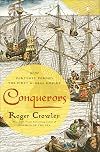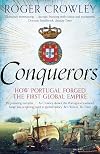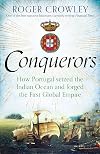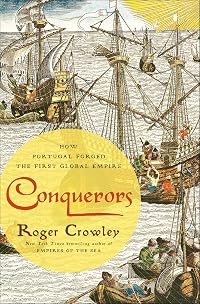
Conquerors: How Portugal Forged the First Global Empire
by Roger Crowley
On This Page
Description
Historian and New York Times bestselling author Crowley presents the epic story of the emergence of Portugal, a small, poor nation that enjoyed a century of maritime supremacy thanks to the daring and navigational skill of its explorers--a tactical advantage no other country could match. The epic story of the emergence of Portugal, a small, poor nation that enjoyed a century of maritime supremacy thanks to the daring and navigational skill of its explorers--a tactical advantage no other show more country could match. Portugal's discovery of a sea route to India, campaign of imperial conquest over Muslim rulers, and domination of the spice trade would forever disrupt the Mediterranean and build the first global economy. Author Crowley relies on letters and eyewitness testimony to tell the story of tiny Portugal's rapid and breathtaking rise to power. Conquerors reveals the Império Português in all of its splendor and ferocity. Figures such as King Manuel "the Fortunate," João II "the Perfect Prince," marauding governor Afonso de Albuquerque, and explorer Vasco da Gama juggled their private ambitions and the public aims of the empire in pursuit of a global fortune. Also central to the story was Portugal's drive to eradicate Islamic culture and establish a Christian empire in the Indian Ocean. Portuguese explorers pushed deep into the African continent and ruthlessly besieged Indian port cities. The discovery of a route to India around the horn of Africa was not only a brilliant breakthrough in navigation but heralded a complete upset of the world order. For the next century, no European empire was more ambitious, no rulers more rapacious. In the process they created the first long-range maritime empire and set in motion the forces of globalization that now shape our world.--Adapted from book jacket. show lessTags
Recommendations








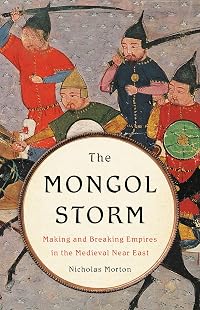
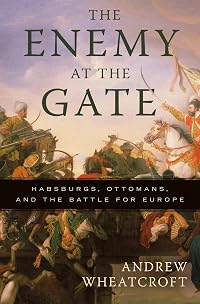
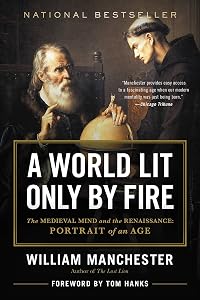
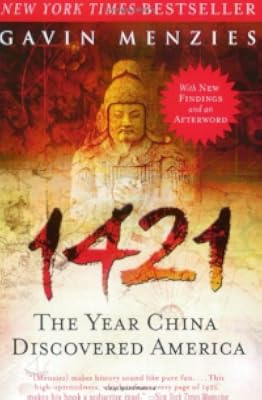

Member Recommendations

macoram "Vanguard of the Empire" focus on the Iberian naval technology and artillery of the 15th and 16th centuries from shipwrecks and contemporaneous accounts. Both Portuguese and Spanish explorations and colonial organizations are dissected and compared.
"The conquerors" is a vivid account of Portuguese 15th and 16th centuries overseas Asiatic enterprises painstakingly taken from contemporaneous letters, diaries and documents.
Member Reviews
How? By falling on shipping and ports on a seasonal cycle like Vikings, but depredating this time thousands of miles from home. By barbaric violence and astounding military audacity. By erupting like a plague on virgin soil, a wave of virulent, hateful belligerence entering a maritime zone of regular and mostly mutually beneficial trade. The shock of the new shaking up a complacent order that had no way to defend itself. The Portuguese had the best cannons, but renegades soon began to teach Asian powers. Their attacks were determined more than organized. It wasn't so much technological or military superiority as the shock of a new predator, its base safe from retaliation and capable of producing new forces every year, arriving in a show more theatre that was not prepared for the kind of war it was willing to wage. A first-mover in state-building moving into the region. A cartel moving into the city park. A wolfpack on the factory farm. show less
I am a big fan of Roger Crowley, primarily because his books make history so available--they're easy to read, entertaining, informative, and often contain those little details that enliven conversations or are remembered later long after one should have forgotten them. But I had a problem with Conquerors as I felt despite its no-holds-barred approach to revealing how barbarian the Portuguese were in their forays into the Pacific, it was still too Euro-centric and apologetic, and there is at least one event that I believe was incorrectly related.
I'll begin with the latter point regarding historical accuracy: my question concerns the fall of Malacca, a great trading port on the coast of Malaysia in the early 1500s with traders from across show more the region living within the city. Crowley writes, "He [Albuquerque, one of the nastiest men in Portuguese history who had no qualms in decimating every living thing to spread terror and obedience into the hearts of Africans and Asians] gave the Chinese permission to sail away with gifts and blessings" (p. 263) before the attack on Malacca and the subsequent slaughter began. Presumably, because earlier, on page 258 he describes the "Chinese and the Hindu merchants [as] friendly" and notes that (p. 259) "He [Albuquerque again] was helped immensely by the amount of information leaking out of the city from ... the Chinese." However, most other scholars note that the Chinese traders residing in Malacca were slaughtered along with the other inhabitants. Timothy Brook writes in The Confusions of Pleasure: Commerce and Culture in Ming China, "When the Portuguese captured the major regional trading centre of Malacca in 1511, they butchered the large community of Chinese merchants living there. The Chinese memory of this massacre was long. Zhang Xie recalled it a century later in his survey of Southeast Asia with this understated but vivid comment: "Crocodiles...leopards...along with the Portuguese, [are known as] 'the three terrors of Malacca" (p. 122, quoted from Zhang Xie, Dongxi yang kao, p. 67). Historical accuracy is important as it is part of the soil out of which our beliefs about events and people grow. To understand Southeast Asia (and Asia) today, one needs to remember that historical memories can run deep.
As for my first and far greater concern: Portugal is credited with the "globalisation of Asia". Its entry into the region with its shiploads of macho hidalgos bent on pillage and building their 'honourable' reputations is recorded in full detail by Crowley, who covers all the atrocities that mankind can imagine--massive slaughter, torture, chopping off of hands and ears, bashing babies' brains out on rock walls, hanging men for the slightest infraction, burning trapped innocents alive, need I go on? First of all, regional trade was already well established when the Portuguese sailed into the Pacific waters--Arab, Indian, Malay and Chinese traders had been trading in those waters--peacefully--for at least 1,000 years (witness the the 826 Arab dhow loaded with Chinese ceramics salvaged in 1998 400 miles south of Singapore in Indonesian waters), and the trade continued on through Alexandria via Venetian traders into Europe. There was no need to enter with swords swinging; Portugal (and every other European nation) could have entered into peaceful trade along with every other nation in those waters, drawn the same maps, refined its navigational tools, observed natural history and the beauty of the new world it found without the violence, but it didn't. And I therefore found troubling such seemingly innocent statements as (p. 320) "The first century of Portuguese discoveries saw a successive stripping away of layers of medieval mythology about the world and the received wisdom of ancient authority...by the empirical observation of geography, climate, natural history, and cultures that ushered in the early modern age" and "No one in the European arena had predicted that this tiny marginalised country would make a vaulting leap into the East, join up the hemispheres, and construct the first empire with a global reach" (p. 321). Yes, on one level they are truthful statements, and perhaps the "The Portuguese effectively enlarged the market: European spice consumption doubled during the course of the sixteenth century" (p. 321). Accomplishments.
Such statements convey what can happen when a person or a group of people believe they hold the divine right to win--a battle, an election, a country, a people. Manuel I of Portugal, the king who believed he had the divine right to rule the Pacific region, who sent out such men as de Gama, Almeida and Albuquerque, believed he was such a man and the men he chose to lead his expeditions believed like him. But at what cost?
This book reminded me why we need to read history. show less
I'll begin with the latter point regarding historical accuracy: my question concerns the fall of Malacca, a great trading port on the coast of Malaysia in the early 1500s with traders from across show more the region living within the city. Crowley writes, "He [Albuquerque, one of the nastiest men in Portuguese history who had no qualms in decimating every living thing to spread terror and obedience into the hearts of Africans and Asians] gave the Chinese permission to sail away with gifts and blessings" (p. 263) before the attack on Malacca and the subsequent slaughter began. Presumably, because earlier, on page 258 he describes the "Chinese and the Hindu merchants [as] friendly" and notes that (p. 259) "He [Albuquerque again] was helped immensely by the amount of information leaking out of the city from ... the Chinese." However, most other scholars note that the Chinese traders residing in Malacca were slaughtered along with the other inhabitants. Timothy Brook writes in The Confusions of Pleasure: Commerce and Culture in Ming China, "When the Portuguese captured the major regional trading centre of Malacca in 1511, they butchered the large community of Chinese merchants living there. The Chinese memory of this massacre was long. Zhang Xie recalled it a century later in his survey of Southeast Asia with this understated but vivid comment: "Crocodiles...leopards...along with the Portuguese, [are known as] 'the three terrors of Malacca" (p. 122, quoted from Zhang Xie, Dongxi yang kao, p. 67). Historical accuracy is important as it is part of the soil out of which our beliefs about events and people grow. To understand Southeast Asia (and Asia) today, one needs to remember that historical memories can run deep.
As for my first and far greater concern: Portugal is credited with the "globalisation of Asia". Its entry into the region with its shiploads of macho hidalgos bent on pillage and building their 'honourable' reputations is recorded in full detail by Crowley, who covers all the atrocities that mankind can imagine--massive slaughter, torture, chopping off of hands and ears, bashing babies' brains out on rock walls, hanging men for the slightest infraction, burning trapped innocents alive, need I go on? First of all, regional trade was already well established when the Portuguese sailed into the Pacific waters--Arab, Indian, Malay and Chinese traders had been trading in those waters--peacefully--for at least 1,000 years (witness the the 826 Arab dhow loaded with Chinese ceramics salvaged in 1998 400 miles south of Singapore in Indonesian waters), and the trade continued on through Alexandria via Venetian traders into Europe. There was no need to enter with swords swinging; Portugal (and every other European nation) could have entered into peaceful trade along with every other nation in those waters, drawn the same maps, refined its navigational tools, observed natural history and the beauty of the new world it found without the violence, but it didn't. And I therefore found troubling such seemingly innocent statements as (p. 320) "The first century of Portuguese discoveries saw a successive stripping away of layers of medieval mythology about the world and the received wisdom of ancient authority...by the empirical observation of geography, climate, natural history, and cultures that ushered in the early modern age" and "No one in the European arena had predicted that this tiny marginalised country would make a vaulting leap into the East, join up the hemispheres, and construct the first empire with a global reach" (p. 321). Yes, on one level they are truthful statements, and perhaps the "The Portuguese effectively enlarged the market: European spice consumption doubled during the course of the sixteenth century" (p. 321). Accomplishments.
Such statements convey what can happen when a person or a group of people believe they hold the divine right to win--a battle, an election, a country, a people. Manuel I of Portugal, the king who believed he had the divine right to rule the Pacific region, who sent out such men as de Gama, Almeida and Albuquerque, believed he was such a man and the men he chose to lead his expeditions believed like him. But at what cost?
This book reminded me why we need to read history. show less
Originally posted on Tales to Tide You Over
A fascinating look at the political pressures in post-Crusade Europe through the eyes of a small country with only one major asset, its skill in navigation and sailing. Portugal embarks on an adventurous and costly plan that is grounded in imperialism, religious zealotry, and economic goals. Conquerors provides a deep history of the influences driving this decision, the personalities involved, and the atrocities committed in the name of ousting the Mamluks from Jerusalem and the Venetians from monopoly over Eastern luxury goods.
The writing style is poetic and compelling without sparing the details in the more horrific actions committed by the Portuguese. It blends excerpts from historical show more documents with a strong narrative style. It’s the rare history book that is hard to put down, but this is one of them, despite the occasional repetition I noticed at times. Conquerors offers both an overall sense of the economic and political pressures in Europe and a close look at the people involved in this grandiose endeavor. It neither spares the Portuguese in the descriptions nor makes them into uninspired monsters, though it might seem like that at times. We learn about their atrocities in Europe, Africa, and the East, but we also discover moments when they adapted and worked with those they intended to conquer, making it more well rounded than you might expect from the title.
Of particular interest to me is Afonso de Albuquerque, the last person to get a detailed treatment in the book. He wins this focus because his part begins when he’s an arrogant, glory-seeking, bloodthirsty young man and continues until his death, at which point he has angered the more traditional Portuguese with his tactics as he blended harsh justices with strong governance to gain the respect of the conquered people. This demonstrated both the reasons he was sent in the first place, and his ability to mature and adapt to circumstances until he became more calculated and strategic. However, in part because of the whispers of his enemies and also because of the long communication line (a year and a half), King Manuel was unable to understand or appreciate Albuquerque until too late.
It’s a characteristics of this book that while it recounts history, I feel inclined to speak in obscure notes so as not to spoil the read, but even knowing this much is only a light brush stroke on a complicated canvas.
There is not enough room in a review to cover all the bits and pieces that inspired my imagination, but among the European aspects is the changing of Papal influence, the economic impact of the Crusades on the Middle Eastern trade borders, and the treatment of non-Christians.
The aspects in India reminded me of the Western attitude that infuses much first contact science fiction along with the assumption of hostility, showing this history an important one to study. Portugal arrives in a place where peaceful trade has been established across political and religious lines, but never takes the time to learn how things are different before imposing its own image and provoking disaster. The assumption everything will be the same proves deadly in other ways as well, such as the discovery of how monsoons govern the timing of trade and war.
In other places, quick mentions entertain and educate such as the timing of the word “discovery” in the Portuguese language or how they learned to treat cannonballs as skipping stones to increase the range. There are more elements I’ve noted, but I’ve gone on long enough for you to understand just what you’re getting in reading this historical account.
Conquerors is a colorful, detailed account that coddles neither the king nor his chosen people in recounting brutal tactics that may still have echoes in Islamic countries today. At the same time, the book reveals what lies behind such actions from fanatical religious zeal to delayed and contradictory commands. It’s a complex, multilayered account of the wise and foolhardy efforts to break a trade monopoly and open new rewards for Portugal despite its limited resources and with little care for the costs.
P.S. I received this title from the publisher through NetGalley in return for an honest review. show less
A fascinating look at the political pressures in post-Crusade Europe through the eyes of a small country with only one major asset, its skill in navigation and sailing. Portugal embarks on an adventurous and costly plan that is grounded in imperialism, religious zealotry, and economic goals. Conquerors provides a deep history of the influences driving this decision, the personalities involved, and the atrocities committed in the name of ousting the Mamluks from Jerusalem and the Venetians from monopoly over Eastern luxury goods.
The writing style is poetic and compelling without sparing the details in the more horrific actions committed by the Portuguese. It blends excerpts from historical show more documents with a strong narrative style. It’s the rare history book that is hard to put down, but this is one of them, despite the occasional repetition I noticed at times. Conquerors offers both an overall sense of the economic and political pressures in Europe and a close look at the people involved in this grandiose endeavor. It neither spares the Portuguese in the descriptions nor makes them into uninspired monsters, though it might seem like that at times. We learn about their atrocities in Europe, Africa, and the East, but we also discover moments when they adapted and worked with those they intended to conquer, making it more well rounded than you might expect from the title.
Of particular interest to me is Afonso de Albuquerque, the last person to get a detailed treatment in the book. He wins this focus because his part begins when he’s an arrogant, glory-seeking, bloodthirsty young man and continues until his death, at which point he has angered the more traditional Portuguese with his tactics as he blended harsh justices with strong governance to gain the respect of the conquered people. This demonstrated both the reasons he was sent in the first place, and his ability to mature and adapt to circumstances until he became more calculated and strategic. However, in part because of the whispers of his enemies and also because of the long communication line (a year and a half), King Manuel was unable to understand or appreciate Albuquerque until too late.
It’s a characteristics of this book that while it recounts history, I feel inclined to speak in obscure notes so as not to spoil the read, but even knowing this much is only a light brush stroke on a complicated canvas.
There is not enough room in a review to cover all the bits and pieces that inspired my imagination, but among the European aspects is the changing of Papal influence, the economic impact of the Crusades on the Middle Eastern trade borders, and the treatment of non-Christians.
The aspects in India reminded me of the Western attitude that infuses much first contact science fiction along with the assumption of hostility, showing this history an important one to study. Portugal arrives in a place where peaceful trade has been established across political and religious lines, but never takes the time to learn how things are different before imposing its own image and provoking disaster. The assumption everything will be the same proves deadly in other ways as well, such as the discovery of how monsoons govern the timing of trade and war.
In other places, quick mentions entertain and educate such as the timing of the word “discovery” in the Portuguese language or how they learned to treat cannonballs as skipping stones to increase the range. There are more elements I’ve noted, but I’ve gone on long enough for you to understand just what you’re getting in reading this historical account.
Conquerors is a colorful, detailed account that coddles neither the king nor his chosen people in recounting brutal tactics that may still have echoes in Islamic countries today. At the same time, the book reveals what lies behind such actions from fanatical religious zeal to delayed and contradictory commands. It’s a complex, multilayered account of the wise and foolhardy efforts to break a trade monopoly and open new rewards for Portugal despite its limited resources and with little care for the costs.
P.S. I received this title from the publisher through NetGalley in return for an honest review. show less
A highly readable and nicely illustrated account of how the Portuguese established their dominant trade in Africa and India in only twenty years by a forerunner to cannon boat diplomacy. Unfortunately, Crowley continues to insert his favorite idea of a clash between Christians and Muslims as a key driver of events. As his own account shows, religious war was only a minor aspect and a very low priority for all participants. For the Portuguese, this was about conquest and profit - not faith.
In contrast to the usual tale of discovery and trade, Crowley paints a picture of extreme ruthlessness and shocking brutality of the Portuguese in displacing any competitors. The combination of superior ships, artillery and armor acted as a force show more multiplier the local rulers could not effectively oppose. The small state of Portugal managed to send out a fleet towards the East year by year, overwhelming and grinding down the medieval opposition which lacked the financial means to oppose the conquest and advance.
The odds for the individual Portuguese explorer to die abroad were high. It must have been terrible to man one of the outpost forts and wait for next year's fleet to relieve the surviving garrison troops. The sailors too were at great risk to see their ships sink or die from disease or in war. Crowley shows how lucky the Portuguese were to prevail in many instances. Only a little push more and their dream of conquest might have been crushed.
The real winners of the Portuguese expansion were the European consumers as the Indian spices quickly became six times cheaper than before when Arab intermediaries were able to control the trade route. As the Arabs still controlled the shorter route, one key task of the Portuguese was the destruction of the Arab merchant's access to the Indian markets and the establishment of a Portuguese monopoly based on their military superiority. While global trade routes were shifting towards the Indian and Atlantic ocean, the old medieval powers of Europe were battling over the old spoils of Italy and its dominance of the now no longer important trade route to Alexandria. Only a few years later, the Mughals would conquer Northern India showing the vulnerability and fragility of India's leadership structure, a development Crowley should have pointed out to his readers too. Not only the Europeans were expanding. show less
In contrast to the usual tale of discovery and trade, Crowley paints a picture of extreme ruthlessness and shocking brutality of the Portuguese in displacing any competitors. The combination of superior ships, artillery and armor acted as a force show more multiplier the local rulers could not effectively oppose. The small state of Portugal managed to send out a fleet towards the East year by year, overwhelming and grinding down the medieval opposition which lacked the financial means to oppose the conquest and advance.
The odds for the individual Portuguese explorer to die abroad were high. It must have been terrible to man one of the outpost forts and wait for next year's fleet to relieve the surviving garrison troops. The sailors too were at great risk to see their ships sink or die from disease or in war. Crowley shows how lucky the Portuguese were to prevail in many instances. Only a little push more and their dream of conquest might have been crushed.
The real winners of the Portuguese expansion were the European consumers as the Indian spices quickly became six times cheaper than before when Arab intermediaries were able to control the trade route. As the Arabs still controlled the shorter route, one key task of the Portuguese was the destruction of the Arab merchant's access to the Indian markets and the establishment of a Portuguese monopoly based on their military superiority. While global trade routes were shifting towards the Indian and Atlantic ocean, the old medieval powers of Europe were battling over the old spoils of Italy and its dominance of the now no longer important trade route to Alexandria. Only a few years later, the Mughals would conquer Northern India showing the vulnerability and fragility of India's leadership structure, a development Crowley should have pointed out to his readers too. Not only the Europeans were expanding. show less
How? By falling on shipping and ports on a seasonal cycle like Vikings, but depredating this time thousands of miles from home. By barbaric violence and astounding military audacity. By erupting like a plague on virgin soil, a wave of virulent, hateful belligerence entering a maritime zone of regular and mostly mutually beneficial trade. The shock of the new shaking up a complacent order that had no way to defend itself. The Portuguese had the best cannons, but renegades soon began to teach Asian powers. Their attacks were determined more than organized. It wasn't so much technological or military superiority as the shock of a new predator, its base safe from retaliation and capable of producing new forces every year, arriving in a show more theatre that was not prepared for the kind of war it was willing to wage. A first-mover in state-building moving into the region. A cartel moving into the city park. A wolfpack on the factory farm. show less
As Roger Crowley explains in "Conquerors", in the early 16th century Portugal, a poor country on the periphery of Europe, came to control trade in the Indian Ocean thanks to bravery, cruelty, navigation skills and cannons. They fought against kings and sultans on the Swahili Coast of Africa and the Malabar Coast of India with no more than 1500 troops at a time. Before they could start fighting they had to find a way to the Indies and did this after eighty years of working their way down the coast of West Africa.
“Behind the Africa initiative lay a very old dream of militant Christendom: that of outflanking Islam, which blocked the way to Jerusalem and the wealth of the East.”
This is a story to rival or even eclipse those Columbus show more discovering America, Cortes conquering Mexico and Pizarro doing the same in Peru. But the names of Vasco da Gama, the Portuguese captain who made it around Africa, and Alfonso de Albuquerque the man who consolidated the Portuguese presence in India are not so well known. The Indians didn’t manage to get the Portuguese out of Goa until the 1960s! Magellan, the captain who circumvented the world under Spanish patronage, is the only Portuguese explorer the Anglo world taught me about as a kid -- and then I grew up to discover Magellan was killed halfway through the journey! In the Indies, the Portuguese were known as the Franks or Ferengi, the common term for Christian Westerners at the time. The Thais call us Farang to this day.
The Portuguese made it around Africa with the counter-intuitive move of sailing away from the West African coast. This allowed them to catch the winds to take them past the bottom of Africa. This way they discovered Brazil, sailing too far west and landing there by accident. But “Conquerors” does not deal with South America. Once in India, da Gama was surprised to meet with some Castilian speaking Tunisians and find a thriving multicultural civilization. The rulers were generally Hindus but the traders were Muslim, due to the fact that it was taboo for Hindus to eat at sea. The Muslims knew all about Europe and Asia, but the Christian knowledge of the world at the time was limited. Da Gama caused havoc in India before having to sail back before the Monsoon.
After da Gama, Almeida and Albuquerque solidified the Portuguese position. They used diplomacy, threats and terror to achieve their aims. One terror tactic was cutting off the noses ears and hands of Muslim prisoners and then setting them free. Albuquerque was a skilled leader and commander, introducing pike-wielding phalanxes of foot soldiers, much to the disgust of the noblemen who wished for the glory of one on one combat. Albuquerque, following the orders of King Manuel, made a real attempt to control the Red Sea and from there the plan was to launch an attack on Jerusalem, but the failure to capture the city of Aden scuttled these plans. Portuguese pressure in the area was one of the factors in a shift of power in the Muslim world, away from the Mamluk Sultans in Cairo to the Ottomans in Turkey. "Conquerers", however, does not give much information on the politics of the Middle East and India -- which is fair enough, otherwise, this manageable, concise work would balloon out in length. The Venetians, who had controlled the entry of spices into Europe worked with the Muslims to try and get the Portuguese out of the Indian Ocean.
My interest in the Portuguese Empire was sparked by a visit to a Brazilian BBQ in Shanghai in 2007 called Vasco da Gama. "What does Vasco da Gama mean?" I asked. Despite being twenty-eight I had no clue - I’d been to Macau and seen the Portuguese colonial buildings, the azulejos, the calcadas and eaten the Portuguese tarts - but I had no idea how the Portuguese got to Macau. Slowly I've been piecing it all together - it's quite the job as the Portuguese made it to the most far-flung places and often didn't leave much behind.
Crowley maps the Portuguese progression clearly, occasionally I encountered sentences that made no sense or something mentioned in the narrative that would not be explained until much later. This is minor quibbling, Crowley, like Max Hastings, can condense a huge amount of information and turn it into a cohesive narrative. I’d say one of his strengths is relating the tactics of maritime battles. I’m sure he had a lot of help with the translation of original sources, his bibliography looks pretty thorough. Crowley's message is that the Portuguese were cruel and backwards compared with the civilizations of the East, but they were great navigators and incredibly determined and astute with the trump card of superior weaponry. show less
“Behind the Africa initiative lay a very old dream of militant Christendom: that of outflanking Islam, which blocked the way to Jerusalem and the wealth of the East.”
This is a story to rival or even eclipse those Columbus show more discovering America, Cortes conquering Mexico and Pizarro doing the same in Peru. But the names of Vasco da Gama, the Portuguese captain who made it around Africa, and Alfonso de Albuquerque the man who consolidated the Portuguese presence in India are not so well known. The Indians didn’t manage to get the Portuguese out of Goa until the 1960s! Magellan, the captain who circumvented the world under Spanish patronage, is the only Portuguese explorer the Anglo world taught me about as a kid -- and then I grew up to discover Magellan was killed halfway through the journey! In the Indies, the Portuguese were known as the Franks or Ferengi, the common term for Christian Westerners at the time. The Thais call us Farang to this day.
The Portuguese made it around Africa with the counter-intuitive move of sailing away from the West African coast. This allowed them to catch the winds to take them past the bottom of Africa. This way they discovered Brazil, sailing too far west and landing there by accident. But “Conquerors” does not deal with South America. Once in India, da Gama was surprised to meet with some Castilian speaking Tunisians and find a thriving multicultural civilization. The rulers were generally Hindus but the traders were Muslim, due to the fact that it was taboo for Hindus to eat at sea. The Muslims knew all about Europe and Asia, but the Christian knowledge of the world at the time was limited. Da Gama caused havoc in India before having to sail back before the Monsoon.
After da Gama, Almeida and Albuquerque solidified the Portuguese position. They used diplomacy, threats and terror to achieve their aims. One terror tactic was cutting off the noses ears and hands of Muslim prisoners and then setting them free. Albuquerque was a skilled leader and commander, introducing pike-wielding phalanxes of foot soldiers, much to the disgust of the noblemen who wished for the glory of one on one combat. Albuquerque, following the orders of King Manuel, made a real attempt to control the Red Sea and from there the plan was to launch an attack on Jerusalem, but the failure to capture the city of Aden scuttled these plans. Portuguese pressure in the area was one of the factors in a shift of power in the Muslim world, away from the Mamluk Sultans in Cairo to the Ottomans in Turkey. "Conquerers", however, does not give much information on the politics of the Middle East and India -- which is fair enough, otherwise, this manageable, concise work would balloon out in length. The Venetians, who had controlled the entry of spices into Europe worked with the Muslims to try and get the Portuguese out of the Indian Ocean.
My interest in the Portuguese Empire was sparked by a visit to a Brazilian BBQ in Shanghai in 2007 called Vasco da Gama. "What does Vasco da Gama mean?" I asked. Despite being twenty-eight I had no clue - I’d been to Macau and seen the Portuguese colonial buildings, the azulejos, the calcadas and eaten the Portuguese tarts - but I had no idea how the Portuguese got to Macau. Slowly I've been piecing it all together - it's quite the job as the Portuguese made it to the most far-flung places and often didn't leave much behind.
Crowley maps the Portuguese progression clearly, occasionally I encountered sentences that made no sense or something mentioned in the narrative that would not be explained until much later. This is minor quibbling, Crowley, like Max Hastings, can condense a huge amount of information and turn it into a cohesive narrative. I’d say one of his strengths is relating the tactics of maritime battles. I’m sure he had a lot of help with the translation of original sources, his bibliography looks pretty thorough. Crowley's message is that the Portuguese were cruel and backwards compared with the civilizations of the East, but they were great navigators and incredibly determined and astute with the trump card of superior weaponry. show less
This history of Portugal's age of exploration and conquest taught me a great deal, in an eminently readable style.. The foresignt and persistance of Portugal's advance to the East was amazing, as was the power and wealth it achieved. In the fifteenth century, Portugal was tiny (about a million people - smaller than some Chinese cities of the day) and poor. Nonetheless, its rulers undertook a planned program of exploration and conquest to reach and in time control the trade of the East. The book is heavy on detail, particularly military detail, which at times gets repetitive. It also underlines the stunning brutality of these explorers and adventurers, who often sound rather like very Catholic Vikings. I would have liked a bit more of an show more overview, particularly of the retreat of Portugal's empire. Nonetheless, I enjoyed the book and would recommend it to anyone interested in colonialism. show less
Members
- Recently Added By
Published Reviews
ThingScore 100
"In 'Conquerors,' Roger Crowley delivers a rousing and masterful account of how a handful of determined adventurers — at once ruthless and visionary — carved out the first truly global commercial empire, for better and for worse."
added by bookfitz
"Crowley’s craftsmanship comes through most clearly in telling this story of relentless, one-sided slaughter without glutting the reader with gore."
added by bookfitz
"Crowley’s interpretations are nuanced and fair"
added by bookfitz
Lists

Books Read in 2023
5,547 works; 145 members
Author Information

Series
Belongs to Publisher Series
Common Knowledge
- Canonical title
- Conquerors: How Portugal Forged the First Global Empire
- Original title
- Conquerors: How Portugal Forged the First Global Empire
- Original publication date
- 2015
- People/Characters
- Vasco da Gama; Afonso de Albuquerque; Francisco de Almeida; Duarte Pacheco Pereira; Manuel I, King of Portugal; Pedro Alvares Cabral
- Important places
- Portugal
- Important events
- Battle of Cochin (1504)
- Epigraph
- The sea with limits may be Greek or Roman;
The sea without end is Portuguese.
-Fernando Pessoa - Dedication
- To Pascal,
who inspired and encouraged the voyage,
with many thanks - First words
- On September 20, 1414, the first giraffe ever seen in China was approaching the imperial palace in Beijing.
- Last words
- (Click to show. Warning: May contain spoilers.)Cinnamon, sugar, coffee: the tastes of the world first landed here in sailing ships.
- Original language
- English
Classifications
- Genres
- History, Nonfiction, General Nonfiction
- DDC/MDS
- 909.0971246905 — History & geography History World history Other Geographic Classifications Socioeconomic Regions By Political Orientation Spanish Empire Portuguese Empire
- LCC
- JV4214 .C76 — Political Science Colonies and colonization. Emigration and immigration. International migration Colonies and colonization. Emigration and Colonizing nations
- BISAC
Statistics
- Members
- 533
- Popularity
- 56,037
- Reviews
- 12
- Rating
- (4.13)
- Languages
- 6 — Chinese, traditional, English, German, Hungarian, Portuguese, Spanish
- Media
- Paper, Audiobook, Ebook
- ISBNs
- 19
- ASINs
- 8