On This Page
Description
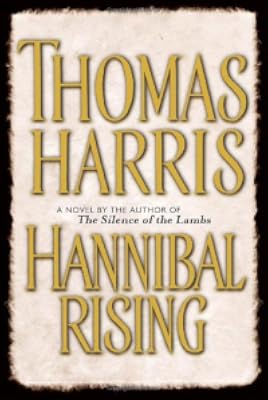
He is one of the most haunting characters in all of literature. At last the evolution of his evil is revealed.Hannibal Lecter emerges from the nightmare of the Eastern Front, a boy in the snow, mute, with a chain around his neck.
He seems utterly alone, but he has brought his demons with him.
Hannibal’s uncle, a noted painter, finds him in a Soviet orphanage and brings him to France, where Hannibal will live with his uncle and his uncle’s beautiful and exotic wife, Lady Murasaki.
show more Lady Murasaki helps Hannibal to heal. With her help he flourishes, becoming the youngest person ever admitted to medical school in France.
But Hannibal’s demons visit him and torment him. When he is old enough, he visits them in turn.
He discovers he has gifts beyond the academic, and in that epiphany, Hannibal Lecter becomes death’s prodigy. show less
Tags
Recommendations





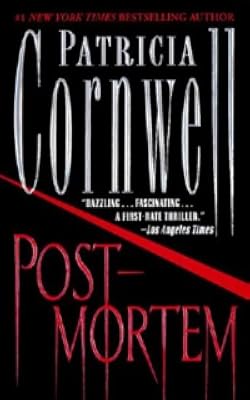
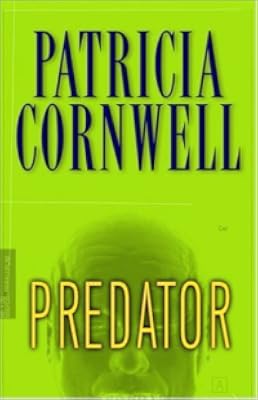
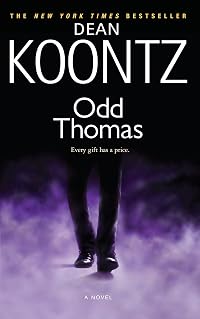
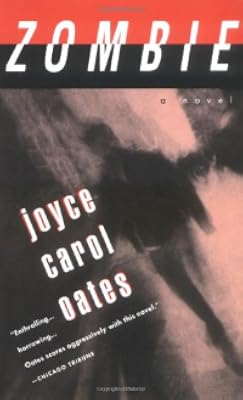
Member Reviews
I wasn’t sure what to expect when I picked up the conclusion of Thomas Harris’s Hannibal Lecter tetralogy, four years after finishing “Hannibal.” The latter book is one of the most nihilistic I’ve read, with scenes that still unsettle me not for their graphic nature but for their negation of human worth. No goodness escapes the black hole that is Hannibal Lecter. Why, then, you might ask, would I read the fourth book? Because, my friend, I am a finisher. I finish things. Surprisingly, I’m glad I did.
I’ve decided Hannibal is best understood as a character if you cut the tetralogy into two unrelated duologies. I admit you can’t do this cleanly from a plot perspective. FBI agent Clarice Starling’s central role fuses both show more “The Silence of the Lambs” and “Hannibal” into a shared universe. However, the smartest cannibal in the world is nothing but a supporting (if memorable) character in “Red Dragon” and “The Silence of the Lambs.” His backstory is unknown apart from a childhood penchant for animal cruelty, and the horror of him is that his evil has no reason. He simply exists as a moral nullity in human form. But in “Hannibal” and “Hannibal Rising,” we find a man who is compassionate toward animals, embraces evil for comprehensible reasons, and rejects humanity without extinguishing his hunger for love; even if that love is on his terms and frightening in its capitulation to the grave.
If you can separate the two Hannibals, then the second one does something interesting. I’m certain Harris didn’t plan for this since he originally intended to close the story with the third book. I don’t know if he wanted me to receive the origin story of “Hannibal Rising” the way I do since the meaning of literature always passes through a prism of the reader’s own mind. Regardless of what Harris planned or wanted, what I find in Hannibal’s origin story and in its preceding denouement is a confrontation with what the horrors of the 20th century did to us, and the choice that man’s inhumanity forces upon us.
Harris takes us to Hannibal’s boyhood home in Lithuania on the eve of the Second World War. The boy Hannibal is the last memory of a lost innocence: born into landed aristocracy, gifted with a prodigy’s intellect, filled with a brother’s protective love for his little sister Mischa, and cushioned by parental love. By the time he emerges from snowy woods in 1944, alone and traumatized with gaps in his memory, all of that has disappeared down the throats of Hitler’s war and the men who thrive in depraved times. As Hannibal grows to young manhood in post-war France, tries to recover his lost memories, and begins hunting the war criminals who took everything, it becomes clear that a sickness and a rot lies beneath the quiet manners and refined tastes of this genteel young man.
In one sense, Hannibal is humanity writ large at the end of the deadliest war in human history. We fought a war in which human life meant less than nothing, and we’ve never stopped wondering if we were more right than we knew. If the most highly cultured and intelligent human civilizations on Earth could eat each other’s hearts, then what are we really? This self-doubt pulses in the novel’s subplot of Allied attempts to redistribute stolen art pieces to their rightful owners. You can shuffle around all the pretty things you want in an attempt to recover a sense of your own nobility, but can redistributed beauty erase what you’ve seen? What you’ve done? Or is all our high culture just a mask for the cannibal who waits for his next opportunity to feed? Inspector Popil’s summary of Hannibal serves just as well for the world that stumbled out of the smokestacks of Auschwitz, out of the steppes of the Eastern Front, and out of cozy French villages where neighbors betrayed neighbors to death: “The little boy Hannibal died in 1945 out there in the snow trying to save his sister. His heart died with Mischa. What is he now? There's not a word for it yet. For lack of a better word, we'll call him a monster.”
In a more private sense, Hannibal is every person who knows why Ralph wept for the end of innocence and the darkness of man's heart. As Hannibal penetrates ever nearer to a truth his mind rejects, as he penetrates ever nearer to men who rejected their humanity, he is faced with the eternal choice: to swear allegiance to the darkness or to believe that light still shines even if it doesn’t shine on you. Lady Murasaki, Hannibal’s Japanese aunt by her marriage to his uncle, represents the latter choice. She understands her broken nephew better than most because she knows what it is to suffer when all you love is consumed in atomic fire. She knows that a part of him is still drawn to the living, breathing, beautiful world that she personifies. No one is better able to plead with Hannibal to abandon his journey into the night: “In Hiroshima, green plants push up through ashes to the light.”
At some level, Hannibal seems to understand the decision before him when, upon seeing caged birds awaiting their turn in the stewpot, says, “They’re just like us. They can smell the others cooking, and still they try to sing.” The tragedy is that we already know what Hannibal chooses, because we’ve already read the books. Powerful is the drive to return pain for pain, to take from them what they took from you, to hide from a darkness that feels like pain in a darkness that feels like truth. And we know from “Hannibal” where the surrender to death ends: on a bloody balcony at the Palazzo Vecchio, in a gruesome dinner of death, and by the corruption of love and goodness into grotesque self-parodies.
No, this is not a necessary ending. Every time men grease the wheels of history with the blood of the innocent, survivors face the same choice: to push up through the ashes or to choke on them. Many years ago, I attended a talk given by a Holocaust survivor who chose the light. She spoke frankly of the way her trauma from the camps remained seven decades after her release; but she also spoke of celebrating her birthday with enthusiasm, because every year of life was another reminder that Hitler didn’t win. Should I ever, God forbid, be forced to endure such horrors, this is who I want to be: this, and not a man who passes into the valley of the shadow of death and decides that the shadow is all that is. show less
I’ve decided Hannibal is best understood as a character if you cut the tetralogy into two unrelated duologies. I admit you can’t do this cleanly from a plot perspective. FBI agent Clarice Starling’s central role fuses both show more “The Silence of the Lambs” and “Hannibal” into a shared universe. However, the smartest cannibal in the world is nothing but a supporting (if memorable) character in “Red Dragon” and “The Silence of the Lambs.” His backstory is unknown apart from a childhood penchant for animal cruelty, and the horror of him is that his evil has no reason. He simply exists as a moral nullity in human form. But in “Hannibal” and “Hannibal Rising,” we find a man who is compassionate toward animals, embraces evil for comprehensible reasons, and rejects humanity without extinguishing his hunger for love; even if that love is on his terms and frightening in its capitulation to the grave.
If you can separate the two Hannibals, then the second one does something interesting. I’m certain Harris didn’t plan for this since he originally intended to close the story with the third book. I don’t know if he wanted me to receive the origin story of “Hannibal Rising” the way I do since the meaning of literature always passes through a prism of the reader’s own mind. Regardless of what Harris planned or wanted, what I find in Hannibal’s origin story and in its preceding denouement is a confrontation with what the horrors of the 20th century did to us, and the choice that man’s inhumanity forces upon us.
Harris takes us to Hannibal’s boyhood home in Lithuania on the eve of the Second World War. The boy Hannibal is the last memory of a lost innocence: born into landed aristocracy, gifted with a prodigy’s intellect, filled with a brother’s protective love for his little sister Mischa, and cushioned by parental love. By the time he emerges from snowy woods in 1944, alone and traumatized with gaps in his memory, all of that has disappeared down the throats of Hitler’s war and the men who thrive in depraved times. As Hannibal grows to young manhood in post-war France, tries to recover his lost memories, and begins hunting the war criminals who took everything, it becomes clear that a sickness and a rot lies beneath the quiet manners and refined tastes of this genteel young man.
In one sense, Hannibal is humanity writ large at the end of the deadliest war in human history. We fought a war in which human life meant less than nothing, and we’ve never stopped wondering if we were more right than we knew. If the most highly cultured and intelligent human civilizations on Earth could eat each other’s hearts, then what are we really? This self-doubt pulses in the novel’s subplot of Allied attempts to redistribute stolen art pieces to their rightful owners. You can shuffle around all the pretty things you want in an attempt to recover a sense of your own nobility, but can redistributed beauty erase what you’ve seen? What you’ve done? Or is all our high culture just a mask for the cannibal who waits for his next opportunity to feed? Inspector Popil’s summary of Hannibal serves just as well for the world that stumbled out of the smokestacks of Auschwitz, out of the steppes of the Eastern Front, and out of cozy French villages where neighbors betrayed neighbors to death: “The little boy Hannibal died in 1945 out there in the snow trying to save his sister. His heart died with Mischa. What is he now? There's not a word for it yet. For lack of a better word, we'll call him a monster.”
In a more private sense, Hannibal is every person who knows why Ralph wept for the end of innocence and the darkness of man's heart. As Hannibal penetrates ever nearer to a truth his mind rejects, as he penetrates ever nearer to men who rejected their humanity, he is faced with the eternal choice: to swear allegiance to the darkness or to believe that light still shines even if it doesn’t shine on you. Lady Murasaki, Hannibal’s Japanese aunt by her marriage to his uncle, represents the latter choice. She understands her broken nephew better than most because she knows what it is to suffer when all you love is consumed in atomic fire. She knows that a part of him is still drawn to the living, breathing, beautiful world that she personifies. No one is better able to plead with Hannibal to abandon his journey into the night: “In Hiroshima, green plants push up through ashes to the light.”
At some level, Hannibal seems to understand the decision before him when, upon seeing caged birds awaiting their turn in the stewpot, says, “They’re just like us. They can smell the others cooking, and still they try to sing.” The tragedy is that we already know what Hannibal chooses, because we’ve already read the books. Powerful is the drive to return pain for pain, to take from them what they took from you, to hide from a darkness that feels like pain in a darkness that feels like truth. And we know from “Hannibal” where the surrender to death ends: on a bloody balcony at the Palazzo Vecchio, in a gruesome dinner of death, and by the corruption of love and goodness into grotesque self-parodies.
No, this is not a necessary ending. Every time men grease the wheels of history with the blood of the innocent, survivors face the same choice: to push up through the ashes or to choke on them. Many years ago, I attended a talk given by a Holocaust survivor who chose the light. She spoke frankly of the way her trauma from the camps remained seven decades after her release; but she also spoke of celebrating her birthday with enthusiasm, because every year of life was another reminder that Hitler didn’t win. Should I ever, God forbid, be forced to endure such horrors, this is who I want to be: this, and not a man who passes into the valley of the shadow of death and decides that the shadow is all that is. show less
Oh, Hannibal
I'm starting to feel sort of sorry for Thomas Harris, or at least as sorry as I can feel for a guy who writes books for a living, is worth about $100 million dollars and probably smokes high grade Afghan opium from a gold plated hookah while being serviced by Russian concubines.
Harris just released "Hannibal Rising". It is a prequel to "Red Dragon" and "Silence of the Lambs" and "Hannibal". It is supposed to be the "origin story" of Hannibal Lecter. I suppose the idea that Lecter has reached the point that he needs an origin story is a big part of the problem. The term "origin story" is something I have never heard used outside of comic book superheros before. Somewhere along the line Mr. Harris's great literary show more invention became a comic book superhero (or supervillian I suppose).
The thing is, "Hannibal Rising" is not a bad book. Taken on its own merits in fact it is pretty good. And Thomas Harris is not a bad writer. The truth is that he is, in many ways, an extraordinary one who will never be recognized for his accomplishments. Most of that may be his own fault. But I feel sorry for him just the same.
It is the nature of the modern world that an artist's work cannot simply stand alone - be judged on its own merits. We have to try to peek behind the curtain at the creator of the art and see what was going on. It has become impossible to not do this because SO MUCH information simply swims by us every day. Even an author like Thomas Pynchon who studiously refuses to make himself available and tries to have as little about himself known as possible has in fact become a part of his own stories for just that reason. We question his reclusiveness and its motives. It seems affected and unreal and at this point somehow detracts from what he has been doing all these years. In many ways it is this modern world, I think, that has undone Mr. Harris. Or maybe not.
I need to say first that Thomas Harris is a great writer, and I don't use those words lightly. To be a great writer one only has to write one great book and he did that with "Red Dragon". "Silence of the Lambs" is also nearly great. I am not talking about great thrillers, or action books or genre books. I actually mean GREAT books. "Red Dragon" is brilliant and revolutionary. ALL of the books, both fiction and non-fiction, that have been published in popular literature in the last 25 years about criminal profiling and serial killers and examining the workings of a killer's mind have been rip-offs of Harris. Patricia Cornwell should send him royalty checks. He was the first guy that went to the FBI Behavioral Sciences dept. and studied and UNDERSTOOD enough and was able to communicate it in a dramatic narrative. But it goes further than that. He was also the first guy to do the intricate CSI type crime procedural stuff. He got that from the FBI as well and worked it into the story. All of the shows and books about THAT subject owe him fealty. More importantly he realized that none of those things were important if he didn't write well. He did it, and still does it, with short sentences creating dark mood and hazy, doomed characters. The characters have a depth and feel to them in his early work that makes the books an exploration of the mind and of thought and impulse more than simply murder mysteries.
Hannibal Lecter was a small but fascinating character in "Red Dragon". (He also stole the show in the original movie of that book "Manhunter") His narrative purpose was to give insight into the mind of a serial killer and help the FBI Agent, Will Graham, get into the mindset of a sociopathic killer so he could figure out the thought processes of the killer they were currently hunting (the "toothfairy").
"Silence of the Lambs" featured a new FBI Agent, Clarice Starling, hunting a new killer, Buffalo Bill, with Lecter in the same role. He was in prison and being coaxed to help the feds. In the end he escapes.
The thing is that in neither of these books was Lecter the star. In fact he probably appears on less than a fourth of the pages. And that is where he belongs. He CAN'T be the star for some very obvious reasons. The first is that he is evil personified and although that can be overcome as soon as it is Lecter loses his cache as a supervillian. More importantly, Lecter is miles and miles smarter than anyone else in the room. His genius knows no bounds so it is impossible for anybody to truly and fairly compete with him. To make him more real his genius would have to develop limits and again he would become less appealing.
So the point is that Lecter was a literary device, NOT a central figure. And what happens? "Silence of the Lambs" is made into a terrific movie by a great director with a great actress and a great actor and it blows up into one of the most popular and critically acclaimed movies of all time and poor Thomas Harris is stuck owning the rights to the literary character that is literally worth hundreds of millions of dollars.
I can only assume what happened next. A massive case of the shits followed by writer's block. It didn't help that by this time everybody and their dog had written profiler books and crime procedural books so there was no new territory to mine. In addition the generation of the FBI that had been friendly to Harris and Cornwell had retired and had been replaced by people that shut them out (and ran a famously inept lab among other things). And Harris knew that the only character people wanted to read about was Lecter (and maybe Clarice Starling). So what do you do?
Apparently you make a huge fucking mistake and write a bloated novel ("Hannibal") that trashes the FBI pricks that shut you out (Cornwell did the same in her books), desperately tries to develop the character of Starling despite the fact that her character was done with, and most unforgivably, tries to do something, anything, to make Lecter somewhat sympathetic including turning him into a victim, a hero, and in the end a twisted love interest. Yikes!
I can't say this strongly enough. Hannibal Lecter is not a good choice for a central character in a story. Just because millions of people want it doesn't make it a good idea to give it to them. In fact, if millions of people want it you should probably think twice about why.
This brings us to the current state of affairs. A talented writer who has now spent his entire career on one story arc. (His only other published work was a book called "Black Sunday", written before the Lecter series. Yes it is the same "Black Sunday" about terrorists crashing a blimp into the Super Bowl. We all have to work our way up to greatness.) He has now spent 20 years trying to follow up "Silence of the Lambs". His latest effort is much more readable and much more interesting. He is back to his spare, economical writing style. His insight into the disordered human mind is again evident. It is fatally flawed only in the fact that we know what becomes of the young Lecter from the first page. In that Harris is trying to make whole someone who by his very own definition is incomplete.
I guess I feel sorry for Harris because I loved those two early books so much. I am sad that because of pressures internal and external he chose to write books that can't be written instead of telling me more about the best character he has written, Will Graham. He still has time. The best thing would be to branch out to someplace else entirely. Or at least visit Mr. Graham, a flawed genius crippled by his demons.
Until then I will settle for this, a decent read from a once great writer. Here's to hoping he has the hookah and the Russian concubines. show less
I'm starting to feel sort of sorry for Thomas Harris, or at least as sorry as I can feel for a guy who writes books for a living, is worth about $100 million dollars and probably smokes high grade Afghan opium from a gold plated hookah while being serviced by Russian concubines.
Harris just released "Hannibal Rising". It is a prequel to "Red Dragon" and "Silence of the Lambs" and "Hannibal". It is supposed to be the "origin story" of Hannibal Lecter. I suppose the idea that Lecter has reached the point that he needs an origin story is a big part of the problem. The term "origin story" is something I have never heard used outside of comic book superheros before. Somewhere along the line Mr. Harris's great literary show more invention became a comic book superhero (or supervillian I suppose).
The thing is, "Hannibal Rising" is not a bad book. Taken on its own merits in fact it is pretty good. And Thomas Harris is not a bad writer. The truth is that he is, in many ways, an extraordinary one who will never be recognized for his accomplishments. Most of that may be his own fault. But I feel sorry for him just the same.
It is the nature of the modern world that an artist's work cannot simply stand alone - be judged on its own merits. We have to try to peek behind the curtain at the creator of the art and see what was going on. It has become impossible to not do this because SO MUCH information simply swims by us every day. Even an author like Thomas Pynchon who studiously refuses to make himself available and tries to have as little about himself known as possible has in fact become a part of his own stories for just that reason. We question his reclusiveness and its motives. It seems affected and unreal and at this point somehow detracts from what he has been doing all these years. In many ways it is this modern world, I think, that has undone Mr. Harris. Or maybe not.
I need to say first that Thomas Harris is a great writer, and I don't use those words lightly. To be a great writer one only has to write one great book and he did that with "Red Dragon". "Silence of the Lambs" is also nearly great. I am not talking about great thrillers, or action books or genre books. I actually mean GREAT books. "Red Dragon" is brilliant and revolutionary. ALL of the books, both fiction and non-fiction, that have been published in popular literature in the last 25 years about criminal profiling and serial killers and examining the workings of a killer's mind have been rip-offs of Harris. Patricia Cornwell should send him royalty checks. He was the first guy that went to the FBI Behavioral Sciences dept. and studied and UNDERSTOOD enough and was able to communicate it in a dramatic narrative. But it goes further than that. He was also the first guy to do the intricate CSI type crime procedural stuff. He got that from the FBI as well and worked it into the story. All of the shows and books about THAT subject owe him fealty. More importantly he realized that none of those things were important if he didn't write well. He did it, and still does it, with short sentences creating dark mood and hazy, doomed characters. The characters have a depth and feel to them in his early work that makes the books an exploration of the mind and of thought and impulse more than simply murder mysteries.
Hannibal Lecter was a small but fascinating character in "Red Dragon". (He also stole the show in the original movie of that book "Manhunter") His narrative purpose was to give insight into the mind of a serial killer and help the FBI Agent, Will Graham, get into the mindset of a sociopathic killer so he could figure out the thought processes of the killer they were currently hunting (the "toothfairy").
"Silence of the Lambs" featured a new FBI Agent, Clarice Starling, hunting a new killer, Buffalo Bill, with Lecter in the same role. He was in prison and being coaxed to help the feds. In the end he escapes.
The thing is that in neither of these books was Lecter the star. In fact he probably appears on less than a fourth of the pages. And that is where he belongs. He CAN'T be the star for some very obvious reasons. The first is that he is evil personified and although that can be overcome as soon as it is Lecter loses his cache as a supervillian. More importantly, Lecter is miles and miles smarter than anyone else in the room. His genius knows no bounds so it is impossible for anybody to truly and fairly compete with him. To make him more real his genius would have to develop limits and again he would become less appealing.
So the point is that Lecter was a literary device, NOT a central figure. And what happens? "Silence of the Lambs" is made into a terrific movie by a great director with a great actress and a great actor and it blows up into one of the most popular and critically acclaimed movies of all time and poor Thomas Harris is stuck owning the rights to the literary character that is literally worth hundreds of millions of dollars.
I can only assume what happened next. A massive case of the shits followed by writer's block. It didn't help that by this time everybody and their dog had written profiler books and crime procedural books so there was no new territory to mine. In addition the generation of the FBI that had been friendly to Harris and Cornwell had retired and had been replaced by people that shut them out (and ran a famously inept lab among other things). And Harris knew that the only character people wanted to read about was Lecter (and maybe Clarice Starling). So what do you do?
Apparently you make a huge fucking mistake and write a bloated novel ("Hannibal") that trashes the FBI pricks that shut you out (Cornwell did the same in her books), desperately tries to develop the character of Starling despite the fact that her character was done with, and most unforgivably, tries to do something, anything, to make Lecter somewhat sympathetic including turning him into a victim, a hero, and in the end a twisted love interest. Yikes!
I can't say this strongly enough. Hannibal Lecter is not a good choice for a central character in a story. Just because millions of people want it doesn't make it a good idea to give it to them. In fact, if millions of people want it you should probably think twice about why.
This brings us to the current state of affairs. A talented writer who has now spent his entire career on one story arc. (His only other published work was a book called "Black Sunday", written before the Lecter series. Yes it is the same "Black Sunday" about terrorists crashing a blimp into the Super Bowl. We all have to work our way up to greatness.) He has now spent 20 years trying to follow up "Silence of the Lambs". His latest effort is much more readable and much more interesting. He is back to his spare, economical writing style. His insight into the disordered human mind is again evident. It is fatally flawed only in the fact that we know what becomes of the young Lecter from the first page. In that Harris is trying to make whole someone who by his very own definition is incomplete.
I guess I feel sorry for Harris because I loved those two early books so much. I am sad that because of pressures internal and external he chose to write books that can't be written instead of telling me more about the best character he has written, Will Graham. He still has time. The best thing would be to branch out to someplace else entirely. Or at least visit Mr. Graham, a flawed genius crippled by his demons.
Until then I will settle for this, a decent read from a once great writer. Here's to hoping he has the hookah and the Russian concubines. show less
Depicts the events in young Hannibal Lecter's life that made him a monster.
Even though I loved The Silence of the Lambs and Red Dragon, I put off reading this “prequel” because of how much I loathed Harris’ last book, Hannibal. I was glad I didn’t hate this, but I didn’t love it either. Hannibal Lecter’s childhood and adolescent experiences, while horrific, aren’t really horrific enough to explain why he became a monster, but neither is there enough evidence given to support the theory that he was born that way. Most of the novel is absorbed in a rather tedious revenge fantasy. I would like to see Harris apply his considerable talents to a new subject next time. It is by having strong counterpoint characters to Hannibal show more Lecter in Lambs and Dragon that made those novels so strong, I think. Let’s give Hannibal a rest. show less
Even though I loved The Silence of the Lambs and Red Dragon, I put off reading this “prequel” because of how much I loathed Harris’ last book, Hannibal. I was glad I didn’t hate this, but I didn’t love it either. Hannibal Lecter’s childhood and adolescent experiences, while horrific, aren’t really horrific enough to explain why he became a monster, but neither is there enough evidence given to support the theory that he was born that way. Most of the novel is absorbed in a rather tedious revenge fantasy. I would like to see Harris apply his considerable talents to a new subject next time. It is by having strong counterpoint characters to Hannibal show more Lecter in Lambs and Dragon that made those novels so strong, I think. Let’s give Hannibal a rest. show less
Has there ever been a more fascinating literary creation than Hannibal Lecter? Red Dragon and Silence of the Lambs were mesmerizing. Hannibal was very satisfactory. Hannibal Rising is little more than a cash grab by the author and demonstrates a stunning lack of respect for his fans and the book buying public.
I received this book for Christmas. Had I picked it up in the bookstore and seen the way that the author stretched a mere novella into a $28 hardcover offering, I would have certainly passed. Despite its length of barely 300 pages, it is broken into 60 chapters (with absolutely no justification for the chapter breaks other than to extend the number of pages in the finished product). The result is about 50 blank pages. In addition, show more the text is relatively large font, double spaced and wide margin. It is not an exaggeration to suggest that this work could have easily fit onto 150 pages. Readable in three hours. That's a novel only if it's written by Kurt Vonnegut.
And what a shame. The subject matter is incredibly rich with possibility. What there is of substance is extremely captivating, but there is so little of it that one is left unsatisfied. Imagine a famished man sitting down to a meal, being given a tiny appetizer and then a bill for $100. It doesn't matter how good the appetizer was, he's not going to be happy.
Unfortunately, Harris is not alone in such cash grabs. It has become increasingly common for wildly successful authors to start pumping out 200 page "novels" every six months in order to cash in while the iron is hot (see Larry McMurty's Telegraph Days and Berrybender series, Stephen King's Gunslinger novellas and John Grisham).
As long as book purchasers continue to fork over the money, there is no reason for these writers to combine 2-3 of these efforts into a real novel. Look for 3 or 4 more Lecter novels of equal length as the author wrings every last penny from his fans. show less
I received this book for Christmas. Had I picked it up in the bookstore and seen the way that the author stretched a mere novella into a $28 hardcover offering, I would have certainly passed. Despite its length of barely 300 pages, it is broken into 60 chapters (with absolutely no justification for the chapter breaks other than to extend the number of pages in the finished product). The result is about 50 blank pages. In addition, show more the text is relatively large font, double spaced and wide margin. It is not an exaggeration to suggest that this work could have easily fit onto 150 pages. Readable in three hours. That's a novel only if it's written by Kurt Vonnegut.
And what a shame. The subject matter is incredibly rich with possibility. What there is of substance is extremely captivating, but there is so little of it that one is left unsatisfied. Imagine a famished man sitting down to a meal, being given a tiny appetizer and then a bill for $100. It doesn't matter how good the appetizer was, he's not going to be happy.
Unfortunately, Harris is not alone in such cash grabs. It has become increasingly common for wildly successful authors to start pumping out 200 page "novels" every six months in order to cash in while the iron is hot (see Larry McMurty's Telegraph Days and Berrybender series, Stephen King's Gunslinger novellas and John Grisham).
As long as book purchasers continue to fork over the money, there is no reason for these writers to combine 2-3 of these efforts into a real novel. Look for 3 or 4 more Lecter novels of equal length as the author wrings every last penny from his fans. show less
This is a bad book. It's full of flat, uninteresting characters. Gone are Will Graham's inner demons, Clarice Starling's burning desire to please, Mason Verger's quiet and ceaseless rage. Instead are five or six cardboard cannibals to fill out a story that didn't need to be told.
I don't need to know how Hannibal Lector becomes the character in Thomas Harris's other books. I’m not at all interested in his childhood or why he’s a murderer. We get enough backstory in the previous novel and the small snatches are enough. I don’t want him to be humanized. I want him to be deeply evil. It’s scarier that way.
I don't need to know how Hannibal Lector becomes the character in Thomas Harris's other books. I’m not at all interested in his childhood or why he’s a murderer. We get enough backstory in the previous novel and the small snatches are enough. I don’t want him to be humanized. I want him to be deeply evil. It’s scarier that way.
This was an uncomfortable read, and the horror came from different directions including the main character, Hannibal Lecter, the hero of this tale.
The main reason why I didn’t enjoy this, I thought it would show me what made Hannibal Lector, instead what was shown was only surface-level; it didn’t feel enough to explain the trigger as the trauma and loss he and his sister, Mischa, went through as children, though what they went through is horror in itself.
What was here had a lot of potential to show how tragedy becomes this horror. I read to understand the world around me (even when I read fiction), this novel didn't come together for me but at the same time it raised a lot of interesting questions for me to work out, and it was show more this part that I got the most out of reading this. show less
The main reason why I didn’t enjoy this, I thought it would show me what made Hannibal Lector, instead what was shown was only surface-level; it didn’t feel enough to explain the trigger as the trauma and loss he and his sister, Mischa, went through as children, though what they went through is horror in itself.
What was here had a lot of potential to show how tragedy becomes this horror. I read to understand the world around me (even when I read fiction), this novel didn't come together for me but at the same time it raised a lot of interesting questions for me to work out, and it was show more this part that I got the most out of reading this. show less
Being a big fan of Hannibal Lecter (in the movies and books) I was excited to read the much-anticipated prequel and learn how Hannibal turned out the way he did.
... What is this? It doesn't have the same spirit as previous novels. It almost feels as if this is a book about an entirely different boy, and the 'explanation' for why he turned out the way he did didn't work out at all. I wonder if a different author wrote this, because it was just so different from 'Silence of the Lambs'. I enjoyed the parts where he took revenge on the people who held him and his sister captive, but as part of the Hannibal saga, the story just didn't work and would have been better as a story unconnected to the Hannibal universe.
... What is this? It doesn't have the same spirit as previous novels. It almost feels as if this is a book about an entirely different boy, and the 'explanation' for why he turned out the way he did didn't work out at all. I wonder if a different author wrote this, because it was just so different from 'Silence of the Lambs'. I enjoyed the parts where he took revenge on the people who held him and his sister captive, but as part of the Hannibal saga, the story just didn't work and would have been better as a story unconnected to the Hannibal universe.
Members
- Recently Added By
Published Reviews
ThingScore 32
When last seen in the novels of Thomas Harris, Dr. Hannibal Lecter -- clinical psychiatrist, criminal mastermind and grisly gourmand -- was dancing with former FBI agent Clarice Starling on a terrace in Buenos Aires. The discomforting finale of "Hannibal" (1999), which suggested that Clarice had succumbed to Lecter's chemicals, if not his charm, was rejected in the movie version in favor of a show more more (dare we say?) palatable confection. Now Harris eludes the dissonance of those alternative endings by writing a suspense-driven prequel, "Hannibal Rising": a portrait of the cannibal as a young man. show less
added by stephmo
Thomas Harris owes Anthony Hopkins a debt that he may never adequately repay. Before Hopkins starred as serial killer Hannibal "The Cannibal" Lecter in the film adaptation of Harris' thriller The Silence Of The Lambs, Harris was already a popular author, with two books under his belt, both adapted to film. But it took Hopkins' sublimely creepy portrayal to catch audiences' imaginations and show more assure that they'd lay out cash for any book about Lecter, no matter how hacky, tacky, and ill-conceived. The latest, the Silence prequel Hannibal Rising, is at least a step up from the wallowing, pointless grotesqueries of 1999's Hannibal; this installment has its irritating quirks and its notable lacks, but at least it points its Grand Guignol tropes to some purpose. show less
added by stephmo
It really is a shame about Thomas Harris. Red Dragon, published in 1981, and The Silence of the Lambs, which came out seven years later, are among the greatest thrillers of our time.
added by stephmo
Lists

Best Crime Fiction
262 works; 39 members

Books Read in 2017
4,249 works; 130 members

Books Read in 2008
336 works; 8 members

Fiction with Men's Given Names in the Title
302 works; 11 members

Eerie eTales
192 works; 3 members

Sinister AudioTales
65 works; 1 member
Author Information

14+ Works 45,022 Members
Author Thomas Harris was born in Jackson, Mississippi in 1940 to Thomas, an electrical engineer, and Polly, a high school chemistry and biology teacher. He graduated with a B.A. from Baylor University in 1964. He has one child, a daughter, from his first marriage. Harris worked as a general assignment reporter for the Associated Press in New York show more and covered the crime beat daily. He spent time at the FBI's Behavioral Science Unit in Quantico and has interviewed serial killer Ted Bundy in researching for his novels. Harris's first novel, "Black Sunday" (1975), was a collaborative effort with fellow reporters Sam Maul and Dick Riley. While working the evening shift for the AP, they came up with the idea of using the Goodyear Blimp as the vehicle for a terrorist attack at the Super Bowl. The next novel, "Red Dragon" (1981), tells the story of the FBI's search for a murderer and introduces the infamous character Dr. Hannibal "The Cannibal" Lecter. The 1986 movie version of this novel was titled Manhunter. Next came, what many considered to be a masterpiece of suspense, "The Silence of the Lambs" (1988) and brings back the psychopathic killer Hannibal Lecter in an intense exploration of evil. The film version became the third movie in history to claim the top five Academy Awards, which were Best Actor (Anthony Hopkins), Best Actress (Jodie Foster), Best Screenplay (Ted Tally), Best Director (Jonathan Demme) and Best Picture. The sequel, "Hannibal," was published in 1999 and it was also made into a movie. (Bowker Author Biography) show less
Some Editions
Awards and Honors
Awards
Distinctions
Series

Belongs to Publisher Series
Work Relationships
Is contained in
Has the adaptation
Is abridged in
Common Knowledge
- Canonical title
- Hannibal Rising
- Original title
- Hannibal Rising
- Original publication date
- 2006
- People/Characters
- Hannibal Lecter; Mischa Lecter; Vladis Grutas; Murasaki Shikibu (Lady); Pascal Popil (Inspector)
- Important places
- Lithuania; Paris, France; France
- Important events
- Operation Barbarossa (1941-06-22)
- Related movies
- Hannibal Rising (2007 | IMDb)
- Epigraph
- This is the first thing
I have understood:
Time is the echo of an axe
Within a wood.
—Philip Larkin - First words
- The door to Dr. Hannibal Lecter's memory palace is in the darkness at the center of his mind and it has a latch that can be found by touch alone.
- Quotations*
- Dit is het eerste wat ik heb begrepen: Tijd is de echo van een bijl Diep in een woud (Philip Larkin). Toen ik zei dat je Genade Moest zoeken diep in de duistere bossen, Doelde ik op het bloeddorstige beest Dat je met een snel... (show all)le beet uit je lijden zou verlossen (Lawrence Spingarn)
- Last words
- (Click to show. Warning: May contain spoilers.)His window cleared and he could see the stars.
- Publisher's editor*
- Ganske Verlagsgruppe
- Original language*
- Englisch
*Some information comes from Common Knowledge in other languages. Click "Edit" for more information.
Classifications
Statistics
- Members
- 5,285
- Popularity
- 2,587
- Reviews
- 99
- Rating
- (3.19)
- Languages
- 15 — Chinese, Czech, Danish, Dutch, English, Finnish, French, German, Hungarian, Italian, Polish, Portuguese, Spanish, Swedish, Turkish
- Media
- Paper, Audiobook, Ebook
- ISBNs
- 74
- ASINs
- 28