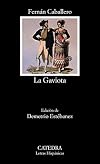
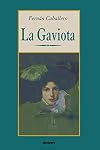
The Sea Gull
by Fernán Caballero
On This Page
Description
Purchase of this book includes free trial access to www.million-books.com where you can read more than a million books for free. This is an OCR edition with typos. Excerpt from book: PREFACE, BY THE TRANSLATOR. Gaviota (sea-gull) is the sobriquet which Andalusians give to harsh-tongued, flighty women of unsympathetic mien and manners; and such was applied to the heroine of this tale by a youthful, malicious tormentor?Momo. Ftrnan Caballero is, indeed, but a pseudonym: the author of this show more novel, passing under that name, is understood to be a lady, partly of German descent. Her father was Don Juan Nicholas Bohl dc Faber, to whose erudition Spain is indebted for a collection of ancient poetry. Cecelia, the daughter of Bohl do Faber, was born at Morgcs, in Switzerland, in 1707, and subsequently married to a Spanish gentleman. Indeed, since the death of her first husband, she lias successively contracted two other marriages, and is now a widow. Wo havo it on tho authority of the Edinburgh Review, that tho novels of this gifted authoress were published at the expense of the Queen. Tho same authority remarks, Hence it might have been foretold, that of the various kinds of novels, the romantic and descriptive was the-least repugnant to the old Spanish spirit; and that in order for a writersuccessfully to undertake such a novel, it would be necessary for him to have a passionate attachment to the national manners and characteristics, and a corresponding dislike to the foreign and new?such are the qualities we find united in Fcrnan Caballcro: La Gaviota is perhaps the finest story in the volumes Its advent is a real literary event: the most sevc.'O critics have dissected this new work, and have unhesitatingly proclaimed the authoress to be the Spanish Walter Scott. Among the painters of manners, the best, without doubt, are the Spanish writers. We are certain to find there truth, joined to a richness and piquancy of details; and, above all, a spirited ... show lessTags
Recommendations























Member Reviews
La Gaviota is considered the first book to begin the literary Realism movement in 19th Century Spain. It tells the story of Mariasalada better known as La Gaviota. A young woman with a beautiful voice, who dreams of one day becoming a star. She eventually moves to Sevilla, Spain where she becomes a well renown artist, but because of her lack of respect for others,selfishness, and overall spitefulness she loses all that she loves, even her most treasured possession; her voice. At the end of the novel she has to humbly return to her hometown and becomes the person she never wanted to be.
Libros de Matias y Carmen. Ed. Orbis - Historia de la Literatura española. Vol. 94
8474614082
8423903648
Dicen que esta novela tiene el mérito de haber servido de puente entre los dramones románticos y las novelas realistas, y puede que sea así, pero yo creo que no llega ni a unos ni a otras. En realidad, más bien parece que la autora ha esbozado una trama extremadamente débil, con personajes muy poco definidos y menos evolutivos, y la utiliza como excusa para exponer literatura popular, por un lado, y para soltarnos sus ideas sobre lo que debe ser y no ser un español de bien, por otro.
En mi opinión, el único mérito de este libro son las multitud de cuentecillos, refranes, chascarrillos, coplas y dichos populares andaluces que se introducen por todas partes, vengan o no a cuento, y que a veces tienen su gracia. También podríamos show more añadir las descripciones de ambientes, aunque aquí ya sospecho que se desliza una idealización destinada a dejar claro lo bien que se vive en una mísera aldea de lo que hoy es Doñana. Lo peor, sin embargo, son los sermones (que, según el editor, fueron suavizados y reducidos en las sucesivas ediciones en vida de la autora) de clara filiación reaccionario sobre lo que deberíamos hacer y no hacer, pensar y no pensar los españoles cabales. Ni siquiera puede decirse que sea una ideología reaccionaria o tridentina, porque lo que ocurre es que las principales sermoneadoras (una por cada parte de la novela, ambas mujeres) acaban definiendo ideas cada vez más restrictivas y personales, que utilizan el pasado como mera excusa para criticar a todos y a todo. En este sentido, esta obra ha recuperado, por desgracia, mucha actualidad, porque hoy sigue habiendo quien empuña un pasado ficticio (ni siquiera mítico, sino sencillamente falso) como argumento indemostrable para marcar la línea entre los buenos y los malos. No cabe duda que Caballero conoce bien este lenguaje y estas actitudes, porque son las suyas y las de su entorno, pero, como digo, lo que más me asusta es que yo también las reconozco a mi alrededor, casi dos siglos después. show less
En mi opinión, el único mérito de este libro son las multitud de cuentecillos, refranes, chascarrillos, coplas y dichos populares andaluces que se introducen por todas partes, vengan o no a cuento, y que a veces tienen su gracia. También podríamos show more añadir las descripciones de ambientes, aunque aquí ya sospecho que se desliza una idealización destinada a dejar claro lo bien que se vive en una mísera aldea de lo que hoy es Doñana. Lo peor, sin embargo, son los sermones (que, según el editor, fueron suavizados y reducidos en las sucesivas ediciones en vida de la autora) de clara filiación reaccionario sobre lo que deberíamos hacer y no hacer, pensar y no pensar los españoles cabales. Ni siquiera puede decirse que sea una ideología reaccionaria o tridentina, porque lo que ocurre es que las principales sermoneadoras (una por cada parte de la novela, ambas mujeres) acaban definiendo ideas cada vez más restrictivas y personales, que utilizan el pasado como mera excusa para criticar a todos y a todo. En este sentido, esta obra ha recuperado, por desgracia, mucha actualidad, porque hoy sigue habiendo quien empuña un pasado ficticio (ni siquiera mítico, sino sencillamente falso) como argumento indemostrable para marcar la línea entre los buenos y los malos. No cabe duda que Caballero conoce bien este lenguaje y estas actitudes, porque son las suyas y las de su entorno, pero, como digo, lo que más me asusta es que yo también las reconozco a mi alrededor, casi dos siglos después. show less
Sep 28, 2024Spanish
Fernán Caballero es el seudónimo de Cecilia Böhl (1796-1877), nacida en suiza.
Oct 5, 2021Spanish
Ratings
Members
- Recently Added By
Author Information

61+ Works 345 Members
Awards and Honors
Notable Lists
Series
Belongs to Publisher Series
Work Relationships
Is contained in
Common Knowledge
- Canonical title
- The Sea Gull
- Original publication date
- 1849 (French original) (French original)
- Original language*
- Español
*Some information comes from Common Knowledge in other languages. Click "Edit" for more information.
Classifications
Statistics
- Members
- 177
- Popularity
- 184,322
- Reviews
- 6
- Rating
- (3.32)
- Languages
- English, Italian, Spanish
- Media
- Paper, Ebook
- ISBNs
- 32
- ASINs
- 10