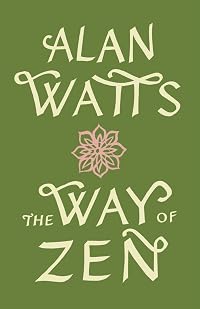
The Way of Zen
by Alan Watts
On This Page
Description
Discover how the understanding and practice of Zen can bring peace and enlightenment into your daily life in this classic work. Narrated by Sean Runnette, this audio program presents Alan Watts's classic bestseller, introducing Western listeners to Zen Buddhism and elaborating on the key concepts including: - The history of Zen - The principles and practice of Zen - The tradition of Za-Zen (meditation) and the Koan - The integration of Zen into every aspect of life. THE WAY OF ZEN presents show more an understandable, inspirational, and spiritually rewarding exploration of Zen Buddhism-a way of liberation-that may be one of the most precious gifts of Asia to the world. show lessTags
Recommendations






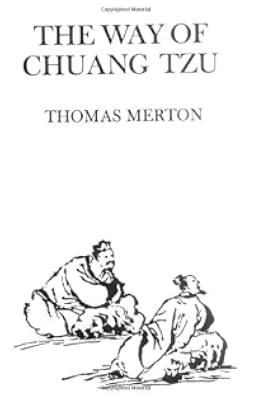

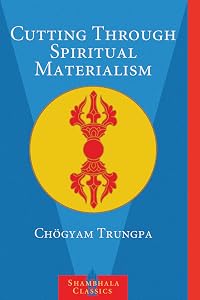
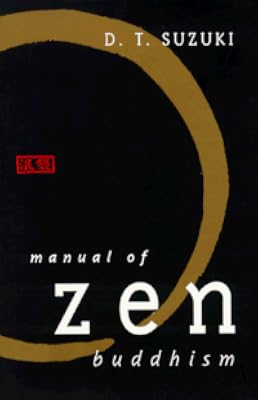
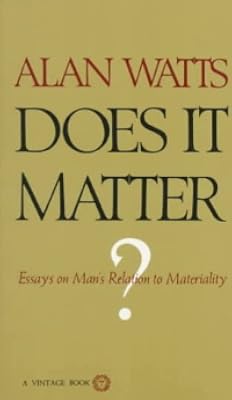







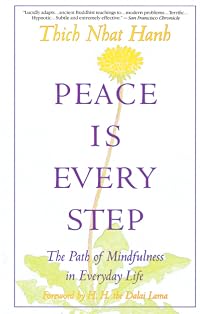
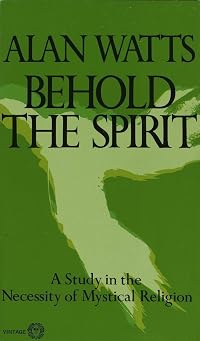
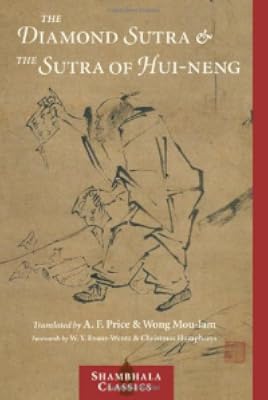

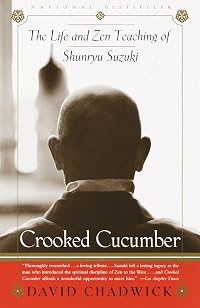
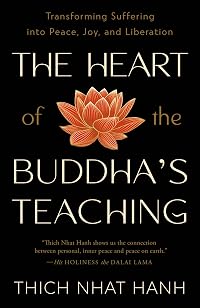
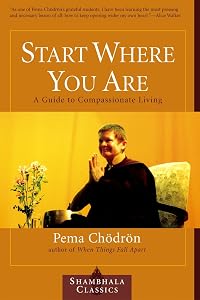
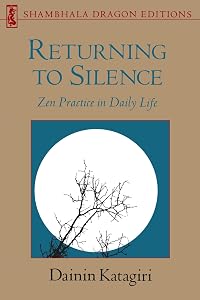
Member Recommendations
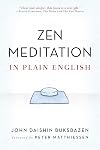
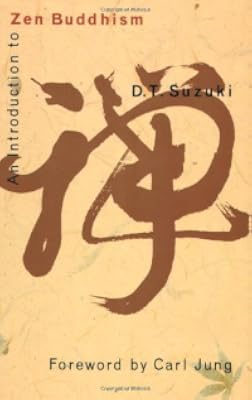
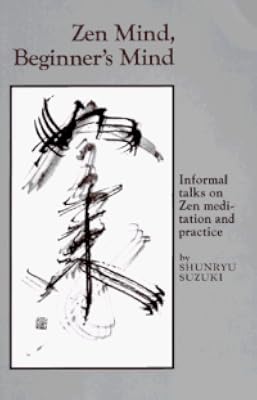
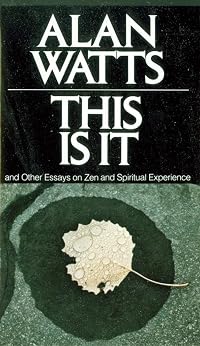
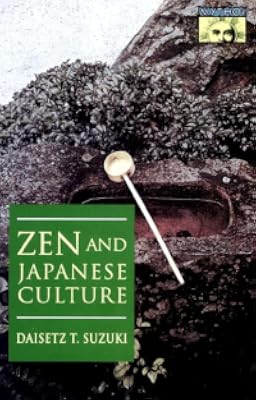
wrmjr66 A good counterpoint, as Watts book is more historical and Buksbazen's book is more experiential.
Member Reviews
In recent years, I've slowly transitioned from someone who was apathetic (if not a bit antagonistic) towards religion in my younger years to a more complicated place. I still wouldn't call myself a believer in any sense, but maybe it's a fact of aging that you notice how certain religious ideas are just *right* in a way that their secular equivalents just can't match. I think the last 10 or so years in the West have presented lots of challenges to the Good Ole Fashioned Liberal Mindset (GOFLM) that I and many of my ilk had previously ascribed to, as much as we may have denied that affiliation. At some point, humanity will have to come to terms with the fact that we can't know everything, and that actually, we shouldn't. I think the show more greatest block that the religious mindset sets out for this kind of person is that there are some insurmountable limits on life and society, and no matter how much "progress" we have, we won't over come them.
The Zen tradition offers lots of interesting ideas to someone caught at this intellectual crossroads. Whereas other religions might try to scare or threaten people into accepting their version of the limits on progress, Zen has no such aspirations. It encourages not only submission to the limits, but a kind of ecstatic appreciation of the beauty that comes from realizing the pitiful extent of which our attempts to control the world actually goes. The GOFLM has brought some freedom for some oppressed people, and has liberated the modern mind from much of the pointless self-flagellation that people in the past used to subject themselves to simply for being different. This "liberation" however has also done much to bound us up in ropes of our own weaving - we are so "conscious" of what we think is making us tick, and so beholden to the manipulative cries to "be ourselves" that we don't even realize that we are obsessing over a phantom.
Zen teaches us to stop spreading our ego out into the diaphanous wraith that tuggings of the world are constants trying to turn us into. When you clear the air of the smog of the past and the haze of the future, you realize that we've all become prisoners of time. I can't imagine what the writers and thinkers that formulated Zen a thousand years ago would think of the way the world has become even more obsessed with time, where so much is built upon clock-ins and clock-outs, chiming alarms, projections and analysis. Zen calls on us to recognize not only that we've become prisoners of time, but also that the prison is completely of our own making, and that with some reflection, it just might be possible to stroll right out of the cell without anyone to stop you.
This line of thinking is, of course, at odds with the reality of how our world is set up in 2023. One thing that makes this book special is the extensive space that Watts spends explaining how the precursors of Zen influenced it, especially Daoism. I remember reading the Dao De Jing in high school and feeling conflicted about a part where Lao Zi talks about how one should deal with an invading army. Lay down your arms, it says, don't resist. The Dao is moving and it is pointless to fight against it. This can feel like the kind of fatalism that comes packed into so many traditions of religious thought, a passivity anathema to the modern mind which is told that it is capable of anything. And yet to fight back is to propagate the violence that is counter to the goal that people actually want: peace. Zen might say that the injustices of the world today, which would seem to be a huge barrier to the kind of liberation from suffering that is its goal, are the result of everyone simply doing too much. To fight against what you see as wrong is also doing too much, just as those who are committing the wrongdoing are doing too much. The idea of a struggle is merely another endless chain of contingency, reliant to its core on false concepts of past and future that are lashing us to the wheel of suffering.
One cool thing about Zen that Watts devotes a whole chapter to is that unlike other religions, to be into the aesthetics of Zen is effectively to be into Zen itself. To ponder a work of a Zen master is to lean towards satori, to ape the Zen lifestyle is to be its most genuine practitioner. Thus, the Zen tradition again sets itself apart from other religious traditions that through ideas of conversion or faith merely bind themselves up in the cage of identity that brings us so much pain. show less
The Zen tradition offers lots of interesting ideas to someone caught at this intellectual crossroads. Whereas other religions might try to scare or threaten people into accepting their version of the limits on progress, Zen has no such aspirations. It encourages not only submission to the limits, but a kind of ecstatic appreciation of the beauty that comes from realizing the pitiful extent of which our attempts to control the world actually goes. The GOFLM has brought some freedom for some oppressed people, and has liberated the modern mind from much of the pointless self-flagellation that people in the past used to subject themselves to simply for being different. This "liberation" however has also done much to bound us up in ropes of our own weaving - we are so "conscious" of what we think is making us tick, and so beholden to the manipulative cries to "be ourselves" that we don't even realize that we are obsessing over a phantom.
Zen teaches us to stop spreading our ego out into the diaphanous wraith that tuggings of the world are constants trying to turn us into. When you clear the air of the smog of the past and the haze of the future, you realize that we've all become prisoners of time. I can't imagine what the writers and thinkers that formulated Zen a thousand years ago would think of the way the world has become even more obsessed with time, where so much is built upon clock-ins and clock-outs, chiming alarms, projections and analysis. Zen calls on us to recognize not only that we've become prisoners of time, but also that the prison is completely of our own making, and that with some reflection, it just might be possible to stroll right out of the cell without anyone to stop you.
This line of thinking is, of course, at odds with the reality of how our world is set up in 2023. One thing that makes this book special is the extensive space that Watts spends explaining how the precursors of Zen influenced it, especially Daoism. I remember reading the Dao De Jing in high school and feeling conflicted about a part where Lao Zi talks about how one should deal with an invading army. Lay down your arms, it says, don't resist. The Dao is moving and it is pointless to fight against it. This can feel like the kind of fatalism that comes packed into so many traditions of religious thought, a passivity anathema to the modern mind which is told that it is capable of anything. And yet to fight back is to propagate the violence that is counter to the goal that people actually want: peace. Zen might say that the injustices of the world today, which would seem to be a huge barrier to the kind of liberation from suffering that is its goal, are the result of everyone simply doing too much. To fight against what you see as wrong is also doing too much, just as those who are committing the wrongdoing are doing too much. The idea of a struggle is merely another endless chain of contingency, reliant to its core on false concepts of past and future that are lashing us to the wheel of suffering.
One cool thing about Zen that Watts devotes a whole chapter to is that unlike other religions, to be into the aesthetics of Zen is effectively to be into Zen itself. To ponder a work of a Zen master is to lean towards satori, to ape the Zen lifestyle is to be its most genuine practitioner. Thus, the Zen tradition again sets itself apart from other religious traditions that through ideas of conversion or faith merely bind themselves up in the cage of identity that brings us so much pain. show less
Be prepared to read this 'instruction' manual a few times. There is great wisdom to be had here but it is a little bit like listening to Bertrand Russel teach about common sense. What starts out as a historical overview of Zen ends up becoming a philosophical explanation and investigation into the various forms of Zen and how they logically work and don't work. It is all there, all the information needed, but you might spend a lifetime decoding it. It will take you several lifetimes learning to practice. Not bad for a book of only 256 pages.
What struck me as peculiar was how Alan Watts' written voice is not as elegant and clear as his speaking voice. That makes me wonder what would have happened if he had read the book out loud and if show more that would have changed the contents. I'm convinced that Mr. Watts had the capability of greatly simplifying and clarifying the work but for some reason opted to compete with academics in the field of philosophy. Because that is the only reason I can see for the peculiar literary style found in the dense pages.
I will read the book many times more but for now all I've learned is how the Indian and Asian forms of Buddhism differ. show less
What struck me as peculiar was how Alan Watts' written voice is not as elegant and clear as his speaking voice. That makes me wonder what would have happened if he had read the book out loud and if show more that would have changed the contents. I'm convinced that Mr. Watts had the capability of greatly simplifying and clarifying the work but for some reason opted to compete with academics in the field of philosophy. Because that is the only reason I can see for the peculiar literary style found in the dense pages.
I will read the book many times more but for now all I've learned is how the Indian and Asian forms of Buddhism differ. show less
LibraryThing Review:
Interesting even for someone who already knows a bit about Zen from other authors, with its description of the historical influence of Tao (and Confucianism) on the philosophy, and giving the reader a good idea of its paradoxicality. Perhaps the book could expatiate a bit on how it's understood and practised by common people, not just monks &c.
In his definitive introduction to Zen Buddhism, Alan Watts explains the principles and practices of this ancient religion to Western readers. With a rare combination of freshness and lucidity, he delves into the origins and history of Zen to explain what it means for the world today with incredible clarity. Watts saw Zen as “one of the most precious gifts of Asia to the show more world,” and in The Way of Zen he gives this gift to readers everywhere. show less
Interesting even for someone who already knows a bit about Zen from other authors, with its description of the historical influence of Tao (and Confucianism) on the philosophy, and giving the reader a good idea of its paradoxicality. Perhaps the book could expatiate a bit on how it's understood and practised by common people, not just monks &c.
In his definitive introduction to Zen Buddhism, Alan Watts explains the principles and practices of this ancient religion to Western readers. With a rare combination of freshness and lucidity, he delves into the origins and history of Zen to explain what it means for the world today with incredible clarity. Watts saw Zen as “one of the most precious gifts of Asia to the show more world,” and in The Way of Zen he gives this gift to readers everywhere. show less
A very difficult book. Alan Watts is clearly convinced that Zen is a great truth and superior in many ways to western thought, but he is not convincing. Much of the problem is tendentiousness. Western thought is said to be limited by mind body dualism, and Zen liberated by using the ""peripheral vision of the mind"" to grasp essential truths about existence. But is western thought limited by the envisioning of a world separate from the self, or emboldened to manipulate that world rather than allowing it to simply exist? The historical summary of thought is confusing, and the repetition of the koans of Zen teaching simply mysterious. Is it really useful to have sitting meditation when monks are beaten to stay awake, or is it, as Watts show more admits, a response to the constraints of oriental politeness? I plan to revisit this book another time, since the simplicity of the doctrine and its lack of a god-centered view of reality is appealing, but I have not yet been able to separate the sensation of satori from terminal boredom. show less
I'm not a huge Watts fan - usually too esoteric for me. But this is a great introduction into Eastern Philosophy. He discusses several major currents in Eastern religious philosophy - from Taoism, Hinduism, the different 'brands' of Buddhism to finally Zen. What I found astonishing about the book is that it does not merely explain - or not explain - but rather give a feeling of what Zen is all about - in true Zen fashion. I keep rereading this one, just to remind myself of its profound insights.
The Way of Zen begins as a succinct guide through the histories of Buddhism and Taoism leading up to the development of Zen Buddhism, which drew deeply from both traditions. It then goes on to paint a broad but insightful picture of Zen as it was and is practiced, both as a religion and as an element of diverse East Asian arts and disciplines. Watts's narrative clears away the mystery while enhancing the mystique of Zen.Since the first publication of this book in 1957, Zen Buddhism has become firmly established in the West. As Zen has taken root in Western soil, it has incorporated much of the attitude and approach set forth by Watts in The Way of Zen , which remains one of the most important introductory books in Western Zen."No one show more has given us such a concise . . . introduction to the whole history of this Far Eastern development of Buddhist thought as Alan Watts, in the present, highly readable work." --Joseph Campbell show less
The Way of Zen, by Alan W. Watts is a scholarly popularization of Zen Buddhism, written in 1957. It has the bibliography, notes and index of a scholarly book, but the looser style of a book written for real people. In the author's opinion, Zen cannot be understood in a purely literary or scholarly method. The author is, therefore, a participant observer. He attempts to put it within a context understandable by the Western mind, I think he is successful in that attempt.
The book is divided into 2 parts. The first part gives us the context for Zen. The background and history includes information on how the Eastern mind-set differs from the Western mind-set and how this informs the study of Zen. He discusses the Chinese tradition of Tao show more (the Way), Buddhism in general, and how they joined to create Zen. The second part of the book is about Zen principles and practices; empty mind, still body, contemplating koans (sayings), and creating art in stillness.
In the beginning, Watts reminds us how much our conventions and mind-sets informs our understanding. When we say the word fist, it is a noun, a thing. It is not a part of our body or an action we have chosen to take. Thus we can ask “what happens to my fist [noun-object] when I open my hand?”(p.5). Because our conventions are different from Asian conventions it is difficult to study Zen using translated Asian texts. We are missing the context. “... so that one who thinks in Chinese has little difficulty in seeing that objects are also events, that our world is a collection of processes rather than entities.” (p.5) It then takes pages of examples, explanations, quotations and analysis to get the feel of Tao and wu-wei. Wu is non or not, wei is action, doing, striving, busyness or grasping. Other concepts from the Tao are also expressed. The next chapters deal with India's religious background, Buddhism, how Buddhism changed when it became accepted in China, and the beginning of Ch'an (China) and Zen (Japan).
The book goes gingerly, step-by-step along the path of understanding, yet it never condescends. In Watt's words, the difference between Zen and other meditation traditions of Buddhism is the feeling that “awakening” is quite natural and possible to attain in this lifetime, at any moment. Your regular family life and duties can continue to be fulfilled while you experience the “thunderous silence” of enlightenment.
The second part of the book, the principles and practices of Zen are understandable because of the context explained in the first part of the book.
I thoroughly enjoyed revisiting this old friend for this review. show less
The book is divided into 2 parts. The first part gives us the context for Zen. The background and history includes information on how the Eastern mind-set differs from the Western mind-set and how this informs the study of Zen. He discusses the Chinese tradition of Tao show more (the Way), Buddhism in general, and how they joined to create Zen. The second part of the book is about Zen principles and practices; empty mind, still body, contemplating koans (sayings), and creating art in stillness.
In the beginning, Watts reminds us how much our conventions and mind-sets informs our understanding. When we say the word fist, it is a noun, a thing. It is not a part of our body or an action we have chosen to take. Thus we can ask “what happens to my fist [noun-object] when I open my hand?”(p.5). Because our conventions are different from Asian conventions it is difficult to study Zen using translated Asian texts. We are missing the context. “... so that one who thinks in Chinese has little difficulty in seeing that objects are also events, that our world is a collection of processes rather than entities.” (p.5) It then takes pages of examples, explanations, quotations and analysis to get the feel of Tao and wu-wei. Wu is non or not, wei is action, doing, striving, busyness or grasping. Other concepts from the Tao are also expressed. The next chapters deal with India's religious background, Buddhism, how Buddhism changed when it became accepted in China, and the beginning of Ch'an (China) and Zen (Japan).
The book goes gingerly, step-by-step along the path of understanding, yet it never condescends. In Watt's words, the difference between Zen and other meditation traditions of Buddhism is the feeling that “awakening” is quite natural and possible to attain in this lifetime, at any moment. Your regular family life and duties can continue to be fulfilled while you experience the “thunderous silence” of enlightenment.
The second part of the book, the principles and practices of Zen are understandable because of the context explained in the first part of the book.
I thoroughly enjoyed revisiting this old friend for this review. show less
Members
- Recently Added By
Lists

Used books to buy next
565 works; 1 member

Books Read in 2020
4,379 works; 124 members

Five star books
1,767 works; 110 members
Author Information

106+ Works 10,319 Members
Some Editions
Series
Belongs to Publisher Series
Work Relationships
Common Knowledge
- Original title
- The Way of Zen
- Original publication date
- 1957
- Dedication
- To TIA, MARK, AND RICHARD who will understand it all the better for not being able to read it.
- Original language
- English
Classifications
- Genres
- Religion & Spirituality, Nonfiction, Philosophy, General Nonfiction
- DDC/MDS
- 181 — Philosophy & psychology Ancient, medieval & eastern philosophy Eastern philosophy
- LCC
- BL1432 .Z4 .W33 — Philosophy, Psychology and Religion Religions. Mythology. Rationalism Religions. Mythology. Rationalism History and principles of religions Asian. Oriental By religion
- BISAC
Statistics
- Members
- 2,977
- Popularity
- 6,035
- Reviews
- 36
- Rating
- (3.99)
- Languages
- 10 — Czech, Dutch, English, Finnish, French, German, Italian, Polish, Russian, Spanish
- Media
- Paper, Audiobook, Ebook
- ISBNs
- 43
- UPCs
- 1
- ASINs
- 33