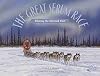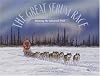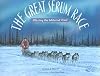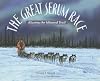
The Great Serum Race: Blazing the Iditarod Trail
by Debbie S. Miller, Jon van Zyle (Illustrator)
On This Page
Description
The story of the heroic role played by sled dogs, including the Siberian husky Togo, in the delivery of antitoxin serum to those stricken with diphtheria in 1925 Nome. Includes historical notes about the event as well as about the Iditarod Sled Dog Race which commemorates it.Tags
Recommendations










Member Reviews
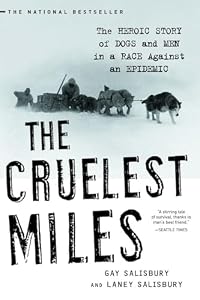
Really enjoyed the book! Great artwork. Nice telling of the story with a lot of details other books like to leave out. Obviously not as much details as The Cruelest Miles: The Heroic Story of Dogs and Men in a Race Against an Epidemic by Gay Salisbury and Laney Salisbury, but concise details that cover a lot. Before it seemed like all I heard about is Balta, and now it seems like there is a lot of books out there on Togo. This book puts the emphasis on more of the dogs and the people than either dog or on Seppala.
It mentions the 4 that died in the race. I am told you don't want to sled with dogs outside of -40 and +40, and some of dog teams still chose to go help even when it was below -40. For two of Charlie Evens dogs, the book show more says:
"In the struggle to save the lives of Nome's residents, these two dog would fall victim to the deadly weather."
The book also talks about how Balto and Fox lead Gunnar Kaasen's dogs, and in the details in the end how Fox was not mentioned because a reporter in Nome preferred the name 'Balto' as a dog name for his news story.
Good story to have youth read, or read to children. I think even the tough (but brief) parts where it mentions that dogs died is a good fact to discuss with children about risks and sacrifices sometimes needed. Artwork is great. Glad I have the book. show less
It mentions the 4 that died in the race. I am told you don't want to sled with dogs outside of -40 and +40, and some of dog teams still chose to go help even when it was below -40. For two of Charlie Evens dogs, the book show more says:
"In the struggle to save the lives of Nome's residents, these two dog would fall victim to the deadly weather."
The book also talks about how Balto and Fox lead Gunnar Kaasen's dogs, and in the details in the end how Fox was not mentioned because a reporter in Nome preferred the name 'Balto' as a dog name for his news story.
Good story to have youth read, or read to children. I think even the tough (but brief) parts where it mentions that dogs died is a good fact to discuss with children about risks and sacrifices sometimes needed. Artwork is great. Glad I have the book. show less
Really enjoyed the book! Great artwork. Nice telling of the story with a lot of details other books like to leave out. Obviously not as much details as The Cruelest Miles: The Heroic Story of Dogs and Men in a Race Against an Epidemic by Gay Salisbury and Laney Salisbury, but concise details that cover a lot. Before it seemed like all I heard about is Balta, and now it seems like there is a lot of books out there on Togo. This book puts the emphasis on more of the dogs and the people than either dog or on Seppala.
It mentions the 4 that died in the race. I am told you don't want to sled with dogs outside of -40 and 40, and some of dog teams still chose to go help even when it was below -40. For two of Charlie Evens dogs, the book show more says:
"In the struggle to save the lives of Nome's residents, these two dog would fall victim to the deadly weather."
The book also talks about how Balto and Fox lead Gunnar Kaasen's dogs, and in the details in the end how Fox was not mentioned because a reporter in Nome preferred the name 'Balto' as a dog name for his news story.
Good story to have youth read, or read to children. I think even the tough (but brief) parts where it mentions that dogs died is a good fact to discuss with children about risks and sacrifices sometimes needed. Artwork is great. Glad I have the book. show less
It mentions the 4 that died in the race. I am told you don't want to sled with dogs outside of -40 and 40, and some of dog teams still chose to go help even when it was below -40. For two of Charlie Evens dogs, the book show more says:
"In the struggle to save the lives of Nome's residents, these two dog would fall victim to the deadly weather."
The book also talks about how Balto and Fox lead Gunnar Kaasen's dogs, and in the details in the end how Fox was not mentioned because a reporter in Nome preferred the name 'Balto' as a dog name for his news story.
Good story to have youth read, or read to children. I think even the tough (but brief) parts where it mentions that dogs died is a good fact to discuss with children about risks and sacrifices sometimes needed. Artwork is great. Glad I have the book. show less
The Great Serum Race is a historical perspective of the first Iditarod run. Nome, Alaska experienced a diphtheria outbreak during the winter of 1925. Anchorage, Alaska was the only city with the needed anti-toxin serum needed to help lift the quarantine. Twenty mushing teams were gathered to bring the serum in the blizzard subzero conditions over 600 miles. The relay race was completed in 6 days, which is commemorated every year in March, by the Iditarod Trail Sled Dog race.
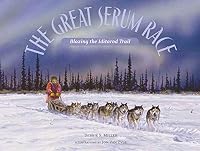
I loved the illustrations for the book. They were full page illustrations, which helps progress the story. The paintings portray the native Alaskans, and the Northern Lights well. These can be things readers are not familiar with. The pictures helped display weather show more conditions, and even made me feel cold as a reader.
The story itself presented the story simply. The language was not too complicated. I found I wanted to get through the story to see if the town of Nome was able to get the serum. Especially since the temperatures were so extremely low, and the package had been lost.
The main theme of the book was to give a background and the significance of the first Iditarod. show less
I loved the illustrations for the book. They were full page illustrations, which helps progress the story. The paintings portray the native Alaskans, and the Northern Lights well. These can be things readers are not familiar with. The pictures helped display weather show more conditions, and even made me feel cold as a reader.
The story itself presented the story simply. The language was not too complicated. I found I wanted to get through the story to see if the town of Nome was able to get the serum. Especially since the temperatures were so extremely low, and the package had been lost.
The main theme of the book was to give a background and the significance of the first Iditarod. show less
Non-Fiction: Picturebook
Miller, Debbie The Great Serum Race. Illust. by Jon Van Zyle. Walker & Co., 2002. Unp. Middle school
In the winter of 1925, Nome, Alaska, was struck by an outbreak of diphtheria. The only cure was the antitoxin serum located in Anchorage. As the only way to get it to Nome was by dogsled, twenty teams travelled for 600 miles in six days in a brutal relay race. Some of the dogs, including Togo and Balto, became heroes. This event is commemorated every March with the Iditarod Trail Sled Dog Race. Told in the third person point of view, this informative, heartwarming story has an historical survival theme.
Jon Van Zyle’s wonderful oil paintings depict the extreme conditions and beauty of the land.
AK: Nome, show more Anchorage, Sled Dogs, Iditarod, Alaskan places and history
Activities: This would be a great book to read in class right before the Iditarod Race starts in the spring. Have the students follow the teams and their route on a large classroom map for the duration of the race. Ask them how it is different today than it was for those early dogs and mushers. show less
Miller, Debbie The Great Serum Race. Illust. by Jon Van Zyle. Walker & Co., 2002. Unp. Middle school
In the winter of 1925, Nome, Alaska, was struck by an outbreak of diphtheria. The only cure was the antitoxin serum located in Anchorage. As the only way to get it to Nome was by dogsled, twenty teams travelled for 600 miles in six days in a brutal relay race. Some of the dogs, including Togo and Balto, became heroes. This event is commemorated every March with the Iditarod Trail Sled Dog Race. Told in the third person point of view, this informative, heartwarming story has an historical survival theme.
Jon Van Zyle’s wonderful oil paintings depict the extreme conditions and beauty of the land.
AK: Nome, show more Anchorage, Sled Dogs, Iditarod, Alaskan places and history
Activities: This would be a great book to read in class right before the Iditarod Race starts in the spring. Have the students follow the teams and their route on a large classroom map for the duration of the race. Ask them how it is different today than it was for those early dogs and mushers. show less
Ratings
Members
- Recently Added By
Author Information
19+ Works 1,703 Members
All Editions
Awards and Honors
Awards
Common Knowledge
- Original publication date
- 2002
- People/Characters
- Togo
- Important events
- 1925 serum run to Nome
Classifications
Statistics
- Members
- 310
- Popularity
- 102,736
- Reviews
- 5
- Rating
- (4.25)
- Languages
- English
- Media
- Paper
- ISBNs
- 8
- ASINs
- 2