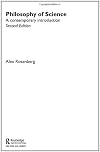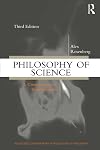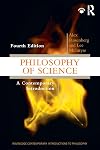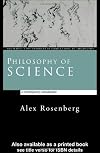
Philosophy of Science: A Contemporary Introduction
by Alex Rosenberg
Routledge Contemporary Introductions to Philosophy
On This Page
Description
"Any serious student attempting to better understand the nature, methods, and justification of science will value Alex Rosenberg's updated and substantially revised Third Edition of Philosophy of Science: A Contemporary Introduction. Weaving lucid explanations with clear analyses, the volume is as a much-used, thematically oriented introduction to the field. New features of the Third Edition include more coverage of the history of the philosophy of science, more fully developed material on show more the metaphysics of causal and physical necessity, more background on the contrast between empiricism and rationalism in science, and new material on the structure of theoretical science (with expanded coverage of Newtonian and Darwinian theories and models) and the realism/antirealism controversy. Rosenberg also divides the Third Edition into fourteen chapters, aligning each chapter with a week in a standard semester-long course. Updated Discussion Questions, Glossary, Bibliography and Suggested Readings lists at the end of each chapter will make the Third Edition indispensable, either as a comprehensive stand-alone text or alongside the many wide ranging collections of articles and book excerpts currently available"-- show lessTags
Recommendations































Member Reviews
SUMÁRIO:
[011] - Agradecimentos.
(.)
[013] - 01 POR QUE FILOSOFIA DA CIÊNCIA?
[013] - 01.01 Visão Geral;
[013] - 01.01.01 A relação entre ciência e filosofia;
[018] - 01.01.02 Questões científicas e questões sobre ciência;
[021] - 01.01.03 A ciência moderna como filosofia;
[027] - 01.01.04 Ciência e civilização ocidental.
(.)
[033] - 01.02 RESUMO;
[033] - 01.03 QUESTÕES DE ESTUDO;
[034] - 01.04 SUGESTÕES DE LEITURA.
(.)
[037] - 02 EXPLICAÇÃO, CAUSAÇÃO E LEIS
[037] - 02.01 Visão Geral;
[038] - 02.01.01 O positivismo lógico estabelece a agenda;
[042] - 02.01.02 Definindo a explicação científica;
[051] - 02.01.03 Por que as leis explicam?
[056] - 02.01.04 Contraexemplos e a pragmática da explicação.
(.)
[065] - 02.02 RESUMO;
[066] - show more 02.03 QUESTÕES DE ESTUDO;
[066] - 02.04 SUGESTÕES DE LEITURA.
(.)
[069] - 03 EXPLICAÇÃO CIENTÍFICA E SEUS DISSABORES
[069] - 03.01 Visão Geral;
[070] - 03.01.01 Leis inexatas e probabilidades;
[079] - 03.01.02 Causação teleologia;
[085] - 03.01.03 Da inelegibilidade à necessidade.
(.)
[091] - 03.02 RESUMO;
[092] - 03.03 QUESTÕES DE ESTUDO;
[093] - 03.04 SUGESTÕES DE LEITURA.
(.)
[095] - 04 A ESTRUTURA E A METAFÍSICA DAS TEORIAS CIENTÍFICAS
[095] - 04.01 Visão Geral;
[097] - 04.01.01 Como as teorias funcionam?
[109] - 04.01.02 Redução, substituição e o progresso da ciência;
[113] - 04.01.03 O problema dos termos teóricos e as coisas que eles nomeiam;
[129] - 04.01.04 Teorias e modelos;
[136] - 04.01.05 Um estudo de caso: a teoria da seleção natural.
(.)
[142] - 04.02 RESUMO;
[144] - 04.03 QUESTÕES DE ESTUDO;
[144] - 04.04 SUGESTÕES DE LEITURA.
(.)
[147] - 05 A EPISTEMOLOGIA DA TEORIZAÇÃO CIENTÍFICA
[147] - 05.01 Visão Geral;
[148] - 05.01.01 Uma breve história do empirismo como epistemologia da ciência;
[152] - 05.01.02 A epistemologia do teste científico;
[157] - 05.01.03 A indução como pseudoproblema: a estratégia de Popper;
[163] - 05.01.04 Estatísticas e probabilidades são a salvação?
[179] - 05.01.05 Subdeterminação.
(.)
[181] - 05.02 RESUMO;
[183] - 05.03 QUESTÕES DE ESTUDO;
[184] - 05.04 SUGESTÕES DE LEITURA.
(.)
[187] - 06 O DESAFIO DA HISTÓRIA E DO PÓS-POSITIVISMO
[187] - 06.01 Visão Geral;
[188] - 06.01.01 Um lugar para a história?
[201] - 06.01.02 Há lugar para a filosofia primeira?
[209] - 06.01.03 São os programas de pesquisa científica racionais?
(.)
[214] - 06.02 RESUMO;
[216] - 06.03 QUESTÕES DE ESTUDO;
[216] - 06.04 SUGESTÕES DE LEITURA.
(.)
[219] - 07 O CARÁTER DUVIDOSO DA CIÊNCIA E AS QUESTÕES FUNDAMENTAS DA FILOSOFIA
[219] - 07.01 Visão Geral;
[220] - 07.01.01 Ao longo da história, da filosofia ao pós-modernismo
[230] - 07.01.02 Cientificismo, sexismo e verdades significativas
[236] - 07.01.03 Liderando com o relativismo: poderia a Terra ser realmente plana?
(.)
[245] - 07.02 RESUMO;
[246] - 07.03 QUESTÕES DE ESTUDO;
[246] - 07.04 SUGESTÕES DE LEITURA.
(.)
[249] - Glossário.
(.)
[259] - Bibliografia.
(.)
[263] - Índice de nomes.
(.) show less
[011] - Agradecimentos.
(.)
[013] - 01 POR QUE FILOSOFIA DA CIÊNCIA?
[013] - 01.01 Visão Geral;
[013] - 01.01.01 A relação entre ciência e filosofia;
[018] - 01.01.02 Questões científicas e questões sobre ciência;
[021] - 01.01.03 A ciência moderna como filosofia;
[027] - 01.01.04 Ciência e civilização ocidental.
(.)
[033] - 01.02 RESUMO;
[033] - 01.03 QUESTÕES DE ESTUDO;
[034] - 01.04 SUGESTÕES DE LEITURA.
(.)
[037] - 02 EXPLICAÇÃO, CAUSAÇÃO E LEIS
[037] - 02.01 Visão Geral;
[038] - 02.01.01 O positivismo lógico estabelece a agenda;
[042] - 02.01.02 Definindo a explicação científica;
[051] - 02.01.03 Por que as leis explicam?
[056] - 02.01.04 Contraexemplos e a pragmática da explicação.
(.)
[065] - 02.02 RESUMO;
[066] - show more 02.03 QUESTÕES DE ESTUDO;
[066] - 02.04 SUGESTÕES DE LEITURA.
(.)
[069] - 03 EXPLICAÇÃO CIENTÍFICA E SEUS DISSABORES
[069] - 03.01 Visão Geral;
[070] - 03.01.01 Leis inexatas e probabilidades;
[079] - 03.01.02 Causação teleologia;
[085] - 03.01.03 Da inelegibilidade à necessidade.
(.)
[091] - 03.02 RESUMO;
[092] - 03.03 QUESTÕES DE ESTUDO;
[093] - 03.04 SUGESTÕES DE LEITURA.
(.)
[095] - 04 A ESTRUTURA E A METAFÍSICA DAS TEORIAS CIENTÍFICAS
[095] - 04.01 Visão Geral;
[097] - 04.01.01 Como as teorias funcionam?
[109] - 04.01.02 Redução, substituição e o progresso da ciência;
[113] - 04.01.03 O problema dos termos teóricos e as coisas que eles nomeiam;
[129] - 04.01.04 Teorias e modelos;
[136] - 04.01.05 Um estudo de caso: a teoria da seleção natural.
(.)
[142] - 04.02 RESUMO;
[144] - 04.03 QUESTÕES DE ESTUDO;
[144] - 04.04 SUGESTÕES DE LEITURA.
(.)
[147] - 05 A EPISTEMOLOGIA DA TEORIZAÇÃO CIENTÍFICA
[147] - 05.01 Visão Geral;
[148] - 05.01.01 Uma breve história do empirismo como epistemologia da ciência;
[152] - 05.01.02 A epistemologia do teste científico;
[157] - 05.01.03 A indução como pseudoproblema: a estratégia de Popper;
[163] - 05.01.04 Estatísticas e probabilidades são a salvação?
[179] - 05.01.05 Subdeterminação.
(.)
[181] - 05.02 RESUMO;
[183] - 05.03 QUESTÕES DE ESTUDO;
[184] - 05.04 SUGESTÕES DE LEITURA.
(.)
[187] - 06 O DESAFIO DA HISTÓRIA E DO PÓS-POSITIVISMO
[187] - 06.01 Visão Geral;
[188] - 06.01.01 Um lugar para a história?
[201] - 06.01.02 Há lugar para a filosofia primeira?
[209] - 06.01.03 São os programas de pesquisa científica racionais?
(.)
[214] - 06.02 RESUMO;
[216] - 06.03 QUESTÕES DE ESTUDO;
[216] - 06.04 SUGESTÕES DE LEITURA.
(.)
[219] - 07 O CARÁTER DUVIDOSO DA CIÊNCIA E AS QUESTÕES FUNDAMENTAS DA FILOSOFIA
[219] - 07.01 Visão Geral;
[220] - 07.01.01 Ao longo da história, da filosofia ao pós-modernismo
[230] - 07.01.02 Cientificismo, sexismo e verdades significativas
[236] - 07.01.03 Liderando com o relativismo: poderia a Terra ser realmente plana?
(.)
[245] - 07.02 RESUMO;
[246] - 07.03 QUESTÕES DE ESTUDO;
[246] - 07.04 SUGESTÕES DE LEITURA.
(.)
[249] - Glossário.
(.)
[259] - Bibliografia.
(.)
[263] - Índice de nomes.
(.) show less
Jul 27, 2015Portuguese (Brazil)
Ratings
Members
- Recently Added By
Author Information

21 Works 1,086 Members
Alexander Rosenberg is R. Taylor Cole Professor of Philosophy at Duke University. He is the author of many books and papers in the philosophy of science, including The Philosophy of Science: A Contemporary Approach, The Philosophy of Biology: A Contemporary Approach, and Economics-Mathematical Politics or Science of Diminishing Returns? (winner of show more the prestigious Lakatos Prize). In 2007, he was the national Phi Beta Kappa Romanell lecturer in philosophy. show less
Series

Common Knowledge
- Canonical title
- Philosophy of Science: A Contemporary Introduction
- Original publication date
- 2000
- Dedication
- for Martha Ellen Reeves
- First words
- Overview -- Philosophy of science is a difficult subject to define in large part because philosophy is difficult to define. But on at least one controversial definition of philosophy, the relation between the sciences -- phys... (show all)ical, biological, social, and behavioral -- and philosophy are so close that philosophy of science must be a central concern of both philosophers and scientists. On this definition, philosophy deals initially with the questions which the sciences cannot yet or perhaps can never answer, and with the further questions of why the sciences cannot answer these questions.
- Last words
- (Click to show. Warning: May contain spoilers.)As is evident from a survey of obvious moves in the attempt to restore the fortunes of an empiricist theory of knowledge and metaphysics as well as an empiricist account of language, easy solutions will not avail, and there is still much work to be done by philosophy if we are to understand fully the nature of science. Our project must include an understanding of catergorization [sic] and observation, both philosophically and psychologically. We must clarify the relations between meaning and reference, and develop an epistemology adequate to deal with underdetermination or to show that it does not obtain, and the philosophy of science must come more fully to grips with the history of science. These are all tasks for a naturalistic philosophy.
- Publisher's editor
- Moser, Paul K.
Classifications
Statistics
- Members
- 190
- Popularity
- 172,969
- Reviews
- 1
- Rating
- (3.36)
- Languages
- English, Portuguese, Turkish
- Media
- Paper, Ebook
- ISBNs
- 17
- ASINs
- 2