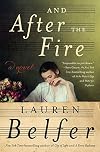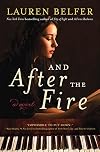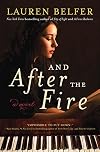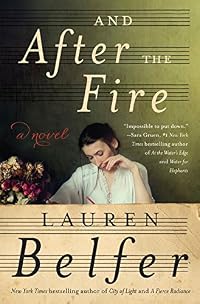
And After the Fire
by Lauren Belfer
On This Page
Description
"A new powerful and passionate novel--inspired by historical events--about two women, one European and one American, and the mysterious choral masterpiece by Johann Sebastian Bach that changes both their lives. In the ruins of Germany in 1945, at the end of World War II, American soldier Henry Sachs takes a souvenir, an old music manuscript, from a seemingly deserted mansion and mistakenly kills the girl who tries to stop him. In America in 2010, Henry's niece, Susanna Kessler, struggles to show more rebuild her life after she experiences a devastating act of violence on the streets of New York City. When Henry dies soon after, she uncovers the long-hidden music manuscript. She becomes determined to discover what it is and to return it to its rightful owner, a journey that will challenge her preconceptions about herself and her family's history--and also offer her an opportunity to finally make peace with the past. In Berlin, Germany, in 1796, amid the city's glittering salons where aristocrats and commoners, Christians and Jews, mingle freely despite simmering anti-Semitism, Sara Itzig Levy, a renowned musician, conceals the manuscript of an anti-Jewish cantata by Johann Sebastian Bach, an unsettling gift to her from Bach's son, her teacher. This work and its disturbing message will haunt Sara and her family for generations to come. Interweaving the stories of Susanna and Sara, and their families, And After the Fire traverses over two hundred years of history, from the eighteenth century through the Holocaust and into today, seamlessly melding past and present, real and imagined."-- show lessTags
Recommendations


























Member Reviews
Exceptional! Follows the history of wealthy German Jews in the late 18th through the 19th Century and into current times. Sara, brilliant daughter of wealthy banker Daniel Itzig, is tutored on harpsichord by William Bach, Johann Sebastian Bach's son. They grow close over the many years of lessons. Before her wedding he leaves her a manuscript that is egregiously distressing; he doesn't want it to fall into the wrong hands. Sara is happy in her marriage, but it is cut short when her husband, Samuel dies prematurely. She has no children but encourages her many nieces and nephews and as she ages, their children as well. She leaves the disconcerting manuscript to her favorite niece, Fanny, who unfortunately dies too young. Fanny's youngest show more brother then leaves it to his doctor, who passes it on to his daughter's family. It is found many years later at the end of WWII.
Susanna Kessler works in New York City for the Barstow Foundation, a philanthropic organization. She helps to decide which public schools receive financial support for libraries, and other worthy endeavors. She also monitors the progress and success of the grants given. After a shocking double-edged tragedy, she learns of her Uncle Henry's death in Buffalo. She inherits a number of musical manuscripts by Bach.
She is not musically trained and wants to know more of what she has been gifted. She reaches out to Dan, a professional music professor to learn about the manuscript. He is skeptical about the provenance of the manuscript, but he recognizes her intelligence and desire to know more. When he believes the manuscript definitely dates back to the days of Bach, he brings on his friend, Scott, another music professional. The two continue researching and discussing the very disturbing manuscript with Susanna. She insists on keeping their research and conversations confidential.
An extraordinary novel about the all-encompassing world of classical music in Berlin, and Weimar. It includes some of the political perspectives of the time, and the passion for musical training and endless social gathering for performances. Just below the surface, we can see the desperate feelings of the Jews wanting to fit into their not so friendly society. That doesn’t surprise me, but what does is how little I know about Martin Luther, particularly his mission statement of hate: ‘On the Jews and Their Lies.’
Despite my not knowing much about Classical Music, or about Prussia, Germany or Martin Luther, I found the book stunningly well-written, informative, compelling, heartbreaking and hopeful. And more. show less
Susanna Kessler works in New York City for the Barstow Foundation, a philanthropic organization. She helps to decide which public schools receive financial support for libraries, and other worthy endeavors. She also monitors the progress and success of the grants given. After a shocking double-edged tragedy, she learns of her Uncle Henry's death in Buffalo. She inherits a number of musical manuscripts by Bach.
She is not musically trained and wants to know more of what she has been gifted. She reaches out to Dan, a professional music professor to learn about the manuscript. He is skeptical about the provenance of the manuscript, but he recognizes her intelligence and desire to know more. When he believes the manuscript definitely dates back to the days of Bach, he brings on his friend, Scott, another music professional. The two continue researching and discussing the very disturbing manuscript with Susanna. She insists on keeping their research and conversations confidential.
An extraordinary novel about the all-encompassing world of classical music in Berlin, and Weimar. It includes some of the political perspectives of the time, and the passion for musical training and endless social gathering for performances. Just below the surface, we can see the desperate feelings of the Jews wanting to fit into their not so friendly society. That doesn’t surprise me, but what does is how little I know about Martin Luther, particularly his mission statement of hate: ‘On the Jews and Their Lies.’
Despite my not knowing much about Classical Music, or about Prussia, Germany or Martin Luther, I found the book stunningly well-written, informative, compelling, heartbreaking and hopeful. And more. show less
While cleaning out her recently deceased uncle’s home, Susanna Kessler discovers an old manuscript that appears to be a previously unknown cantata by Johann Sebastian Bach. A letter with it explains that her uncle, a soldier during WWII, had discovered the document in an abandoned mansion in Germany. She takes the document to Daniel Erhardt, an expert on Bach, who at first is sure that it is a fraud.
However, eventually, he is convinced that it is real. But now he and Susanna are faced with a moral dilemma - the music, although undeniably beautiful, is accompanied by words taken from a virulently anti-Semitic sermon by Martin Luther. Daniel, raised Lutheran and Susanna, who is Jewish, must decide what to do with the document which is show more likely worth millions. Given the power of music to create strong passions, do they release this previously unknown piece by one of the greatest composers in history even though its release could have severe consequences or do they hide it away?
Alternating with their present day dilemma is the history of the cantata from its gifting by Bach’s son to his favourite pupil, Sarah, a young Jewish girl on the eve of her marriage. It is a burden she is not sure she wants or understands but eventually she and her new husband decide that she was given the cantata, not as an insult but so that she can dispose of it as she chooses. They decide that to release it would be dangerous. However, they cannot bring themselves to destroy it so instead they will keep it hidden. In its subsequent passage through several generations faced with the same dilemma, each must make their own choice.
And After the Fire by author Lauren Belfour is a powerful and beautifully written novel about how the moral questions of history including those surrounding works of art are never fully left in the past but continue to have an impact on the present. The story is told across generations, centuries, and continents and is peopled by both fictional and non-fictional characters including, along with Wilhelm Bach, Beethoven, and interestingly Sarah herself who was the real great aunt of Felix and Fanny Mendelssohn, both composers and both having roles in the novel. The cantata is fictional. In the end though, this is a compelling tale about two strong, intelligent women living centuries apart, who, when faced with the same important moral question, must make their own decision about how to deal with an important but dangerous work of art. show less
However, eventually, he is convinced that it is real. But now he and Susanna are faced with a moral dilemma - the music, although undeniably beautiful, is accompanied by words taken from a virulently anti-Semitic sermon by Martin Luther. Daniel, raised Lutheran and Susanna, who is Jewish, must decide what to do with the document which is show more likely worth millions. Given the power of music to create strong passions, do they release this previously unknown piece by one of the greatest composers in history even though its release could have severe consequences or do they hide it away?
Alternating with their present day dilemma is the history of the cantata from its gifting by Bach’s son to his favourite pupil, Sarah, a young Jewish girl on the eve of her marriage. It is a burden she is not sure she wants or understands but eventually she and her new husband decide that she was given the cantata, not as an insult but so that she can dispose of it as she chooses. They decide that to release it would be dangerous. However, they cannot bring themselves to destroy it so instead they will keep it hidden. In its subsequent passage through several generations faced with the same dilemma, each must make their own choice.
And After the Fire by author Lauren Belfour is a powerful and beautifully written novel about how the moral questions of history including those surrounding works of art are never fully left in the past but continue to have an impact on the present. The story is told across generations, centuries, and continents and is peopled by both fictional and non-fictional characters including, along with Wilhelm Bach, Beethoven, and interestingly Sarah herself who was the real great aunt of Felix and Fanny Mendelssohn, both composers and both having roles in the novel. The cantata is fictional. In the end though, this is a compelling tale about two strong, intelligent women living centuries apart, who, when faced with the same important moral question, must make their own decision about how to deal with an important but dangerous work of art. show less
Lauren Belfer's "And After the Fire" spans hundreds of years—from eighteenth century Prussia to twenty-first century New York City. The focus is a piece of music--ostensibly composed by Johann Sebastian Bach--that was never publicly performed. Why was it hidden for centuries? In 2010, Susanna Kessler, a thirty-four year old woman who works for a philanthropic foundation, finds what appears to be a Bach cantata that her uncle acquired during the Second World War. Kessler asks a noted scholar, Professor Daniel Erhardt, to authenticate the manuscript. She knows that if her discovery turns out to be a previously unknown composition by the great master, she will need expert advice on what steps she should take next.
The author skillfully show more blends fact and fiction, and has done prodigious research to lend authenticity to her depiction of such real-life characters as Felix Mendelssohn, his sister Fanny, and Sara Itzig Levy. Mrs. Levy, the daughter of Frederick the Great's banker, Daniel Itzig, was a brilliant harpsichordist and prized student of Wilhelm Friedemann Bach. Sara had a large and loving family, many of whom were also musically talented. This book explores the limitations placed on such accomplished women as Sara and Fanny, and the undercurrents of anti-Semitism that existed even when affluent Jews were prominent members of Berlin society. Martin Luther and others planted seeds of hatred towards Jews that would bear poisonous fruit during the Nazi era.
"And After the Fire" has its flaws. This long and sometimes rambling narrative frequently moves back and forth in time, making it difficult to keep track of its large cast of characters. In addition, the plot is weighed down by melodramatic elements and a predictable romance. In spite of its imperfections, this work of historical fiction is worth reading for its colorful account of the ways in which music, religion, and culture intersected in the past and continue to do so today. Furthermore, Belfer shows that the inevitable challenges we face may drive us to reexamine our priorities. When we do so, we can make choices that reflect our self-interest as well as our moral values. show less
The author skillfully show more blends fact and fiction, and has done prodigious research to lend authenticity to her depiction of such real-life characters as Felix Mendelssohn, his sister Fanny, and Sara Itzig Levy. Mrs. Levy, the daughter of Frederick the Great's banker, Daniel Itzig, was a brilliant harpsichordist and prized student of Wilhelm Friedemann Bach. Sara had a large and loving family, many of whom were also musically talented. This book explores the limitations placed on such accomplished women as Sara and Fanny, and the undercurrents of anti-Semitism that existed even when affluent Jews were prominent members of Berlin society. Martin Luther and others planted seeds of hatred towards Jews that would bear poisonous fruit during the Nazi era.
"And After the Fire" has its flaws. This long and sometimes rambling narrative frequently moves back and forth in time, making it difficult to keep track of its large cast of characters. In addition, the plot is weighed down by melodramatic elements and a predictable romance. In spite of its imperfections, this work of historical fiction is worth reading for its colorful account of the ways in which music, religion, and culture intersected in the past and continue to do so today. Furthermore, Belfer shows that the inevitable challenges we face may drive us to reexamine our priorities. When we do so, we can make choices that reflect our self-interest as well as our moral values. show less
Had Johann Sebastian Bach been born 250 years later, might he have become a Nazi?
That seems more than possible in Lauren Belfer's novel "And After the Fire" in which Susanna Kessler, following the death of her uncle, finds in his Buffalo home what appears to be an unknown Bach cantata, the words of which call for the violent persecution of Jews. The words are those of Martin Luther. The uncle, a veteran, had brought it home from Germany after World War II and kept it hidden ever since.
Susanna, herself a non-believing Jew who had lost members of her family in the Holocaust, turns to two young Bach experts to determine if this is indeed a Bach cantata. It is. Meanwhile both men, a Jew and a Lutheran, fall in love with her. A third Bach show more expert learns about the cantata and decides he knows best about what to do with it, if only he can bend Susanna to his will.
While moving this story along, Belfer traces the history of the cantata from the time one of Bach's sons, near the end of his life, gives it to his best music student, a young Jewish woman from an aristocratic family. It passes through other hands, including the family of composer Felix Mendelssohn, until the time Susanna's uncle finds it, more accurately steals it, in 1945. So skilled a writer is Belfer that both threads of the narrative prove equally interesting.
She never fully develops the love triangle aspect of her novel, nor the greedy ambitions of that third Bach expert. Her interest, for better or worse, seems to lie more with the cantata than with the characters.
I couldn't love this book as much as I did Belfer's first novel, "City of Light." This has much to do with the way the thrust of her story seems to blame Christians for the Holocaust in much the same way some Christians, including the Bach of this novel, have blamed Jews for the Crucifixion. Throughout the novel her most favored characters, both Christians and Jews, are those who no longer believe anything, as if this were the best way to achieve peace and understanding. Tell that to the millions of people persecuted by atheist regimes in places like China, North Korea, Cambodia and the former Soviet Union. show less
That seems more than possible in Lauren Belfer's novel "And After the Fire" in which Susanna Kessler, following the death of her uncle, finds in his Buffalo home what appears to be an unknown Bach cantata, the words of which call for the violent persecution of Jews. The words are those of Martin Luther. The uncle, a veteran, had brought it home from Germany after World War II and kept it hidden ever since.
Susanna, herself a non-believing Jew who had lost members of her family in the Holocaust, turns to two young Bach experts to determine if this is indeed a Bach cantata. It is. Meanwhile both men, a Jew and a Lutheran, fall in love with her. A third Bach show more expert learns about the cantata and decides he knows best about what to do with it, if only he can bend Susanna to his will.
While moving this story along, Belfer traces the history of the cantata from the time one of Bach's sons, near the end of his life, gives it to his best music student, a young Jewish woman from an aristocratic family. It passes through other hands, including the family of composer Felix Mendelssohn, until the time Susanna's uncle finds it, more accurately steals it, in 1945. So skilled a writer is Belfer that both threads of the narrative prove equally interesting.
She never fully develops the love triangle aspect of her novel, nor the greedy ambitions of that third Bach expert. Her interest, for better or worse, seems to lie more with the cantata than with the characters.
I couldn't love this book as much as I did Belfer's first novel, "City of Light." This has much to do with the way the thrust of her story seems to blame Christians for the Holocaust in much the same way some Christians, including the Bach of this novel, have blamed Jews for the Crucifixion. Throughout the novel her most favored characters, both Christians and Jews, are those who no longer believe anything, as if this were the best way to achieve peace and understanding. Tell that to the millions of people persecuted by atheist regimes in places like China, North Korea, Cambodia and the former Soviet Union. show less
In the ruins of Germany in 1945, at the end of World War II, American soldier Henry Sachs takes a music manuscript from a seemingly deserted mansion Later, in America 2010, Henry's niece, Susanna Kessler, is struggling to rebuild her life after experiencing a devastating act of violence. When Henry soon dies, she discovers the long-hidden souvenir and becomes determined to know what it is and to return it to its rightful owner.
This story switches back and forth between Susanna trying to get information on the musical manuscript and on the lives of the people in the past who were involved with the manuscript. There’s lots of discussion about music and musicians. Touches on the lives of women in the 1700s and 1800s and their show more difficulties writing and performing music. I liked Susanna in the current day making decisions about the manuscript and about difficulties in her personal life. I liked Susanna’s questioning about religious beliefs and comparing to her atheist beliefs. There was also an interesting conflict with Jewish characters and antisemitism. I enjoyed the story and the depth of the issues and characters. show less
This story switches back and forth between Susanna trying to get information on the musical manuscript and on the lives of the people in the past who were involved with the manuscript. There’s lots of discussion about music and musicians. Touches on the lives of women in the 1700s and 1800s and their show more difficulties writing and performing music. I liked Susanna in the current day making decisions about the manuscript and about difficulties in her personal life. I liked Susanna’s questioning about religious beliefs and comparing to her atheist beliefs. There was also an interesting conflict with Jewish characters and antisemitism. I enjoyed the story and the depth of the issues and characters. show less
This historical novel moves back and forth between the 1700’s to 1940’s to the present day. In Germany after WWII has ended, an American soldier, Henry Sachs, steals a music manuscript resulting in the death of a young girl. The manuscript is a lost cantata by none other than Johann Sebastian Bach. The lyrics contain violent Anti-Semitic words. The book traces the path of this controversial cantata through the days when it was first given to Sara Itzig Levy by her music teacher, Bach’s son, through its present day finding by Henry Sach’s niece, Susanna Kessler.
Quite a few of the characters in this book are real people, though not the characters in the present-day section. The story of the Anti-Semitic cantata by Bach is a very show more believable one, since Bach often used the words of Martin Luther in his music lyrics and there has been controversy over the years as to his Anti-Semitic leanings. The story is a fascinating one and touches on many German, French and American lives and the impact of Anti-Semitism on them.
The book raises the question of what was to be done with this long-missing piece of music, written by such a renown composer that all the world should hear, and yet containing such hateful lyrics of a people who had already been through far too much. Should it be destroyed or can it be used for a better purpose? The author concludes her book in a truly masterful and satisfying manner as to the fate of the Bach cantata.
The book is well written and rings true. There were parts that I felt were drawn out a bit too long and in which I felt a bit disconnected. But overall it’s a very good story about a very controversial issue. Recommended.
This book was given to me by the publisher through Edelweiss in return for an honest review. show less
Quite a few of the characters in this book are real people, though not the characters in the present-day section. The story of the Anti-Semitic cantata by Bach is a very show more believable one, since Bach often used the words of Martin Luther in his music lyrics and there has been controversy over the years as to his Anti-Semitic leanings. The story is a fascinating one and touches on many German, French and American lives and the impact of Anti-Semitism on them.
The book raises the question of what was to be done with this long-missing piece of music, written by such a renown composer that all the world should hear, and yet containing such hateful lyrics of a people who had already been through far too much. Should it be destroyed or can it be used for a better purpose? The author concludes her book in a truly masterful and satisfying manner as to the fate of the Bach cantata.
The book is well written and rings true. There were parts that I felt were drawn out a bit too long and in which I felt a bit disconnected. But overall it’s a very good story about a very controversial issue. Recommended.
This book was given to me by the publisher through Edelweiss in return for an honest review. show less
The action of this story moves effortlessly between 1946 Weimar, Germany, 2010 New York, and 1783 Berlin. As a soldier during WWII, Henry Sachs comes into possession of some pages of old blotted music. In the 65 years that follow, he is haunted both by the music he stole and the girl he had killed while doing so. When he finally commits suicide, his niece finds the sheets of music and sees Johann Sebastian Bach’s signature on them. Slowly, the backstory of this find unfolds and the reader then follows its trail from Bach’s son to the mansion from which Henry had stolen it. This is a novel that one will put down easily or forget at its conclusion. It is not a typical “Holocaust” novel but its timing is relevant.
Members
- Recently Added By
Author Information

4 Works 2,046 Members
Awards and Honors
Awards
Distinctions
Common Knowledge
- Canonical title
- And After the Fire
- Original publication date
- 2016-05-03
- People/Characters
- Susanna Kessler; Sara Itzig Levy; Henry Sachs; Pete
- Important places
- Berlin, Germany; Germany; Weimar, Thuringia, Germany; New York, New York, USA
- Epigraph
- To hear footsteps in the evening -- and see no one. - From "Unwritten Elegy for Krakow's Jews" by Adam Zagajewski
- Dedication
- For Michael
- First words
- He never meant to kill her.
- Blurbers
- Gruen, Sara; Lipman, Elinor
- Original language
- English
Classifications
Statistics
- Members
- 265
- Popularity
- 120,658
- Reviews
- 13
- Rating
- (3.99)
- Languages
- English
- Media
- Paper, Audiobook, Ebook
- ISBNs
- 17
- ASINs
- 2