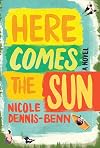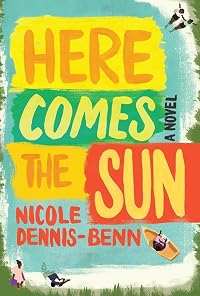
Here Comes the Sun
by Nicole Dennis-Benn
On This Page
Description
"In this radiant, highly anticipated debut, a cast of unforgettable women battle for independence while a maelstrom of change threatens their Jamaican village. Capturing the distinct rhythms of Jamaican life and dialect, Nicole Dennis- Benn pens a tender hymn to a world hidden among pristine beaches and the wide expanse of turquoise seas. At an opulent resort in Montego Bay, Margot hustles to send her younger sister, Thandi, to school. Taught as a girl to trade her sexuality for survival, show more Margot is ruthlessly determined to shield Thandi from the same fate. When plans for a new hotel threaten their village, Margot sees not only an opportunity for her own financial independence but also perhaps a chance to admit a shocking secret: her forbidden love for another woman. As they face the impending destruction of their community, each woman--fighting to balance the burdens she shoulders with the freedom she craves--must confront long-hidden scars. From a much-heralded new writer, Here Comes the Sun offers a dramatic glimpse into a vibrant, passionate world most outsiders see simply as paradise."-- show lessTags
Recommendations
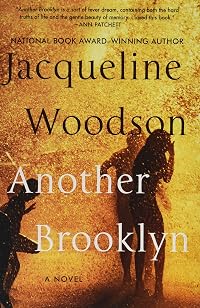
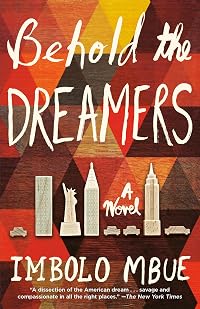
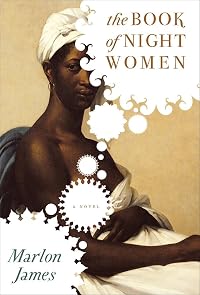
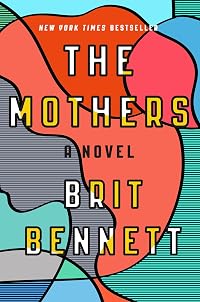




















Member Reviews
This is well crafted, but it is overwhelmingly depressing. Almost the opposite of a positive feminist agenda, we see a family of women who seem to strive to survive by exploitation. That's exploitation of each other and other women. Margot works at a hotel, and has slept her way into a position of some responsibility. She then moves on to act as a madam for the hotel and provides the tourists (white) with a string of local (black) beauties. There is abuse of various forms, homosexuality is frowned upon and those partaking ostracised. You could argue that these women are only trying to survive by any means possible, taking advantage of the situation they find themselves in. It is grim and depressing, but so well written that I never show more thought once of stopping. Just don't expect any sign of redemption at the end, there isn't any. Good but I would not describe it as enjoyable. show less
[Here Comes the Sun] is a powerful novel. I will never think of tourism in the same way again. I've never been to Jamaica, but it sounds like paradise -- and perhaps it is to tourists and to the rich. Dennis-Benn tells the story of the lives of people who sell trinkets -- and themselves -- to the tourists. Margot, the protagonist, works in a hotel and prostitutes herself so she can pay her sister's school fees. Her hopes for a better life lie with her sister Thandi.
The people who work in the hotels go home at night "to their shabby neighborhoods, away from the fantasy they help create about a country where they are as important as washed-up seaweed."
But this complex novel is not just about class; Dennis-Benn also takes on gender and show more sexuality and race. Thandi spends her money on products to lighten her skin so that she will be accepted by others in the private school she attends. And if the poor are treated like dirt, women are the ones who really suffer. Husbands and fathers leave, forcing the women to support the families. There is no solidarity among the women, however. Verdene, a lesbian, is brutalized by her neighbors, scapegoated because they can't do anything to fight the hotel owners who deny them access to running water, electricity, or the country's beautiful beaches. The owners gobble up land for hotels and evict the people living there.
This isn't a polemic though. Dennis-Benn breathes life into Margot, Thandi and Dolores, and makes us want to see them triumph.
One challenge reading this was the patois. Most of the characters speak in it; I'd like to listen to this. Sometimes just seeing the words on the page made it hard to read.
Overall, though, a very accomplished first novel. show less
The people who work in the hotels go home at night "to their shabby neighborhoods, away from the fantasy they help create about a country where they are as important as washed-up seaweed."
But this complex novel is not just about class; Dennis-Benn also takes on gender and show more sexuality and race. Thandi spends her money on products to lighten her skin so that she will be accepted by others in the private school she attends. And if the poor are treated like dirt, women are the ones who really suffer. Husbands and fathers leave, forcing the women to support the families. There is no solidarity among the women, however. Verdene, a lesbian, is brutalized by her neighbors, scapegoated because they can't do anything to fight the hotel owners who deny them access to running water, electricity, or the country's beautiful beaches. The owners gobble up land for hotels and evict the people living there.
This isn't a polemic though. Dennis-Benn breathes life into Margot, Thandi and Dolores, and makes us want to see them triumph.
One challenge reading this was the patois. Most of the characters speak in it; I'd like to listen to this. Sometimes just seeing the words on the page made it hard to read.
Overall, though, a very accomplished first novel. show less
There's a great deal of trouble in paradise. Jamaica is portrayed by the author as two disturbed sides of a coin: the oppression by wealthy whites and the misery inflicted on poor residents by their own self-appointed arbiters of "family values". Mother Delores sold daughter Margot for cash, and she has continued inflicting the cruelty by becoming a pimp. Younger daughter Thandi is the "good girl", studious and quiet, but her own high expectations include bleaching her skin to a false lightness because "God nuh like ugly". This is a cruel environment and, with very few redeeming characters, a Caribbean version of hell, including venal real estate developers, as if poverty wasn't enough.
jesus. i like my books bleak, with a side of sadness. that's been harder for me since the 2016 election, and maybe that's why this seemed a bit overwhelming. it's full of heartbreak and trauma, but it's also full of truth and it feels like real life. (which is, of course, why it's so sad.) the women in relationship in this book - mother/daughter/sister/lover/friend are doing all they can to survive, at the expense of everything around (and inside) them. the word that kept coming to mind with delores, in her interactions with both margot and thandi, was monstrous. and yet she's also a sympathetic character to some extent, trying to feed herself and her family. she does the unforgivable, but so does margot and perhaps even thandi. (and show more how much is reason vs excuse?) this is full of heartbreak and what happens when you give no options to a community. (also there is homophobia and colonialism, on top of the racism, sexual violence, poverty, forced prostitution, and self hatred that overlays everything in this book.)
the writing is tight and well done. the dialect isn't hard to understand and it's generally easy to get into its rhythm, and definitely adds to both the story and highlights the issues of class and expectation for the characters. this is powerful and hard and unfortunately necessary.
"Though she has been selling herself since high school, there is something dirty about selling other broken women, especially girls as young as her sister."
"'Love is foolish. Yuh eva see love put running wata inna pipe? Yuh eva see love build a roof ovah we head? Yuh eva see love give free education to those children whose parents can't afford school fee? Yuh eva see love full up we cupboard? Yuh eva see love hand we visa so we can go anyweh, far from dis rat hole? What can love do fah you, eh?'"
"'Membah dis, nobody love a black girl. Not even harself."
good god this book is tragic and important on every level. 3.75 stars that should possibly be higher. show less
the writing is tight and well done. the dialect isn't hard to understand and it's generally easy to get into its rhythm, and definitely adds to both the story and highlights the issues of class and expectation for the characters. this is powerful and hard and unfortunately necessary.
"Though she has been selling herself since high school, there is something dirty about selling other broken women, especially girls as young as her sister."
"'Love is foolish. Yuh eva see love put running wata inna pipe? Yuh eva see love build a roof ovah we head? Yuh eva see love give free education to those children whose parents can't afford school fee? Yuh eva see love full up we cupboard? Yuh eva see love hand we visa so we can go anyweh, far from dis rat hole? What can love do fah you, eh?'"
"'Membah dis, nobody love a black girl. Not even harself."
good god this book is tragic and important on every level. 3.75 stars that should possibly be higher. show less
Survival and morality are too often interchanged, and because the odds are stacked against all women, regardless of race, all women are minorities. And, because the odds tend to restack when one is impacted by poverty, it takes strength to survive; anatomically speaking, women shouldn't be placed in positions to demonstrate strength, but we will because men retain and maintain power. This isn't a read for church-attending Holy Rollers; too much of its content will turn their noses. But it is a read for everyone who vacations to the Islands, and refuses to accept that resort locations are actually contemporary plantations
Review originally posted on my blog, Musings of a Bookish Kitty:
http://www.literaryfeline.com/2016/12/bookish-thoughts-here-comes-sun-by.html
I am not sure what to say about this novel. It has left me feeling a bit raw. Bhani Turpin's narration was brilliant. I am really glad I chose to listen to the audio version despite my also having a print copy. The writing is beautiful, but the subject matter is rather dark . . . and uncomfortable. I work in a field that in recent years has put a lot of focus on human trafficking, particularly of under age youth. The subject matter is not new to me, and so I imagine some of what was covered in this book was less shocking to me than it might to be other readers. Or perhaps not. The reader really show more gets a look at the darker side behind the scenes, so to speak, of Jamaica and its tourist scene.
Let me just say there are no perfect characters in this book. They are deeply flawed. They are shaped by their experiences, have lived hard and difficult lives, and the choices they make are not always the best ones--not for themselves or for others. Sometimes their intentions are meant well; sometimes decisions are made out of desperation.
Margot was a victim of a fate she was unable to escape. She uses what she has learned to her advantage, stepping on toes as she goes. While some might call her a strong woman, I felt she was lost and her strength rather fragile. Margot's lover, Verdene, comes the closest to breaking down the wall around Margot's heart. After years off abuse as a child, trafficked by someone who was supposed to protect her, Margot does not love easily. I can see why Margot makes the choices she makes, in part to raise herself and her sister out of the poverty they grew up in and out of the life she's been living, and yet many of those choices made my heart hurt. Frankly, my heart hurt a lot as I listened to Here Comes the Sun.
Thandi is also lost, on a path she would rather not be on, one her mother and sister have chosen for her. She is struggling to find her own identity. She bleaches her skin to make her skin lighter--having most of her life been told that black is ugly. On scholarship to a prestigious high school, she longs to fit in, but never quite does. She takes comfort in her art and in her friendship with a local boy, much to her family's consternation. I really liked Thandi, and, like those who loved her, I wanted most to see her succeed.
This book made me feel some very strong emotions from sadness to anger: from colorism to racism, homophobia, misogyny, sexual abuse, human trafficking, classism and poverty. Dennis-Benn lays it all out there in a very real and raw way. Alfonso is the picture of white privilege who did not hesitate to use it or his wealth to get his way. Verdene only wants to love and be loved and yet she is met with prejudice and was ostracized. Thandi hated the color of her own skin, growing up in a home and culture where black is considered less than--and even ugly. I have such mixed feelings about Margot and everything she went through and did . . . I could go on and on. This isn't a book I will soon forget. Here Comes the Sun will not appeal to everyone, but it is a deeply moving book that will break your heart over and over again. It was impossible not to get swept up in the stories of the characters, both major and minor, and lost in the rhythm of the narration and writing. show less
http://www.literaryfeline.com/2016/12/bookish-thoughts-here-comes-sun-by.html
I am not sure what to say about this novel. It has left me feeling a bit raw. Bhani Turpin's narration was brilliant. I am really glad I chose to listen to the audio version despite my also having a print copy. The writing is beautiful, but the subject matter is rather dark . . . and uncomfortable. I work in a field that in recent years has put a lot of focus on human trafficking, particularly of under age youth. The subject matter is not new to me, and so I imagine some of what was covered in this book was less shocking to me than it might to be other readers. Or perhaps not. The reader really show more gets a look at the darker side behind the scenes, so to speak, of Jamaica and its tourist scene.
Let me just say there are no perfect characters in this book. They are deeply flawed. They are shaped by their experiences, have lived hard and difficult lives, and the choices they make are not always the best ones--not for themselves or for others. Sometimes their intentions are meant well; sometimes decisions are made out of desperation.
Margot was a victim of a fate she was unable to escape. She uses what she has learned to her advantage, stepping on toes as she goes. While some might call her a strong woman, I felt she was lost and her strength rather fragile. Margot's lover, Verdene, comes the closest to breaking down the wall around Margot's heart. After years off abuse as a child, trafficked by someone who was supposed to protect her, Margot does not love easily. I can see why Margot makes the choices she makes, in part to raise herself and her sister out of the poverty they grew up in and out of the life she's been living, and yet many of those choices made my heart hurt. Frankly, my heart hurt a lot as I listened to Here Comes the Sun.
Thandi is also lost, on a path she would rather not be on, one her mother and sister have chosen for her. She is struggling to find her own identity. She bleaches her skin to make her skin lighter--having most of her life been told that black is ugly. On scholarship to a prestigious high school, she longs to fit in, but never quite does. She takes comfort in her art and in her friendship with a local boy, much to her family's consternation. I really liked Thandi, and, like those who loved her, I wanted most to see her succeed.
This book made me feel some very strong emotions from sadness to anger: from colorism to racism, homophobia, misogyny, sexual abuse, human trafficking, classism and poverty. Dennis-Benn lays it all out there in a very real and raw way. Alfonso is the picture of white privilege who did not hesitate to use it or his wealth to get his way. Verdene only wants to love and be loved and yet she is met with prejudice and was ostracized. Thandi hated the color of her own skin, growing up in a home and culture where black is considered less than--and even ugly. I have such mixed feelings about Margot and everything she went through and did . . . I could go on and on. This isn't a book I will soon forget. Here Comes the Sun will not appeal to everyone, but it is a deeply moving book that will break your heart over and over again. It was impossible not to get swept up in the stories of the characters, both major and minor, and lost in the rhythm of the narration and writing. show less
This title & cover art may be misleading to some. It's hard not to look at the cover of this book & hear those musical lyrics in your head, picturing beautiful Jamaican beaches & vacation resorts. But that's not what this book is about. This is about the darker side of Jamaica, where real people live and survive, manipulate and sacrifice in order to make a living. The story evolves around a mother (Delores) and her two daughters (Margot & Thandi). Delores is a bitter, older (middle aged) woman who works the tourist stalls. Margot is an almost-surrogate mother to Thandi (15 years her junior), working in order to one day send Thandi to medical school & a better life. Thandi, a teenager, is beginning to discover herself but struggles to show more fit in with either the people of her hometown or the more uppity peers at her private school.
This story is multi-layered. It examines underlying racial tension, political gain, prostitution, homosexuality & perhaps an alternate but realistic view of family dynamics in a poor country. However, these themes are woven effectively & the novel does indeed pack a punch. Though some of the content may be somewhat disturbing, it is well written. I found the Jamaican dialect effective, although I do think that reading it on audio, as I did, would make for a somewhat easier read. The reader, Bahni Turpin, captured this dialect flawlessly and did an excellent job. The ending of the story snuck up on me, and while it left me a little unsettled, I would certainly recommend this book. show less
This story is multi-layered. It examines underlying racial tension, political gain, prostitution, homosexuality & perhaps an alternate but realistic view of family dynamics in a poor country. However, these themes are woven effectively & the novel does indeed pack a punch. Though some of the content may be somewhat disturbing, it is well written. I found the Jamaican dialect effective, although I do think that reading it on audio, as I did, would make for a somewhat easier read. The reader, Bahni Turpin, captured this dialect flawlessly and did an excellent job. The ending of the story snuck up on me, and while it left me a little unsettled, I would certainly recommend this book. show less
Members
- Recently Added By
Published Reviews
ThingScore 100
"“It may take place entirely in Montego Bay, but be not deceived: If you’ve come for palm trees and umbrella drinks, you’ve boarded the wrong plane. This lithe, artfully-plotted debut concerns itself with the lives of those for whom tourists can barely be bothered to remove their Ray-Bans, and the issues it tackles — the oppressive dynamics of race, sexuality and class in post-colonial show more Jamaica — have little to do with the rum-and-reggae island of Sandals commercials....'Here Comes the Sun” is deceptively well-constructed, with slow and painful reveals right through the end. Just who’s able to give history the slip, and at what cost, is one of the saddest things you’ll ever read." show less
added by theaelizabet
Dennis-Benn has drawn each of her characters confidently, never shying from the fact that their choices are both problematic and necessary for survival in a town that is disappearing beneath their feet. If the drought doesn’t overtake their livelihood, the greed and inevitable expansion of the resort industry will. There is little in the realm of economic prosperity that residents of River show more Bank can fashion that does not exist in service to someone else’s need... The book has big questions about greed and sacrifice: who wants to be desperate in paradise? show less
added by vancouverdeb
there's no character in Dennis-Benn's novel that's anything less than complex, multifaceted, and breathtakingly real. That's part of what makes Here Comes the Sun one of the most stunningly beautiful novels in recent years.....Dennis-Benn's writing is so assured, so gorgeous, that it's hard to believe Here Comes the Sun is a debut novel. There are no wasted words; every sentence is constructed show more with care and a clear eye. She writes with a calm, steady voice even in scenes where things go horribly wrong for her characters... it's a joy to read, but you can tell that every sentence was hard-fought. Here Comes the Sun is tough, beautiful and necessary, and it feels like a miracle. show less
added by vancouverdeb
Lists

Top Five Books of 2016
795 works; 228 members

W. W. Norton & Company
47 works; 2 members

Wishlist
48 works; 1 member
Author Information

4+ Works 1,157 Members
Some Editions
Awards and Honors
Awards
Distinctions
Common Knowledge
- Canonical title
- Here Comes the Sun
- Original publication date
- 2016-06-02
- People/Characters
- Margot; Thandi; Delores
- Important places
- Jamaica
- Dedication
- For Addy and Jamaica
- First words
- The long hours Margot works at the hotel are never documented.
- Last words
- (Click to show. Warning: May contain spoilers.)Except for her lone, grainy figure on the water's surface, dark in the face of the sun.
- Blurbers
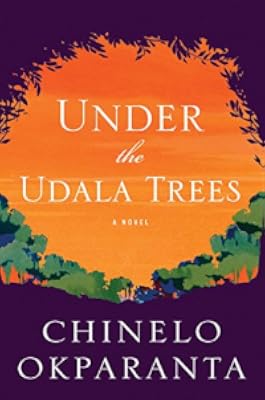
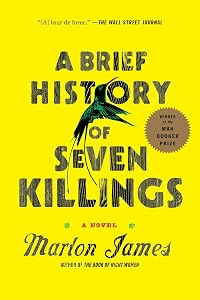
- James, Marlon; Jackson, Naomi; Alvar, Mia; Lalami, Laila; Okparanta, Chinelo
- Original language
- English
Classifications
Statistics
- Members
- 671
- Popularity
- 42,925
- Reviews
- 27
- Rating
- (3.77)
- Languages
- English, French, Portuguese (Portugal)
- Media
- Paper, Audiobook, Ebook
- ISBNs
- 15
- ASINs
- 4