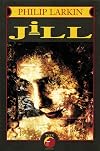
Jill
by Philip Larkin
On This Page
Description
The famed poet's eloquent first novel.Tags
Recommendations





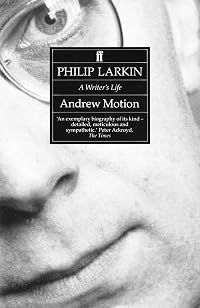

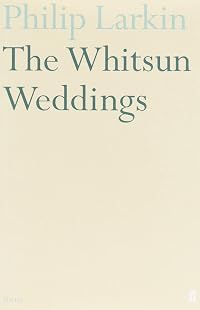














Member Reviews
Cómo, una novela en la que todos los personajes, incluido el protagonista, te caen mal, el ambiente es sórdido, no solo por el contexto bélico de la novela, y en la que las cosas van cada vez más a peor, te encandila? De hecho una frase que repite creo que hasta tres veces nos lo recuerda: "Sé que las cosas irán cada vez peor, pero no me importa, porque también mejorarán cada vez más."
Aunque Larkin nos explica en el prólogo que su intención no es contar la historia de un héroe desplazado de la clase obrera, algo de esto también se refleja, inevitablemente, cuando parte de los personajes son descritos como "opresores cuyo deseo más violento podía satisfacerse de inmediato, lo cual sin duda era la cumbre de la show more ambición."
Pero, es verdad, que no es este el único tema. Miedo, soledad, mentira, hipocresía y la imaginación que nos salva de todo, también son importantes.
La novela solo decae un poco en un momento dado pero, una vez superado este, continúa hacia arriba sin parar. Estupenda. show less
Aunque Larkin nos explica en el prólogo que su intención no es contar la historia de un héroe desplazado de la clase obrera, algo de esto también se refleja, inevitablemente, cuando parte de los personajes son descritos como "opresores cuyo deseo más violento podía satisfacerse de inmediato, lo cual sin duda era la cumbre de la show more ambición."
Pero, es verdad, que no es este el único tema. Miedo, soledad, mentira, hipocresía y la imaginación que nos salva de todo, también son importantes.
La novela solo decae un poco en un momento dado pero, una vez superado este, continúa hacia arriba sin parar. Estupenda. show less
Strange book of extremes of class and character, north and south, interweaved with fantasy that becomes reality, not particularly enjoyable, but had to finish it
Como ya hizo con El halcón peregrino de Glenway Wescott o Los últimos hechizos de Robert Lidell, la editorial Lumen vuelve a recuperar para la lengua castellana otro clásico olvidado. Philip Larkin fue un reconocido poeta, crítico de Jazz en The Daily Telegraph y autor de dos novelas. Escrita con solo 21 cuando estudiaba en Oxford, recogiendo parte de sus experiencias universitarias, Jill fue publicada en 1946, y reeditada en 1964. Durante la Segunda Guerra Mundial, John Kemp, un joven de origen humilde, tímido hasta la enfermedad, consigue una beca para Oxford. Allí compartirá habitación con otro estudiante, rico y consciente de su superioridad social, con quien vivirá una relación de instintiva subordinación. Contra su show more soledad y hastío inventará a Jill, una chica imaginaria cuya presencia recurrente hará que John acabe confundiendo ficción y realidad. Intensa, rabiosamente antirromántica, de una fluidez narrativa inconfundiblemente británica, su meticulosidad hace de ella una novela extremadamente visual, casi cinematográfica. show less
Apr 13, 2008Spanish
Ratings
Members
- Recently Added By
Published Reviews
Philip Larkin wrote his first novel, ''Jill,'' when he was 21 years old, and today, nearly four decades later, the novel remains a fairly undistinguished piece of juvenilia - a familiar coming-of-age story, written with competence and poise, but lacking the neat concentration of the writer's mature work. Still, the decision to republish ''Jill'' is a worthy one. Whatever its purely literary show more merits, the novel provides a revealing portrait of Oxford and the English class system as it existed during World War II, and it also illuminates the shape and direction of Mr. Larkin's subsequent career. show less
added by KayCliff
Author Information

59+ Works 6,908 Members
Philip Larkin was a British poet, novelist, critic, and essayist. Born in 1922 in Coventry, England, he graduated from St. John's College, Oxford, in 1940 and then pursued a career as a librarian, becoming the librarian at the University of Hull in 1955. Although he led a retiring life and published infrequently, producing only one volume of show more poetry approximately every 10 years, Larkin was still considered one of the preeminent contemporary British poets. He is often associated with the "Movement," a 1950s literary group that, through the use of colloquial language and common, everyday subjects, endeavored to create poetry that would appeal to the common reader. However, this association came about mainly because Larkin's poem "Church Going," for which he first gained critical attention, was published in New Lines, an anthology of the "Movement" poets. In reality, his work, particularly his later poems, is not typical of the group. Larkin's published a total of only four volumes of poetry: The North Ship (1945), The Less Deceived (1955), The Whitsun Weddings (1964), and High Windows (1974). He also wrote two novels, Jill and A Girl in Winter, and published two volumes of prose, Required Writing and All That Jazz, a collection of his reviews of jazz records. Philip Larkin died in 1985. (Bowker Author Biography) show less
Some Editions
Series
Belongs to Publisher Series
Impedimenta (223)
Common Knowledge
- Original publication date
- 1946
- People/Characters
- John Kemp
- Important places
- Oxford, Oxfordshire, England, UK
- Quotations
- During the vacation that Easter he [Bruce Montgomery] had spent ten days writing, with his J nib and silver pen-holder, a detective story ... This was published ... under the name of Edmund Crispin.
John watched him unscrew his fountain pen and settle himself in his chair, like a man preparing to answer an examination paper.... An open book lay in front of him, and he held his fountain pen ready above the blank page on a... (show all)n exercise book ... When he had finished the first page, he pulled out his fountain pen, and then fell asleep.... He studied himself in the mirror, and after careful thought removed the fountain pen from his breast pocket, tucking a clean handkerchief there instead.
"You mean you want leave of absence for one night," [the Senior Tutor] said, pulling out his fountain pen and taking up a printed form.
Classifications
Statistics
- Members
- 421
- Popularity
- 73,247
- Reviews
- 3
- Rating
- (3.41)
- Languages
- 5 — Catalan, English, French, Italian, Spanish
- Media
- Paper, Ebook
- ISBNs
- 16
- ASINs
- 8