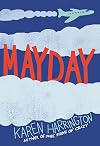
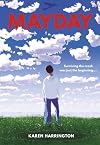
Mayday
by Karen Harrington 
On This Page
Description
"Twelve-year-old Wayne Kovok loses his uncle to war and his voice to a plane crash in the same year and must learn to speak up as he navigates relationships with his father, grandfather, and new friend, Denny Rosenblatt"--Tags
Recommendations




















Member Reviews
MIDDLE GRADE FICTION
Karen Harrington
Mayday
Little, Brown Books for Young Readers, 978-0-316-29801-8, hardcover (also available as an ebook), 352 pgs, $16.99
May 24, 2016
Twelve-year-old Wayne Kovok is an anxious seventh-grader who uses facts (Did you know that chickens can run up to nine miles an hour?) to protect himself from awkward silences and uncomfortable emotions. “A fact is like a shield,” Wayne says, “You can hide behind it. Then you can make a run for it if you need to. Or make someone laugh so that they aren’t laughing at you. Or distract your mom if she is sad.” Wayne’s life is pretty normal—Spanish homework and does Sandy Showalter really like me?—until his Uncle Reed is killed in action in Iraq.
As Wayne and show more his mother are flying home from Arlington National Cemetery with Uncle Reed’s burial flag (“There was a waiting list for the honored dead,” Wayne observes. “That might be one of the saddest facts I’d ever heard.”), an unseasonal storm forces their plane into an emergency landing. Author Karen Harrington’s imagery is vivid as the plane begins to fall. Wayne’s mother has been cradling Uncle Reed’s burial flag when a hole is ripped in the side of the plane and the flag “unfurled and sailed up into the fuselage like a patriotic kite.” Wayne and his mother survive but many passengers do not. Wayne leaves the hospital with one eyebrow, a large “L”-shaped (“the sign of a loser”) wound stitched together across his face, and a throat injury. The boy who uses his voice to protect, distract, and fill, now has none.
Harrington’s characters are diverse and genuine. There’s Grandpa, a retired army drill sergeant, who moves in with Wayne and his mom to help out during their recovery, quoting Napoleon and issuing commands. Wayne’s mother, who loves Jane Austen movie adaptations and has named their dog Mr. Darcy, shaves off an eyebrow “in solidarity.” Denny, Wayne’s new friend from voice therapy, is preparing for his bar mitzvah, which means he has to read a portion of the Torah aloud to the congregation at their synagogue, which is unfortunate because Denny stutters. But, boy, can he sing—think Mel Tillis.
Mayday is the story of how Wayne learns to deal with unavoidable silences and difficult emotions while his vocal cords heal, making decisions and realizing his own agency, and learning “the economy of the shrug.” Wayne’s first-person narrative is by turns funny and sweet, anguished and melancholy, but always smart and perceptive. The plot is simple, though it deals deftly and sensitively with some of the toughest issues a family can face and Wayne sometimes feels like “the rope in a tug of war. The rope never wins. It just gets pulled.” The pace moves along at a good clip, guaranteed to retain the attention of younger readers.
Mayday compares favorably with the classics from Beverly Cleary and Judy Blume. “I just needed the flag to be found,” Wayne reflects, “Grandpa to move back to his house, my face and neck to heal, my dad to stop messing with me, and Mom to keep smiling and make spaghetti every Tuesday.”
Originally published in Lone Star Literary Life. show less
Karen Harrington
Mayday
Little, Brown Books for Young Readers, 978-0-316-29801-8, hardcover (also available as an ebook), 352 pgs, $16.99
May 24, 2016
Twelve-year-old Wayne Kovok is an anxious seventh-grader who uses facts (Did you know that chickens can run up to nine miles an hour?) to protect himself from awkward silences and uncomfortable emotions. “A fact is like a shield,” Wayne says, “You can hide behind it. Then you can make a run for it if you need to. Or make someone laugh so that they aren’t laughing at you. Or distract your mom if she is sad.” Wayne’s life is pretty normal—Spanish homework and does Sandy Showalter really like me?—until his Uncle Reed is killed in action in Iraq.
As Wayne and show more his mother are flying home from Arlington National Cemetery with Uncle Reed’s burial flag (“There was a waiting list for the honored dead,” Wayne observes. “That might be one of the saddest facts I’d ever heard.”), an unseasonal storm forces their plane into an emergency landing. Author Karen Harrington’s imagery is vivid as the plane begins to fall. Wayne’s mother has been cradling Uncle Reed’s burial flag when a hole is ripped in the side of the plane and the flag “unfurled and sailed up into the fuselage like a patriotic kite.” Wayne and his mother survive but many passengers do not. Wayne leaves the hospital with one eyebrow, a large “L”-shaped (“the sign of a loser”) wound stitched together across his face, and a throat injury. The boy who uses his voice to protect, distract, and fill, now has none.
Harrington’s characters are diverse and genuine. There’s Grandpa, a retired army drill sergeant, who moves in with Wayne and his mom to help out during their recovery, quoting Napoleon and issuing commands. Wayne’s mother, who loves Jane Austen movie adaptations and has named their dog Mr. Darcy, shaves off an eyebrow “in solidarity.” Denny, Wayne’s new friend from voice therapy, is preparing for his bar mitzvah, which means he has to read a portion of the Torah aloud to the congregation at their synagogue, which is unfortunate because Denny stutters. But, boy, can he sing—think Mel Tillis.
Mayday is the story of how Wayne learns to deal with unavoidable silences and difficult emotions while his vocal cords heal, making decisions and realizing his own agency, and learning “the economy of the shrug.” Wayne’s first-person narrative is by turns funny and sweet, anguished and melancholy, but always smart and perceptive. The plot is simple, though it deals deftly and sensitively with some of the toughest issues a family can face and Wayne sometimes feels like “the rope in a tug of war. The rope never wins. It just gets pulled.” The pace moves along at a good clip, guaranteed to retain the attention of younger readers.
Mayday compares favorably with the classics from Beverly Cleary and Judy Blume. “I just needed the flag to be found,” Wayne reflects, “Grandpa to move back to his house, my face and neck to heal, my dad to stop messing with me, and Mom to keep smiling and make spaghetti every Tuesday.”
Originally published in Lone Star Literary Life. show less
A powerful coming-of-age story about the importance of finding your voice
Wayne Kovok lives in a world of After. After his uncle in the army was killed overseas. After Wayne and his mother survived a plane crash while coming back from the funeral. After he lost his voice.
Wayne has always used his love of facts to communicate ("Did you know more people die each year from shaking a vending machine than from shark attacks?"). Without his voice, how will he wow the prettiest girl in school? How will he stand up to his drill-sergeant grandfather? And how will he share his hopes with his deadbeat dad? It's not until Wayne loses his voice completely that he realizes how much he doesn't say.
Wayne Kovok lives in a world of After. After his uncle in the army was killed overseas. After Wayne and his mother survived a plane crash while coming back from the funeral. After he lost his voice.
Wayne has always used his love of facts to communicate ("Did you know more people die each year from shaking a vending machine than from shark attacks?"). Without his voice, how will he wow the prettiest girl in school? How will he stand up to his drill-sergeant grandfather? And how will he share his hopes with his deadbeat dad? It's not until Wayne loses his voice completely that he realizes how much he doesn't say.
A sweet story of courage, friendship, and finding one’s voice. Middle school student Wayne survives an airplane crash and loses his ability to speak. He realizes how much he doesn’t say and the importance of what needs to be talked about as he navigates his grief, adolescence, and difficult relationship with his father and grandfather.
This is a coming-of-age, realistic fiction novel in which I laughed and I cried.
The novel begins “Before.” Wayne is eating lunch with his uncle, who seems to be a great influence for Wayne. When his uncle returns to the military from his short leave, he dies. He’s lost a man that he can talk to and be close to, leaving an emptiness in the family. In response, Wayne, his grandfather, and his mother travel to Arlington National Cemetery for his funeral. His grandfather want to grieve alone, so he chooses to drive back to Texas, leaving Wayne and his mother to fly home. The back of the plane comes off, making the plane crash. Wayne and his mother survive.
The real story is the “After” sections. After his uncle dies. After the show more plane crashes. After he loses his voice from an injury in the crash. Wayne has always talked a lot to cover feeling awkward in social situations. In fact, he has a fool-proof method--he tells all kinds of facts that he thinks people will find interesting, which many are. Now he can’t speak, so he’s left with awkward. In addition, his grandfather moves in because his mother can’t drive due to her injury and they’ll need help at home. Wayne isn’t particularly close to his grandfather, who is ex-military. He talks about serving and he’s got a drill sargeant way about him. Wayne isn’t interested in going into the family business--aka, the military. His grandfather can be rather demanding, and Wayne can’t argue because he can’t speak; and, even if he could speak, he can’t argue with his grandfather’s strong personality. Wayne also has a father who is mean. In the midst of all of this, Wayne wants to woo a girl at school.
I really liked watching Wayne deal with the realities of life, which can be overwhelming, painful, and sad, although this novel isn’t any of these adjectives. I laughed a great deal because Wayne is funny. If you like books like Wonder, and Snicker of Magic, you’ll like this novel as well. show less
The novel begins “Before.” Wayne is eating lunch with his uncle, who seems to be a great influence for Wayne. When his uncle returns to the military from his short leave, he dies. He’s lost a man that he can talk to and be close to, leaving an emptiness in the family. In response, Wayne, his grandfather, and his mother travel to Arlington National Cemetery for his funeral. His grandfather want to grieve alone, so he chooses to drive back to Texas, leaving Wayne and his mother to fly home. The back of the plane comes off, making the plane crash. Wayne and his mother survive.
The real story is the “After” sections. After his uncle dies. After the show more plane crashes. After he loses his voice from an injury in the crash. Wayne has always talked a lot to cover feeling awkward in social situations. In fact, he has a fool-proof method--he tells all kinds of facts that he thinks people will find interesting, which many are. Now he can’t speak, so he’s left with awkward. In addition, his grandfather moves in because his mother can’t drive due to her injury and they’ll need help at home. Wayne isn’t particularly close to his grandfather, who is ex-military. He talks about serving and he’s got a drill sargeant way about him. Wayne isn’t interested in going into the family business--aka, the military. His grandfather can be rather demanding, and Wayne can’t argue because he can’t speak; and, even if he could speak, he can’t argue with his grandfather’s strong personality. Wayne also has a father who is mean. In the midst of all of this, Wayne wants to woo a girl at school.
I really liked watching Wayne deal with the realities of life, which can be overwhelming, painful, and sad, although this novel isn’t any of these adjectives. I laughed a great deal because Wayne is funny. If you like books like Wonder, and Snicker of Magic, you’ll like this novel as well. show less
Ratings
Members
- Recently Added By
Lists

Survival, plane crash -- children's/young adult fiction
112 works; 3 members
Author Information

17 Works 1,319 Members
Karen Harrington is a LibraryThing Author, an author who lists their personal library on LibraryThing.
Awards and Honors
Awards
Distinctions
Common Knowledge
- First words
- Listen, I didn't want to talk about poinsettias in the first place. But if I recite a fact, it is the fact talking, not me. A fact is like a shield. You can hide behind it. Then you can make a run for it if you need to.
Classifications
Statistics
- Members
- 200
- Popularity
- 163,990
- Reviews
- 4
- Rating
- (4.43)
- Languages
- English
- Media
- Paper, Ebook
- ISBNs
- 8