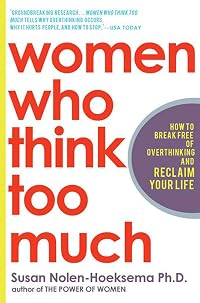
Women Who Think Too Much: How to Break Free of Overthinking and Reclaim Your Life
by Susan Nolen-Hoeksema
On This Page
Description
From one of the nation's preeminent experts in the study of women and emotion, a breakthrough new book based on the author's award-winning researchIt's not a surprise that our fast-paced, overly analytical culture is pushing people-especially women-to spend countless hours thinking about negative ideas, feelings, and experiences. Renowned psychologist Dr. Susan Nolen-Hoeksema calls this "overthinking." Her groundbreaking research shows that an increasing number of women-more than half of show more those in her extensive study-are doing it too much and too often, hindering their ability to lead a satisfying life. Overthinking can be anything from fretting about big questions such as "What am I doing with my life?" to losing sleep over a friend's innocent comment. It is causing women to feel sad, anxious, or seriously depressed, and she challenges the assumption that constantly expressing and analyzing our emotions is a good thing. In Women Who Think Too Much, Nolen-Hoeksema provides concrete strategies that can be used to escape these negative thoughts, move to higher ground, and avoid future traps. show lessTags
Recommendations








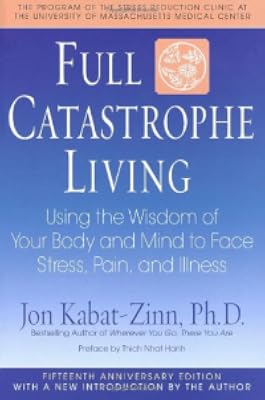
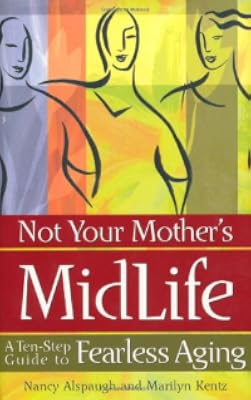
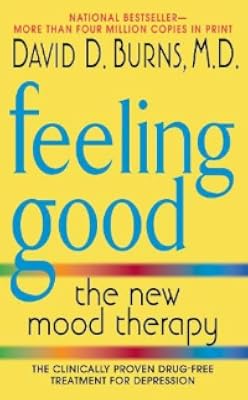
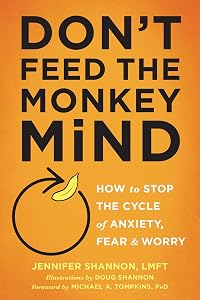






Member Reviews
Was looking for more of science oriented view, but got self-help with a scientific basis instead. Mildly interesting, especially if perseverating is an issue for you. Sort of got bogged down in case studies. Certain of the basic premises were worth a look: "overthinking" is a modern malaise and a female one for the most part. Overthinking is ruminating way too much over things that do not go right in one's life. The author's belief is that this is a natural function of the way the brain works in creating cognitive webs as well as the female tendency to be more connected and attuned to one's emotions. All this is amplified by the modern tendency to be unconnected socially or self-centered, to feel entitled to have all we desire (and show more deserve), and the failure to come to grips with the fact that, yes, sometimes life sucks. Her research has shown that the older generations (the ones who lived through world wars, the depression, the dust bowl, etc. etc.) tend to take a deep breath and just get on with it. Of course, as she points out, they had much larger support systems, cohesive families, and an agreed upon values system. That helps. What the author does do is offer some methods for dealing with circular thinking that are worthwhile and very much in tune with cognitive therapy. show less
An interesting self-help book which is not only for women. I recognized many of the symptoms about endless-thinking that she describes from my personal experience, I even found that some of the tips I've already successfully used at one time or another. I can recommend this book wholeheartedly to anyone who tends to think endlessly about all kinds of things whilst getting ever the more depressed and desperate.
I was very sad to hear that the author of this book died at the age of 53 on January 2, 2013. While I can't say I always admired the author's writing style, I appreciated the content of what she was saying. I especially liked how she brought a feminist perspective to the stress that many women face and how overthinking, as a coping mechanism, only makes things worse.
"Women Who Think Too Much: How to Break Free of Overthinking and Reclaim Your Life" è un libro scritto da Susan Nolen-Hoeksema, una psicologa clinica che ha studiato il fenomeno dell'eccessivo pensiero nelle donne. In questo libro, l'autrice esplora le cause dell'eccessivo pensiero, come questo comportamento può influenzare la vita delle donne e fornisce alcune strategie per superare il problema.
Nolen-Hoeksema sostiene che l'eccessivo pensiero può essere causato da molteplici fattori, tra cui l'ansia, la depressione, l'insicurezza e il perfezionismo. Inoltre, l'autrice sottolinea che le donne sono particolarmente suscettibili all'eccessivo pensiero, poiché spesso sono socializzate per essere attente alle emozioni altrui e per show more preoccuparsi per gli altri.
Per superare l'eccessivo pensiero, Nolen-Hoeksema suggerisce alcune strategie pratiche, tra cui la messa in discussione dei pensieri negativi, la pratica della mindfulness, l'identificazione e la modifica dei comportamenti che mantengono il pensiero eccessivo e l'adozione di un atteggiamento più positivo e orientato alla soluzione dei problemi.
In sintesi, "Women Who Think Too Much: How to Break Free of Overthinking and Reclaim Your Life" è un libro utile per le donne che hanno difficoltà a gestire il loro eccessivo pensiero e desiderano trovare strategie per superare questo problema e migliorare la loro qualità di vita.
--------
"Le donne che pensano troppo" è un'espressione che spesso viene usata per descrivere le donne che sono costantemente preoccupate, ansiose o che tendono a sovrappensiero. Questo comportamento può essere causato da molteplici fattori, tra cui lo stress, l'ansia, la depressione, l'insicurezza, la bassa autostima, il perfezionismo, l'eccessiva auto-critica e molte altre cause.
Tuttavia, è importante sottolineare che pensare molto non è necessariamente un problema e non dovrebbe essere visto come tale. Infatti, il pensiero profondo e l'analisi critica possono essere delle qualità molto utili per affrontare le sfide della vita.
Tuttavia, se il pensiero eccessivo sta causando stress, ansia o altri problemi, le donne che ne soffrono possono beneficiare di tecniche di gestione dello stress, meditazione, attività fisica, counseling o terapia psicologica. L'importante è trovare un equilibrio tra il pensiero profondo e il rilassamento, in modo da mantenere una buona salute mentale e fisica. show less
Nolen-Hoeksema sostiene che l'eccessivo pensiero può essere causato da molteplici fattori, tra cui l'ansia, la depressione, l'insicurezza e il perfezionismo. Inoltre, l'autrice sottolinea che le donne sono particolarmente suscettibili all'eccessivo pensiero, poiché spesso sono socializzate per essere attente alle emozioni altrui e per show more preoccuparsi per gli altri.
Per superare l'eccessivo pensiero, Nolen-Hoeksema suggerisce alcune strategie pratiche, tra cui la messa in discussione dei pensieri negativi, la pratica della mindfulness, l'identificazione e la modifica dei comportamenti che mantengono il pensiero eccessivo e l'adozione di un atteggiamento più positivo e orientato alla soluzione dei problemi.
In sintesi, "Women Who Think Too Much: How to Break Free of Overthinking and Reclaim Your Life" è un libro utile per le donne che hanno difficoltà a gestire il loro eccessivo pensiero e desiderano trovare strategie per superare questo problema e migliorare la loro qualità di vita.
--------
"Le donne che pensano troppo" è un'espressione che spesso viene usata per descrivere le donne che sono costantemente preoccupate, ansiose o che tendono a sovrappensiero. Questo comportamento può essere causato da molteplici fattori, tra cui lo stress, l'ansia, la depressione, l'insicurezza, la bassa autostima, il perfezionismo, l'eccessiva auto-critica e molte altre cause.
Tuttavia, è importante sottolineare che pensare molto non è necessariamente un problema e non dovrebbe essere visto come tale. Infatti, il pensiero profondo e l'analisi critica possono essere delle qualità molto utili per affrontare le sfide della vita.
Tuttavia, se il pensiero eccessivo sta causando stress, ansia o altri problemi, le donne che ne soffrono possono beneficiare di tecniche di gestione dello stress, meditazione, attività fisica, counseling o terapia psicologica. L'importante è trovare un equilibrio tra il pensiero profondo e il rilassamento, in modo da mantenere una buona salute mentale e fisica. show less
Jun 29, 2023Italian
Ratings
Members
- Recently Added By
Author Information

25+ Works 690 Members
Susan Nolen-Hoeksema, Ph.D., is a professor of psychology at the University of Michigan
Some Editions
Common Knowledge
- Canonical title
- Women Who Think Too Much: How to Break Free of Overthinking and Reclaim Your Life
- Original publication date
- 2003-02-05
- Blurbers
- Pollack, William S.; Beck, Aaron; Weissman, Myrna M.
Classifications
Statistics
- Members
- 298
- Popularity
- 108,366
- Reviews
- 4
- Rating
- (3.60)
- Languages
- 12 — Danish, Dutch, English, French, German, Italian, Lithuanian, Portuguese, Russian, Croatian, Spanish, Swedish
- Media
- Paper, Audiobook, Ebook
- ISBNs
- 29
- ASINs
- 6