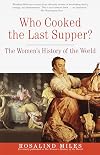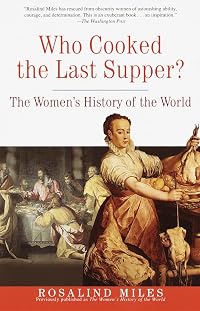
Who Cooked the Last Supper? The Women's History of the World
by Rosalind Miles
On This Page
Description
Who Cooked the Last Supper? overturns the phallusy of history and gives voice to the untold history of the world: the contributions of millions of unsung women. Men dominate history because men write history. There have been many heroes, but no heroines. Here, in Who Cooked the Last Supper?, is the history you never learned-but should have! Without politics or polemics, this brilliant and witty book overturns centuries of preconceptions to restore women to their rightful place at the center show more of culture, revolution, empire, war, and peace. Spiced with tales of individual women who have shaped civilization, celebrating the work and lives of women around the world, and distinguished by a wealth of research, Who Cooked the Last Supper? redefines our concept of historical reality. show lessTags
Recommendations
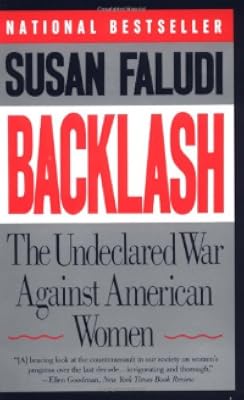

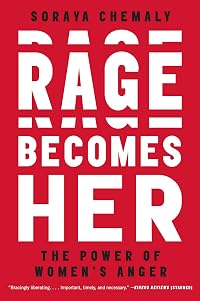
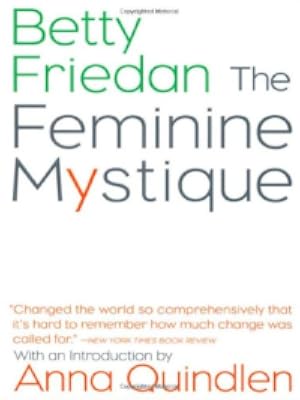
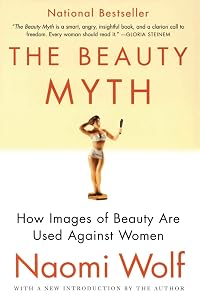
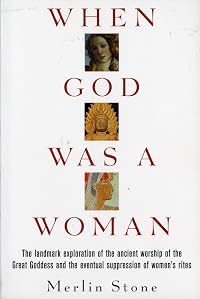
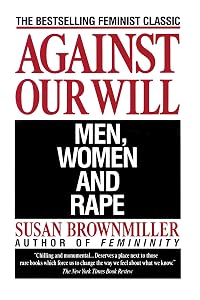
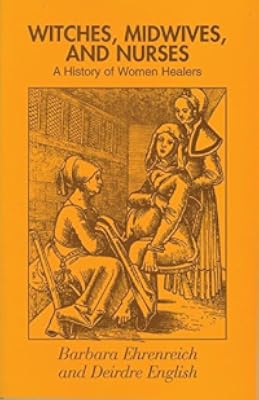
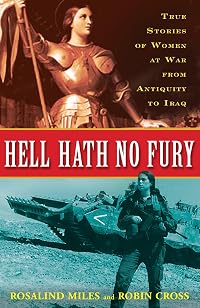


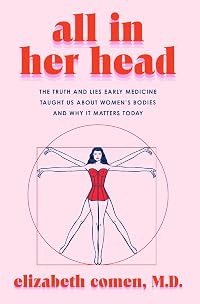
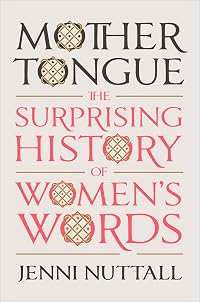
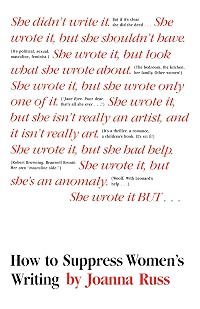
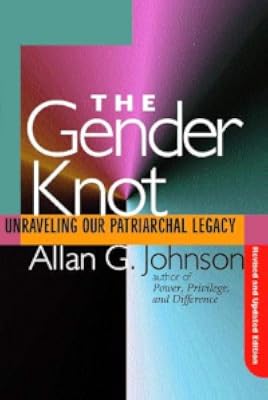


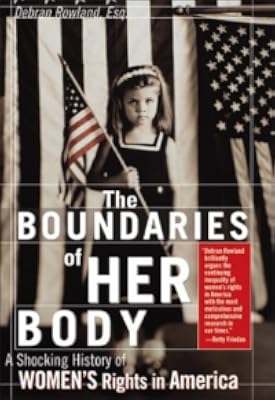
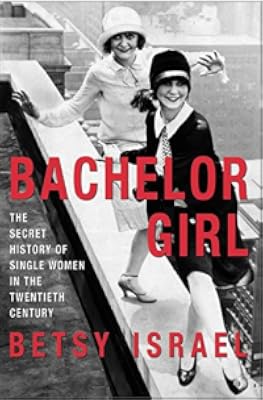

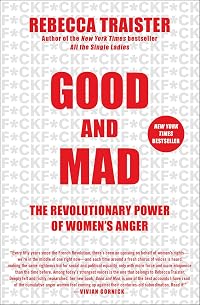

Member Recommendations
Cecrow Noting the original edition (1989, original title)
Member Reviews
Rosalind Miles looks at history through the eyes of women, from the earliest days to where we are now. Why when we read history are notable women often excluded? Why does it appear that through time men have been the artists; innovators and primary movers of the world? Where does the idea that women are naturally subservient come from when so many restrictions were needed to be placed upon their lives and there have been so many laws and customs devoted to suppression?
This book goes some way towards rectifying the historical imbalance and is an interesting and well researched study with occasional flashes of humour but, also, a lot of anger. Throughout history women and men together have made their world; both are necessary and need to show more be recognised. show less
This book goes some way towards rectifying the historical imbalance and is an interesting and well researched study with occasional flashes of humour but, also, a lot of anger. Throughout history women and men together have made their world; both are necessary and need to show more be recognised. show less
Let me start by quoting Rosalind Miles:
"Yet some would say, why women's history at all? Surely men and women have always shared a world, and suffered together all its rights and wrongs? It is a common belief that whatever the situation, both sexes faced it alike. But the male peasant, however cruelly oppressed, always had the right to beat his wife. The black slave had to labor for the white master by day, but he did not have to service him by night as well. This grim pattern continues to this day, with women bearing an extra ration of pain and misery whatever the circumstances, as the sufferings of the women of war torn Eastern Europe will testify. While their men fought and died, wholesale and systematic rape—often accompanied by show more the same torture and death that the men suffered— was a fate only women had to endure. Women's history springs from moments of recognition such as this, and the awareness of the difference is still very new. Only in our time have historians begun to look at the historical experience of men and women separately, and to acknowledge that for most of our human past, women's interests have been opposed to those of men. Women's interests have been opposed by them, too: men have not willingly extended to women the rights and freedoms they have claimed for themselves. As a result, historical advances have tended to be "men only" affairs. When history concentrates solely on one half of the human race, any alternative truth or reality is lost. Men dominate history because they write it, and their accounts of active, brave, clever or aggressive females constantly tend to sentimentalize, to mythologize or to pull women back to some perceived "norm." As a result, much of the so-called historical record is simply untrue."
First, I certainly hope that I'm not the only man who's read this book. Everyone should read it. This book really shines light onto the matter, in a much better an explicit way than any other book did before. It's interesting to see how the men, little by little, step by step rose to power while putting the women down just so that they can prove that they are more "superior". I think I have an idea for another speech on gender equality. show less
"Yet some would say, why women's history at all? Surely men and women have always shared a world, and suffered together all its rights and wrongs? It is a common belief that whatever the situation, both sexes faced it alike. But the male peasant, however cruelly oppressed, always had the right to beat his wife. The black slave had to labor for the white master by day, but he did not have to service him by night as well. This grim pattern continues to this day, with women bearing an extra ration of pain and misery whatever the circumstances, as the sufferings of the women of war torn Eastern Europe will testify. While their men fought and died, wholesale and systematic rape—often accompanied by show more the same torture and death that the men suffered— was a fate only women had to endure. Women's history springs from moments of recognition such as this, and the awareness of the difference is still very new. Only in our time have historians begun to look at the historical experience of men and women separately, and to acknowledge that for most of our human past, women's interests have been opposed to those of men. Women's interests have been opposed by them, too: men have not willingly extended to women the rights and freedoms they have claimed for themselves. As a result, historical advances have tended to be "men only" affairs. When history concentrates solely on one half of the human race, any alternative truth or reality is lost. Men dominate history because they write it, and their accounts of active, brave, clever or aggressive females constantly tend to sentimentalize, to mythologize or to pull women back to some perceived "norm." As a result, much of the so-called historical record is simply untrue."
First, I certainly hope that I'm not the only man who's read this book. Everyone should read it. This book really shines light onto the matter, in a much better an explicit way than any other book did before. It's interesting to see how the men, little by little, step by step rose to power while putting the women down just so that they can prove that they are more "superior". I think I have an idea for another speech on gender equality. show less
Nonfiction history, from ancient to modern times, as it relates to women’s place in history. Spans the gamut from religious to political history, and this book is difficult to read without getting quite angry at times, me being a woman and all, and a majority of the book being about how women have been second-class citizens since, as the author wryly puts it, ‘the rise of the phallus.’ Viewed as simply man’s property for much of recorded history, women have had to fight tooth and nail for basic human rights. This is a glimpse into how things were through time, from the beginning (when women were revered) and with specific views at different cultures and microcosms. Also points out notable exceptions to the rule of the day, show more wherever and whenever that might be, with information about various “famous women” but also about how things were for the ‘average Jane’ of the times.
I learned a lot reading this book, but despite the author’s attempts at injecting some humor into it, I did read it in small bits rather than devour it in large chunks as it tended to get quite dry in places. A very worthwhile read, though. show less
I learned a lot reading this book, but despite the author’s attempts at injecting some humor into it, I did read it in small bits rather than devour it in large chunks as it tended to get quite dry in places. A very worthwhile read, though. show less
Ratings
Members
- Recently Added By
Author Information

30+ Works 6,398 Members
Rosalind Miles, PhD, is a critically acclaimed English novelist, essayist, lecturer, and BBC broadcaster. Her novels-including Guenevere, Queen of the Summer Country and I, Elizabeth-have been international bestsellers. She lives in Hertfordshire, England.
Awards and Honors
Notable Lists
Common Knowledge
- Canonical title
- Who Cooked the Last Supper? The Women's History of the World
- Alternate titles
- The Women's History of the world (earlier edition) (earlier edition)
- Original publication date
- 2001
- Epigraph
- Woman is and makes history.
— Mary Ritter Beard - Dedication
- For all the women of the world who have had no history
- First words
- Introduction
Who cooked the Last Supper?
The story of the human race begins with the female. - Last words
- (Click to show. Warning: May contain spoilers.)And if there can be one final certainty it is this: that the love, the struggle and the work will go on, through the one inescapable imperative outlined by Alfred Adler:
Whatever name we give it, we shall always find in human beings this great line of activity—this struggle to rise from an inferior to a superior position, from defeat to victory, from below to above. - Disambiguation notice
- "Originally published as The Women's History of the World in hardcover by Salem House Publishers in 1989." T.p. verso
"The present issue [Three Rivers Press, 2001] under this sporting new title and updated format is th... (show all)e first appearance in the United States of the text in full. Earlier editions pruned back the language and took out the humor on the grounds that the subject was too serious to joke about." from the Introduction.
PLEASE DO NOT COMBINE
Classifications
- Genres
- History, Nonfiction, Sexuality and Gender Studies, General Nonfiction
- DDC/MDS
- 305.409 — Society, government, & culture Social sciences, sociology & anthropology Social group - Age, Gender, Ethnicity Women Standard subdivisions History, geographic treatment, biography
- LCC
- HQ1121 .M55 — Social sciences The family. Marriage, Women and Sexuality The Family. Marriage. Women Women. Feminism
- BISAC
Statistics
- Members
- 653
- Popularity
- 44,364
- Reviews
- 3
- Rating
- (3.74)
- Languages
- English, Italian
- Media
- Paper, Audiobook, Ebook
- ISBNs
- 9
- ASINs
- 5