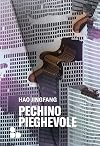
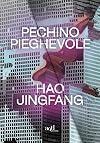
Folding Beijing
by Jingfang Hao
On This Page
Description
Pechino3 è divisa in tre spazi e le ventiquattr'ore di ogni giorno sono state accuratamente organizzate per salvaguardare il tempo e l'aria che respira l'élite, composta da cinque degli ottanta milioni di persone che abitano la metropoli. Tutti gli altri, incastrati nella rigida stratificazione urbana, si spartiscono quello che rimane. Lao Dao è nato nella citt© pieghevole e lavora in discarica come suo padre. Vive nel sottosuolo, ma per consegnare una lettera in cambio di denaro si show more intrufoler© negli spazi della classe media e di quella alta, scoprendo l'esistenza di mondi diversi dal suo. Catastrofe ecologica, tecnologie di sorveglianza e disuguaglianze sociali stravolgono il tempo e lo spazio in Pechino pieghevole, l'emblematico racconto che d© il titolo a questa raccolta, che si inserisce nell'«ultra-irrealismo℗ (chaohuan), il genere letterario ispirato dalla realt© allucinata della Cina odierna. Negli undici racconti, Hao esplora la fragilit© umana alle prese con gli spettri del cambiamento e del possibile, l'intelligenza artificiale e l'automazione, costruendo una narrazione pervasa di sensibilit© per quest'epoca di incertezza, solitudine e disorientamento. Se la science fiction è il realismo dei nostri tempi, Hao Jingfang rivela angolazioni inattese ed estreme da cui osservare il mondo futuro in cui gi© viviamo. show lessTags
Recommendations




























Member Reviews
Non tutti i racconti funzionano bene come il primo (che a ragione dà titolo alla raccolta), che riesce a unire un brillante spunto fantascientifico a una lettura critica di una società classista, controllata e separata in cui è facile rivedere la Cina odierna (e forse non solo). In alcuni casi la critica emerge più forte della fantascienza, che resta "di maniera"; in altri la fantascienza prende il sopravvento e la lettura sociale non risulta più così chiara e incisiva. A ogni modo, autrice da conoscere per avere un'idea della letteratura cinese contemporanea (e provare a capire la società cinese in generale).
Peking falten kommt als ruhige Erzählung ohne großes Tamtam und Brimborium daher. Hauptfigur ist Müllarbeiter Lao Dao, der mit seinen 48 Jahren nichts anderes kennt als den dritten Sektor. Wir folgen ihm als stiller Beobachter auf seinem Weg in den zweiten Sektor, wo er die Nachricht abholen soll, die ihren Weg in den ersten Sektor finden muss. Dabei ist diese Nachricht nichts weltbewegendes. Keine geheime Untergrundorganisation, die das System überwerfen will. Keine Revolution. Zum Thema Rebellion sagt die Autorin, „das sei ihr ein zu großes Klischee“ und meiner Meinung nach behält sie Recht damit.
Peking falten kritisiert nicht nur das System sondern auch die Menschen. Die Menschen, die schulterzuckend ihr Schicksal hinnehmen show more und es den großen ‚Bonzen‘ damit erlauben, das System weiterzuführen.
Im Vorwort des eBooks erfährt die Leserin so einiges darüber, warum sich chinesische Autoren bevorzugt im Genre Science Fiction tummeln. Literatur ist in China nicht so frei wie in westlichen Ländern. Zensur und Gedankenkontrolle sind mächtig verstärkt worden, was es den literarisch Schaffenden in China nicht leicht macht und Kritik am System fast komplett ausschließt. Im Science Fiction ist es noch möglich, die Kritik zu verpacken und ich denke, das ist ein wesentlicher Unterschied zum Science Fiction westlicher Länder. Etwas, das wir uns hier nur schwer vorstellen können. Vielleicht ist auch deswegen der Zugang zu chinesischer Science Fiction ein so schwieriger für viele Leser. Wir sind immerhin verwöhnt von Weltraumschlachten und davon, dass wir unsere Regierungen kritisieren können, wann immer uns beliebt. Dass chinesische Science Fiction hier das Mittel der Erzählung nutzt, um tatsächlich echte Kritik zu üben, hat natürlich nicht zwingend einen großen Unterhaltungswert für den westlichen Leser. Wie ich schon sagte, wir sind da alle sehr verwöhnt, was nicht unbedingt etwas schlechtes ist, aber doch einmal mehr zeigt, wie privilegiert und frei wir hier eigentlich leben. Sich dessen bewusst zu machen, dazu braucht es, so scheint es, Erzählungen wie diese.
Deswegen überrascht es auch nicht, dass der Protagonist der Geschichte am Ende zu seinem vorherigen Leben zurückkehrt ohne groß über das nachzudenken, was er erlebt und erfahren hat. Hier gibt es keinen unerwarteten Twist, keine atemberaubenden spannenden Szenen. Peking falten kritisiert ruhig und mit Bedacht, wie gesagt, nicht nur das System sondern auch alle Menschen, die es ermöglichen. Der Hugo-Award ist in meinen Augen absolut verdient.
Fazit
Mit 60 Seiten liest sich die Erzählung sehr schnell. Das Vorwort erklärt so einiges, das wir als westliche Leser so vielleicht übersehen hätten und das mich – das muss ich ganz offen gestehen – den Text mit ganz anderen Augen lesen ließ. Absolut lesenswert und eine klare Leseempfehlung. show less
Peking falten kritisiert nicht nur das System sondern auch die Menschen. Die Menschen, die schulterzuckend ihr Schicksal hinnehmen show more und es den großen ‚Bonzen‘ damit erlauben, das System weiterzuführen.
Im Vorwort des eBooks erfährt die Leserin so einiges darüber, warum sich chinesische Autoren bevorzugt im Genre Science Fiction tummeln. Literatur ist in China nicht so frei wie in westlichen Ländern. Zensur und Gedankenkontrolle sind mächtig verstärkt worden, was es den literarisch Schaffenden in China nicht leicht macht und Kritik am System fast komplett ausschließt. Im Science Fiction ist es noch möglich, die Kritik zu verpacken und ich denke, das ist ein wesentlicher Unterschied zum Science Fiction westlicher Länder. Etwas, das wir uns hier nur schwer vorstellen können. Vielleicht ist auch deswegen der Zugang zu chinesischer Science Fiction ein so schwieriger für viele Leser. Wir sind immerhin verwöhnt von Weltraumschlachten und davon, dass wir unsere Regierungen kritisieren können, wann immer uns beliebt. Dass chinesische Science Fiction hier das Mittel der Erzählung nutzt, um tatsächlich echte Kritik zu üben, hat natürlich nicht zwingend einen großen Unterhaltungswert für den westlichen Leser. Wie ich schon sagte, wir sind da alle sehr verwöhnt, was nicht unbedingt etwas schlechtes ist, aber doch einmal mehr zeigt, wie privilegiert und frei wir hier eigentlich leben. Sich dessen bewusst zu machen, dazu braucht es, so scheint es, Erzählungen wie diese.
Deswegen überrascht es auch nicht, dass der Protagonist der Geschichte am Ende zu seinem vorherigen Leben zurückkehrt ohne groß über das nachzudenken, was er erlebt und erfahren hat. Hier gibt es keinen unerwarteten Twist, keine atemberaubenden spannenden Szenen. Peking falten kritisiert ruhig und mit Bedacht, wie gesagt, nicht nur das System sondern auch alle Menschen, die es ermöglichen. Der Hugo-Award ist in meinen Augen absolut verdient.
Fazit
Mit 60 Seiten liest sich die Erzählung sehr schnell. Das Vorwort erklärt so einiges, das wir als westliche Leser so vielleicht übersehen hätten und das mich – das muss ich ganz offen gestehen – den Text mit ganz anderen Augen lesen ließ. Absolut lesenswert und eine klare Leseempfehlung. show less
Visually, the shifting skyscrapers of ‘Folding Beijing’ brought to mind the film ‘Dark City,’ but the mechanics of this scenario are all-too-human, and underlaid with a cynical observation that “they would do this if they could.” Europe has taken one approach to the ‘problem’ of automation advances making menial jobs practically obsolescent. Here, Hao Jingfang theorizes what China might do. This future city, a technological marvel, has a strict caste system, which the reader sees through the eyes of one waste worker, who’s willing to flout the law in order to try to earn some money to better his adopted daughter’s future. As we gain insight into the perspectives of people in each of three very different Beijings, the show more parallels with our real-life society become clear. And oh, it’s also a heart-wrenching tale, vividly illustrating how the scale of people’s dreams can differ exponentially, and how the few at the top sit comfortably on a throne crafted from the misery of the many.
The one thing, though, that made me feel positive about this story is that I couldn’t help seeing it as a sequel to Kelly Robson’s “Two-Year Man” (http://kellyrobson.com/two-year-man/). I know, none of the details match, but it does have the lowly worker adopting a foundling, and well, the outcome here is undoubtedly better that it is bound to have been in Robson’s story!
I also think that any fans of Paolo Bacigalupi’s short fiction, especially, perhaps, “Yellow Card Man” will particularly enjoy Hao Jingfang’s offering. show less
The one thing, though, that made me feel positive about this story is that I couldn’t help seeing it as a sequel to Kelly Robson’s “Two-Year Man” (http://kellyrobson.com/two-year-man/). I know, none of the details match, but it does have the lowly worker adopting a foundling, and well, the outcome here is undoubtedly better that it is bound to have been in Robson’s story!
I also think that any fans of Paolo Bacigalupi’s short fiction, especially, perhaps, “Yellow Card Man” will particularly enjoy Hao Jingfang’s offering. show less
Visually, the shifting skyscrapers of ‘Folding Beijing’ brought to mind the film ‘Dark City,’ but the mechanics of this scenario are all-too-human, and underlaid with a cynical observation that “they would do this if they could.” Europe has taken one approach to the ‘problem’ of automation advances making menial jobs practically obsolescent. Here, Hao Jingfang theorizes what China might do. This future city, a technological marvel, has a strict caste system, which the reader sees through the eyes of one waste worker, who’s willing to flout the law in order to try to earn some money to better his adopted daughter’s future. As we gain insight into the perspectives of people in each of three very different Beijings, the show more parallels with our real-life society become clear. And oh, it’s also a heart-wrenching tale, vividly illustrating how the scale of people’s dreams can differ exponentially, and how the few at the top sit comfortably on a throne crafted from the misery of the many.
The one thing, though, that made me feel positive about this story is that I couldn’t help seeing it as a sequel to Kelly Robson’s “Two-Year Man” (http://kellyrobson.com/two-year-man/). I know, none of the details match, but it does have the lowly worker adopting a foundling, and well, the outcome here is undoubtedly better that it is bound to have been in Robson’s story!
I also think that any fans of Paolo Bacigalupi’s short fiction, especially, perhaps, “Yellow Card Man” will particularly enjoy Hao Jingfang’s offering. show less
The one thing, though, that made me feel positive about this story is that I couldn’t help seeing it as a sequel to Kelly Robson’s “Two-Year Man” (http://kellyrobson.com/two-year-man/). I know, none of the details match, but it does have the lowly worker adopting a foundling, and well, the outcome here is undoubtedly better that it is bound to have been in Robson’s story!
I also think that any fans of Paolo Bacigalupi’s short fiction, especially, perhaps, “Yellow Card Man” will particularly enjoy Hao Jingfang’s offering. show less
An interesting story, using a very weird premise to say something about inequality, who gets to make decisions about economies, and whose well-being is considered important. Unfortunately, the one woman character has almost no agency, existing solely as a prize to be fought over by the men.
Very cool concept, but it didn't feel fully realized to me.
....A city built to house a population stratified by economic success. I ended up quite liking Folding Beijing. It is a story that grows on you as it progresses, and one that addresses a social and economic problem that needs to be dealt with sooner rather than later, and is certainly not confined to China. Definitely a story worth reading.
Full Random Comments review
Full Random Comments review
Members
- Recently Added By
Lists

Favorite Science Fiction by Women Authors
737 works; 202 members

Best Science Fiction Originally Published in a Language Other Than English
449 works; 34 members

Speculative Fiction from around the World
610 works; 18 members

CHINESE FICTION (in translation)
33 works; 1 member
Author Information
20+ Works 578 Members
Hao Jingfang is a Chinese author born on July 27, 1984 in Tianjin, China. She studied and worked in physics at the Tsinghua University. Later her interests turned to economics and earned a doctoral degree in economics. She currently works as an economic researcher at China Development Research Foundation. She has continued to develop her writing show more since high school, from winning the 2002 first prize at the 4th national high school "New Concept" writing competition, to winning the 2016 Hugo Award for Best Novelette for her work Folding Beijing. (Bowker Author Biography) show less
Some Editions
Awards and Honors
Awards
Work Relationships
Common Knowledge
- Canonical title
- Folding Beijing
- Original title
- 北京折叠
- Important places*
- Pechino, Cina
- Original language
- Chinese
*Some information comes from Common Knowledge in other languages. Click "Edit" for more information.
Classifications
Statistics
- Members
- 48
- Popularity
- 626,088
- Reviews
- 8
- Rating
- (3.44)
- Languages
- English, German, Italian, Swedish
- Media
- Paper, Ebook
- ISBNs
- 4
- ASINs
- 1