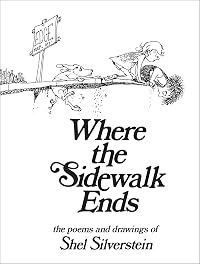
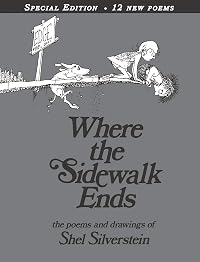
Where the Sidewalk Ends: Poems and Drawings
by Shel Silverstein
On This Page
Description
A boy who turns into a TV set and a girl who eats a whale are only two of the characters in a collection of humorous poetry illustrated with the author's own drawings.Tags
Recommendations



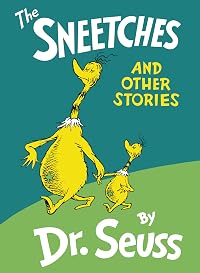
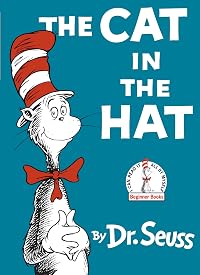
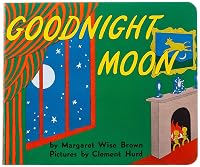
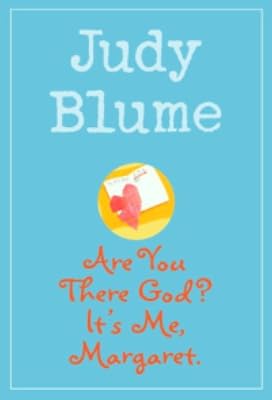
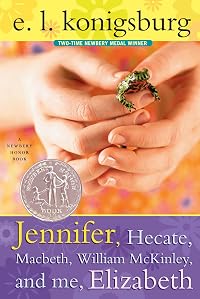
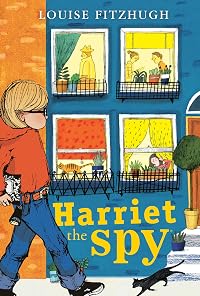
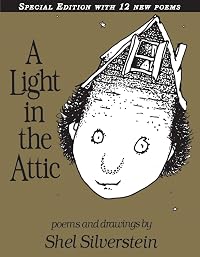
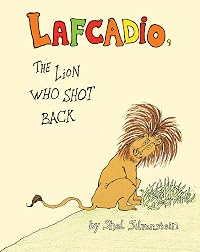
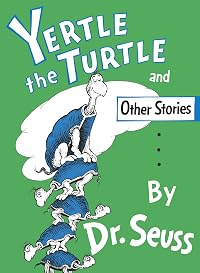
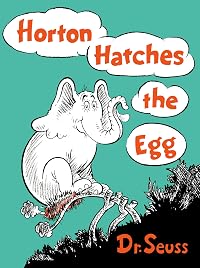
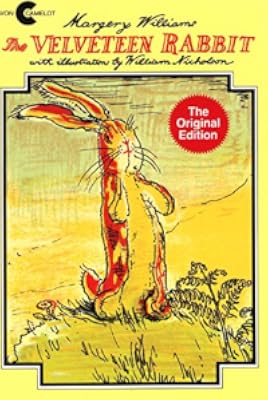
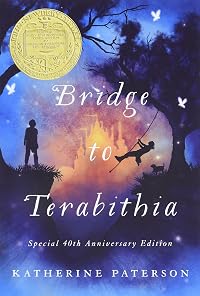
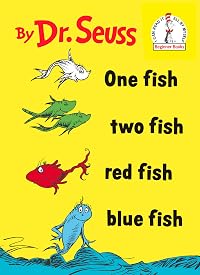
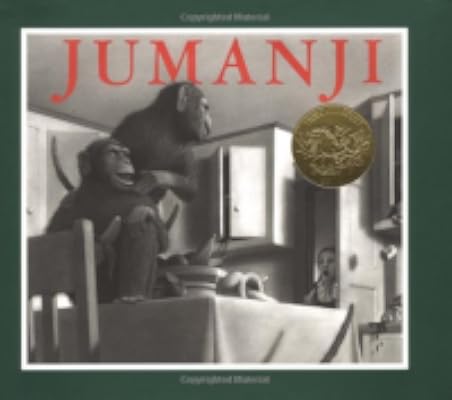
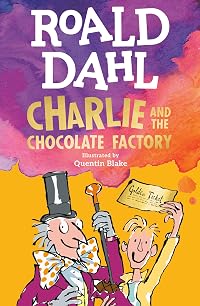
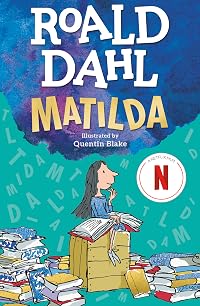
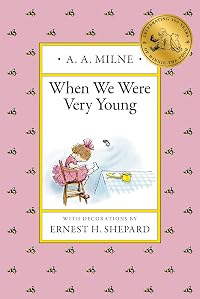
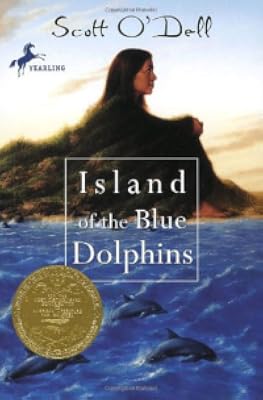
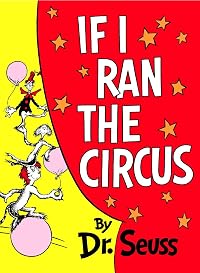
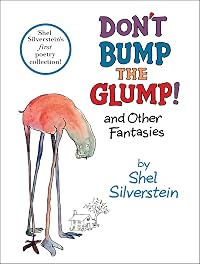
Member Recommendations
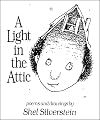
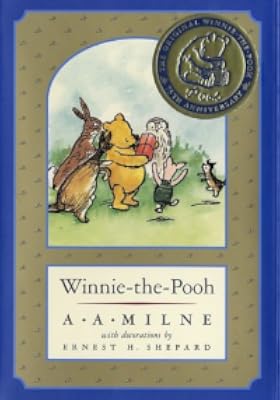
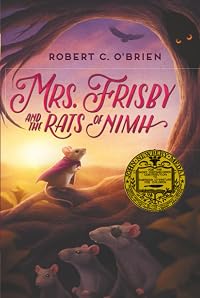
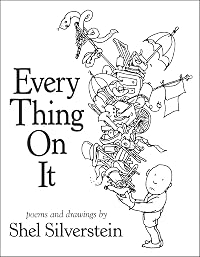
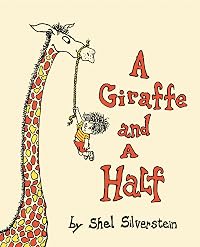
KTIversen1 A Light In the Attic was written and illustrated by the same brilliant poet/artist, Shel Silverstein. So how could you possibly go wrong?
Also recommended by gilberts
120
KTIversen1 The poems in The Bridge Across The River are possibly the best comparisons to those in Where The Sidewalk Ends. There is, however, two distinct differences between them. While Shel Silverstein's poetry was not specifically written for children, the poems in The Bridge Across The River were. And The Bridge Across The River contains not pictures, only poetry.

Cecrow Pre-eminent children's poets in their respective countries.
Member Reviews
Come in … for where the sidewalk ends, Shel Silverstein’s world begins. You’ll meet a boy who turns into a TV set, and a girl who eats a whale. The Unicorn and the Bloath live there, and so does Sarah Cynthia Sylvia Stout who will not take the garbage out. It is a place where you wash your shadow and plant diamond gardens, a place where shoes fly, sisters are auctioned off, and crocodiles go to the dentist. Masterful collection of poems and drawings is at once outrageously funny and profound.
For years, ever since I was a kid, I've thought of this as the "companion" book to Silverstein's "A Light in the Attic" - although, intriguingly, this one was written first. Now, after all this time, I think I finally understand why: it's simply not quite as good.
That's not to say it isn't very, very enjoyable, because it is. A couple of Silverstein's absolute classics are here, including "Boa Constrictor" and "Peanut-Butter Sandwich," and several of the poems either started life as or became songs, most notably "The Unicorn" (which anyone who listens to oldies radio has heard at least once, courtesy of the Irish Rovers). Silverstein's flair for wit and the humor of children is clearly evident in both his prose and illustrations; as show more usual, some librarians have proved their own ineptitude by banning the book for a couple of bare bottoms and the occasional rude (to an adult) joke.
Any personal library of nonsense verse is incomplete without this volume. However, I would venture that any with "Sidewalk Ends" also requires "A Light in the Attic." They compliment each other, and the second builds on the skill so easily appreciated in the first. show less
That's not to say it isn't very, very enjoyable, because it is. A couple of Silverstein's absolute classics are here, including "Boa Constrictor" and "Peanut-Butter Sandwich," and several of the poems either started life as or became songs, most notably "The Unicorn" (which anyone who listens to oldies radio has heard at least once, courtesy of the Irish Rovers). Silverstein's flair for wit and the humor of children is clearly evident in both his prose and illustrations; as show more usual, some librarians have proved their own ineptitude by banning the book for a couple of bare bottoms and the occasional rude (to an adult) joke.
Any personal library of nonsense verse is incomplete without this volume. However, I would venture that any with "Sidewalk Ends" also requires "A Light in the Attic." They compliment each other, and the second builds on the skill so easily appreciated in the first. show less
This book is my American childhood. This is every afternoon at school, from kindergarten in 1977 to third grade in 1980, sitting on the floor in a semi-circle around various teachers (respected Mrs Case, beloved Mrs Sobel, unlovely and feared Mrs Baumgartner, glorious, worshipped Mizz Grundy) and hearing all about Sarah Cynthia Sylvia Stout. I can hear my esteemed 6-year-old colleague Patrick reading "What a Day" in high-pitched, giggling mid-western drawl. I remember feeling so sorry for the Australian kids I met when we returned to Melbourne in 1980. I went into Grade 4 and they'd never heard of [a:Shel Silverstein|435477|Shel Silverstein|http://d202m5krfqbpi5.cloudfront.net/authors/1201029128p2/435477.jpg]! Poor deprived mites. show more They'd got [a:May Gibbs|126595|May Gibbs|http://www.goodreads.com/assets/nophoto/user/f_50x66-e0ba3b90c110cd67123d6a850d85373e.png]. Urgh. Give me the subversive Mr Silverstein any day. show less
Shel Silverstein's "Where the Sidewalk Ends" is a great way to introduce children to poetry. The poems are funny yet provide a deeper meaning for those who are looking. It opens with an "Invitation" poem that invites dreamers, wishers, and pretenders to a whole new world that sparks children's imagination and love for poetry. The poem titled "Colors," inconspicuously touches on adult topics with an admirable perspective. Silverstein is intentional yet concealed in alluding to a greater meaning. His use of humor and imagination are effective in entertaining children and teaching strong moral messages. Silverstein encourages positive messages through his diverse use of poetry structure for young children.
Reading Level: 3-8
Reading Level: 3-8
Shel Silverstein's poems will stay in my heart until the sidewalk ends. His poems are outrageously drole, silly beyond compare, and ridiculous enough for anybody old or young. One of my all-time favorites is
Sara Cynthia Silvia Stout Would Not Take The Garbage out." From the author who penned the poignant tear-jerker "The Giving Tree," this collection is by far his best!
-Breton Kaiser Taylor
Sara Cynthia Silvia Stout Would Not Take The Garbage out." From the author who penned the poignant tear-jerker "The Giving Tree," this collection is by far his best!
-Breton Kaiser Taylor
Shel Silverstein es el George R.R Martin de la poesía. Conté 12 muertos en este libro de poemas; incluyendo un niño que fue arrojado por un águila a un pozo de agua hirviendo, otro que fue devorado por una boa constrictor, un dentista devorado por un cocodrilo (luego de que dicho dentista torturara al cocodrilo arrancandole los dientes), y un extraño poema acerca de alguien que se comió un bebé.
Y esto es lo que algunos llaman "el mejor libro de poemas para niños jamás escrito", mientras que los canales de televisión infantiles ya no pasan El Coyote y el Correcaminos porque "incita a la violencia".
Pues déjenme decirles yo vi El Coyote y el Correcaminos un montón y mi salud mental no se vio afectada por eso, pero hubiese show more leído esto cuando niña (sobretodo el poema del dentista psicópata torturador) y mis padres aún me estuviesen pagando la terapia psicológica. show less
Y esto es lo que algunos llaman "el mejor libro de poemas para niños jamás escrito", mientras que los canales de televisión infantiles ya no pasan El Coyote y el Correcaminos porque "incita a la violencia".
Pues déjenme decirles yo vi El Coyote y el Correcaminos un montón y mi salud mental no se vio afectada por eso, pero hubiese show more leído esto cuando niña (sobretodo el poema del dentista psicópata torturador) y mis padres aún me estuviesen pagando la terapia psicológica. show less
An 'oldie' but a 'goody' ... Shel Silverstein's classic belongs on everyone's bookshelf! Inside we meet Jimmy Jet and his TV set, Peggy Ann McKay (who's too sick to go to school today), Hector the Collector, the Dirtiest Man in the World, and of course, Sarah Cynthia Silva Stout (who would not take the garbage out!). There are unicorns, giants, dancing pants, gypsies and generals all awaiting waiting the reader.
Where the Sidewalk Ends is a place where your imagination begins and is stretched to it's limits by the combination of eccentric drawings and rhythmic, tongue-twisting poems that know no age, gender, ethnicity or status. There are poems from two-lined couplets to multi-page ballads, and many unique styles in between.
So in the show more words of Silverstein himself, "If you are a dreamer, come in ..." show less
Where the Sidewalk Ends is a place where your imagination begins and is stretched to it's limits by the combination of eccentric drawings and rhythmic, tongue-twisting poems that know no age, gender, ethnicity or status. There are poems from two-lined couplets to multi-page ballads, and many unique styles in between.
So in the show more words of Silverstein himself, "If you are a dreamer, come in ..." show less
Members
- Recently Added By
Published Reviews
ThingScore 50
There's some nice, lively stuff in here, good for reading aloud on a sleety weekend afternoon. Just don't make it the only book of verse on the children's shelves.
added by Shortride
Lists

Favorite Childhood Books
1,651 works; 519 members

Best Children's Books You've Read
197 works; 74 members

Top-Rated Children's Books
87 works; 16 members

Brilliant poetry collections for kids
51 works; 18 members
1001 Children's Books You Must Read Before You Grow Up
774 works; 101 members

Top-Rated Books on LibraryThing
272 works; 117 members

100 books to read in a lifetime
102 works; 37 members

27 Books Parents Should Read to Their Kids Before They Grow Up
27 works; 7 members

Picture Book Library
49 works; 7 members
Honey For a Child's Heart
1,152 works; 25 members
Scholastic 100 Best Read-Aloud Books
100 works; 8 members

Satori Smiles Children's Book List
262 works; 7 members

75 Books for Literacy Block: Fall 2016
17 works; 2 members

4th Grade Books
312 works; 5 members
Remarkable Collection Of Children's Poetry
19 works; 1 member

Blue Pyramid 1,276 Best Books of All Time
1,248 works; 32 members

NPR Readers Poll: 100 Favorite Funny Books
100 works; 5 members

Geek Dad Read to Your Kids List
79 works; 4 members

Children's Poetry
10 works; 1 member

Youth: Poetry
124 works; 1 member

75 Books for Fall Literacy Block - Dr. Reed
67 works; 2 members
LibraryThingers' 1001 Books You Must Read Before You Die
442 works; 29 members

Poetry Collections
79 works; 6 members

SYES Library Wishlist
1,080 works; 4 members

NPR Books You Love: 100 Favorite Books For Young Readers
100 works; 1 member

Favorite Kids Books (chapter, middle grade)
170 works; 4 members

Favorite Picture and Board Books
480 works; 1 member

Books We Loved As Children
603 works; 252 members
Written and Illustrated By
805 works; 1 member
Books recommended by Calgary Public Library staff
1,588 works; 4 members
BitLife
212 works; 4 members
Favorite Recent Poetry: 1980-2022
178 works; 70 members

1970s
657 works; 23 members

Five star books
1,767 works; 110 members

ORCID Book list
27 works; 1 member

Books Read in 2006
422 works; 8 members

Poetry Corner
187 works; 15 members

Children's Humor
51 works; 6 members

Funny Books
33 works; 2 members

Read on.... from Kwame Alexander's book \ BOOKED
31 works; 1 member

Books tagged favorites
390 works; 30 members
Favourite Books
1,819 works; 316 members
Author Information

100+ Works 85,976 Members
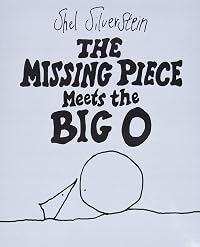
The most popular current writer of humorous verse for children, Shel Silverstein was born in Chicago, Illinois, has been married and divorced, has one daughter, and currently lives in Brooklyn, New York. His career includes composing popular songs, drawing cartoons, writing many adult articles (several for Playboy), and acting. However, he is best show more known for his self-illustrated children's poetry. His first such book was Uncle Shelby's Story of Lafcadio, the Lion Who Shot Back (1963), the humorous tale of a lion who turns the tables on hunters. It was followed by The Giving Tree (1964), a story of a parentlike tree that gives endlessly and is endlessly used by its son. Several other such picture books followed, including The Missing Piece (1976), about a circle that goes in search of a missing piece, and its sequel, The Missing Piece Meets the Big O (1981). However, two collections of poetry are probably his best-loved work: Where the Sidewalk Ends: The Poems and Drawings of Shel Silverstein (1974), and A Light in the Attic (1981). All of Silverstein's poetry for children employs the language play common to Lewis Carroll and Edward Lear. Silverstein is probably the best of the contemporary nonsense poets for children. (Bowker Author Biography) show less
Awards and Honors
Awards
Work Relationships
Is contained in
Common Knowledge
- Original publication date
- 1974-12-11
- People/Characters
- Captain Hook; The Loser; Joey; Jimmy Jet; The Farmer; The Queen
- Dedication
- For Ursula..
- First words
- "Invitation"
If you are a dreamer, come in,
If you are a dreamer, a wisher, a liar,
A hope-er, a pray-er, a magic bean buyer...
If you're a pretender, come sit by my fire
For we have some flax-g... (show all)olden tales to spin.
Come in!
Come in! - Quotations
- “HUG O’ WAR”
I will not play at tug o’ war.
I’d rather play at hug o’ war,
Where everyone hugs
Instead of tugs,
Where everyone giggles
And rolls on the rug,
Where... (show all) everyone kisses,
And everyone grins,
And everyone cuddles,
And everyone wins.
“Listen to the MUSTN’TS, child/ Listen to the DON’TS/ Listen to the SHOULDN’TS/ The IMPOSSIBLES, the WON’TS/ Listen to the NEVER HAVES/ Then listen close to me —/ Anything can happen, child/ ANYTHING can be.” - Last words
- (Click to show. Warning: May contain spoilers.)"The Search"
I went to find the pot of gold
That's waiting where the rainbow ends.
I searched and searched and searched and searched
And searched and searched, and then--
There it was, deep in the grass,
Under an old and twisty bough.
It's mine, it's mine, it's mine at last...
What do I search for now? - Publisher's editor*
- copyright 1974 by Snake Eye Music, Inc. Published 1985 in Israel
- Original language
- English
*Some information comes from Common Knowledge in other languages. Click "Edit" for more information.
Classifications
- Genres
- Poetry, Children's Books, Fiction and Literature
- DDC/MDS
- 811.54 — Literature & rhetoric American literature in English American poetry 20th Century 1945-1999
- LCC
- PZ8.3 .S5844 .W — Language and Literature Fiction and juvenile belles lettres Fiction and juvenile belles lettres Juvenile belles lettres
- BISAC
Statistics
- Members
- 18,427
- Popularity
- 337
- Reviews
- 513
- Rating
- (4.32)
- Languages
- 9 — Chinese, Dutch, English, French, German, Hebrew, Korean, Farsi/Persian, Spanish
- Media
- Paper, Audiobook, Ebook
- ISBNs
- 39
- UPCs
- 5
- ASINs
- 39