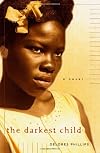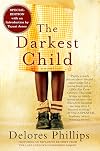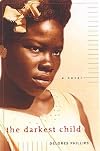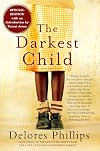
The Darkest Child
by Delores Phillips
On This Page
Description
Fiction. African American Fiction. Literature. Historical Fiction. HTML:Pakersfield, Georgia, 1958: Thirteen-year-old Tangy Mae Quinn is the sixth of ten fatherless siblings. She is the darkest-skinned among them and therefore the ugliest in her mother, Rozelle's, estimation, but she's also the brightest. Rozelle—beautiful, charismatic, and light-skinned—exercises a violent hold over her children. Fearing abandonment, she pulls them from school at the age of twelve and sends them to earn show more their keep for the household, whether in domestic service, in the fields, or at "the farmhouse" on the edge of town, where Rozelle beds local men for money.But Tangy Mae has been selected to be part of the first integrated class at a nearby white high school. She has a chance to change her life, but can she break from Rozelle's grasp without ruinous—even fatal—consequences? show less
Tags
Recommendations
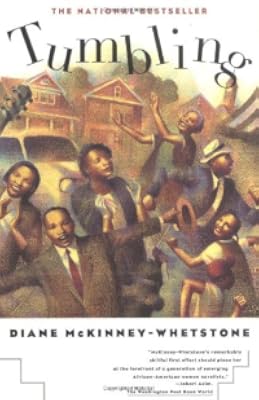
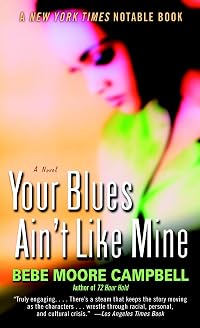
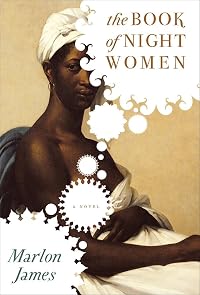

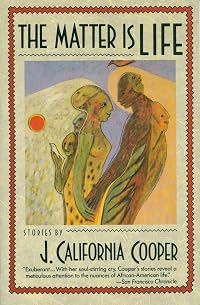


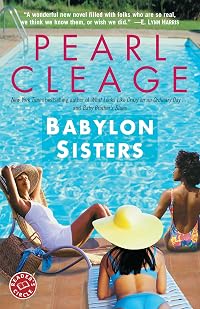
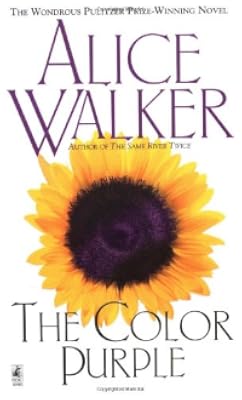
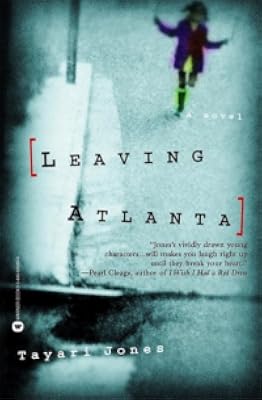
Member Recommendations
Member Reviews
Tangy's skin is the darkest of her siblings, and she feels it acutely. This young teenager struggles to survive a volatile period in American history with a mother who values her children based on the color of their skin. As Tangy says herself, "there's something wrong with Mama."
Oh, is there ever something wrong with Mama!
I knew this would be a hard novel to get through, however, I didn't realize just how disturbing it would become. Early on in the novel, Tangy relates how her mother, Rozelle, ensured none of them would touch a particular box: she slams an ice pick into one of her daughter's hands. And the abuse heaped on the children worsens from there.
The more I read, the more horrified I was with Rozelle's actions. Of course, the show more time period this was set, there was little the children could be done and if there had been someone they could have turned to, I don't think they would have due to their mother's manipulative behavior. What made Rozelle so unsettling were the moments when she acted like a caring mother.
Tangy herself at times seems to be just the tool for us to observe this mother's actions. It was difficult to really pinpoint her personality. (Also, the moment when she is chosen to attend an all-white school happens, I expected to have more impact on the story and to happen sooner than it did.) She's smart, but perhaps as a result of her mother, she keeps herself suppressed to protect herself.
The author's narrative was effective. I felt like I was there, living the horror with Tangy. There were moments of strong language, no doubt appropriate for the time and situation, but distasteful to me. Also when Rozelle decides Tangy is old enough to "work" (sells her for sex), the details were more than necessary.
Many of commented on the ending. It does feel open-ended, as though nothing were really resolved. I suspect the author was trying to keep to real life. Not everyone gets what they deserve, but it is still disappointing.
Overall, this is a book I would only recommend to those who are prepared for the abuse detailed within. Even if the author had lived long enough to complete the sequel, I don't think I would have been able to read it.
I received a free copy from NetGalley for reviewing purposes. show less
Oh, is there ever something wrong with Mama!
I knew this would be a hard novel to get through, however, I didn't realize just how disturbing it would become. Early on in the novel, Tangy relates how her mother, Rozelle, ensured none of them would touch a particular box: she slams an ice pick into one of her daughter's hands. And the abuse heaped on the children worsens from there.
The more I read, the more horrified I was with Rozelle's actions. Of course, the show more time period this was set, there was little the children could be done and if there had been someone they could have turned to, I don't think they would have due to their mother's manipulative behavior. What made Rozelle so unsettling were the moments when she acted like a caring mother.
Tangy herself at times seems to be just the tool for us to observe this mother's actions. It was difficult to really pinpoint her personality. (Also, the moment when she is chosen to attend an all-white school happens, I expected to have more impact on the story and to happen sooner than it did.) She's smart, but perhaps as a result of her mother, she keeps herself suppressed to protect herself.
The author's narrative was effective. I felt like I was there, living the horror with Tangy. There were moments of strong language, no doubt appropriate for the time and situation, but distasteful to me. Also when Rozelle decides Tangy is old enough to "work" (sells her for sex), the details were more than necessary.
Many of commented on the ending. It does feel open-ended, as though nothing were really resolved. I suspect the author was trying to keep to real life. Not everyone gets what they deserve, but it is still disappointing.
Overall, this is a book I would only recommend to those who are prepared for the abuse detailed within. Even if the author had lived long enough to complete the sequel, I don't think I would have been able to read it.
I received a free copy from NetGalley for reviewing purposes. show less
This book is excellent in evoking all emotions but mostly hatred toward Rosie (the mother). Tangy Mae is a smart child of 10 with common sense and you just want to snatch her away from her crazy mama. This story compels you from the start to the end with you saying 'what could possibly happen next'. I'm looking forward to her next novel.
The story is mixed with some historical moments set back in the 40's, 50's and 60's. It depicts the rural south and living in a small town during racial hatred. Filled with grand plot events, racial tension, and family violence, this debut is a sensational read.
The story is mixed with some historical moments set back in the 40's, 50's and 60's. It depicts the rural south and living in a small town during racial hatred. Filled with grand plot events, racial tension, and family violence, this debut is a sensational read.
This was a very difficult book to read. Good but emotionally draining. Originally begun months ago, I gratefully set it aside for awhile because it was a little more "raw" than I'm used to reading.
Tangy Mae is growing up in the segregated south in a house which doesn't feel much like a home. Her brothers and sisters all have different fathers - assuming they know who their fathers are - and the emotional outbursts of the mother force the siblings into each others' arms. But this mother transcends the standard shortfalls of the typical head of a literary disfunctional family. Verbal and physical abuse are daily occurences and mental cruelty is a given, but the prostituting of her daughters to cover the family's expenses was a bit too show more much for me.
If you can rise above this kind of writing - in my case simply reminding myself (repeatedly) that these characters were fictional - this is well worth your time. Just be advised that realistic fiction gets that term for a reason, and just knowing that some of what is described actually could (and does) take place raises the author's writing to a different level. show less
Tangy Mae is growing up in the segregated south in a house which doesn't feel much like a home. Her brothers and sisters all have different fathers - assuming they know who their fathers are - and the emotional outbursts of the mother force the siblings into each others' arms. But this mother transcends the standard shortfalls of the typical head of a literary disfunctional family. Verbal and physical abuse are daily occurences and mental cruelty is a given, but the prostituting of her daughters to cover the family's expenses was a bit too show more much for me.
If you can rise above this kind of writing - in my case simply reminding myself (repeatedly) that these characters were fictional - this is well worth your time. Just be advised that realistic fiction gets that term for a reason, and just knowing that some of what is described actually could (and does) take place raises the author's writing to a different level. show less
This book is quite possibly one of the most disturbing books I've read. And that's why I gave it 4 stars. Any book that grab and twist my emotions is a winner. I wanted to stop reading it ~ the abuse scenes were cringe worthy. Not just the physical aspects, but the mental aspects... a part of me just kept asking myself if there are really kids who are living under these conditions and I know there are which made this story all the more compelling.
Tangy and her siblings are sympathetically written. They have hopes and dreams, the need to be loved... All of this despite everything that their mother did to them. I like that the end of the book was open ended, instead of wrapped in a neat little package. Phillips debut novel is definitely show more an emotional journey not for the faint of heart.
I would recommend this novel for book discussion groups because of the varied topics: race relations, child abuse, color issues within the black community, poverty and education. Just be prepared to put the book down and walk away for a few minutes. show less
Tangy and her siblings are sympathetically written. They have hopes and dreams, the need to be loved... All of this despite everything that their mother did to them. I like that the end of the book was open ended, instead of wrapped in a neat little package. Phillips debut novel is definitely show more an emotional journey not for the faint of heart.
I would recommend this novel for book discussion groups because of the varied topics: race relations, child abuse, color issues within the black community, poverty and education. Just be prepared to put the book down and walk away for a few minutes. show less
This was a gut-wrenching story beginning to end. It kept me captivated, but exhausted me emotionally. Reflection on this makes me wonder if the author wasn't trying to pen as much pain as she could here. Maybe it's a real story - it certainly could be, the way humans can be so dispicable to each other - but I kinda doubt it. It's rather over-the-top in that aspect. The ending was very abrupt and left many questions unanswered as well.
The Darkest Child by Delores Phillips is soul wrenching horrendous. One would never believe that a Mother could so deeply harm a child, let alone "10" of them, emotionally, spiritually, physically and mentally. Rozelle is a woman who is Pure Evil! She cares for no one, not even herself. Unfortunately, the reader never finds out why Rozelle is the way she is. She's hateful, spiteful, souless, and completely mental. She has 10 children by 10 different men. Most are as white as she is with one being what she calls "A Dummy" and the other "Dark as her tires". This is a Mother who pimps her sons and prostitutes her daughters.
They lived in a small town in 50's and 60's back when there were signs of segregation and blacks were no longer slaves show more but instead paid slaves, maids. The people in the town had just grown accustomed to the way things were and weren't looking nor asking for change. And when one does he dissappears. There are many complex characters in this story. It is a page turner for sure. I just couldn't stop reading about this mass of disfunction.
I was disheartened to learn that Ms. Phillips hasn't written another novel. I wouldn't have thought from the texture and complex nature of this novel, it was her first. I'm sure I wont forget this book any time soon. It is hard for me to write this review without giving away spoilers. There's just too much to tell. Pick this book up. You wont be dissappointed.
Some Quotes;
"Took everything out, said I couldn't have no mo', and all I got was a darkie"
"We could feel recognizable anger replace incomprehensible insanity,"
"Mama stood at the edge of the porch dangling our baby sister over the side by one arm"
"I musta been 'bout 'leven or twelve when Mama tried to get Mr. Frank to screw me."
"Says she lit a match and threw it. Just walked on out the damn house and left my sister in there to burn." show less
They lived in a small town in 50's and 60's back when there were signs of segregation and blacks were no longer slaves show more but instead paid slaves, maids. The people in the town had just grown accustomed to the way things were and weren't looking nor asking for change. And when one does he dissappears. There are many complex characters in this story. It is a page turner for sure. I just couldn't stop reading about this mass of disfunction.
I was disheartened to learn that Ms. Phillips hasn't written another novel. I wouldn't have thought from the texture and complex nature of this novel, it was her first. I'm sure I wont forget this book any time soon. It is hard for me to write this review without giving away spoilers. There's just too much to tell. Pick this book up. You wont be dissappointed.
Some Quotes;
"Took everything out, said I couldn't have no mo', and all I got was a darkie"
"We could feel recognizable anger replace incomprehensible insanity,"
"Mama stood at the edge of the porch dangling our baby sister over the side by one arm"
"I musta been 'bout 'leven or twelve when Mama tried to get Mr. Frank to screw me."
"Says she lit a match and threw it. Just walked on out the damn house and left my sister in there to burn." show less
Lately, I've been reading about families. The more dysfunctional, the better. The Darkest Child certainly fits the bill. Well written, true dialogue, achingly realistic, this is a story of triumph despite unbelievable odds. Narrated by thirteen-year-old Tangy Mae (she and I share middle names) who is the darkest child, the opening scene introduces Rozelle Quinn, the most manipulative, controlling, abusive, evil mother imaginable. After reading this book, I will never complain about my upbringing again. The following summary is from litlovers.com
Rozelle Quinn is so fair-skinned that she can pass for white. Yet everyone in her small Georgia town knows. Rozelle's ten children (by ten different daddies) are mostly light, too. They sleep on show more the floor in her drafty, rickety three-room shack and live in fear of her moods and temper. But they are all vital to her. They occupy the only world she rules and controls. They multiply her power in an otherwise cruel and uncaring universe.
Rozelle favors her light-skinned kids, but insists that they all love and obey her unquestioningly. Tangy Mae, thirteen, is her brightest but darkest-complected child. Tangy wants desperately to continue with her education. Shockingly, the highest court in the land has just ruled that Negroes may go to school with whites. Her mother, however, has other plans.
Rozelle wants her daughter to work, cleaning houses for whites, like she does, and accompany her to the "Farmhouse," where Rozelle earns extra money bedding men. Tangy Mae, she's decided, is of age.
show less
Rozelle Quinn is so fair-skinned that she can pass for white. Yet everyone in her small Georgia town knows. Rozelle's ten children (by ten different daddies) are mostly light, too. They sleep on show more the floor in her drafty, rickety three-room shack and live in fear of her moods and temper. But they are all vital to her. They occupy the only world she rules and controls. They multiply her power in an otherwise cruel and uncaring universe.
Rozelle favors her light-skinned kids, but insists that they all love and obey her unquestioningly. Tangy Mae, thirteen, is her brightest but darkest-complected child. Tangy wants desperately to continue with her education. Shockingly, the highest court in the land has just ruled that Negroes may go to school with whites. Her mother, however, has other plans.
Rozelle wants her daughter to work, cleaning houses for whites, like she does, and accompany her to the "Farmhouse," where Rozelle earns extra money bedding men. Tangy Mae, she's decided, is of age.
show less
Members
- Recently Added By
Author Information

2 Works 530 Members
Awards and Honors
Awards
Notable Lists
Common Knowledge
- Canonical title
- The Darkest Child
- Original publication date
- 2004-01-04
- People/Characters
- Rozelle Mae Quinn; Tangy Mae Quinn; Tarabelle Quinn; Martha Jean Quin; Laura Quinn; Edna Quinn (show all 10); Harvey Quinn; Sam Quinn; Wallace Quinn; Mushy Quinn
- Important places
- Pakersfield, Georgia, USA
- Important events
- Brown v. Board of Education (1954)
- Dedication
- To my sister, Linda Miller, my brothers, Lennie Miller and Gregory Green, and my daughter, Shalana Harris.
- First words
- Mama washed the last dish she ever intended to wash. I alone witnessed the event, in silence.
- Quotations
- "honor thy mother".
- Last words
- (Click to show. Warning: May contain spoilers.)"Your first remembered sight was..."
Classifications
Statistics
- Members
- 528
- Popularity
- 56,569
- Reviews
- 24
- Rating
- (4.17)
- Languages
- English
- Media
- Paper, Audiobook, Ebook
- ISBNs
- 16
- ASINs
- 4