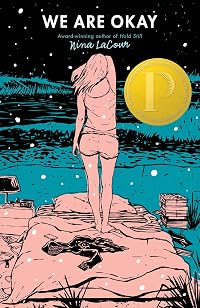
We Are Okay
by Nina LaCour
On This Page
Description
Winner of the 2018 Michael L. Printz Award — An achingly beautiful novel about grief and the enduring power of friendship.“Short, poetic and gorgeously written.” —The New York Times Book Review
“A beautiful, devastating piece of art." —Bookpage
You go through life thinking there’s so much you need. . . . Until you leave with only your phone, your wallet, and a picture of your mother. Marin hasn’t spoken to anyone from her old life since the day she left everything show more behind. No one knows the truth about those final weeks. Not even her best friend Mabel. But even thousands of miles away from the California coast, at college in New York, Marin still feels the pull of the life and tragedy she’s tried to outrun. Now, months later, alone in an emptied dorm for winter break, Marin waits. Mabel is coming to visit and Marin will be forced to face everything that’s been left unsaid and finally confront the loneliness that has made a home in her heart.
An intimate whisper that packs an indelible punch, We Are Okay is Nina LaCour at her finest. This gorgeously crafted and achingly honest portrayal of grief will leave you urgent to reach across any distance to reconnect with the people you love.
Praise for We Are Okay
“Nina LaCour treats her emotions so beautifully and with such empathy.” —Bustle
? “Exquisite.” —Kirkus
? “LaCour paints a captivating depiction of loss, bewilderment, and emotional paralysis . . . raw and beautiful.” —Booklist
? “Beautifully crafted . . . . A quietly moving, potent novel.” —SLJ
? “A moving portrait of a girl struggling to rebound after everything she’s known has been thrown into disarray.” —Publishers Weekly
?"Bittersweet and hopeful . . . poetic and skillfully crafted." —Shelf Awareness
“So lonely and beautiful that I could hardly breathe. This is a perfect book.” —Stephanie Perkins, bestselling author of Anna and the French Kiss
“As beautiful as the best memories, as sad as the best songs, as hopeful as your best dreams.”
—Siobhan Vivian, bestselling author of The Last Boy and Girl in the World
“You can feel every peak and valley of Marin’s emotional journey on your skin, in your gut. Beautifully written, heartfelt, and deeply real.” —Adi Alsaid, author of Never Always Sometimes and Let’s Get Lost. show less
Tags
Recommendations
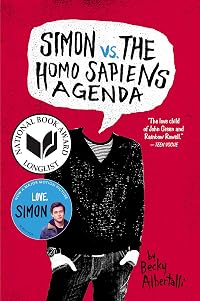
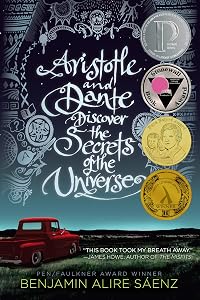
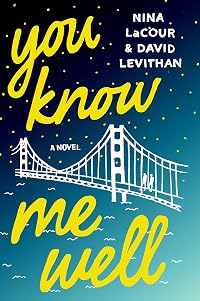
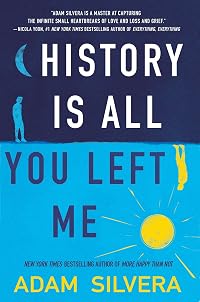
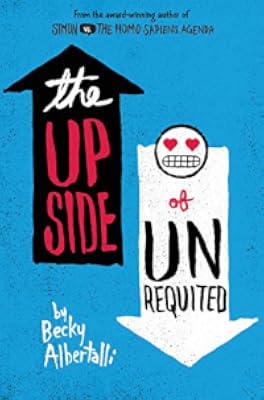
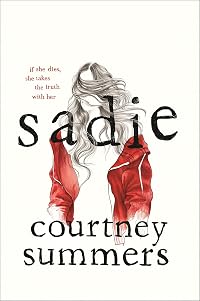
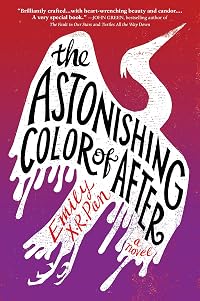
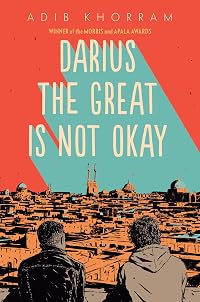

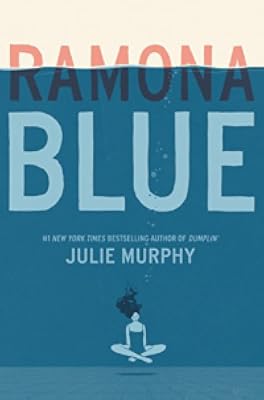
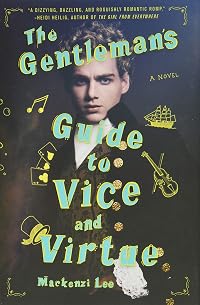
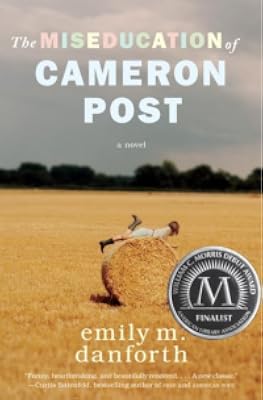
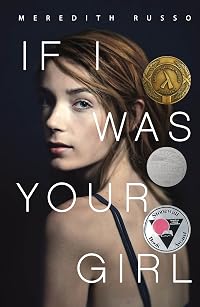
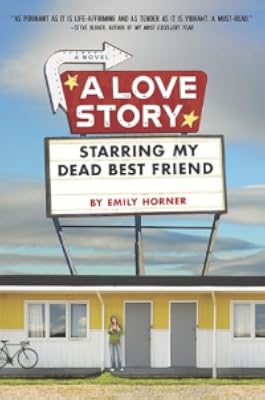
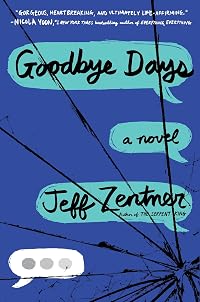

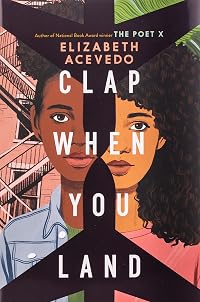
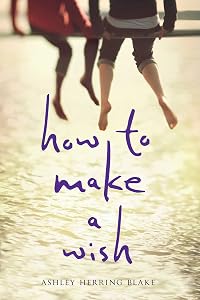
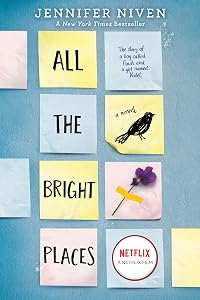
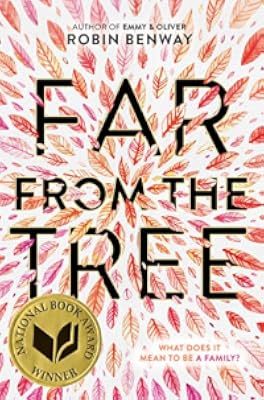
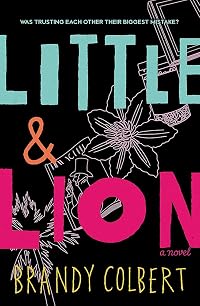
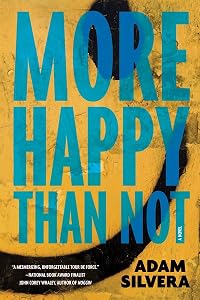



Member Recommendations

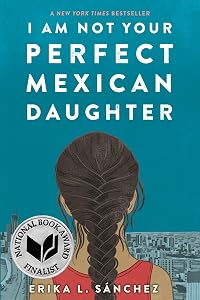
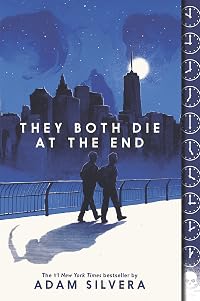
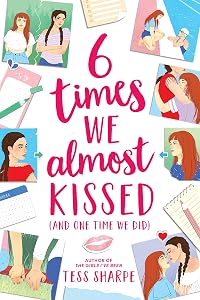
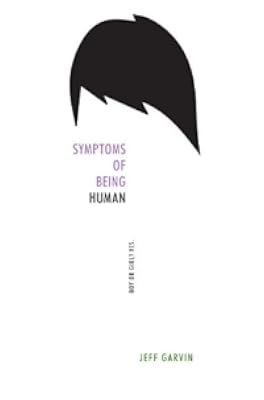
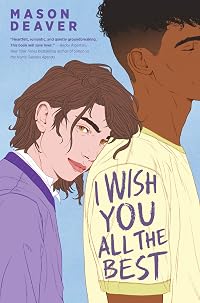
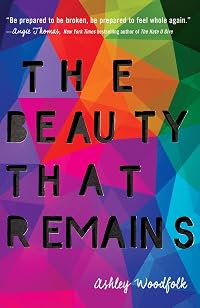
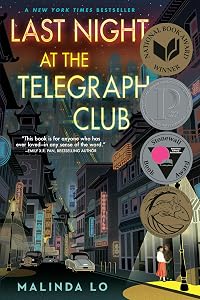
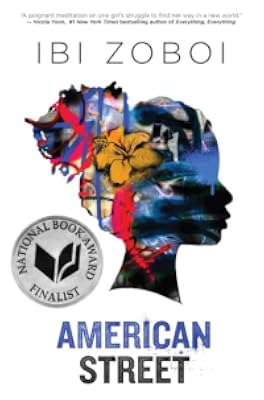
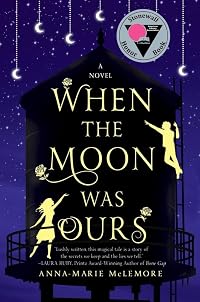
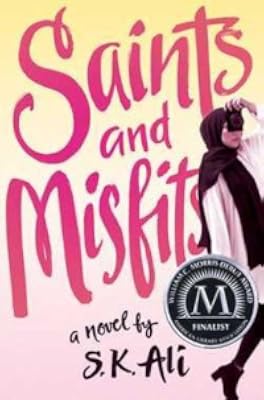
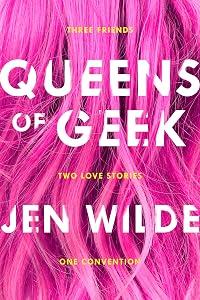
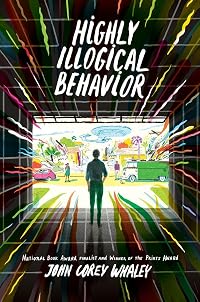
beyondthefourthwall Lovely, deep, poetic YA novels about grief, love, friendship, home, place, and memory.
Member Reviews
I feel like writing this review is dangerous, because it seems like everyone loves this novel (it even won a Printz award), but wow … did I really, really not like it.
Content warnings:
- ableism! (the main reason for this is spoilery, but I’ll explain it below)
- drowning
- the Inuit slur
Representation:
- the main character (Marin) is a wlw
- her ex (Mabel) is bi
- Mabel and her family are latine
We Are Okay is a plotless novel (the genre, not my opinion) about a girl running to escape her grief. After her “gramps” dies, Marin goes to live in her college dorms early without telling anyone, cutting off contact with everyone she knew from her old life, and tries to make a fresh start. But when her ex and best friend, Mabel, comes to show more visit her over Christmas break, she’s forced to confront the reasons that made her run.
Plotless novels are ones in which characters are the driving force, not plot - there’s really no plot to speak of. They’re more “slice of life” stories, or books with the focus being on character tension rather than plot, or even “picaresque novels,” which are simply series of vignettes. We Are Okay explores a couple days of Marin's grief along with flashbacks that led up to Gramp’s death.
I don’t have a problem with the fact that it’s a plotless novel, that characters enter into the story only to never appear again, or that kind of pointless things are described in great detail, like peeing or characters brushing their teeth. I don’t have a problem with them, but I’m not interested in how they’re written, either, done in a way that screams, “I’m being deep! Can you tell?” like every time Marin compares her situation to something that happens in her favorite classic novel.
But most of all, and honestly everything else pales in comparison to this, is the ableism. I am so, SO surprised that no one has mentioned this (or maybe I haven’t looked thoroughly enough), but the entire twist (and the entire story, then) is only made possible at all because of ableist tropes! It would be impossible to write this without it. There’s a mystery building throughout the novel: why did Marin run away without telling anyone after her Gramps died? It’s not just because of grief. Something in her grandpa’s room scared her. And of course later it’s discovered that Marin’s grandpa suffered from grief so strongly he was unable to move past Marin’s mother’s death. He had created a museum-like shrine of her in his bedroom closet and wrote letters to her, to which he replied to himself as Marin’s mother.
Now, if this had been handled differently, if Marin had processed this and had maybe been taught that this kind of mental illness (aka mental illnesses beyond depression or anxiety) wasn’t something scary, I would feel differently. But till the end she maintained that Gramps had failed her, that she didn’t know him at all, that he wasn’t even a person, etc. She didn’t sympathize with him in any way, even though she suffered greatly from grief and depression herself. And while the ending was immensely satisfying when she finally got a connection to her mother she'd been missing her entire life, it just doesn't make up for everything else.
Maybe that's also because this isn’t the only instance of ableism in the book (though it is the worst and the biggest). At one point, Marin had lived in a motel that had seen better days, and she tells her friend about all the mentally ill people she had come across there like they're zoo animals, the “howling woman” being the most notable. Worse, Mabel compares herself to Jane Eyre, and this woman as Mr. Rochester’s First wife: “The fact of her was scary enough, but the fact of me, in an identical room, just as alone as she was, that was the worst part. There was only a wall between us, and it was so thin it was almost nothing. Jane, too, was once locked up in a room with a ghost. It was terrifying …”
Combined with what we now know of Gramps, it doesn’t paint a great picture.
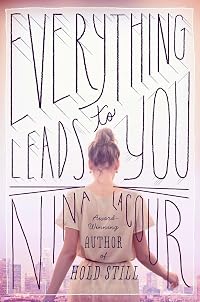
All in all I don’t think Nina LaCour is someone whose writing I enjoy. I suspected it with her other novel, Everything Leads To You, and now I know for sure. show less
Content warnings:
- ableism! (the main reason for this is spoilery, but I’ll explain it below)
- drowning
- the Inuit slur
Representation:
- the main character (Marin) is a wlw
- her ex (Mabel) is bi
- Mabel and her family are latine
We Are Okay is a plotless novel (the genre, not my opinion) about a girl running to escape her grief. After her “gramps” dies, Marin goes to live in her college dorms early without telling anyone, cutting off contact with everyone she knew from her old life, and tries to make a fresh start. But when her ex and best friend, Mabel, comes to show more visit her over Christmas break, she’s forced to confront the reasons that made her run.
Plotless novels are ones in which characters are the driving force, not plot - there’s really no plot to speak of. They’re more “slice of life” stories, or books with the focus being on character tension rather than plot, or even “picaresque novels,” which are simply series of vignettes. We Are Okay explores a couple days of Marin's grief along with flashbacks that led up to Gramp’s death.
I don’t have a problem with the fact that it’s a plotless novel, that characters enter into the story only to never appear again, or that kind of pointless things are described in great detail, like peeing or characters brushing their teeth. I don’t have a problem with them, but I’m not interested in how they’re written, either, done in a way that screams, “I’m being deep! Can you tell?” like every time Marin compares her situation to something that happens in her favorite classic novel.
But most of all, and honestly everything else pales in comparison to this, is the ableism. I am so, SO surprised that no one has mentioned this (or maybe I haven’t looked thoroughly enough), but the entire twist (and the entire story, then) is only made possible at all because of ableist tropes! It would be impossible to write this without it. There’s a mystery building throughout the novel: why did Marin run away without telling anyone after her Gramps died? It’s not just because of grief. Something in her grandpa’s room scared her. And of course later it’s discovered that
Now, if this had been handled differently, if Marin had processed this and had maybe been taught that this kind of mental illness (aka mental illnesses beyond depression or anxiety) wasn’t something scary, I would feel differently. But till the end she maintained that Gramps had failed her, that she didn’t know him at all, that he wasn’t even a person, etc. She didn’t sympathize with him in any way, even though she suffered greatly from grief and depression herself. And while the ending was immensely satisfying when she finally got a connection to her mother she'd been missing her entire life, it just doesn't make up for everything else.
Maybe that's also because this isn’t the only instance of ableism in the book (though it is the worst and the biggest). At one point, Marin had lived in a motel that had seen better days, and she tells her friend about all the mentally ill people she had come across there like they're zoo animals, the “howling woman” being the most notable. Worse, Mabel compares herself to Jane Eyre, and this woman as Mr. Rochester’s First wife: “The fact of her was scary enough, but the fact of me, in an identical room, just as alone as she was, that was the worst part. There was only a wall between us, and it was so thin it was almost nothing. Jane, too, was once locked up in a room with a ghost. It was terrifying …”
Combined with what we now know of Gramps, it doesn’t paint a great picture.
All in all I don’t think Nina LaCour is someone whose writing I enjoy. I suspected it with her other novel, Everything Leads To You, and now I know for sure. show less
If you need me, I’ll just be over here bawling my eyes out.
This novel is everything and more. It is a coming of age story. It is a finding yourself story. It is finding out our loved ones are sometimes more damaged than we knew and how that can, in turn, damage us.
This novel is everything and more. It is a coming of age story. It is a finding yourself story. It is finding out our loved ones are sometimes more damaged than we knew and how that can, in turn, damage us.
An intimate and honest book about grief, We Are Okay tells us about Marin who suffers from the loss of her grandfather four months ago. In silence and in loneliness she keeps the tragedy to herself, but now her childhood friend Mabel comes to visit, Marin finally has to face her past and her emotions.
This is a book about grief, loss, and solitude, but if I had to describe this story in one word, I would say “quiet”. “Melancholic”. The story takes place in New York in a snowy winter, at an empty college campus. Mabel and Marin are the only ones staying there, apart but together, with the past between them like a buried treasure chest. By switching between the college dorm in New York and San Francisco in the summer four months show more earlier, we slowly dig that chest up, and find out why Marin rather wants to keep things hidden.
But although grief is the main subject, author present to us with things to discuss about like leaving your childhood home and your friends behind, discussing literature and art, female friendship, to lesbian romance: with her gentle, beautiful writing the author paints a story that feels so very alive. Slowly Marin’s heavy sorrow will crawl underneath your skin, making you cry only she allows herself to cry, because then you both stop pushing everything away and look the truth in the eye.
I adored all the different relationships in this book. Marin and Gramps, tenderly living together but each hiding many a secret from each other. Marin and her amazing Mexican-American family, with Javier and Ana as one of the kindest people I’ve ever read about. But mostly I loved Marin and Mabel, who go from strangers to friends to lovers to something more undefinable and then…they try to find their footing again.
This novel is tragic and hopeful and make reader cry at various points and while not much happens plot-wise, the personal journey you go on (with Marin) is very heartfelt. show less
This is a book about grief, loss, and solitude, but if I had to describe this story in one word, I would say “quiet”. “Melancholic”. The story takes place in New York in a snowy winter, at an empty college campus. Mabel and Marin are the only ones staying there, apart but together, with the past between them like a buried treasure chest. By switching between the college dorm in New York and San Francisco in the summer four months show more earlier, we slowly dig that chest up, and find out why Marin rather wants to keep things hidden.
But although grief is the main subject, author present to us with things to discuss about like leaving your childhood home and your friends behind, discussing literature and art, female friendship, to lesbian romance: with her gentle, beautiful writing the author paints a story that feels so very alive. Slowly Marin’s heavy sorrow will crawl underneath your skin, making you cry only she allows herself to cry, because then you both stop pushing everything away and look the truth in the eye.
I adored all the different relationships in this book. Marin and Gramps, tenderly living together but each hiding many a secret from each other. Marin and her amazing Mexican-American family, with Javier and Ana as one of the kindest people I’ve ever read about. But mostly I loved Marin and Mabel, who go from strangers to friends to lovers to something more undefinable and then…they try to find their footing again.
This novel is tragic and hopeful and make reader cry at various points and while not much happens plot-wise, the personal journey you go on (with Marin) is very heartfelt. show less
Marin is alone in her NY freshman college dorm, which is emptied for the winter break. But she's also alone in all sorts of other ways; she's cut herself off from her old life in California, both terrified of and embracing the loneliness of losing her grandfather, her only family. Now Mabel is coming to visit her and she both longs for and dreads the company.
I can't begin to describe this book in any way that will do it the justice it deserves. The story unfolds slowly, delicately (you feel that if, like a very old bit of folded paper, it didn't do so gently it would crumble beneath your fingers and be lost), and it is gorgeous and stark, sad and wonderful. I loved Marin from the first page to the last and cried a whole spectrum of show more tears with her and for her. show less
I can't begin to describe this book in any way that will do it the justice it deserves. The story unfolds slowly, delicately (you feel that if, like a very old bit of folded paper, it didn't do so gently it would crumble beneath your fingers and be lost), and it is gorgeous and stark, sad and wonderful. I loved Marin from the first page to the last and cried a whole spectrum of show more tears with her and for her. show less
Ms. LaCour can pack a lot into three days, which is the time span of her latest novel, We Are Okay. (By the way, it only took me two days to read, it’s that engrossing.) Mabel’s mother died when she was young and she lived with her grandfather, each having their own bedroom and sharing the common space of the kitchen, living room and dining room. Respecting each other’s privacy, neither ventured into the inner sanctum of the other.
But one summer day after high school graduation, Gramps doesn’t answer when Marin comes home. Busy with summer fun and new girlfriend, Mabel, Marin has pretty much ignored Gramps, minimizing his failing health. Fearing the worst, Marin enters her grandfather’s bedroom, which actually consists of a show more sitting room and adjoining room and discovers something she never thought existed and which changed her opinion of Gramps forever.
The police are called and a shaken Marin is taken to the police station but rather than go home with Mabel’s parents (who are almost like a second set of parents) she slips out the back door and boards a bus from California to upstate New York and college with nothing but the shirt on her back, her cell phone and her debit card, even though school doesn’t start for two weeks. She ignores Mabel’s frantic texts for weeks before they dwindle into non-existence.
However, Mabel hasn’t given up and visits Marin at school for three days over Christmas break, which is where the story unfolds.
Through the action of the present and flashbacks to the previous summer, readers understand the torture that these two young women underwent, the loss of a grandparent, the loss of a friend. But it also reinforces the concept of family which is not just biological commonality. Mabel and Marin are endearing characters. You like them immediately. Their pain is understandable. The awkwardness of their reunion is palpable.
We Are Okay is both happy and sad and wonderful. And should you like it, don’t forget Everything Leads to You and Hold Still. show less
But one summer day after high school graduation, Gramps doesn’t answer when Marin comes home. Busy with summer fun and new girlfriend, Mabel, Marin has pretty much ignored Gramps, minimizing his failing health. Fearing the worst, Marin enters her grandfather’s bedroom, which actually consists of a show more sitting room and adjoining room and discovers something she never thought existed and which changed her opinion of Gramps forever.
The police are called and a shaken Marin is taken to the police station but rather than go home with Mabel’s parents (who are almost like a second set of parents) she slips out the back door and boards a bus from California to upstate New York and college with nothing but the shirt on her back, her cell phone and her debit card, even though school doesn’t start for two weeks. She ignores Mabel’s frantic texts for weeks before they dwindle into non-existence.
However, Mabel hasn’t given up and visits Marin at school for three days over Christmas break, which is where the story unfolds.
Through the action of the present and flashbacks to the previous summer, readers understand the torture that these two young women underwent, the loss of a grandparent, the loss of a friend. But it also reinforces the concept of family which is not just biological commonality. Mabel and Marin are endearing characters. You like them immediately. Their pain is understandable. The awkwardness of their reunion is palpable.
We Are Okay is both happy and sad and wonderful. And should you like it, don’t forget Everything Leads to You and Hold Still. show less
Throughout the whole book I knew that this was going to be at least a four star read for me but considering the sobbing mess I was reduced to at the end, this became a very solid 5 stars (who knew books could actually make me feel??)
I adored this book. I had always wanted to pick it up but today I needed to read something that was sad and depressing but with a happy ending, you know to restore my faith in life. And this is probably the best one I could've picked up because I so fully understood and related to Marin. The way that she copes with her problems and the effects that that has on the people that love her, holy goodness every that was being said hit too close to home and I saw too much of myself in her.
The character arc was show more amazing, I loved Nina LaCour's writing, and also wlw!!! I loved this book so much I know I'm going to end up rereading it so many times in the years to come. show less
I adored this book. I had always wanted to pick it up but today I needed to read something that was sad and depressing but with a happy ending, you know to restore my faith in life. And this is probably the best one I could've picked up because I so fully understood and related to Marin. The way that she copes with her problems and the effects that that has on the people that love her, holy goodness every that was being said hit too close to home and I saw too much of myself in her.
The character arc was show more amazing, I loved Nina LaCour's writing, and also wlw!!! I loved this book so much I know I'm going to end up rereading it so many times in the years to come. show less
4.75
Delicate, precious, and fragile. This is one of those books that put emotion and beauty into every single word. Every piece is carefully chosen and we are left with this stunning story. We Are Okay captures the value and meaning of mundane actions that are often written off as pointless. Nina LaCour elegantly writes about betrayal, love, finding your place, and feelings that don't make sense. This book had a calming atmosphere to it. While this is not a book that I would typically look to pick up, it encaptured me from the beginning. Not to mention that this cover, as well as the inside the book on the back of the cover and back of the book, are completely breathtaking. Whoever designed those SERIOUSLY deserves a round of applause show more for illustrating the soul of a book so accurately. show less
Delicate, precious, and fragile. This is one of those books that put emotion and beauty into every single word. Every piece is carefully chosen and we are left with this stunning story. We Are Okay captures the value and meaning of mundane actions that are often written off as pointless. Nina LaCour elegantly writes about betrayal, love, finding your place, and feelings that don't make sense. This book had a calming atmosphere to it. While this is not a book that I would typically look to pick up, it encaptured me from the beginning. Not to mention that this cover, as well as the inside the book on the back of the cover and back of the book, are completely breathtaking. Whoever designed those SERIOUSLY deserves a round of applause show more for illustrating the soul of a book so accurately. show less
Members
- Recently Added By
Lists

Favorite Coming of Age Novels.
164 works; 51 members

2019 Abraham Lincoln Teen Readers' Choice Award
20 works; 5 members

Relationships: LGTBQ
40 works; 2 members

FAB 2021
14 works; 1 member

Schools...high school to college
65 works; 2 members

Bibliotherapy: Family and Personal Social Issues
174 works; 5 members

Dear Nerdfighteria Maybe-Fiction Recommendations
24 works; 1 member

Penguin Random House
458 works; 4 members

Kirkus Starred Fiction Reviews of Books Published in 2017
412 works; 7 members

READ IN 2021
239 works; 4 members

Books recommended by Calgary Public Library staff
1,588 works; 4 members

Vlogbrothers Book Recommendations
307 works; 4 members
Author Information

22+ Works 6,523 Members
Some Editions
Awards and Honors
Awards
Distinctions
Work Relationships
Contains
Common Knowledge
- Original publication date
- 2017-02-14
- People/Characters
- Marin Delaney; Hannah; Mabel Valenzuela; Gramps; Ana Valenzuela; Javier Valenzuela (show all 12); Tommy; Claudia; Ben; Jones; Courtney; Sister Josephine
- Important places
- San Francisco, California, USA; Dutchess County, New York, USA
- Dedication
- For Kristyn, more now than ever, and in memory of my grandfather, Joseph LaCour, forever in my heart.
- First words
- Before Hannah left, she asked if I was sure I'd be okay.
- Last words
- (Click to show. Warning: May contain spoilers.)The whole world was out there, but I was in my mother's arms, and I didn't know it yet.
- Publisher's editor
- Strauss-Gabel, Julie
- Blurbers
- Perkins, Stephanie; Vivian, Siobhan; Alsaid, Adi
- Original language
- English
Classifications
- Genres
- LGBTQ+, Teen, Fiction and Literature, Young Adult
- DDC/MDS
- 813.6 — Literature & rhetoric American literature in English American fiction in English 2000-
- LCC
- PZ7 .L13577 .W — Language and Literature Fiction and juvenile belles lettres Fiction and juvenile belles lettres Juvenile belles lettres
- BISAC
Statistics
- Members
- 2,182
- Popularity
- 9,326
- Reviews
- 91
- Rating
- (4.01)
- Languages
- English, German, Portuguese
- Media
- Paper, Audiobook, Ebook
- ISBNs
- 27
- ASINs
- 5