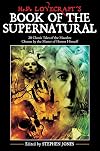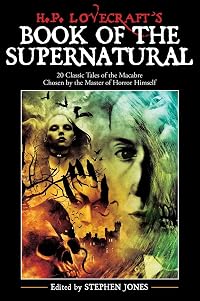
H. P. Lovecraft's Book of the Supernatural: 20 Classic Tales of the Macabre, Chosen by the Master of Horror Himself
by Stephen Jones (Editor), H. P. Lovecraft (Editor)
On This Page
Description
H. P. Lovecraft is arguably the most important horror writer of the twentieth century. Culled from his 1927 essay "Supernatural Horror in Literature," Lovecraft acknowledges those authors and stories that he feels are the very finest the horror field has to offer, including Washington Irving, Edgar Allan Poe, Henry James, Rudyard Kipling, Bram Stoker, Robert Louis Stevenson, Guy de Maupassant, Ambrose Bierce, and Arthur Conan Doyle. This chilling collection includes twenty works, each show more prefaced by Lovecraft's own opinions and insights in each author's work, as well as Henry James' wonderfully atmospheric short novel, The Turn of the Screw. For every fan of modern horror, here is an opportunity to rediscover the origins of the genre with some of most terrifying stories ever imagined. show lessTags
Recommendations











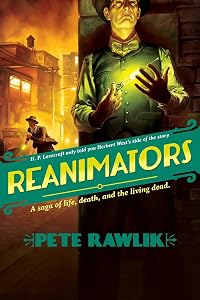
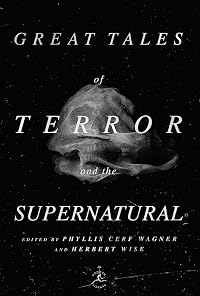
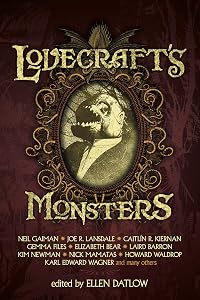
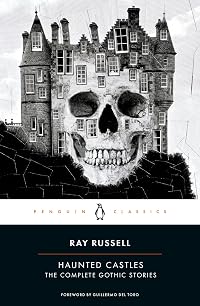


Member Recommendations

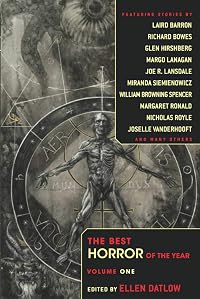
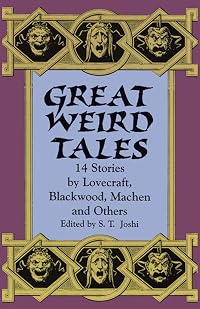
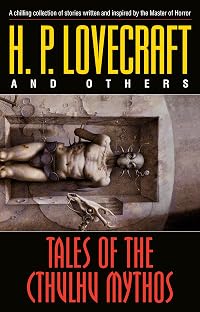
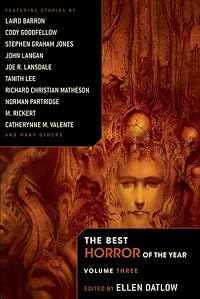
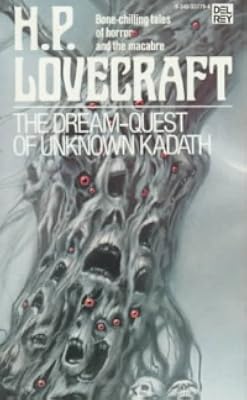
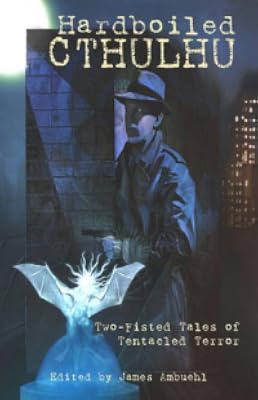
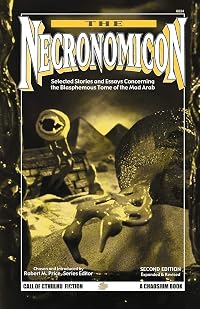
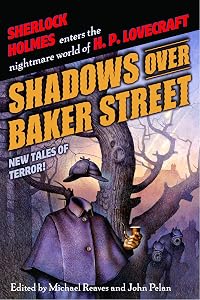
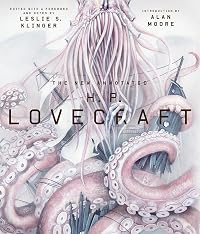
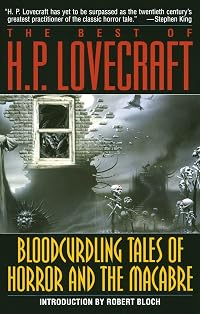
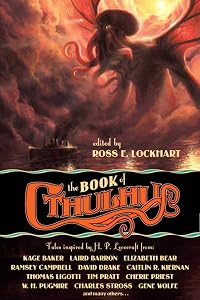
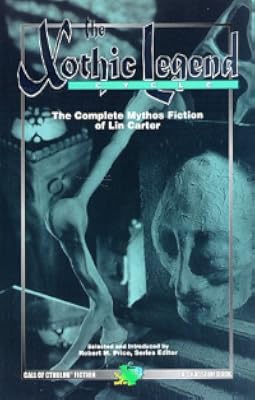
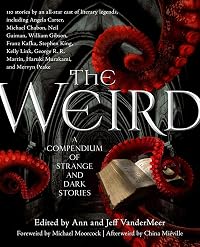
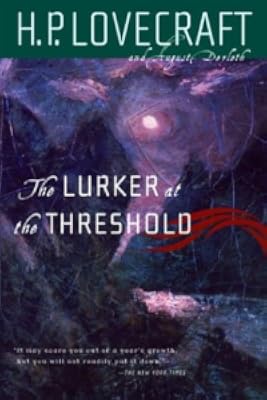
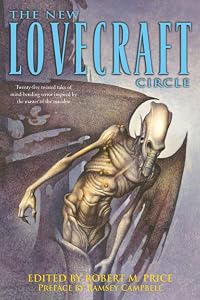
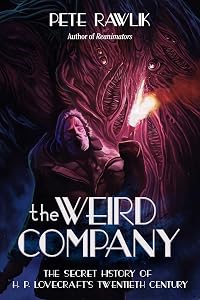
josh314 An extremely similar anthology of classic horror stories. Contains stories by many of the same authors, with each story again introduced by Lovecraft.
Member Reviews
An excellent collection of supernatural thrillers from the library of pulp-era cosmic horror writer H.P. Lovecraft. You can clearly see the influence on his earlier works in some of these tales. These are tales of ghosts, madness, and of intrusions from realms unknown. Highly recommended for fans of quiet, intellectual horror, not in the Grand Guignol style.
H.P. Lovecraft has become almost a cult classic in the literary world. He still doesn’t enjoy the success or acclaim of better-known horror writers like Edgar Allan Poe or Bram Stoker. Yet there is still an audience for Lovecraft now, 70 years after his death. Part of the reason is that he was an astute reader of his chosen genre. Lovecraft’s insightful essays on what makes a good horror story have now spawned several collections of short stories, including this one.
This book includes stories by Poe, Guy de Maupassant, Washington Irving and others. It’s fun and varied reading from authors who may be better known for their more mainstream works.
This book includes stories by Poe, Guy de Maupassant, Washington Irving and others. It’s fun and varied reading from authors who may be better known for their more mainstream works.
Very Cool Stories
This was a great book of different stories from some of the classic masters of horror which paved the way for most of the horror we have today. Four star read for keeping me entertained.
This was a great book of different stories from some of the classic masters of horror which paved the way for most of the horror we have today. Four star read for keeping me entertained.
Ratings
Members
- Recently Added By
Author Information


Howard Phillips Lovecraft, 1890 - 1937 H. P. Lovecraft was born on August 20, 1890 in Providence, Rhode Island. His mother was Sarah Susan Phillips Lovecraft and his father was Winfield Scott Lovecraft, a traveling salesman for Gorham & Co. Silversmtihs. Lovecraft was reciting poetry at the age of two and when he was three years old, his father show more suffered a mental breakdown and was admitted to Butler Hospital. He spent five years there before dying on July 19, 1898 of paresis, a form of neurosyphillis. During those five years, Lovecraft was told that his father was paralyzed and in a coma, which was not the case. His mother, two aunts and grandfather were now bringing up Lovecraft. He suffered from frequent illnesses as a boy, many of which were psychological. He began writing between the ages of six and seven and, at about the age of eight, he discovered science. He began to produce the hectographed journals, "The Scientific Gazette" (1899-1907) and "The Rhode Island Journal of Astronomy" (1903-07). His first appearance in print happened, in 1906, when he wrote a letter on an astronomical matter to The Providence Sunday Journal. A short time later, he began writing a monthly astronomy column for The Pawtuxet Valley Gleaner - a rural paper. He also wrote columns for The Providence Tribune (1906-08), The Providence Evening News (1914-18), The Asheville (N.C.) Gazette-News (1915). In 1904, his grandfather died and the family suffered severe financial difficulties, which forced him and his mother to move out of their Victorian home. Devastated by this, he apparently contemplated suicide. In 1908, before graduating from high school, he suffered a nervous breakdown. He didn't receive a diploma and failed to get into Brown University, both of which caused him great shame. Lovecraft was not heard from for five years, re-emerging because of a letter he wrote in protest to Fred Jackson's love story in The Argosy. His letter was published in 1913 and caused great controversy, which was noted by Edward F. Daas, President of the United Amateur Press Association (UAPA). Daas invited Lovecraft to join the UAPA, which he did in early 1914. He eventually became President and Official Editor of the UAPA and served briefly as President of the rival National Amateur Press Association (NAPA). He published thirteen issues of his own paper, The Conservative (1915-23) and contributed poetry and essays to other journals. He also wrote some fiction which titles include "The Beast in the Cave" (1905), "The Alchemist" (1908), "The Tomb" and "Dagon" (1917). In 1919, Lovecraft's mother was deteriorating, mentally and physically, and was admitted to Butler Hospital. On May 24, 1921, his mother died from a gall bladder operation. While attending an amateur journalism convention in Boston, Lovecraft met his future wife Sonia Haft Greene, a Russian Jew. They were married on March 3, 1924 and Lovecraft moved to her apartment in Brooklyn. Sonia had a shop on Fifth Avenue that went bankrupt. In 1925, Sonia went to Cleveland for a job and Lovecraft moved to a smaller apartment in the Red Hook district of Brooklyn. In 1926, he decided to move back to Providence. Lovecraft had his aunts bar his wife, Sonia, from going to Providence to start a business because he couldn't have the stigma of a tradeswoman wife. They were divorced in 1929. After his return to Providence, he wrote his greatest fiction, which included the titles "The Call of Cthulhu" (1926), "At the Mountains of Madness" (1931), and "The Shadow Out of Time" (1934-35). In 1932, his aunt, Mrs. Clark, died; and he moved in with his other aunt, Mrs. Gamwell, in 1933. Suffering from cancer of the intestine, Lovecraft was admitted to Jane Brown Memorial Hospital and on March 15, 1937 he died. (Bowker Author Biography) show less
Work Relationships
Common Knowledge
- Canonical title
- H. P. Lovecraft's Book of the Supernatural: 20 Classic Tales of the Macabre, Chosen by the Master of Horror Himself
- People/Characters
- Gottfried Wolfgang (the German student) ['The Adventure of the German Student'] (the German student); Fledermausse; Robert Grossmith; Hugh Ockram; Evelyn Warburton; Gabriel Ockram (show all 16); Rebecca Flint; Strickland; Tietjens (dog); Bahadur Khan; John M'Alister Ray; Nicholas Craigie; Louis Carson; Mildred Eve; Rolf Dering; Martha Dering
Classifications
- Genres
- Fiction and Literature, Horror
- DDC/MDS
- 808.838738 — Literature & rhetoric Literature, rhetoric & criticism Rhetoric and collections of literary texts from more than two literatures Literature Collections Collections of fiction Genre fiction Adventure fiction Horror and ghost fiction Horror
- LCC
- PN6071 .H727 — Language and Literature Literature (General) Literature (General) Collections of general literature
- BISAC
Statistics
- Members
- 93
- Popularity
- 345,862
- Reviews
- 4
- Rating
- (3.75)
- Languages
- English
- Media
- Paper, Audiobook, Ebook
- ISBNs
- 7
- UPCs
- 1
- ASINs
- 3