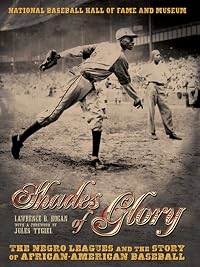
Shades of Glory: The Negro Leagues and the Story of African-American Baseball
by Lawrence D. Hogan
On This Page
Description
Drawing on years of research, Shades of Glory traces the history of black baseball from the 19th century to the first great teams, such as the Cuban Giants, and on to the era of the vibrant barnstorming teams from the East Coast, Chicago, and Cuba. The unparalleled Rube Foster started the first Negro League in 1920, with such dominant teams as the Chicago American Giants and the Kansas City Monarchs. Pittsburgh soon produced two of the greatest teams of all time, the Homestead Grays and the show more Pittsburgh Crawfords, featuring such stars as Satchel Paige, John Gibson, Cool Papa Bell, and many more. Their superb brand of baseball rivaled the best of the major leagues until the historic signing of Jackie Robinson by the Brooklyn Dodgers in 1947. Shades of Glory chronicles a bygone era of black baseball and the stars who were shadowed by racial prejudice, but now shine forth in all their sparkling brilliance. [from publisher description]. show lessTags
Recommendations
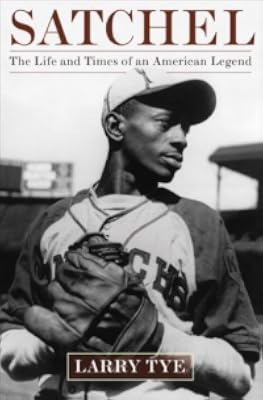
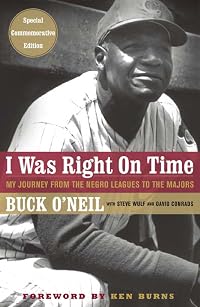


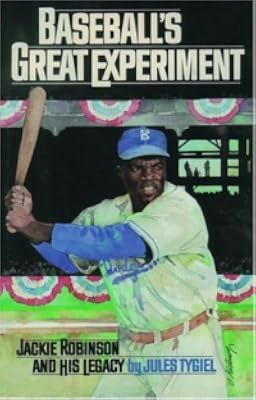

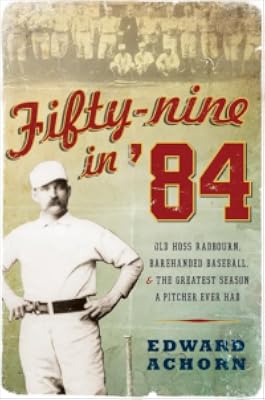
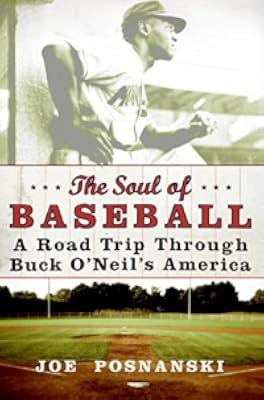

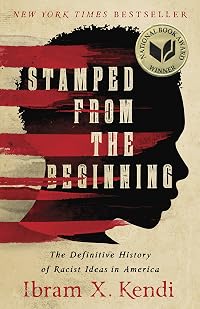

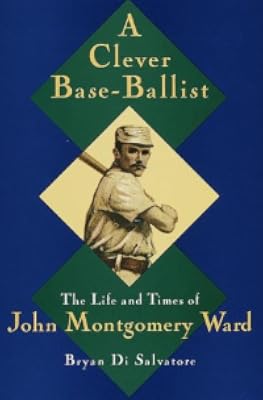




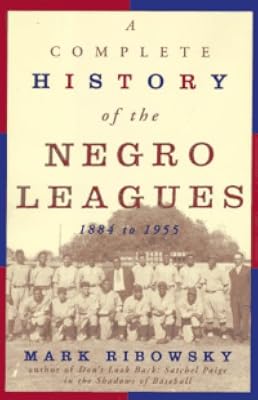

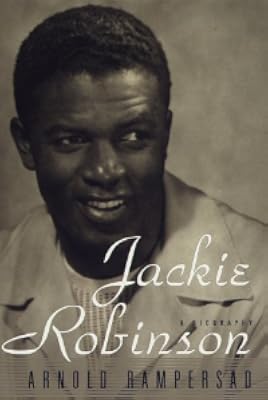


Member Recommendations
Beyond the Shadow of the Senators : The Untold Story of the Homestead Grays and the Integration of Baseball by Brad Snyder
lorax A more in-depth look at one of the greatest teams in the Negro Leagues.
74
Member Reviews
Shades of Glory tells the history of African American Baseball.
It's obvious that there was a tremendous amount of research that went into this book.
I believed I was pretty familiar with a lot of the players and stories of the Negro Leagues
but I learned a lot from this work. Sprinkled throughout the book are numerous sidebars about
many of the best players. There were many tales I had not heard about, such as the legend of
Cool Papa Bell, about whom it's said could turn off the lights and be in bed before they went off.
I was surprised to learn that this story is actually based on true events!
The Negro Leagues were innovators in many ways. Did you know that the first night games were
played in the Negro Leagues?
Whereas most of the books show more I've read have dealt mostly with the players themselves and their
accomplishments, Shades of Glory details the history of the leagues themselves. How they came about,
the economic problems, how the various incarnations of leagues came and went. It details a lot of
the business side of the history that I knew nothing about. It's also quite enlightening as to just
how much baseball brought communities together in both the white communities and very much in the
black communities. There was a time in the past when baseball played a huge part of American life.
Towns and companies had teams and huge numbers of people followed their local teams.
Sadly, as much as Jackie Robinson and the integration of Major League Baseball did for our country,
there were also casualties. The Negro Leagues quickly died due to mostly economic reasons; the fans
started going to see the Major League teams with black players and not following the Negro League teams.
Black-owned hotels and other businesses lost a lot of business once the other businesses started opening
their doors. But most of the old negro players who missed out on playing in the majors don't express
a lot of regret. They are thankful for getting to play baseball!
Shades of Glory goes much more into the business side of the history of the Negro Leagues than
it does the actual players and their statistics, but it's filled with some remarkable accounts and really
opens your eyes as to the struggles of the African American players in the early days of baseball.
I would definitely recommend it to anyone interested in baseball history and some of the greatest players
who never made it to the major leagues. show less
It's obvious that there was a tremendous amount of research that went into this book.
I believed I was pretty familiar with a lot of the players and stories of the Negro Leagues
but I learned a lot from this work. Sprinkled throughout the book are numerous sidebars about
many of the best players. There were many tales I had not heard about, such as the legend of
Cool Papa Bell, about whom it's said could turn off the lights and be in bed before they went off.
I was surprised to learn that this story is actually based on true events!
The Negro Leagues were innovators in many ways. Did you know that the first night games were
played in the Negro Leagues?
Whereas most of the books show more I've read have dealt mostly with the players themselves and their
accomplishments, Shades of Glory details the history of the leagues themselves. How they came about,
the economic problems, how the various incarnations of leagues came and went. It details a lot of
the business side of the history that I knew nothing about. It's also quite enlightening as to just
how much baseball brought communities together in both the white communities and very much in the
black communities. There was a time in the past when baseball played a huge part of American life.
Towns and companies had teams and huge numbers of people followed their local teams.
Sadly, as much as Jackie Robinson and the integration of Major League Baseball did for our country,
there were also casualties. The Negro Leagues quickly died due to mostly economic reasons; the fans
started going to see the Major League teams with black players and not following the Negro League teams.
Black-owned hotels and other businesses lost a lot of business once the other businesses started opening
their doors. But most of the old negro players who missed out on playing in the majors don't express
a lot of regret. They are thankful for getting to play baseball!
Shades of Glory goes much more into the business side of the history of the Negro Leagues than
it does the actual players and their statistics, but it's filled with some remarkable accounts and really
opens your eyes as to the struggles of the African American players in the early days of baseball.
I would definitely recommend it to anyone interested in baseball history and some of the greatest players
who never made it to the major leagues. show less
 This review was written for LibraryThing Early Reviewers.
While many books have been written about African-Americans and baseball, a glance at the fairly sketchy books written even ten years ago shows how much more remains to be told of their story. Shades of Glory is by no means a last word on the subject, but it is a great introduction for fans of the game and a fitting tribute to those who played in the shadows but shined nonetheless.
Hogan tells the familiar stories of Moses Walker, Josh Gibson and Satchel Paige, but the most interesting part of the book concentrates on the less well-known people who were instrumental in developing and organizing the Negro leagues and their predecessors. We tend to think of baseball as something that whites came up with and blacks adopted, but the truth is show more perhaps more complex. Black baseball and white baseball appear to have developed in parallel from the earliest games.
Hogan's presentation of his subject makes for an enjoyable reading experience. Anecdotes by and about black baseball players are included in boxes and the text is filled with interesting and rare photos -- which you would perhaps expect from a book published by National Geographic.
Hogan occasionally bogs the reader in detail, which may be inappropriate for a book clearly aimed at a general readership. However, the details are what make this book a very worthwhile synthesis of a half-century or more of research into an American tradition just as venerable -- and just as important -- as its white counterpart. show less
Hogan tells the familiar stories of Moses Walker, Josh Gibson and Satchel Paige, but the most interesting part of the book concentrates on the less well-known people who were instrumental in developing and organizing the Negro leagues and their predecessors. We tend to think of baseball as something that whites came up with and blacks adopted, but the truth is show more perhaps more complex. Black baseball and white baseball appear to have developed in parallel from the earliest games.
Hogan's presentation of his subject makes for an enjoyable reading experience. Anecdotes by and about black baseball players are included in boxes and the text is filled with interesting and rare photos -- which you would perhaps expect from a book published by National Geographic.
Hogan occasionally bogs the reader in detail, which may be inappropriate for a book clearly aimed at a general readership. However, the details are what make this book a very worthwhile synthesis of a half-century or more of research into an American tradition just as venerable -- and just as important -- as its white counterpart. show less
This review was written for LibraryThing Early Reviewers.From the open fields of rural America to inner-city streets and sandlots, baseball and the boys of summer have been America’s feel-good obsession. That this pastime was played out in parallel, necessitated by the segregationist policies of America in the 19th and 20th centuries, is still so hard to understand.
In his foreword to Shades of Glory: The Negro Leagues and the Story of African-American Baseball by Lawrence D. Hogan, baseball historian Jules Tygiel writes “The realm of black baseball was a vibrant and colorful one. It offered a panorama of innovation and enterprise, entertainment and excitement, and unparalleled athletic achievement.”
This book brings alive the history of black baseball, from slaves playing on show more plantations in the pre-Civil War South to the first organized games of the mid-19th century and the glory days of the Negro leagues in the 1920s, ’30s and ’40s. This book profiles the players, owners and fans that made baseball come alive for generations of African Americans.
All the heroes of Negro League baseball are here. Satchel Paige, Cool Papa Bell, Buck O'Neill, Josh Gibson up until the arrival of Jackie Robinson, Roy Campenella and Monte Irwin and how their breaking the color barrier effectively put an end to Negro League baseball.
There are stats of ball players and organizations at the back of the book, although they are missing in this pre-release edition.
The book is an important contribution to the history of baseball in America and a sensitive tribute to the players and teams that wrote a unique chapter in the story of baseball and American culture. show less
In his foreword to Shades of Glory: The Negro Leagues and the Story of African-American Baseball by Lawrence D. Hogan, baseball historian Jules Tygiel writes “The realm of black baseball was a vibrant and colorful one. It offered a panorama of innovation and enterprise, entertainment and excitement, and unparalleled athletic achievement.”
This book brings alive the history of black baseball, from slaves playing on show more plantations in the pre-Civil War South to the first organized games of the mid-19th century and the glory days of the Negro leagues in the 1920s, ’30s and ’40s. This book profiles the players, owners and fans that made baseball come alive for generations of African Americans.
All the heroes of Negro League baseball are here. Satchel Paige, Cool Papa Bell, Buck O'Neill, Josh Gibson up until the arrival of Jackie Robinson, Roy Campenella and Monte Irwin and how their breaking the color barrier effectively put an end to Negro League baseball.
There are stats of ball players and organizations at the back of the book, although they are missing in this pre-release edition.
The book is an important contribution to the history of baseball in America and a sensitive tribute to the players and teams that wrote a unique chapter in the story of baseball and American culture. show less
This review was written for LibraryThing Early Reviewers.Shades of Glory is an exhaustive history of "black baseball" for as long as it existed as a separate, segregated entity, from the earliest beginnings of the sport through Jackie Robinson. The entire book is richly illustrated with lots of photos, even from the early era.
Like most American baseball fans, I was at least somewhat familiar with the later history of the Negro Leagues, in the heyday of Satchel Paige, Josh Gibson, and Cool Papa Bell. A reader coming to this book with no such familiarity might find the first part of it tough going, since the less-familiar players from the nineteenth century are often compared to these later giants. I found this early part fascinating, covering teams and players I had never heard of. It was show more interesting to see segregation become more entrenched in organized baseball as the legacy of Reconstruction waned, from players like Moses Fleetwood Walker openly playing on primarily white teams to light-skinned players who could "pass" for Native American or Latino being allowed to play to more complete segregation. The tone of the early era is fairly dry, relying on newspaper accounts, with few accounts of individual games or accounts of players other than statistics. In the more modern era interviews with players and firsthand accounts of games become available, and the tone is much more engaging though the material is more familiar. Still, I learned a great deal from this section as well -- like the story about the Pittsburgh newspaper reporter suggesting in the mid-1930s that the hapless Pirates could become instant pennant contenders just by recruiting the local talent from the Grays and Crawfords, then dominating the Negro Leagues -- imagine integration happening by Satchel Paige, Cool Papa Bell, and Josh Gibson all bursting on the scene in their prime and winning a few World Series!
Appropriately, the book trails off rather abruptly post-integration, just as black baseball as a distinct entity did; while this is understandable, it does mean there's not much detail about the legacy, or about the players who found themselves adrift when they weren't among the standouts who made it to the majors in the early, hesitant days of integration.
I would recommend this to anyone interested in baseball history. The review copy I had lacked the extensive statistics at the end, which I'm sure will be one of the most valuable parts of the book for obsessive baseball statistics fans. show less
Like most American baseball fans, I was at least somewhat familiar with the later history of the Negro Leagues, in the heyday of Satchel Paige, Josh Gibson, and Cool Papa Bell. A reader coming to this book with no such familiarity might find the first part of it tough going, since the less-familiar players from the nineteenth century are often compared to these later giants. I found this early part fascinating, covering teams and players I had never heard of. It was show more interesting to see segregation become more entrenched in organized baseball as the legacy of Reconstruction waned, from players like Moses Fleetwood Walker openly playing on primarily white teams to light-skinned players who could "pass" for Native American or Latino being allowed to play to more complete segregation. The tone of the early era is fairly dry, relying on newspaper accounts, with few accounts of individual games or accounts of players other than statistics. In the more modern era interviews with players and firsthand accounts of games become available, and the tone is much more engaging though the material is more familiar. Still, I learned a great deal from this section as well -- like the story about the Pittsburgh newspaper reporter suggesting in the mid-1930s that the hapless Pirates could become instant pennant contenders just by recruiting the local talent from the Grays and Crawfords, then dominating the Negro Leagues -- imagine integration happening by Satchel Paige, Cool Papa Bell, and Josh Gibson all bursting on the scene in their prime and winning a few World Series!
Appropriately, the book trails off rather abruptly post-integration, just as black baseball as a distinct entity did; while this is understandable, it does mean there's not much detail about the legacy, or about the players who found themselves adrift when they weren't among the standouts who made it to the majors in the early, hesitant days of integration.
I would recommend this to anyone interested in baseball history. The review copy I had lacked the extensive statistics at the end, which I'm sure will be one of the most valuable parts of the book for obsessive baseball statistics fans. show less
This review was written for LibraryThing Early Reviewers.Baseball has a lot of history behind it, and as a relatively new fan of the game I'm reminded every time I pick up a book about just how much I don't know about it.
This book was helpful in filling in some of the gaps for an era and a league for which a lot of people could probably use some gaps filled. While general baseball coverage will introduce most casual fans to the headliners of the Negro Leagues, this book goes beyond biographies of the top stars to the more nuts-and-bolts mechanics of the leagues they played in and how they operated parallel to the segregated major and minor leagues. It's as much a story about black businesses and black communities as about black baseball.
Because it is trying to cover so much ground, it does show more jump around quite a bit and as some others have mentioned the tone is a bit boostery. Because I had an advance reader's copy the pictures and statistical indexes were not complete. However, it looks like the finished version will be a useful introduction to a story that every baseball fan should be introduced to. show less
This book was helpful in filling in some of the gaps for an era and a league for which a lot of people could probably use some gaps filled. While general baseball coverage will introduce most casual fans to the headliners of the Negro Leagues, this book goes beyond biographies of the top stars to the more nuts-and-bolts mechanics of the leagues they played in and how they operated parallel to the segregated major and minor leagues. It's as much a story about black businesses and black communities as about black baseball.
Because it is trying to cover so much ground, it does show more jump around quite a bit and as some others have mentioned the tone is a bit boostery. Because I had an advance reader's copy the pictures and statistical indexes were not complete. However, it looks like the finished version will be a useful introduction to a story that every baseball fan should be introduced to. show less
This review was written for LibraryThing Early Reviewers.Purporting itself as "the" authoritative history of Black Baseball, this book fails at that. Quite simply because to do that in the space allotted to this book would be impossible. Too much history, too many people, teams and games for the complete tale to be told. Which is where this book fails ultimately. Too much story, not enough space to flesh it out.
Hogan attempts to start at the beginning of Black Baseball and go forward, but all he can accomplish is a cursory glance at best, and listing of facts at worst. The writing is uneven with some parts well done and others just shamble along, looking for something interesting to grab onto.
There also isn't enough background information about the Black Experience to put the entire story in show more context. Some is, but as it is more a story of people, more stories about people rather than organizations would have been more desirable to me.
This is an admirable undertaking, and one worth doing. That Hogan is passionate about the subject matter is undeniable, that he knows it backwards and forwards is also without question. However, the ways in which he tries to convey this leaves the reader cold. More storytelling and less fact listing. As it was, I was unable to finish the book. Reading it became a chore, and this pains me to say. Baseball, and Black Baseball in particular are subjects I enjoy, so I was predisposed to really like this book.
A complimentary copy of this book was provided by the Publisher. show less
Hogan attempts to start at the beginning of Black Baseball and go forward, but all he can accomplish is a cursory glance at best, and listing of facts at worst. The writing is uneven with some parts well done and others just shamble along, looking for something interesting to grab onto.
There also isn't enough background information about the Black Experience to put the entire story in show more context. Some is, but as it is more a story of people, more stories about people rather than organizations would have been more desirable to me.
This is an admirable undertaking, and one worth doing. That Hogan is passionate about the subject matter is undeniable, that he knows it backwards and forwards is also without question. However, the ways in which he tries to convey this leaves the reader cold. More storytelling and less fact listing. As it was, I was unable to finish the book. Reading it became a chore, and this pains me to say. Baseball, and Black Baseball in particular are subjects I enjoy, so I was predisposed to really like this book.
A complimentary copy of this book was provided by the Publisher. show less
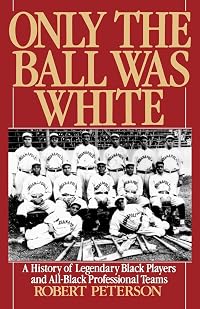
This review was written for LibraryThing Early Reviewers.Shades of Glory is a very fine history tracing the arc of "Negro League" baseball from its beginning through it glory days through its inevitable and sadly ironic end once the white leagues were integrated. I still prefer Robert Peterson's groundbreaking 1970 history 'Only the Ball Was White', but this book also tells the history reasonably well. It includes many photos, brief bios of individuals players, and great stories. The book also covers the economics of the Negro Leagues, which is almost as interesting as the baseball.
Others have commented that the book "jumped around". This may be explained by the fact that this book is the distillation of a much larger 800-page history written by teams of historians and sportswriters.
Others have commented that the book "jumped around". This may be explained by the fact that this book is the distillation of a much larger 800-page history written by teams of historians and sportswriters.
This review was written for LibraryThing Early Reviewers.Members
- Recently Added By
Lists

African American History Month
99 works; 2 members
Author Information

3 Works 158 Members
Classifications
- Genres
- Sports and Leisure, Nonfiction, History, General Nonfiction
- DDC/MDS
- 796.357 — Arts & recreation Recreation, sports, and performing arts Athletic and outdoor sports and games Ball sports Ball and stick sports Baseball
- LCC
- GV863 .A1 .H58 — Geography, Anthropology and Recreation Recreation. Leisure Recreation. Leisure Sports Ball games: Baseball, football, golf, etc.
- BISAC
Statistics
- Members
- 150
- Popularity
- 218,480
- Reviews
- 12
- Rating
- (3.52)
- Languages
- English
- Media
- Paper
- ISBNs
- 3
- ASINs
- 1