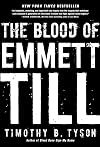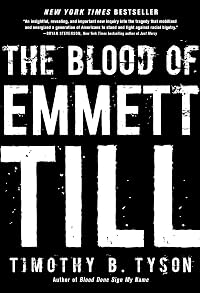
The Blood of Emmett Till
by Timothy B. Tyson
On This Page
Description
Mississippi, 1955: fourteen-year-old Emmett Till was murdered by a white mob after making flirtatious remarks to a white woman, Carolyn Bryant. Till's attackers were never convicted, but his lynching became one of the most notorious hate crimes in American history. It launched protests across the country, helped the NAACP gain thousands of members, and inspired famous activists like Rosa Parks to stand up and fight for equal rights for the first time. Part detective story, part political show more history, Tyson revises the history of the Till case, using a wide range of new sources, including the only interview ever given by Carolyn Bryant. In a time where discussions of race are once again coming to the fore, Tyson redefines this crucial moment in civil rights history. show lessTags
Recommendations

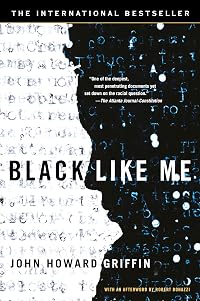
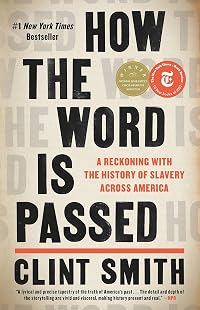
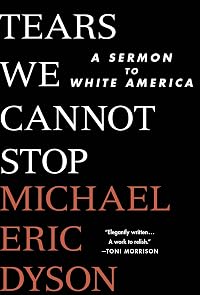
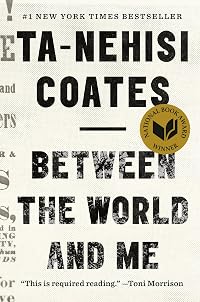
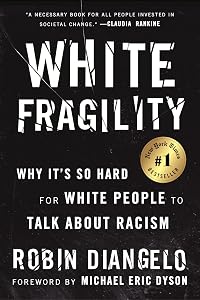
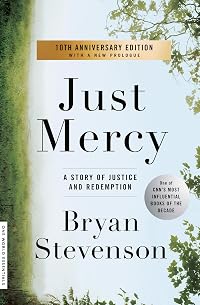
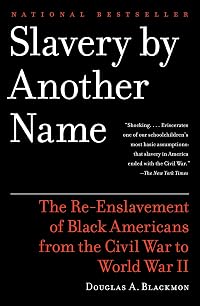
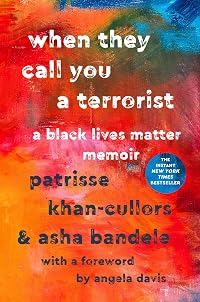
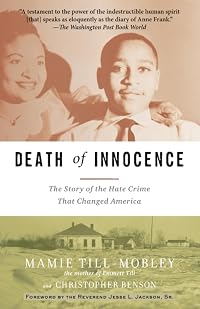
Member Recommendations
Member Reviews
"White America's heritage of imagining blacks as fierce criminals, intent on political and sexual domination, as threatening bodies to be monitored and controlled, has never disappeared."
"In many inner cities the drug trade is the only enterprise that is hiring, while the national unemployment rate for young black men is well over twice that for other young men."
"We are still killing black youth because we have not yet killed white supremacy."
Wow. Just wow. This is an excellent historical telling of the murder of Emmett Till, a 14-year-old African-American boy killed in 1955 by white men in Mississippi. Emmett was visiting Mississippi for the summer; his home was in Chicago. Tyson does an excellent job of sorting through what is show more known, what is suspected, and what can be concluded from this brutal and senseless murder of a young Black boy at the hands of white supremacist men, angry at his apparent disrespectful comments to one of their wives. Even if Till did the worst of that which he was accused of doing: grabbing the hand of a white woman at a store counter, asking her for a date, wolf-whistling at her later as she went to her car for a pistol.... none of that even remotely deserves the kind of brutal beating and slaying to which he was subjected. His body was found a few days later, bloated and damaged, floating in the Tallahatchie River with a gin fan tied to his neck with a stretch of barbed wire. The murder is tagged as a significant catalyst for the civil rights movement of the mid-20th century.
Most of the book is an exploration of history. What happened in Leflore County of Mississippi on August 28, 1955? Tyson shifts deftly between historical record and rational deduction.
It's his epilogue, though, that lands a direct hit. He persuasively describes the white supremacy that yet permeates our society, perhaps not the virulent and visceral white supremacy of the men who murdered young Emmett Till, but the polite and practiced white supremacy of progressives (like me), well-intentioned members of society who remain immobile in the face of today's persistent and pernicious societal segregation, today's Jim Crow. Tyson is not throwing stones, but his analysis is compelling and level-headed.
This is a surprisingly quick read and highly recommended. It's a great history lesson and a thought-provoking work. show less
"In many inner cities the drug trade is the only enterprise that is hiring, while the national unemployment rate for young black men is well over twice that for other young men."
"We are still killing black youth because we have not yet killed white supremacy."
Wow. Just wow. This is an excellent historical telling of the murder of Emmett Till, a 14-year-old African-American boy killed in 1955 by white men in Mississippi. Emmett was visiting Mississippi for the summer; his home was in Chicago. Tyson does an excellent job of sorting through what is show more known, what is suspected, and what can be concluded from this brutal and senseless murder of a young Black boy at the hands of white supremacist men, angry at his apparent disrespectful comments to one of their wives. Even if Till did the worst of that which he was accused of doing: grabbing the hand of a white woman at a store counter, asking her for a date, wolf-whistling at her later as she went to her car for a pistol.... none of that even remotely deserves the kind of brutal beating and slaying to which he was subjected. His body was found a few days later, bloated and damaged, floating in the Tallahatchie River with a gin fan tied to his neck with a stretch of barbed wire. The murder is tagged as a significant catalyst for the civil rights movement of the mid-20th century.
Most of the book is an exploration of history. What happened in Leflore County of Mississippi on August 28, 1955? Tyson shifts deftly between historical record and rational deduction.
It's his epilogue, though, that lands a direct hit. He persuasively describes the white supremacy that yet permeates our society, perhaps not the virulent and visceral white supremacy of the men who murdered young Emmett Till, but the polite and practiced white supremacy of progressives (like me), well-intentioned members of society who remain immobile in the face of today's persistent and pernicious societal segregation, today's Jim Crow. Tyson is not throwing stones, but his analysis is compelling and level-headed.
This is a surprisingly quick read and highly recommended. It's a great history lesson and a thought-provoking work. show less
When asked to think of a picture of a truly heroic action, many people will think of the lone Chinese protester facing off a row of tanks in Tiananmen Square. After finishing Timothy B. Tyson’s magnificent new book, I now see a different picture.
As photographs go it isn’t much but the story behind it makes shivers run down my spine. The image is of Moses Wright, a lanky black sharecropper and great uncle of 14-year-old Emmett Till. In the photograph the 64-year old Wright, standing tall in a white shirt, black tie, and suspenders, pointing across a Mississippi courtroom at the two white men charged with Till’s kidnapping an murder. This may not sound like much, but many people sitting in that courtroom were convinced that they show more were witnessing an act of suicide. No black man who enjoyed living would ever testify against a white man. And yet he did it.
This is just one of many tremendous acts of courage described in this account of the lynching of Till and the trial that arguably served as a catalyst for the protests of the Civil Rights Era. I’ve often heard of the case but never knew before now how integral a part it played in the campaign to defeat Jim Crow. I cannot recommend this book highly enough. I sincerely hope that everyone reads it. This was a very dark time in our history that we should never forget. show less
As photographs go it isn’t much but the story behind it makes shivers run down my spine. The image is of Moses Wright, a lanky black sharecropper and great uncle of 14-year-old Emmett Till. In the photograph the 64-year old Wright, standing tall in a white shirt, black tie, and suspenders, pointing across a Mississippi courtroom at the two white men charged with Till’s kidnapping an murder. This may not sound like much, but many people sitting in that courtroom were convinced that they show more were witnessing an act of suicide. No black man who enjoyed living would ever testify against a white man. And yet he did it.
This is just one of many tremendous acts of courage described in this account of the lynching of Till and the trial that arguably served as a catalyst for the protests of the Civil Rights Era. I’ve often heard of the case but never knew before now how integral a part it played in the campaign to defeat Jim Crow. I cannot recommend this book highly enough. I sincerely hope that everyone reads it. This was a very dark time in our history that we should never forget. show less
Being familiar with the specifics of the Emmett Till lynching and trial doesn't make this any easier of a read. The brutality, willful ignorance, and complicity still brings me to my knees. And here, you really delve into the details. The number of times I was either shouting or crying throughout the book cannot be understated. Tyson presents the case masterfully and does a brilliant job couching it in the civil rights efforts of the 1950s and connecting it to how the movement developed in the '60s as well as the Black Lives Matter movement today. I would urge anyone who is struggling to understand why protests continue to read this book...the culture and series of events that led to Emmett Till's murder and its aftermath are every bit show more as relevant to the fight that continues (as Tyson states, "America is still killing Emmett Till"). I'm now inspired to reread King's "Letter from Birmingham Jail." And trying to understand more, more, more.
(Side note: I can't really recommend the audio. Side side note: UGH, why are male readers so frequently awful?? Especially when it comes to phrasing women's voices?? UGGGGHHHHGHGHGHGHGHGHGHGHGHGHGH. I get that many of them are actors so maybe they feel the need to do voices, but I don't need voices if you're gonna be like that. That's why authors write, "he said, she said." If the only way you characterize a woman's voice is to raise the pitch and make her sound like a shrinking violet, then you aren't a very good actor...or observer. I wish all audiobook samples used the reader reading from a section of dialog, so I could decide whether to continue from the get-go. /end rant) show less
(Side note: I can't really recommend the audio. Side side note: UGH, why are male readers so frequently awful?? Especially when it comes to phrasing women's voices?? UGGGGHHHHGHGHGHGHGHGHGHGHGHGHGH. I get that many of them are actors so maybe they feel the need to do voices, but I don't need voices if you're gonna be like that. That's why authors write, "he said, she said." If the only way you characterize a woman's voice is to raise the pitch and make her sound like a shrinking violet, then you aren't a very good actor...or observer. I wish all audiobook samples used the reader reading from a section of dialog, so I could decide whether to continue from the get-go. /end rant) show less
Author [[Timothy Tyson]] wrote his PhD thesis on a case very similar to Emmett Till's on the 1970 beating and murder of a black teenager named Henry Marrow. Although this occurred fifteen years after the Emmett Till lynching, it bore striking similarities. Perhaps that is why when 80 year old Carolyn Bryant Donham, the woman who made the allegations against Emmett Till that led to his brutal death, decided to set the record straight, she chose to talk with Mr. Tyson.
In August 1955, fourteen year old Emmett Till, on summer vacation in Alabama from the more liberal Chicago, may have accidently touched Mrs. Donham's hand when he paid for his purchases. He may have given what was described as a wolf whistle as he left the store. His show more friends said he had a stammer and often relied on whistling instead. But in her interview with the author, Carolyn Bryant Donham admitted that there was no obscene language, no grabbing her or attempted rape as she had reported to her husband and also testified as she sat as a witness in the murder trial.
It was a horrific incident which would have gone unknown as just one more killing of a black person, except for the extreme bravery of Emmett's mother, Mamie, who insisted her son be brought home to Chicago for burial. She then had an open casket funeral so all could see the torture her baby had endured before he died. Emmett Till's name became a rallying point in the Civil Rights movement.
Although the murderers were brought to trial, they were judged not guilty by an all white male jury. Subsequently, one of them was paid by Life magazine for his story – and he was brutally honest about what he had done, knowing he could not be re-tried.
This book does a wonderful job of putting the horrific incident in the historical context, including the May 17, 1954 Brown Vs Board of Education Supreme Court decision to integrate schools. It was a time when blacks were beginning to assert their right to register to vote and were being violently prevented from doing so. It was a time of brutal, almost casual racism when white men thought they were justified to kill blacks for any or no reason.
When told of the abduction “Sheriff Smith knew Roy and J. W. and immediately assumed that they had killed the boy and thrown his body in the river. ....(Sheriff Crosby Smith said) 'It was custom, what was being done around here in those days. We went by custom when something like that happened, and that's usually what they done to 'em '.” p 58
And this quote:
”According to William Bradford Huie, Milam later justified Till's lynching using the terms of violent racial and sexual politics: 'Just as long as I live and can do anything about it, niggers are going to stay in their place. Niggers ain't gonna vote where I live. If they did, they'd control the government. They ain't gonna go to school with my kids. And when a nigger even gets close to mentioning sex with a white, he's tired of livin'. I'm likely to kill him. Me and my folks fought for this country, and we've got some rights .. .'Chicago boy,' I said, 'I'm tired of em sending your kind down here to stir up trouble. God damn you, I'm going to make an example of you just so everybody can see how my folks stand.' “ p. 77
And finally:
“When we blame those who brought about the brutal murder of Emmett Till, we have to count President Eisenhower, who did not consider the national honor at stake when white Southerners prevented African Americans from voting: who would not enforce the edicts of the highest court in the land, telling Chief Justice Earl Warren, 'All opponents of desegregation are concerned about is to see that their sweet little girls are not required to sit in schools alongside some big, overgrown Negroes.' We must count Attorney General Herbert Brownell Jr., who demurred that the federal government had no jurisdiction in the political assassinations of George Lee and Lamar Smith that summer, thus not only preventing African Americans from voting, but also enabling Milam and Bryant to feel confident that they could murder a fourteen-year-old boy with impunity. Brownell, a creature of politics, likewise refused to intervene in the Till case. . . Above all, we have to count the millions of citizens of all colors and in all regions who knew about the rampant racial injustice in America and did nothing to end it. The black novelist Chester Himes wrote a letter to the editor of the New York Post the day he heard the news of Milam's and Bryan's acquittals: ' The real horror comes when your dead brain must face the fact that we as a nation don't want to stop. If we wanted to, we would.' ” p. 209
Excellent book, well written and researched. Highly recommended. show less
In August 1955, fourteen year old Emmett Till, on summer vacation in Alabama from the more liberal Chicago, may have accidently touched Mrs. Donham's hand when he paid for his purchases. He may have given what was described as a wolf whistle as he left the store. His show more friends said he had a stammer and often relied on whistling instead. But in her interview with the author, Carolyn Bryant Donham admitted that there was no obscene language, no grabbing her or attempted rape as she had reported to her husband and also testified as she sat as a witness in the murder trial.
It was a horrific incident which would have gone unknown as just one more killing of a black person, except for the extreme bravery of Emmett's mother, Mamie, who insisted her son be brought home to Chicago for burial. She then had an open casket funeral so all could see the torture her baby had endured before he died. Emmett Till's name became a rallying point in the Civil Rights movement.
Although the murderers were brought to trial, they were judged not guilty by an all white male jury. Subsequently, one of them was paid by Life magazine for his story – and he was brutally honest about what he had done, knowing he could not be re-tried.
This book does a wonderful job of putting the horrific incident in the historical context, including the May 17, 1954 Brown Vs Board of Education Supreme Court decision to integrate schools. It was a time when blacks were beginning to assert their right to register to vote and were being violently prevented from doing so. It was a time of brutal, almost casual racism when white men thought they were justified to kill blacks for any or no reason.
When told of the abduction “Sheriff Smith knew Roy and J. W. and immediately assumed that they had killed the boy and thrown his body in the river. ....(Sheriff Crosby Smith said) 'It was custom, what was being done around here in those days. We went by custom when something like that happened, and that's usually what they done to 'em '.” p 58
And this quote:
”According to William Bradford Huie, Milam later justified Till's lynching using the terms of violent racial and sexual politics: 'Just as long as I live and can do anything about it, niggers are going to stay in their place. Niggers ain't gonna vote where I live. If they did, they'd control the government. They ain't gonna go to school with my kids. And when a nigger even gets close to mentioning sex with a white, he's tired of livin'. I'm likely to kill him. Me and my folks fought for this country, and we've got some rights .. .'Chicago boy,' I said, 'I'm tired of em sending your kind down here to stir up trouble. God damn you, I'm going to make an example of you just so everybody can see how my folks stand.' “ p. 77
And finally:
“When we blame those who brought about the brutal murder of Emmett Till, we have to count President Eisenhower, who did not consider the national honor at stake when white Southerners prevented African Americans from voting: who would not enforce the edicts of the highest court in the land, telling Chief Justice Earl Warren, 'All opponents of desegregation are concerned about is to see that their sweet little girls are not required to sit in schools alongside some big, overgrown Negroes.' We must count Attorney General Herbert Brownell Jr., who demurred that the federal government had no jurisdiction in the political assassinations of George Lee and Lamar Smith that summer, thus not only preventing African Americans from voting, but also enabling Milam and Bryant to feel confident that they could murder a fourteen-year-old boy with impunity. Brownell, a creature of politics, likewise refused to intervene in the Till case. . . Above all, we have to count the millions of citizens of all colors and in all regions who knew about the rampant racial injustice in America and did nothing to end it. The black novelist Chester Himes wrote a letter to the editor of the New York Post the day he heard the news of Milam's and Bryan's acquittals: ' The real horror comes when your dead brain must face the fact that we as a nation don't want to stop. If we wanted to, we would.' ” p. 209
Excellent book, well written and researched. Highly recommended. show less
4.5 stars
A painful, but important look at US history while asking ourselves "how much has really changed?"
Before going into this book, I had familiarity with the basics of the Emmett Till case, his horrific murder, and the gross miscarriage of justice after his death. Tyson's work provides much more detail about Till's family, the murderers' families, the impact of Till's death on the civil rights movement, and the reactions of other countries to the Till case.
Listening to the book on audio, the book got a bit muddled in the middle as Tyson explained all the various civil rights leaders working throughout the country. I had a hard time keeping the names straight (this might have been easier had I read the text instead of listening to show more it). The final chapters -- where Tyson offers his analysis vs. a litany of names, dates, and places -- are exceptional.
Make no mistake -- this book will stir thoughts and emotions that will not settle easily. Fourteen year-old Emmett Till was brutally beaten and murdered because he had the "audacity" to whistle at a white woman. In 1955 Mississippi, acquittal for the defendants was a foregone conclusion (part of the defense was that Till "had it coming"). Once acquitted and out of danger of double jeapordy, the defendants -- Milam and Bryant -- spoke quite openly about the murder. Although one would wish that the sentiments in their chilling remarks be relegated to history, it is wise to listen and be aware that sadly, these views continue to exist today:
"Outside Bryant’s grocery, the youths dared Till to ask Carolyn Bryant for a date. He did so. Hearing the tale, Milam and Bryant kidnapped the boy from his great-uncle’s farmhouse intending meerly to beat him, but Till taunted them …and proclaimed his own equality…
‘We were never able to scare him,’ Milam [admitted]. ‘They had just filled him so full of that poison he was hopeless.’
The men took turns smashing Till across the head with their 45s. The boy never yelled, but continued to say things like ‘You bastards, I’m not afraid of you. I’m as good as you are. My grandmother was a white woman.’
Milam made their case, ‘Well, what else could we do? It was hopeless. I’m no bully. I never hurt a ni**er. I like ni**ers – in their place. I know how to work ‘em. But I just decided it was time a few people got put on notice. As long as I live and can do anything about it, ni**ers are gonna stay in their place. Ni**ers ain’t gonna vote where I live -- if they did they’d control the government. They ain’t gonna go to school with my kids. And when a ni**er even gets close to mentioning sex with a white woman, he’s tired of livin’. I’m likely to kill him. Me and my folks fought for this country and we’ve got some rights. G-damn you, I’m gonna make an example of you, so everybody knows where me and my folks stand.’” show less
A painful, but important look at US history while asking ourselves "how much has really changed?"
Before going into this book, I had familiarity with the basics of the Emmett Till case, his horrific murder, and the gross miscarriage of justice after his death. Tyson's work provides much more detail about Till's family, the murderers' families, the impact of Till's death on the civil rights movement, and the reactions of other countries to the Till case.
Listening to the book on audio, the book got a bit muddled in the middle as Tyson explained all the various civil rights leaders working throughout the country. I had a hard time keeping the names straight (this might have been easier had I read the text instead of listening to show more it). The final chapters -- where Tyson offers his analysis vs. a litany of names, dates, and places -- are exceptional.
Make no mistake -- this book will stir thoughts and emotions that will not settle easily. Fourteen year-old Emmett Till was brutally beaten and murdered because he had the "audacity" to whistle at a white woman. In 1955 Mississippi, acquittal for the defendants was a foregone conclusion (part of the defense was that Till "had it coming"). Once acquitted and out of danger of double jeapordy, the defendants -- Milam and Bryant -- spoke quite openly about the murder. Although one would wish that the sentiments in their chilling remarks be relegated to history, it is wise to listen and be aware that sadly, these views continue to exist today:
"Outside Bryant’s grocery, the youths dared Till to ask Carolyn Bryant for a date. He did so. Hearing the tale, Milam and Bryant kidnapped the boy from his great-uncle’s farmhouse intending meerly to beat him, but Till taunted them …and proclaimed his own equality…
‘We were never able to scare him,’ Milam [admitted]. ‘They had just filled him so full of that poison he was hopeless.’
The men took turns smashing Till across the head with their 45s. The boy never yelled, but continued to say things like ‘You bastards, I’m not afraid of you. I’m as good as you are. My grandmother was a white woman.’
Milam made their case, ‘Well, what else could we do? It was hopeless. I’m no bully. I never hurt a ni**er. I like ni**ers – in their place. I know how to work ‘em. But I just decided it was time a few people got put on notice. As long as I live and can do anything about it, ni**ers are gonna stay in their place. Ni**ers ain’t gonna vote where I live -- if they did they’d control the government. They ain’t gonna go to school with my kids. And when a ni**er even gets close to mentioning sex with a white woman, he’s tired of livin’. I’m likely to kill him. Me and my folks fought for this country and we’ve got some rights. G-damn you, I’m gonna make an example of you, so everybody knows where me and my folks stand.’” show less
Bringing to life one of the foremost victims of the Jim Crow era is no easy task. But Tyson does an admirable job covering the reality of Emmett Till, a black teenager, and the horror that unfolded in Money, Mississippi, and the struggle for justice both in the courtroom and in the wider eyes of American society. The inclusion of interviewing Carolyn Bryant, the supposed victim of Till's "whistle", makes for a painful but vital angle to the story. Sixty years later, with Black Lives Matter showing that the more things change, the more they stay the same, "Blood of Emmett Till" is a hard read emotionally, but a very worthwhile one.
This book was an interesting narrative take on the murder and subsequent trial, as well as the political organizing around the death of Emmett Till. I felt in some ways jerked around by this book, as a white reader--Tyson ends the book with a vivid call to action, but really doesn't posit the reader alongside Carolyn Bryant, asking the reader to challenge their own inner white supremacy (assuming a white reader, which, given the call to action, is who I think Tyson is aiming for.) There are some interesting things going on with rhetoric around how white supremacy functioned at the time of Till's death, especially given the messiness of the defense's claims during the trial, and it's probably a really good read for undergraduates or show more other non-historian folks looking to get a touch at how white supremacy has changed over time but also remained entrenched. show less
Members
- Recently Added By
Lists

2018 Notable Books for Adults
26 works; 4 members
Author Information

5+ Works 1,809 Members
Timothy B. Tyson is a professor of Afro-American studies at the University of Wisconsin-Madison
Awards and Honors
Awards
Distinctions
Common Knowledge
- Original publication date
- 2017
- People/Characters
- Emmett Till; Carolyn Bryant; Mamie Till-Mobley
- Important places
- Mississippi, USA; Money, Mississippi, USA
- Epigraph
- My name is being called on the road to freedom. I can hear the blood of Emmett Till as it calls from the ground...When shall we go? Not tomorrow! Not at high noon! Now!
Reverend Samuel Wells, Albany Georgia, 1962 - Dedication
- for my brother Vern
- First words
- The older woman sipped her coffee.
- Last words
- (Click to show. Warning: May contain spoilers.)We can still hear the marching feet of millions in the streets of America, all of them belong to the children of Emmett Till
- Blurbers
- Stevenson, Bryan; McWhorter, Diane; Sharlet, Jeff; Painter, Nell Irvin; Barber, Rev. Dr. William J., II; Feimster, Crystal (show all 8); McGuire, Danielle; Ferris, William
- Canonical DDC/MDS
- 364.134
- Canonical LCC
- HV6465.M7
Classifications
- Genres
- Politics and Government, General Nonfiction, History, Nonfiction
- DDC/MDS
- 364.134 — Society, government, & culture Social problems and social services Crime Criminal offenses Political and related offenses Vigilantism
- LCC
- HV6465 .M7 — Social sciences Social pathology. Social and public welfare. Criminology Social pathology. Social and public welfare. Criminology Crimes and offenses
- BISAC
Statistics
- Members
- 679
- Popularity
- 42,336
- Reviews
- 32
- Rating
- (4.17)
- Languages
- English
- Media
- Paper, Audiobook, Ebook
- ISBNs
- 11
- ASINs
- 2