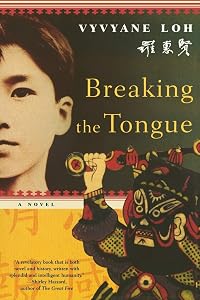
Breaking the Tongue
by Vyvyane Loh
On This Page
Description
This brilliant novel chronicles the fall of Singapore to the Japanese in World War II. Central to the story is one Chinese family: Claude, raised to be more British than the British and ashamed of his own heritage; his father, Humphrey, whose Anglophilia blinds him to possible defeat and his wife's dalliances; and the redoubtable Grandma Siok, whose sage advice falls on deaf ears. Expatriates, spies, fifth columnists, and nationalists?ncluding the elusive young woman Ling-Li?ingle in this show more exotic culture as the Japanese threat looms. Beset by the horror of war and betrayal and, finally, torture, Claude must embrace his true heritage. In the extraordinary final paragraphs of the novel, the language itself breaks into Chinese. With penetrating observation, Vyvyane Loh unfolds the coming-of-age story of a young man and a nation, a story that deals with myth, race, and class, with the ways language shapes perceptions, and with the intrigue and suffering of war. Reading group guide included. show lessTags
Recommendations
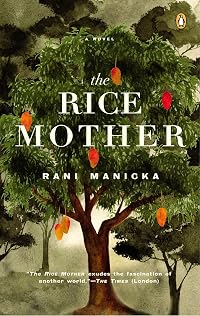

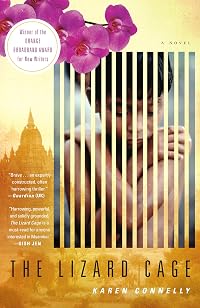
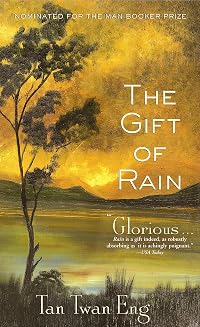
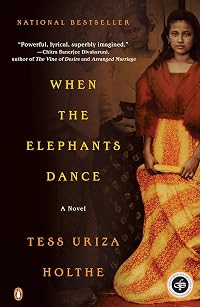
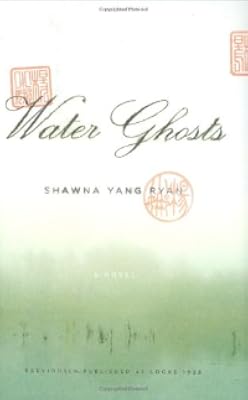
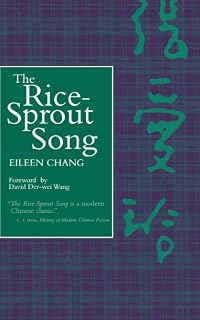
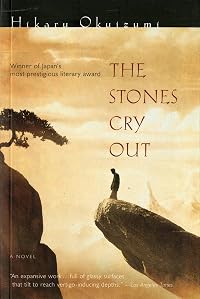
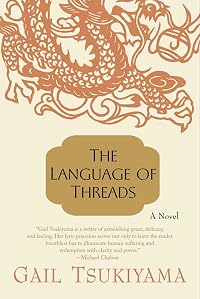
Member Recommendations
Member Reviews
'"Chinese," she says, "has no strict sense of of tense. It traverses time and history, intrudes upon the present."' To the Chinese, we are told, the Other are invisible. Invisible and barbarian. Europeans eat and talk and presumably shit, but do not exist.No matter how Europeans oppress the Chinese it is the Europeans who are no one, no person. When eventually the Japanese sweep through and annihilate the European presence, send its remnant marching to Changi, it makes in one sense no difference to the universe, for they never existed. The novel begins in the middle which is near the end, for Chinese has no strict sense of tense, and if the Europeans were here, will be here, are here, it makes no difference. And the Japanese may tear show more out, break and tear out the tongue - whose tongue? - but it makes no difference, for the story has been told, will be told, is being told.
This is a remarkable novel, brutal to read. Loh writes beautifully, but traverses time schemes with such fluency that for many pages it is the surreal that dominates. Yet then, suddenly, Singapore which nonchalantly was not going to fall has fallen and there is no time for pretense. The unglamorous Australians and the rather pathos-laden British are gone, and the Chinese whose lives were sublimated under the rule of a people who do not exists are left to survive a new oppression, and that doesn't matter either because ... time. And throughout the tale the central figure slowly grows into an understanding of what it means to be timeless, to be guided, to know what he is not (European), to so that he has seen heroism and defeat and life and death but why?
And what does it all mean? It is a chilling novel, but strangely comforting, for in the end perhaps we are all the myrmidons, crossing, in an indirect path, the horizons. This reviewer cannot tell the tale, but stands in awe of the author who tantalized and told so much about indomitable human spirit and meaninglessness of oppression. show less
This is a remarkable novel, brutal to read. Loh writes beautifully, but traverses time schemes with such fluency that for many pages it is the surreal that dominates. Yet then, suddenly, Singapore which nonchalantly was not going to fall has fallen and there is no time for pretense. The unglamorous Australians and the rather pathos-laden British are gone, and the Chinese whose lives were sublimated under the rule of a people who do not exists are left to survive a new oppression, and that doesn't matter either because ... time. And throughout the tale the central figure slowly grows into an understanding of what it means to be timeless, to be guided, to know what he is not (European), to so that he has seen heroism and defeat and life and death but why?
And what does it all mean? It is a chilling novel, but strangely comforting, for in the end perhaps we are all the myrmidons, crossing, in an indirect path, the horizons. This reviewer cannot tell the tale, but stands in awe of the author who tantalized and told so much about indomitable human spirit and meaninglessness of oppression. show less
This is an amazing work of historical fiction from the pen of Vyvyane Loh. She has created believable characters, particularly the young hero Claude Lim, and put them in an historical setting that is brought alive in this intelligent novel. We see the Chinese family trying to emulate their British colonial masters and watch as their society crumbles in the face of the Japanese invasion of December, 1942. But mostly this is Claude's story as he learns from his Grandmother Siok, befriends the Englishman Jack Winchester and in turn is befriended by the Chinese nurse Han Ling-Li. Slowly Claude matures and becomes reconciled with his Chinese ethnicity. This novel seamlessly blends the personal stories with the turmoil of invasion. One more show more for my list of great historical novels. show less
A book that focuses on those who are not British but are raised to be so, to the point of losing their own identity. This book shows that if you can break the tongue of the natives you can break their culture and pride.
Ratings
Members
- Recently Added By
Lists

International IMPAC Dublin Literary Award
179 works; 6 members
Author Information

1 Work 175 Members
Awards and Honors
Awards
Common Knowledge
- Canonical title
- Breaking the Tongue
- Original title
- Breaking the Tongue
- Original publication date
- 2004
- Important places
- Singapore; Malaya
- Important events
- World War II (1939 | 1945); World War II, Pacific Theater (1941-12-07 | 1945-09-02); Fall of Singapore (1941 | 1942)
- First words
- Float, fly, flame up.
- Last words
- (Click to show. Warning: May contain spoilers.)You will require another language.
Classifications
Statistics
- Members
- 175
- Popularity
- 187,834
- Reviews
- 3
- Rating
- (3.77)
- Languages
- English
- Media
- Paper
- ISBNs
- 2
- ASINs
- 1